The Most Remote Places in Iceland

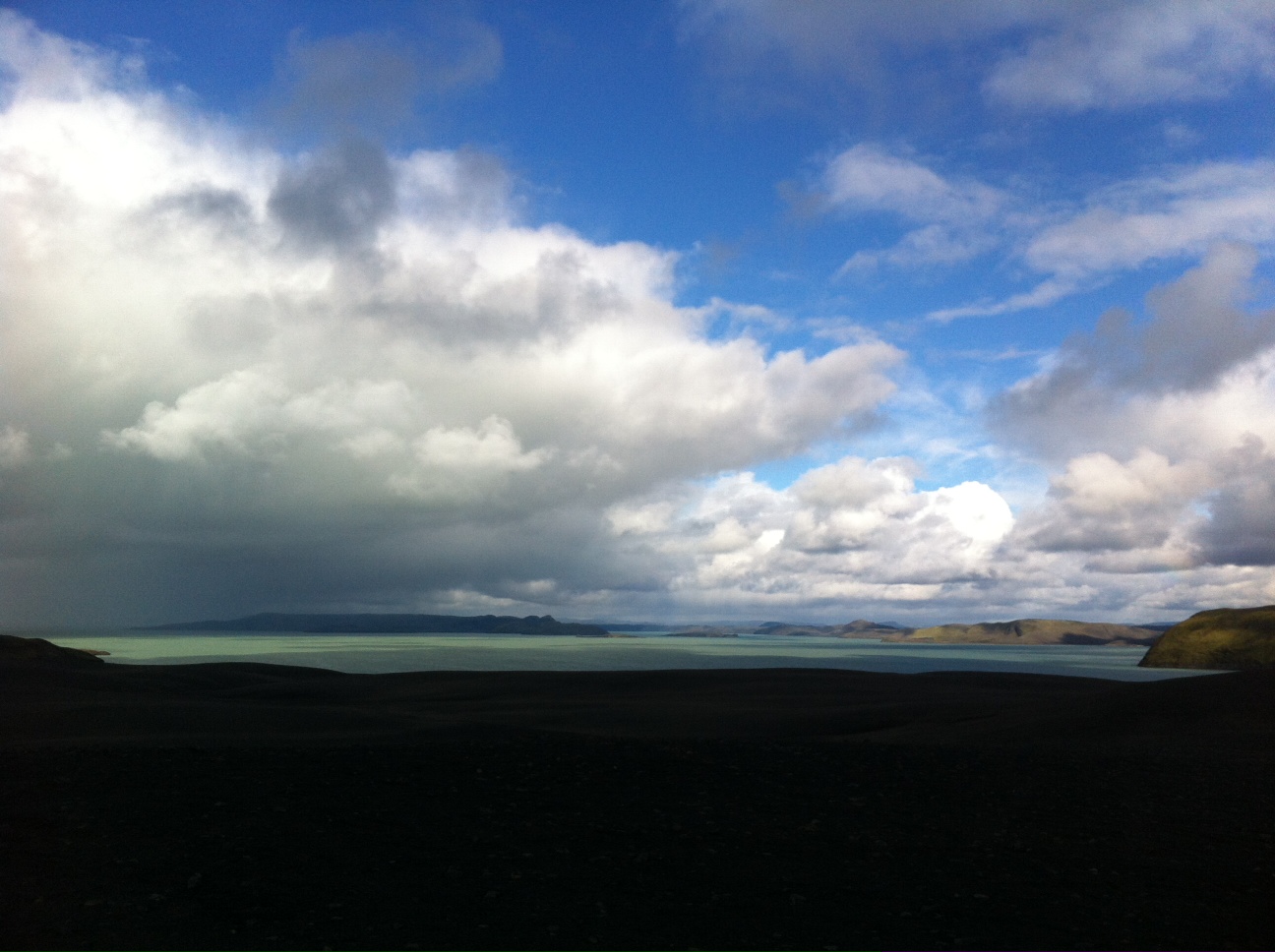
Þórisvatn in Sprengisandur

Þórisvatn in Sprengisandur

After traveling the East fjords, the north-east started calling, as I got very curious to see how much more remote and lonely the valleys and seashores must get. Starting in Vopnafjörður, I drove around Melrakkslétta, where they say you are (literally) only a stone´s throw away from the Arctic Circle. Its also the border where East Iceland meets North Iceland, one of the least densely populated areas of Iceland, and even at 5m above sea level, the scarce vegetation looks like the highlands up at 600m. I can´t really say much what the vegetation was like at 600m because the only high mountain pass I drove over on the way to Vopnafjörður was covered in such a dense, grey cloud that you couldn´t even see the yellow sticks marking the road, or have any perception of going up or down. We knew we were on our way down the mountain when we had to start using the brakes in the car, but nothing we could see or decipher with our eyes would have given us a sense of direction.
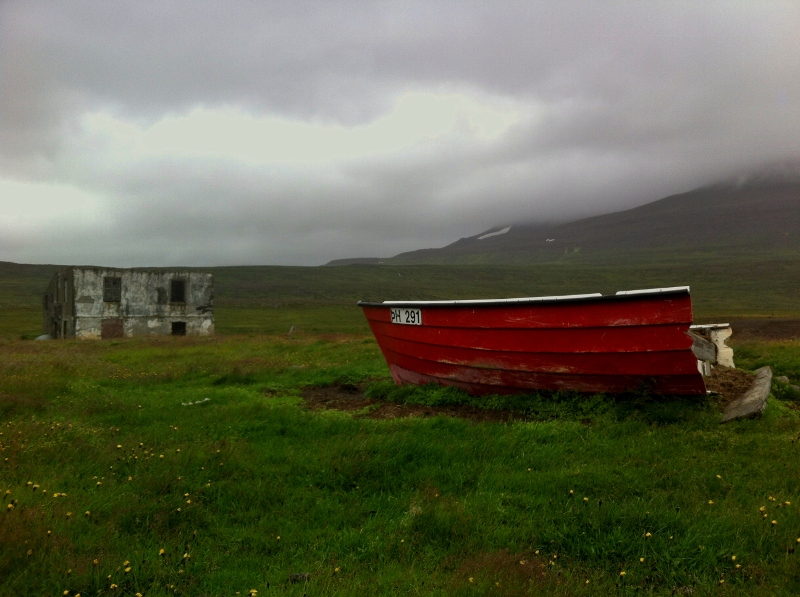
a half a boat

a half a boat in Melrakkslétta

Bakkagerði and Þórshöfn were not such impressive towns, maybe because of the bad weather, or maybe because I didn´t meet a single other person in either town. Raufarhöfn was the perfect place to call home for the night, after we found a place called Sunset Guesthouse, which is actually just the private home of Magnea (the picture perfect Icelandic grandmother figure!). Langanes peninsula, which sticks out from Þórshöfn, was surprisingly one of the most memorable places I´ve ever visited in Iceland. Its basically empty, open space, with amazing bird watching opportunities and a few inhabited farms which clearly appreciate being remote and untouched. Most of the roads lead to dead ends and empty houses, and only a horse would have been sufficient to finish exploring the lonely corners of Langanes.

Skinnalón

Skinnalón

I discovered the most beautiful setting for a summerhouse at a sea-side farm called Krossavík. Its gates are usually locked but we happened to be at the end of the windy dirt road at the same time as the farmer was haying the land, so he let us in to explore. We kind of sorta broke into the farm at Skinnalón, since the little Skoda car we were driving actually fit under the chain blocking the road. There were more deserted farms than working farms, and almost no paved roads, during my roadtrip to Melrakkaslétta, but on the way out from Kopasker, we arrived back to the reality of traffic and tourists. We decided to take the bad road south past Dettifoss, and indulged in the Blue Lagoon´s little sister, the Mývatn Nature Baths.

driving between Hofsjokull and Tungnaellsjokull in Sprengisandur

driving between Hofsjokull and Tungnaellsjokull in Sprengisandur

A few weeks later, there was one more important place to visit, to satisfy my curiosity of the remote and middle of nowhere: Sprengisandur. Its the never-ending, black desert highland pass between the middle of Iceland, bordered only by huge lakes and Europe´s biggest glacier. The landscape is so sandy and black it makes your mouth feel dry just by looking at it, and we were unlucky enough to get a flat tire in the middle of it, at nightfall, without a  lake or river in sight.

Nýidalur

Nýidalur

The moutain safety guys saved us the next morning, and we carried on to Nýidalur – the only green valley in Sprengisandur. We went hottubbing in the geothermal pool at Laugafell, and went fishing for nothing but seaweed at Svartá and Kvíslavatn. The only other human interaction we had was with the same two mountain safety guides at the refuge hut, and we just saw a couple of cars pass us when we were stranded roadside, but Sprengisandur gave me a new-found respect for the large, lonely, and sometimes dangerous vastness of Iceland´s highlands. I can only imagine what life was like for Icelander´s before road travel and cars – then men rode horses across Sprengisandur, a week or two long, with barely a bite of grass to eat! I highly recommend any traveler visiting Iceland to get off the ring road and explore the empty middle and lonely corners of Iceland´s beautiful landscape one day.

See more pictures from North East Iceland here.
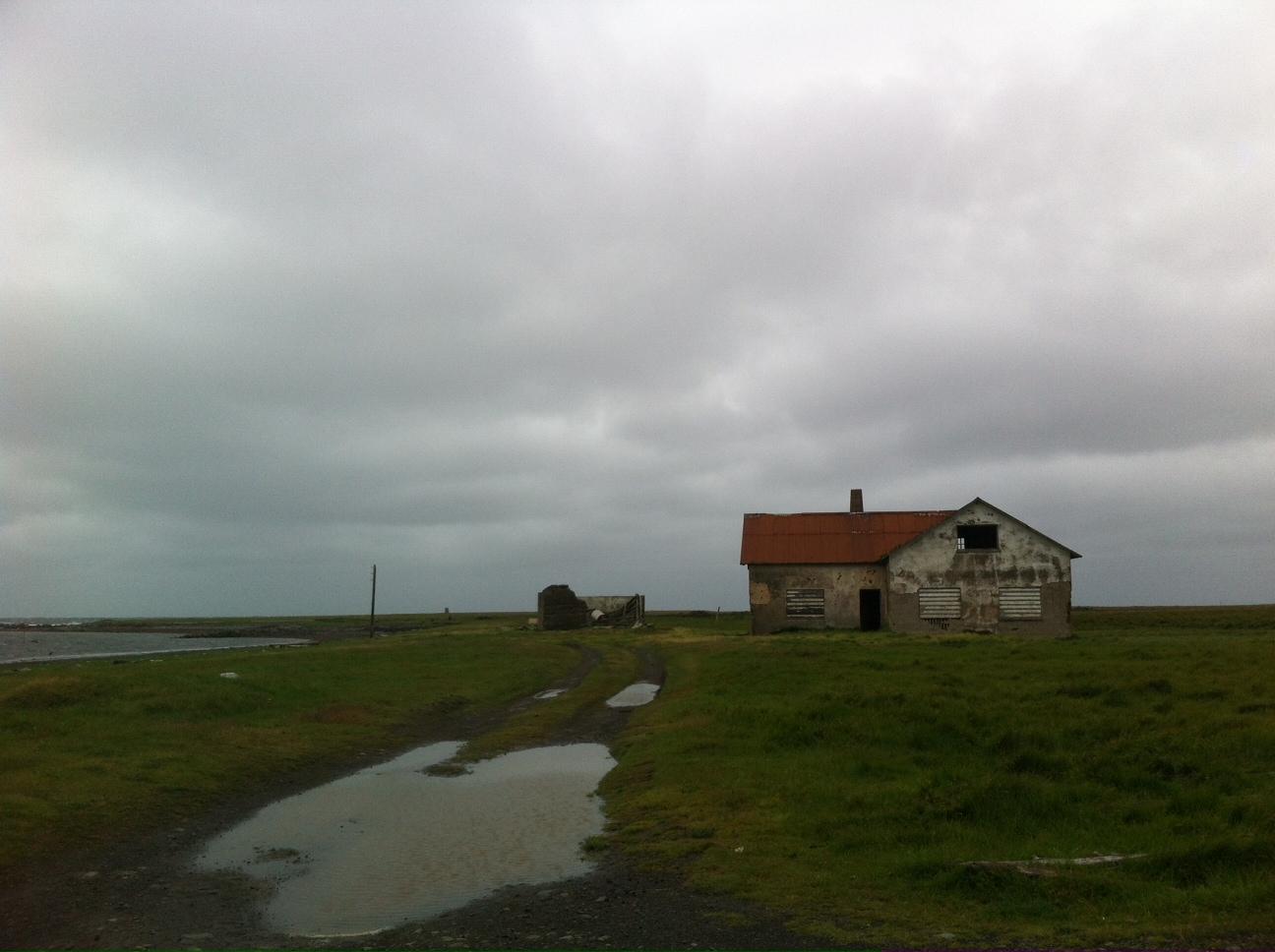
Photo Highlights: 66° North

a deserted farm in Langanes

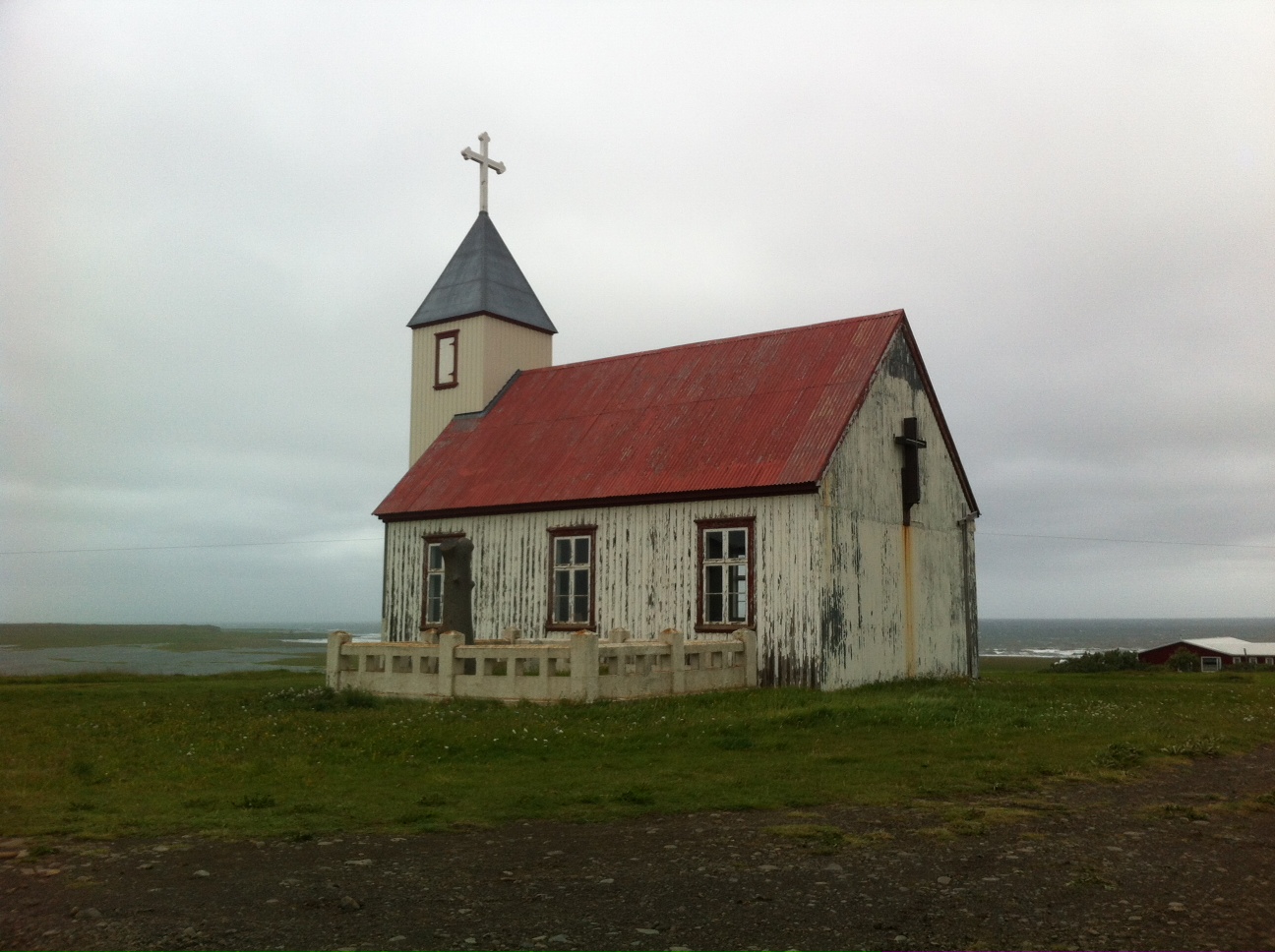
On my first days off in 6 weeks, I decided to take a road trip to Northeastern Iceland. After crossing 66° north latitude, I started to notice the temperature drop, a lot of deserted farms, old churches, and beautiful, uninhabited coastlines.

the old church at Sauðanes Parish

The coastline at Krossavík


The East Fjords of Iceland

IMG_6938

driving the winding roads into each valley

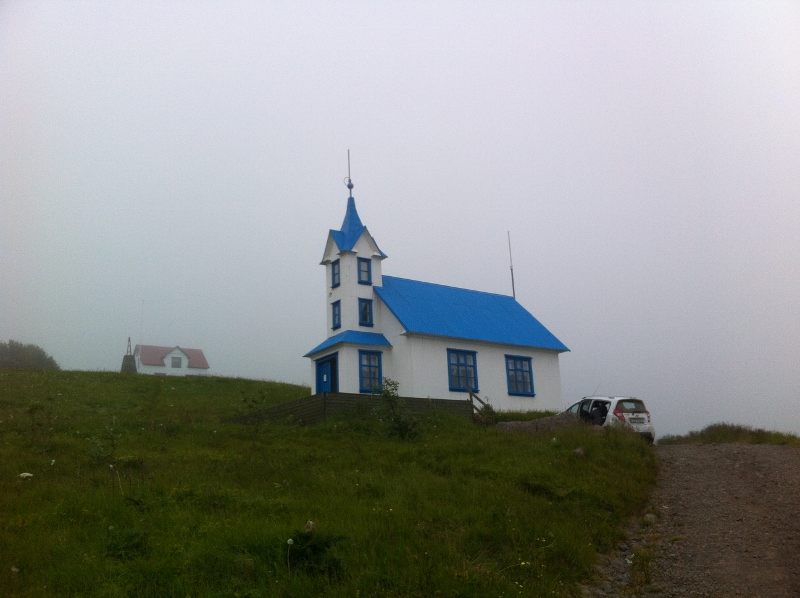
On one of my only weekends off from riding, I wanted to take advantage of living so close to the eastern fjords by taking a 2-day roadtrip around them all. They´re some of the highest, most snow-covered mountains in Iceland, and zigzag in and out along the coast, but roads rarely make it all the way around the fjord peninsulas to connect each valley. Thus, you end up with a bunch of 1-way-in-and-same-way-out cities, sometimes totally isolated from the rest of Iceland because of snow, with some mighty scary dirt roads leading you from the valley´s harbours into the moutain passes between them. One of these towns is Seyðisfjörður, which doesn´t even have a population of 1000, but its the port connecting Iceland and Europe for ferry goers, so its a pretty important place to stay connected to. Its one of the most picturesque towns in East Iceland, since the entire drive down into the luscious green valley has a river and its many waterfalls dancing along roadside. Its also a culturally active center, taking part in the annual Eastern Iceland Jazz festival, and hosting the week-long arts camp youth festival LungA. I visited the famous blue church and was lucky enough to hear some young musicians practicing a piano-accompanied solo, and her voice resounded like an angel in the tiny wooden church.

Seyðisfjörður

Seyðisfjörður

Mjófjörður was the most remote valley we drove into. Its hardly even counted as a town, but a small village of only 35 inhabitants. The steep, narrow, winding dirt road down the valley is only open in the summer, and in winter, its only possible to leave or visit Mjóifjörður by boat from Neskapustaður. The boat doesnt run when the road is open, so we had to drive back out of the valley, over the mountains and through Reydarfjordur and Eskifjordur to get to Neskaupstaður (a 94km drive instead of a 10km sail). The weekend we were exploring these valleys was the height of summer perfection as far as weather is concerned, and the temperature reached 27.5°C in Mjófjörður – the hottest I´ve ever seen in Iceland. Children were swimming in the sea and there wasn´t much more to do than just lay in the grass, suntanning, to enjoy the good weather.

Kirkjubær Church Hostel

Kirkjubær Church Hostel

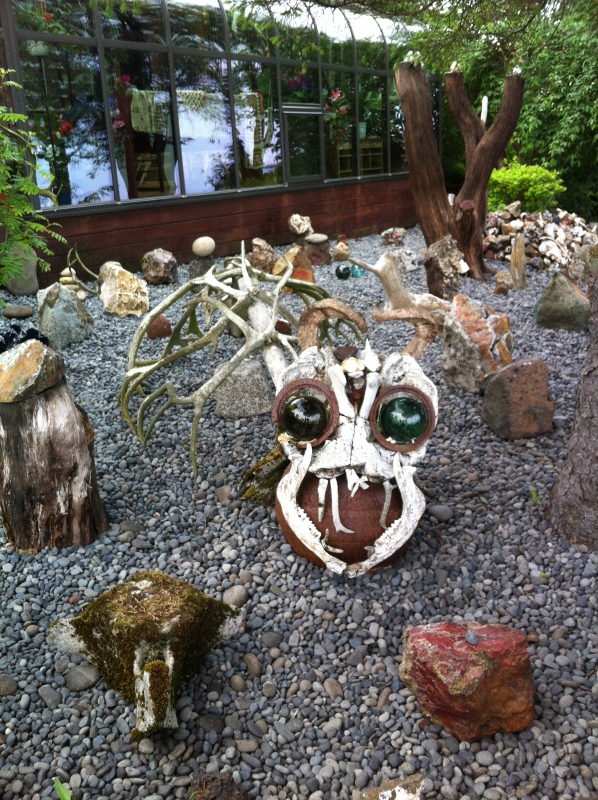
Reyðarfjörður was a more industrial town, not as beautiful as neighbouring Eskifjörður, but the Icelandic Wartime Museum (Íslenska Stríðsárasafnið) was worth visiting. Stöðvarfjörður, a little village of 190 residents, boasts the famous stone collection of Petra, a woman who collected stones all her life and has them on display all over her rock garden. There´s also a tiny little church on the hill that has apparently been deconsecrated since its now operating as a guesthouse; it only costs 5000ISK per night to sleep at God´s old home. Fáskrúðsfjörður was also a quaint little fishing town, the former residence of many French fishermen up until WWI. We went to the old French Fishermens house after closing, and though it was too late to visit the museum officially, someone had forgotten to close or lock the doors, so we politely peeked in and then shut the door properly.

Petra´s Stone Collection

Petra´s Stone Collection

Everywhere we went was sunny and warm, but in the evenings, a thick fog always fell over the fjords and hung low over the sea bays. We tented seaside by a small flowing river, so we had fresh water and also a beach to go swimming in the next day. We ran into one mink on the shore, and otherwise saw no further than a few meters in the dense fog. The cool nights were always welcomed, and the only town we got stuck in fog during the day was at Breiðdalsvík, which was also perfect since that´s where we decided to soak in the hottub and the misty clouds around us just made it all the more cosy. After a wonderful, summery roadtrip around the east fjords, Im starting to think I´ll have to go back and visit in the winter, just to see the other weather extremes, and of course, to be able to take the boat from Neskaupstaður to Mjóifjörður.


Pearls of the East: Egilstadir riding tours

Eastern Iceland is an epic place to have horse trips. There is so much open space and unchartered territory to roam with a herd of nearly a hundred horses, and you only ever see a road or fence when we’re down in the valleys between highland passes. We’ve run into reindeer on all of our 3 tours so far, and the last week has been over 20 degrees and sunny every day. Our herd is nearly 100 strong and we´ve got all sorts of new and young horses to try out. Some are crazy, some are wonderful, and some we still haven´t dared to try.

letting the herd pass

The first tour we had was a 6 day tour from Fljotsdalur down to Stafafell near Lón. On the way back, we added a few extra days and had a 9 day tour to return the herd home. It was a very special tour, not only because it was longer, but also because we had our first guest from Greenland, our first guest from Singapore, and 6 male guests. We spent 2 days riding in and out of Getihellnadalur, sleeping in tents at the end of the valley. We had one day of rain, which we cut short and took a boat trip to Papey island. We got a little lost on our way over the highland because it was white-out fog, and after circling on ourselves once because of the snow and lakes in our way, we ended up changing the way down through another valley.

swimming with horses

The regular Egilstadir tour has also changed a little, for the better as well, and after trying out the new way and a couple new accommodation places, we ended with a swimming with horses day in Sudurdalur. The next tour leaves tomorrow, and the last one ends mid August, so I’m just keeping my fingers crossed for the weather like we’ve had to stay, and for our long days to go by quicker as the threatening sunset time keeps creeping earlier and earlier each day.

The Golden Circle on Horseback

The most popular tour Ishestar offers is the Golden Circle, running 13 times this summer. I guided two in June and finally got my ass into riding form. After riding very little since last summer, the aches and pains of muscles forgotten creep back into use and my hands turn into dirty, wrinkled working hands once again. Your level of hygiene and cleanliness lowers, as you and everything you own starts smelling like horse too, and eating anything but porridge for breakfast and a sandwich for lunch turns into luxury food.

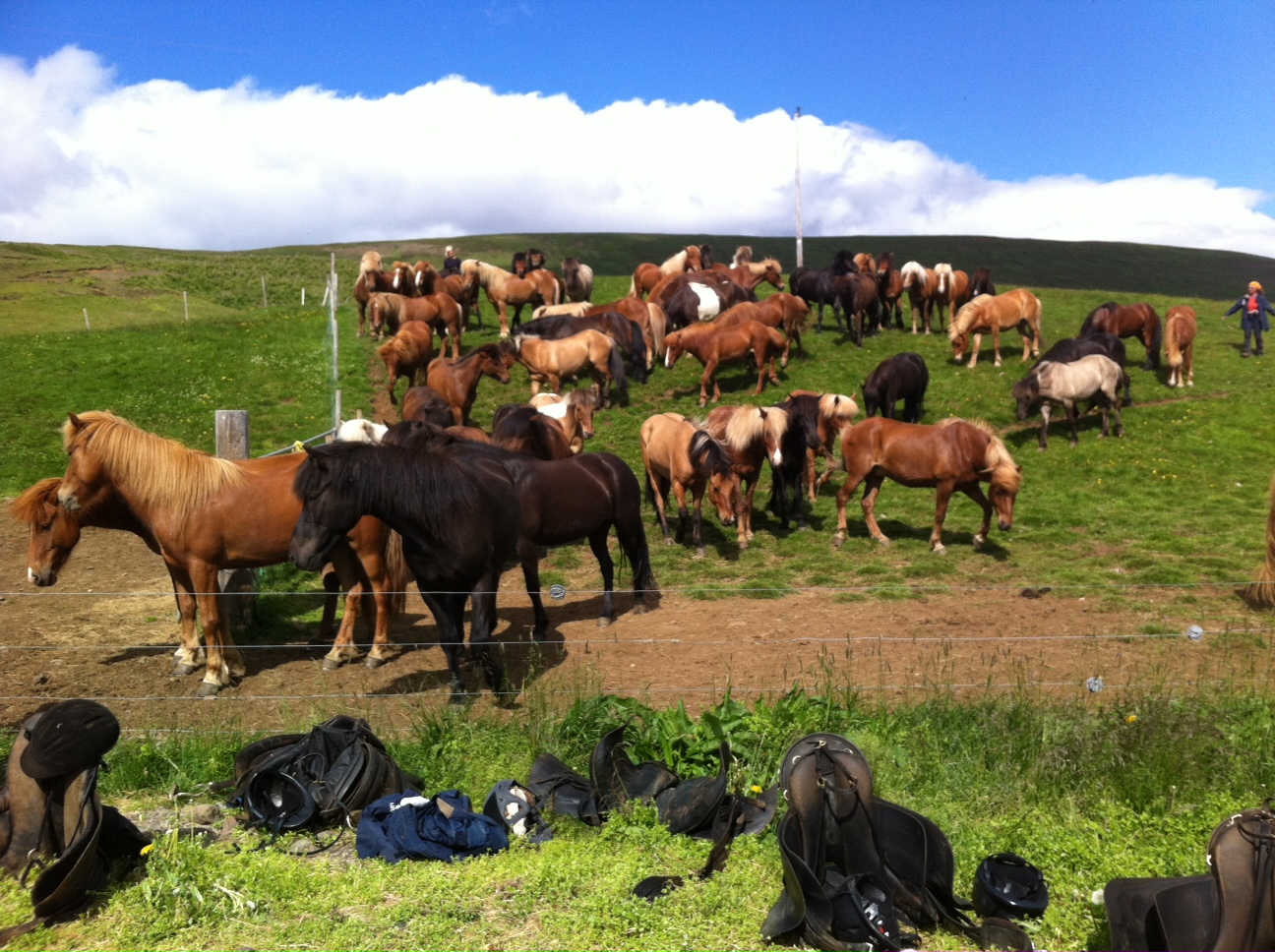
a multi-coloured horse herd

Gestur and his sons run the tour from Kálfhóll farm, and there was where I began my summers with Ishestar four years ago. They have over 60 horses, and the herd we took was 30 or 40 strong. We rode from Kálfhóll along Þjórsá river, past the green farmlands and up to Gullfoss. We stay at Geysir two nights, and cross the highlands on our last days back.

We managed to lose one staff member in the highlands on the first tour, somewhere between the herd and the guests she or we followed a different track and missed eachother. She was still looking for us when we arrived to the farm but she eventually returned. A few guests fell off, as per usual, but noone got injured. There´s always one guest who comes and knows little or nothing about horses, or simply doesn´t really like riding, but gets dragged here by a significant other. There´s the token party guest(s) who always stays up later drinking with the staff. There´s usually a guy or two, if that, and a vegetarian or pescatarian. Every group has some or mostly German riders, and we randomly had two guests that lived in Afghanistan on the same tour, so being able to speak French and Spanish rarely comes in handy, unfortunately.

the view from Denni´s farm

It has been a perfect start to my summer, and I got just the right amount of practice and transition time before moving to Fljótsdalur in the east for the rest of the summer. Now begin the Egilstaðir highland tours, with our herd of 85+ horses, sleeping in tents and mountain huts, and exploring the southeast coast on a 9 day special tour. The summer weather is supposed to be the best in Iceland in the east, and living on Denni´s farm, the last farm in the valley, is a vacation in itself – there´s barely any cell phone reception, and all you hear is the glacier river running by, a few sheeps calling and a couple dogs chasing them every once in a while.

Midsummer Night Weekend

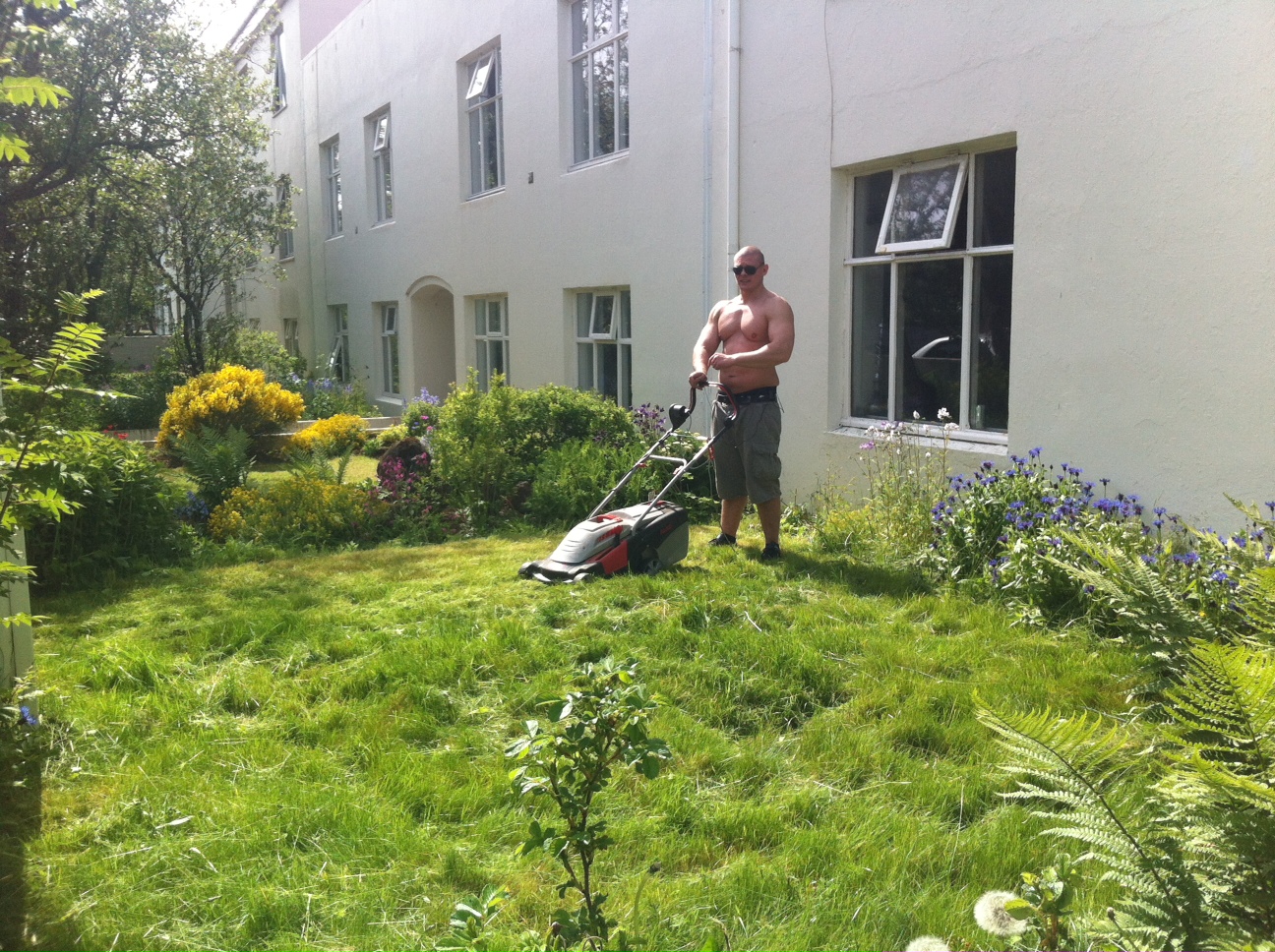
Since Friday, I’ve been moving around south, west and east Iceland, and everywhere I’ve gone, I’ve found sun… 24 hrs of sun. And warmth. Its like seeing heaven fall down on a place you’ve grown to accept is always cold and dark, since every passing winter makes you forget what summer is like. Summer in Iceland also has a smell, the smell of people barbequeing meat and grilling hot dogs in green backyards and sunny patios. The sound of summer is the roaring lawn mower, with the smell of freshly cut grass always lingering around town.

my new gardener

The midnight sun also gives a special kind of light, a more dramatic sunshine that never makes it feel like high noon, but that the sun is always on its way up. When you realize it is actually on its way down, it takes forever for shade to spill into open spaces, and eventually, just when you think it might get dark, the sun is already rising again, and you’re never really sure when the sunset turned into another sunrise.

People have superstitions for full moons and Friday the 13ths, but midsummer night in Iceland is probably the most magical, mystical night, since there really is no night. There are more people on Laugavegur at 5 am than at 5 pm, and the skantily clad partiers bare their sunkissed skin without a single goosebump. Downtown Reykjavik over midnight summer weekend is probably the only place you can get away with wearing your sunglasses at night. The midnight sun still peeks behind the low horizons, and the skies around the blazing sun turn into pale hues of pink and orange. If the temperature drops enough, a low cloud of fog sits on the dewy grass, and you can actually taste and see the air cooling as steam rises from the day-warmed lakes.

Last night I went riding with 5 others until midnight, and the dust from 80 horses in the free-running herd between us couldn’t rise above the midnight fog. The sun had just dropped behind the mountain rise above the valley, but the mountains behind us, still covered in snow, reflected the pink sunset/sunrise we couldn’t quite see anymore. After returning the horses to their field and driving home around 1:15, the subtle darkness started to lift and the pink skies had now moved around the horizon as the ever-circling sun started rising again. If only midsummer nights could last longer than a weekend…

ICOT 2013 in Limassol, Cyprus

The Cypriots claim all the best parts of Greek culture, like their raki, gyros, and Mediterranean beaches, but still have a unique Cypriot identity, with a splash of random foreign influences. They drive on the left side of the rode and use British power plugs, and the highest number of tourists come annually from Russia. My couchsurf host was a perfectly sculpted Cypriot, who ate only salad at night, and had a white shitzu terrier. She wore a pink bow on her head and always greeted your arrival by running up the stairs to eye level and offering her paw out to shake hello. I spent little time there, but instead saw the inside walls of a classroom for most of my time in Cyprus (which were very pretty walls, I must add).

me and Theo at TEPAK

ICOT is the annual International Conference on Tourism that I decided to attend last minute since I missed all things Greek. Cyprus isn’t quite Greece, but an independent tri-state country (the British, Turkish and Greek have unofficially split up the country) that I could also add to my country list. And, who am I kidding to not say I mostly wanted sun and 30`C. I also got to present my paper on ecotourism, which had a surprisingly large turnout, which was either thanks to my supervisor Dr. Nelson Graburn, or due to the fact that I was listed as a speaker from the University of Iceland in Israel. There was some confusion when the country code “IS” was expanded to Israel by the conference organizers, and people must have been curious to hear from a student at the unheard Icelandic university of Israel.

The conference included about 100 papers being presented over 2 days, minus a few no-shows, including the guy who won best paper (that award ceremony was a bit awkward). It was full of interesting characters, including the hunchback of Notre dame and a vivacious Brazilian woman who made an imovie presentation about the bikinis and beautiful people of Brazil for her talk. There was also a resident dog at the Cyprus University of Technology, who befriended everyone as if he had already known them for years.

Ironically enough, the largest problems we had were technical, with mics, computers and the internet not cooperating as they should, especially considering the fact that we were hosted by a technological institute. Other issues were the same things that come up at every international conference; the native English speakers spoke too fast, the non-native speakers of English couldn’t understand the accents of other non-native speakers, the South African’s always kind of sounded like they were speaking Afrikaans, and the North Americans couldn’t understand anyone except for other North Americans. This resulted in a lot of English to English translations and a few total misunderstandings lost in translation.

The clash of international cultures was more apparent, with different levels of classroom manners pushing the tolerance of each and every speaker. There were those who found it acceptable to talk amongst eachother, walk in and out of the middle of presentations, and the Cypriot photographers who were always switching lights and shutting doors in order to get the best photo of the nerve-wracked speaker. The Greek speakers were always the loudest, since they couldn’t whisper or exercise their inside voices. They even managed to walk louder than everyone else, their footsteps in the hallway heard from every classroom. But, their warm, friendliness never allowed you to lose your patience with them… so you just had to carry on and talk over them.

There were also those speakers whose last names you knew from referencing in your own work, and putting a face to those papers was always a pleasant surprise. The free time between lectures included lunch and coffee breaks, where all the presenters mingled among themselves. The superficial conversations always went the same, “Where are you from? What do you study?” Once you got past that, you were sized up as worthy of more conversation or not, and each and every academic had this natural inclination to compete with eachother in confidence and knowledge of what they do. The presentations were all strictly limited to 15 minutes, so it was always a race against time to show and prove as much as you could during your talk.

The conference had its funny quirks, but in the end, an international conference like this is always the perfect chance for academics to meet and mingle with people from all over the world, inspiring eachother to think about tourism in other ways and other places. But, despite our different backgrounds and various histories, it was wonderful to see how much we all had in common in the end, sharing our interests in tourism while being tourists ourselves in Cyprus.

Cruising with the Crystal Symphony

The Crystal Symphony is only one of 2 cruise ships that Crystal Cruises owns, and at 6 stars, its supposed to be the most luxurious cruising experience available today. Everyone that sails for 7 or more days on one cruise automatically becomes part of the ‘Crystal Society,’ but there are milestone levels (5, 25, 100, etc) which entitle you to certain privileges and free cruises. Even though the company has only been sailing since 1988, there are guests who have sailed on over 200 voyages. On our voyage, there was a 98 year old woman who had been on some 98 cruises, and another woman who had been on 189 cruises. There was a couple who had boarded the ship the cruise before, and were going to stay on for 5 trips in a row. There was another woman who had moved into one of the penthouse suites, and was going to be a permanent resident of the ship for an entire year.

the Crystal Symphony in port

Naturally, the level of class and wealth was more than a stones throw away from what I normally pass for, so I had to answer a few funny questions and explain what I was doing there and why I didn’t look Icelandic. Most conversations started with who’s who and from where, but some were quite secretive. My favourite answer from a German gentleman was “I’m super famous but you’ve never heard of me.” Others belittled themselves, “Oh it doesnt matter, I was just invited to come here so I did but I really shouldn’t be” and others tried their best to look and act as important as possible, though noone ever really figured out their story.

The cruise is all inclusive, and employs around 450 staff and has a guest capacity of some 950, so the employee to passenger ratio is nearly 1-2. On our particular cruise, a 12 day trans-Atlantic from New York to Reykjavik, the ship was only half full, so we enjoyed a 1-1 staff to guest ration, easily making the voyage one of the most hospitable, comfortable ways you could imagine a cruise ship to be.

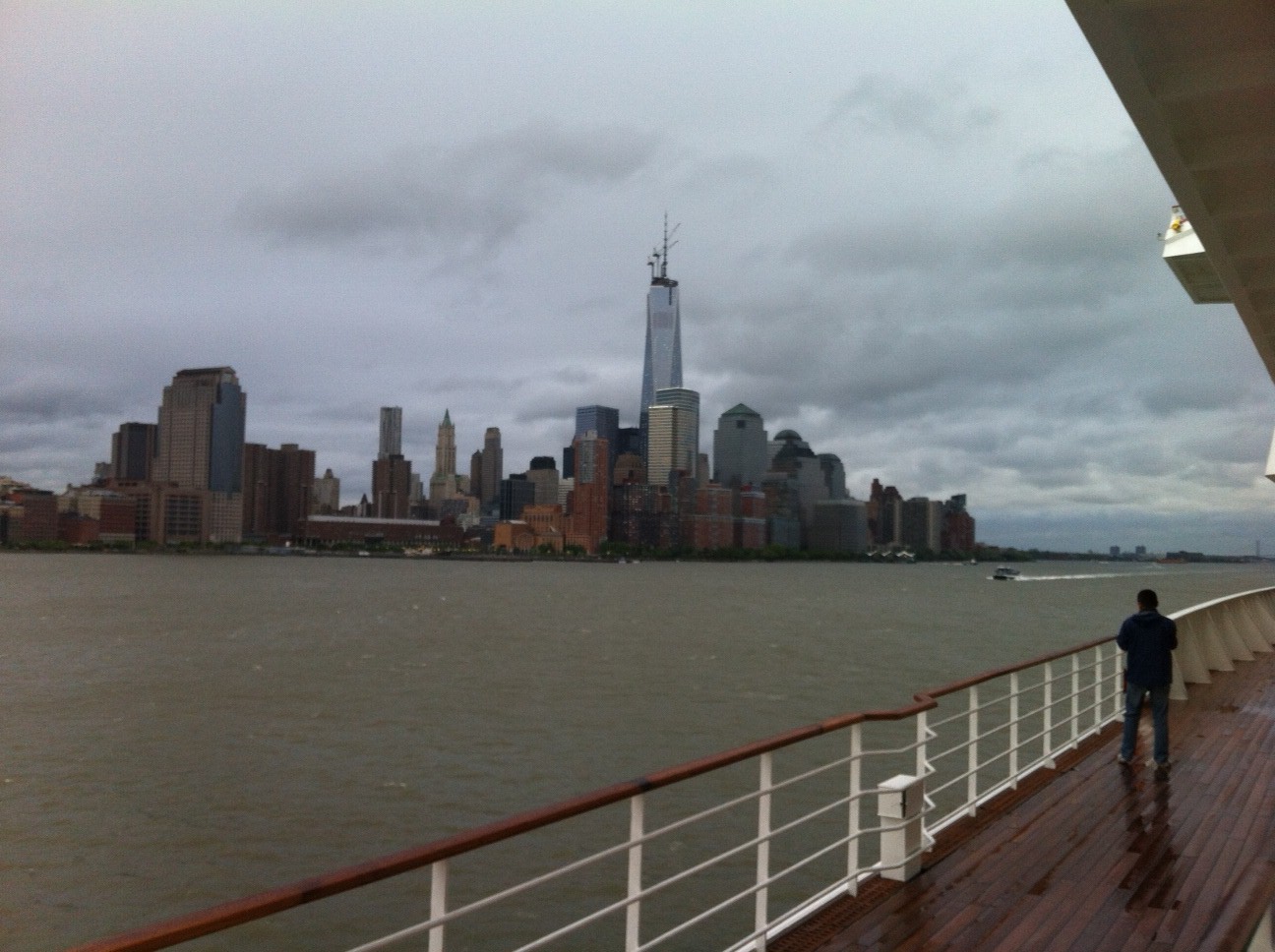
leaving downtown Manhattan, past the financial district

There were only 4 Icelanders on board, two tourism professionals, a guest chef, and a geologist who was our volcano specialist and destination lecturer. We were constantly stopped and asked a thousand questions about Iceland, the most common being about the Blue Lagoon, and everything else as random as ‘can I buy protein shakes in Reykjavik?’ People wanted lists of what to do and what to see, and recommendations where to eat and party. The guest chef, ‘Icelandic Food Expert’ Thrainn from Kolabrautin, was asked for photos as if he was a famous celebrity, but he became quite favourable with the staff when he kept giving out samples of Icelandic food and drink and insisted on helping in the kitchen even though he was only supposed to show up and teach others how to prepare his food.

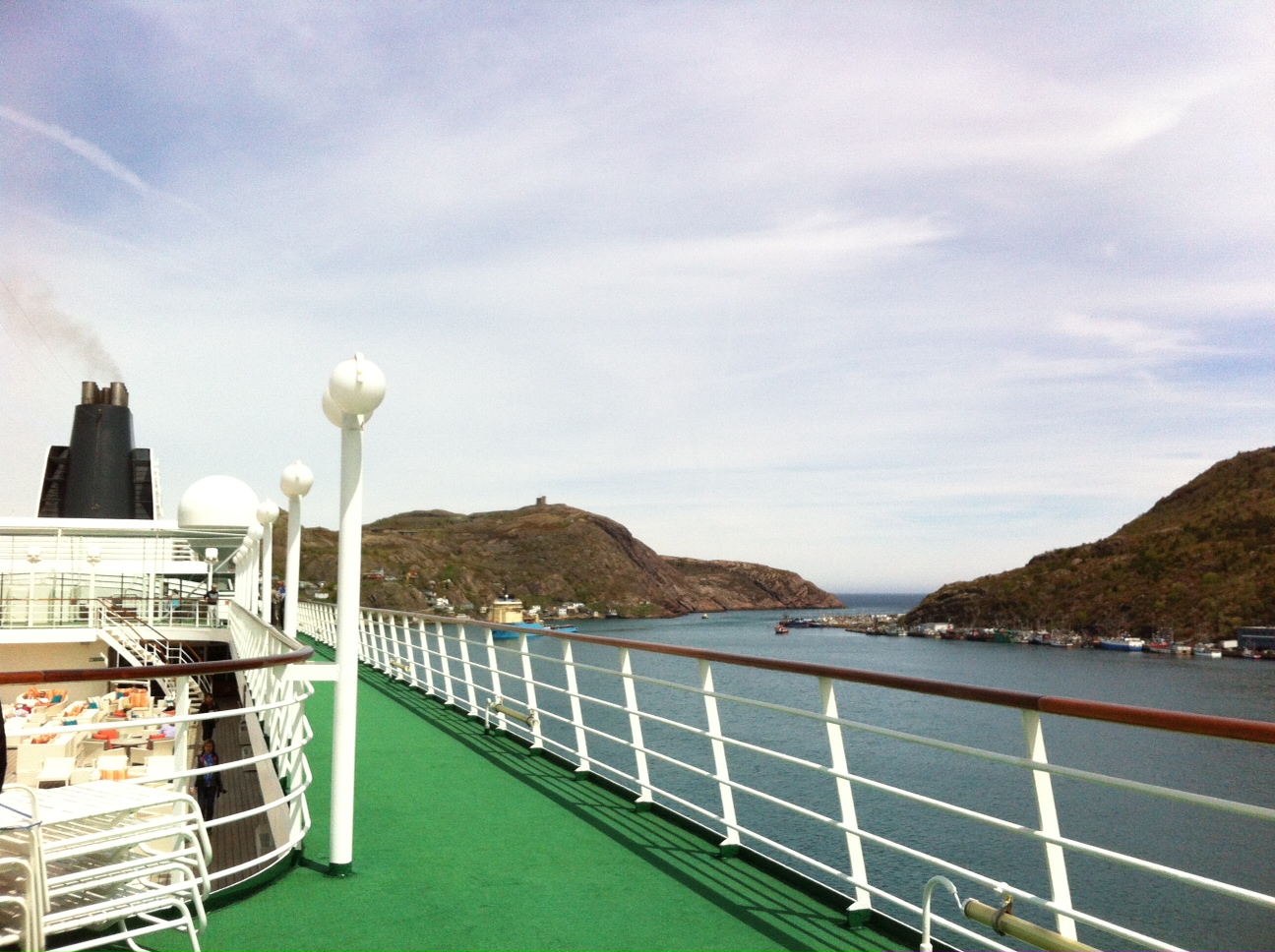
leaving the narrow harbour of St. John’s, New Foundland

After the final crossing, from New Foundland to Iceland, even the cozy comforts and all inclusive luxury wasn’t enough to keep me from getting cabin feverish. The ship got smaller and smaller and by the end of it, you couldn’t turn a corner without running into somebody you knew, but somehow, I left with new friends I would have never though I’d make, who probably think more of me as a pseudo-daughter than a friend, but nevertheless, I’ll be sure to visit them soon…