Bavarian Heaven

Bavaria is the kind of place Disneyland should dedicate a theme park to. It would be located somewhere between Frontierland and Toontown, since it has this rugged countryfeel mixed with a colourful fantasy world. People would drink beer out of mugs and the carnival rides would be the same as at Oktoberfest. It would look like a typical Bavarian village, full of big wooden cottages with baskets of flowers hanging from every window, and all the staff in the park would wear dirndls and ledehosen. And maybe they could even speak with cute German accents.

Sandra and her Icelandic horses, with a Bavarian cottage behind her

I arrived in Berlin before taking a train to Munich, and Berlin could never be a part of Bavaria. It has a big-city, modern feel to it, with skyscrapers overshadowing its cobblestoned streets. Its huge, sprawled out with 3 and a half million people and there are 2 or 3 city centers, main train stations and airports (although one is now a huge green space). Munich, the capital of Bavaria, is only 1.3 million, with a pedestrian friendly city centre, full of old, closely-built buildings and churches. In Berlin, my idea of cosy was taking a touristy boat through the canals, and to live like a local meant I ate kebabs and smoked shisha in the Neukölln district. In Munich, I picnicked in Englischer garten, a beautiful park in the centre of town, and stayed in two different Bavarian villages with friends who gave me horses to ride, home made dumpling soup to eat, and swam in lakes with a view of the Alps.
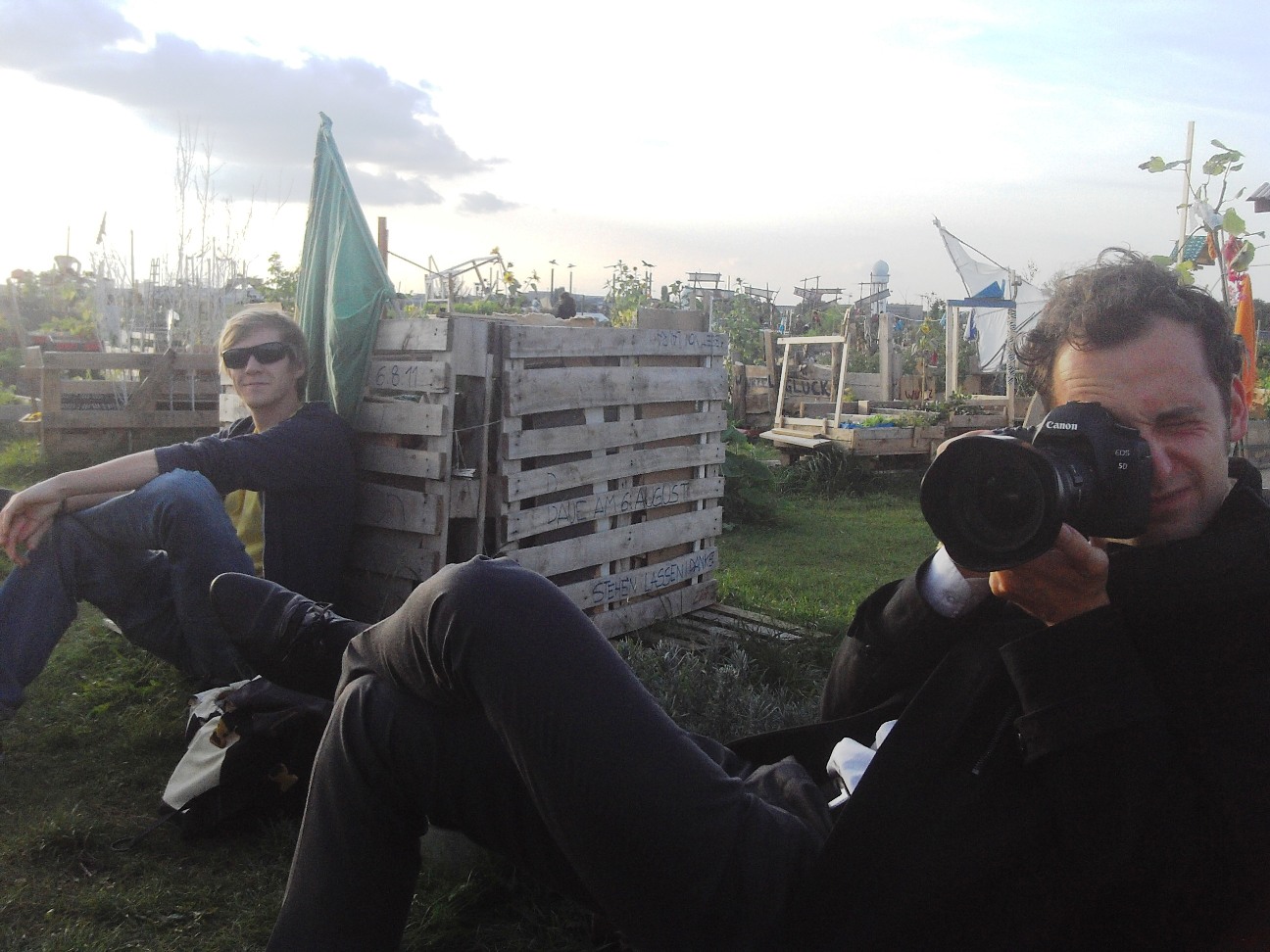
the journalist and the photographer at Tempelhof

But don’t get me wrong, I loved Berlin. Nowhere else in Western Europe is it as cheap to eat and live, and the slogan “poor but sexy” rings so true. I was there for 3 days for an atypical interview. A friend of mine there is a journalist and he was covering my story, but that only took an hour or two, plus a short photo shoot in the abandoned Tempelhof airport, and the rest of the time we watched the Berlin Philharmonic orchestra, patio-furniture shopped, and drank beer and wine on his balcony with the fruits of our shopping trip.


these rolling green hills in Olympia park are made of WWII rubble

I took a train to Munich, and the idea of German efficiency was proven time and time again by every long distance train or local U-bahn arriving on schedule down to the exact second. I would watch the minute hand click the same moment the train came to a hault, and I decided to synchronize all my clocks to theirs. I couchsurfed with Phil, a friend of the journalists, in Munich city, who took me on a tour of Olympia park – another huge green space in the city.
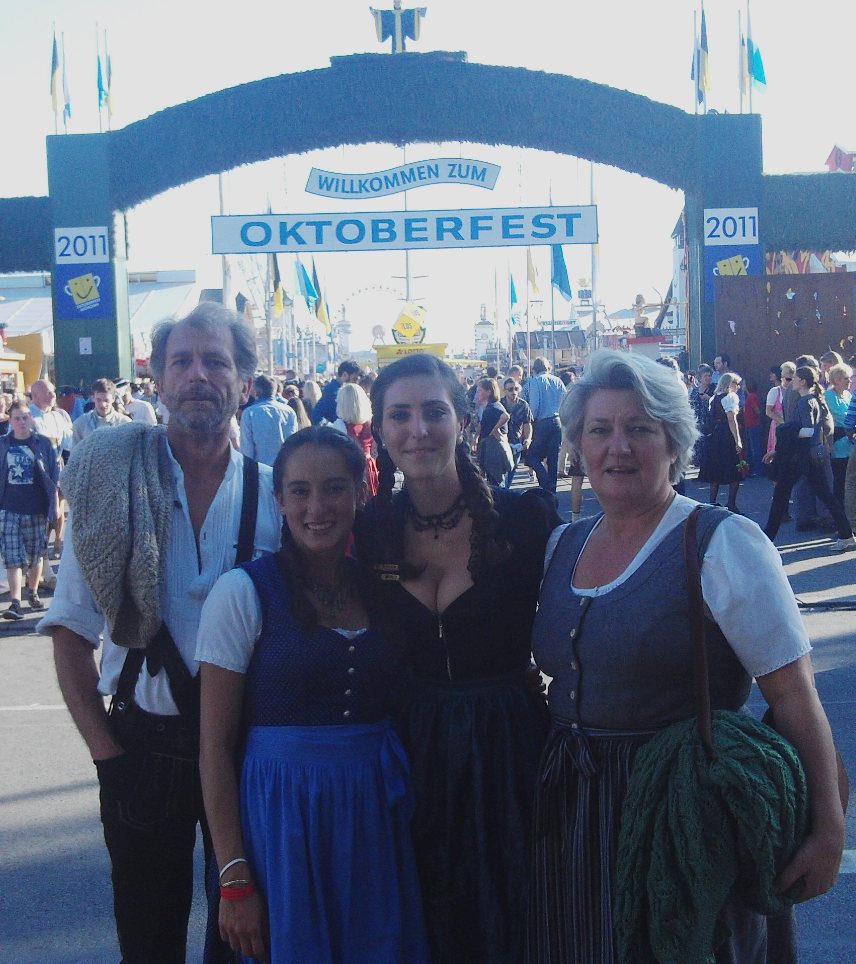
my Bavarian family at Oktoberfest

I went to Oktoberfest with Phil and his friends a couple nights and dressed as a boy in an extra pair of his lederhosen. The other nights I was at Oktoberfest with another couchsurfing friend named Kerstin and her entire family, and I stayed in her family’s Bavarian paradise home in Feldafing, close to Sternberger See. On our only day off from Oktoberfest, we went to Andechs, an ancient hill-top monastery that brews amazing beer.

Andechs monastery

I spent my last days in Bavaria with a friend I met in Iceland on one of the horse trips, Sandra, who took me riding on her Icelandic horses near Augsburg. Though it was Oktober, we rode in 25 degree sunshine, to a beer garden only reachable by horse or foot. We had even more beer there for lunch, and now that I’ve escaped to Austria, I’ve started my beer detox since I’ve never imagined that one could drink so much beer in one week.


The ABC's of Oktoberfest

Activities, Action and Alcohol:


a ride more entertaining to watch than try

Oktoberfest is a party designed for millions of people to come and drink beer, but its also a family-friendly festival full of things to do and see. There are carousels and pony rides for the youngens, and some extreme thrill-fulfilling rides for the more mature or drunk. There are shooting games and bells to hammer to win cheesy prizes like colourful plastic roses. There’s the ‘old’ part of Oktoberfest, a small section of the festival where they’ve tried to recreate Oktoberfest as it was in the good old days – smaller roller coasters, cheaper rides, and calmer beer gardens with bigger bands and a place to dance. There are competitions, one of the most famous being the Miss Bavaria contest: Miss Bavaria is a woman who can roll the best dumplings, clean a carpet with an old style wacker, and hold a liter of beer and head of cabbage up in the air for longest. There’s always live music, where only songs that the crowd can sing along with are played, and once a night 6 men arrive with whips they snap in beat with the band. At the end of the night, a male strip tease happens at the Braurosl tent, Im not sure about the others. All the sexy action between Oktoberfest lovers happens behind the festival on this one stretch of green hill where others also take time to nap, pee, or vomit.


a full tent with the band playing

Beer, Beer, Beer: Oktoberfest centers around 14 beer tents, which are more like warehouses each full of 10,000 people drinking mugs of beer. The mugs

Hacker beer

are made of glass or stone and only come in 1L size, and all cost 10 euros after tip. Tipping gets expensive after a while since the beers only cost about 8.75 and the beers are never full, but that’s part of the deal. Most of the tents are

run by a different brewery, so each tent only serves one type of beer. And you cant buy wine or schnapps, its just all about the beer. Bavarian beer, of course. But it is kosher to mix your beer with carbonated lemonade, and if you blend it half half its called a radler. And Boobs are also important, but Ill get to that at “D.”

Cookies, Chickens and Cuisine:


peanuts, pretzels and a cookie

Heart-shaped cookies with messages like “Greetings from Oktoberfest” or “I Love you” come in a variety of sizes, and are worn as necklaces to enhance the Bavarian costumes everyone wears. In the tents, you can order food from a small menu, and almost everyone at Oktoberfest ends up eating rotisserie chickenwhich is half a greasy chicken served on a plate. Pretzels and sausages are everywhere, in all different shapes and sizes. It isn’t exactly fine dining cuisine, but its everything you need after 3L of beer! Oh, and clothes pins. Everyone needs their name etched on a clothes pin. And then there’s the clothes…


die dirndls... Kerstin had a better pushup

Die Dirndl und die Lederhosen: The men wear leather shorts, held up with leather suspenders. They wear a white or checkered shirt underneath, knee-high white socks, and suede shoes. Some enhance with a hat, or a felt overcoat, and sometimes the leather suspenders has a badge on their chest with fancy embroidery, spelling out their family name or home town. The women wear a dirndl, a traditional dress with an apron tied on top and a fluffy-shoulder white blouse and 1 – 3 bras underneath.The push up bra is a very important part of the outfit, and you almost always need more than one to get the appropriate amount of cleavage sticking out of your dirndl, which also needs to be uncomfortable tight around your chest to help the cause. Some women wear crazy heels, but its better to wear flats that you can last in all day and keep your balance while dancing on the benches and tables everyone ends up standing on by the end of the night.


The Sheep round up in Eastern Iceland

I went directly from Holardalur to Fljotsdalur to chase more sheep. The round up area in the east is probably ten times bigger than the valley in Skagafirdi, and we were looking for a couple thousand sheep over a 3 day mountain ride.

Hallgrimur riding with 3 hand horses

We started in Skridaklaustur, the same farm where all the horse trips start from, and rode up from the valley into the mountains. We were about ten riders, each riding one horse and holding 1 or 2 extra, and I learned very quickly its quite difficult to ride with 3 horses over the swamped ground and crossing ditches and rivers. Some other riders started from deeper in the valley and another from the other side of the mountain in Jokuldalur, and we rode all day alone looking for sheep and chasing them towards the mountain hut where we’d all meet.

After a 14 hour day, we somehow did all make it to the hut, with all our horses and the tired sheep. For dinner we had lamb soup, a welcoming meal after eating dried fish and drinking vodka all day.

On the second day, most of the sheep had crossed the river that leads us down the other side of the mountain into Jokuldalur. We had the river on the right side and a mountain on the left side of us to help funnel all the sheep together into a massive, crying herd of white fluffy mass. Some sheep that didnt get the memo stayed on the wrong side of the river, and one farmer on a 4×4 had to spend the whole day chasing 5 or 6 sheep down the harder way.

the stupid gill I had to climb

Lucky me spotted 3 sheep standing in the middle of the river gorge on a huge piece of broken-off cliff, so I took a nice long hike straight down to the bottom of the gorge, and literally crawled on my hands and feet up the loose-gravel cliff. I took with me Tyra, a 6 month old border collie puppy who probably did more harm than good. She kept fighting me over foot space on the narrow sheep track we were following down, and would stop dead in her tracks if the leash got tangled between her legs. If I took her off the leash, she would stop, stare and cry at me. I certainly couldnt carry her as I had to keep grabbing at the ground with my hands for balance. When we finally got close enough to the sheep to see them and try to yell at them, they just ran further up the cliff, and it was me who had to go fetch them. It was times like this when I wished my eye sight was a little worse, so that I wouldn’t have spotted them and noone would have known these three stubborn sheep weren’t in the right place.

One day I spotted two sheep as far as my eyes could see and started riding nearly 5 km over the flat marshy ground towards them. When I got closer, half an hour later, I realized it was 2 swans and made a mental note to self: not all white things are sheep.

At the end of the second day, the sheep arrived in Klaustursel, a famous farm in Jokuldalur that has a petting zoo complete with reindeer and foxes. We had a traditional Icelandic christmas meal – smoked lamb leg and creamy potato stew, and drank even more vodka and beer. We sorted out which sheep belonged to that valley that night and the next morning, and the rest of the sheep had to be ridden back over the mountain to Fljotsdalur where we started.

funeling the sheep to Klaustursel

The last day was less lonely, since we rode in a massive herd together – 1000 sheep, 10 riders and 20 horses, but moved quite slowly. We lost one and two sheep here and there, those too sick or old to keep up. It was always a difficult decision to make, when to stop chasing them, pass them by and just say goodbye.

riding the sheep from Jokuldalur to Fljotsdalur

My hand horse on the last day was a young, newly trained horse called Freyr that nearly managed to kill two of us on the trip. The first day he threw one of the riders off, Lilja, and she had three massive, blue/black bruises on her back and ass. After this, he galloped off and went missing for an hour until me and Hallgrimur found him in the middle of nowhere. Then, of course, Hallgrimur (the farmed from Skridaklaustur, who owns most of the horses from the horse trips) decided I should ride him the rest of the trip, since Hallgrimur has a weird way of showing his affection to me by giving me crazy horses. Freyr was always getting tangled up with the second horse I was riding or holding, and he doesnt know how to stand still but he’s very good at rearing up. He tried to rip 3 of my fingers off at one point and managed to tear a chunk of my index finger and sprain my ring finger by tangling my hand up in his reins as he reared away from me, the entire weight of his body pulling on my right hand for a good 2 seconds! Hallgrimur thought it was funny, laughed, and cleaned my bloody hand with some vodka before bandaging it up with electricity tape.

The final sorting happened on Saturday, at Skridaklaustur farm in an old stone-walled round corral. It was the busiest I have ever seen the valley, with cars and people crowded everywhere, and even when it started pouring rain, all the farmers and their kids and very extended families kept on sorting sheep.

sorting sheep in rainclothes at Skridaklaustur

The drowning “baaaah” rang in my ears days after the sorting was finished, and I’ve still got black and blue bruises on my legs from all those gnarly sheep horns. Its hard to believe that now, one week later, the smell of horse and sheep is completely gone, and even the dirt on my fingernails has completely disappeared. Its hard to convince people I really was manhandling sheep in eastern Iceland one week ago, as I sit in the sun in Munich mentally preparing for yet another Oktoberfest night, so Im glad I still have the bruises as proof.

What do I do?

I dislike the question “What do you do?” very much since I don’t really have an answer. Well, I have the long-winded response, since I like to do a lot and only for short periods of time. But I don’t really do any one thing, in the way people expect you to answer with a professional title or a job description. I get slightly hung up on customs forms every time I have to fill one out when entering a country, since the question “Occupation:” only has one line for you to answer. I kept writing “student” many months after I graduated, but realized I had to stop doing that now that I have no university to call home. Writing “unemployed” always got me into trouble, since the customs agents would drill me for an answer on how I funded all this travel, with pages of passport stamps working against me to prove I’m actually quite broke. It took me a while to embrace the “writer” identity, since being a writer by profession usually means you can make a living out of it, and my blog certainly doesn’t pay all my travel bills. But, it’s been working a bit better for me lately as I’ve realized most travel writers are also just starving writers writing for the sake of writing, traveling with money made from other side jobs.

My “side” job is at a Radisson Hotel in Reykjavik, working in the food and beverage department for a reasonable hourly wage. I enjoy doing this, since I meet a lot of tourists, and also get to work with food and drinks – two of my most favourite indulgences. The horse-rider identity hasn’t really been a profession until recently, since I’m now getting paid to do some types of riding and that just seems completely ridiculous to me – getting paid to ride has to be every horse person’s dream job! Horse back riding is like therapy for me, I would pay to do it, but instead the system is working in my favour. There is actually a lot of work to be done, both in tourism and farming, where riders get rewarded for this incredibly fun hobby which happens to also be a valuable skill.

The question “What do you do?” is too presumptuous, since it assumes you do something for work. Why can’t life be all play and no work? I try and avoid doing anything displeasurable, especially for work, since selling time for money never seemed to make sense, no matter how much money it is. I’d rather sell skills or knowledge, something valuable that I’ve paid to get. I’ve spent a lot of time, money and energy going to school, but not because I want to work in the field I studied, but simply for the sake of education itself. I finished my master’s a year ago and haven’t applied for a job yet, and the thought crossed my mind that I’m eligible for unemployment benefits, but only because the socialistic system in Iceland is too skewed for catering to lazy people. Getting a master’s in environmental science/tourism was just a silly mistake in the first place if I was looking for a job in tourism that required a graduate degree. Maybe one day all this over-education and travel can surmount to me being some sort of life-style advisor, teaching people how to work less, play more and learn unconventionally. I think this is a bit far-fetched, but there are actually people whose ‘professions’ are ‘life-coach’ – sounds almost as weird as ‘horse-rider.’

So, so far I’ve kind of established I’m an unemployed, writing, riding Master of Tourism, but I’m mostly just a traveling, nomadic, cosmopolitan. Sometimes I feel that I’m a fulltime friend, since my social life seems to take up all my time, and most of my travel revolves around visiting people scattered about from all sorts of different places. I’m also a dancer, a musician, an artist, a retired (or fired, rather) actress/model, and a philosopher by way of education (my BA). These identities transition in and out of my life as the years pass, and sometimes I try to reinvent them with slight morphosis. I’ve been a pianist for many years, studying and competing as one, but the life of a concert pianist didn’t appeal to me as much as learning the guitar for a while, and most recently, the violin (which I’ve yet to learn anything more than Twinkle Twinkle Little Star). Currently, Im transitioning from my ‘hestakona’ (horsewoman) identity back to backpacker, and to ease through the stage I’m experiencing what’s called the ‘post-ironic Fleetwood Mac appreciation stage.’ This is something my hunter friends have identified as the uncontrollable tendency to listen to the Fleetwood Mac Rumors cd over and over and over without getting sick of it.

So, if I do nothing, similar to those customs agents, you may still be wondering how I afford to finance my travels. The trick is just to travel for long periods of time in places where the cost of living is cheaper. Then you’ll sympathize with me how expensive it is to to stay in Iceland or Canada, since life just costs too much. Then, the question should be, how can I afford not to travel!?

Chasing Sheep in Skagafjörður

After the touristy summer season ends in Iceland, the farmers have start to prepare for the long winter ahead. The biggest task is probably the sheep round-ups, when all the sheep in Iceland have to be brought down from the mountains back to the farms where they belong. They’ve been left to roam freely during the long days and good weather, turning grass into meat, growing bigger and stronger. In the highlands and mountainous fjords there are no fences, so the sheep graze themselves over huge areas, as far as the highest cliff will allow. Each farm, valley or peninsula picks a day or two in mid September to go and round them up, combing these vast areas by foot or horseback.

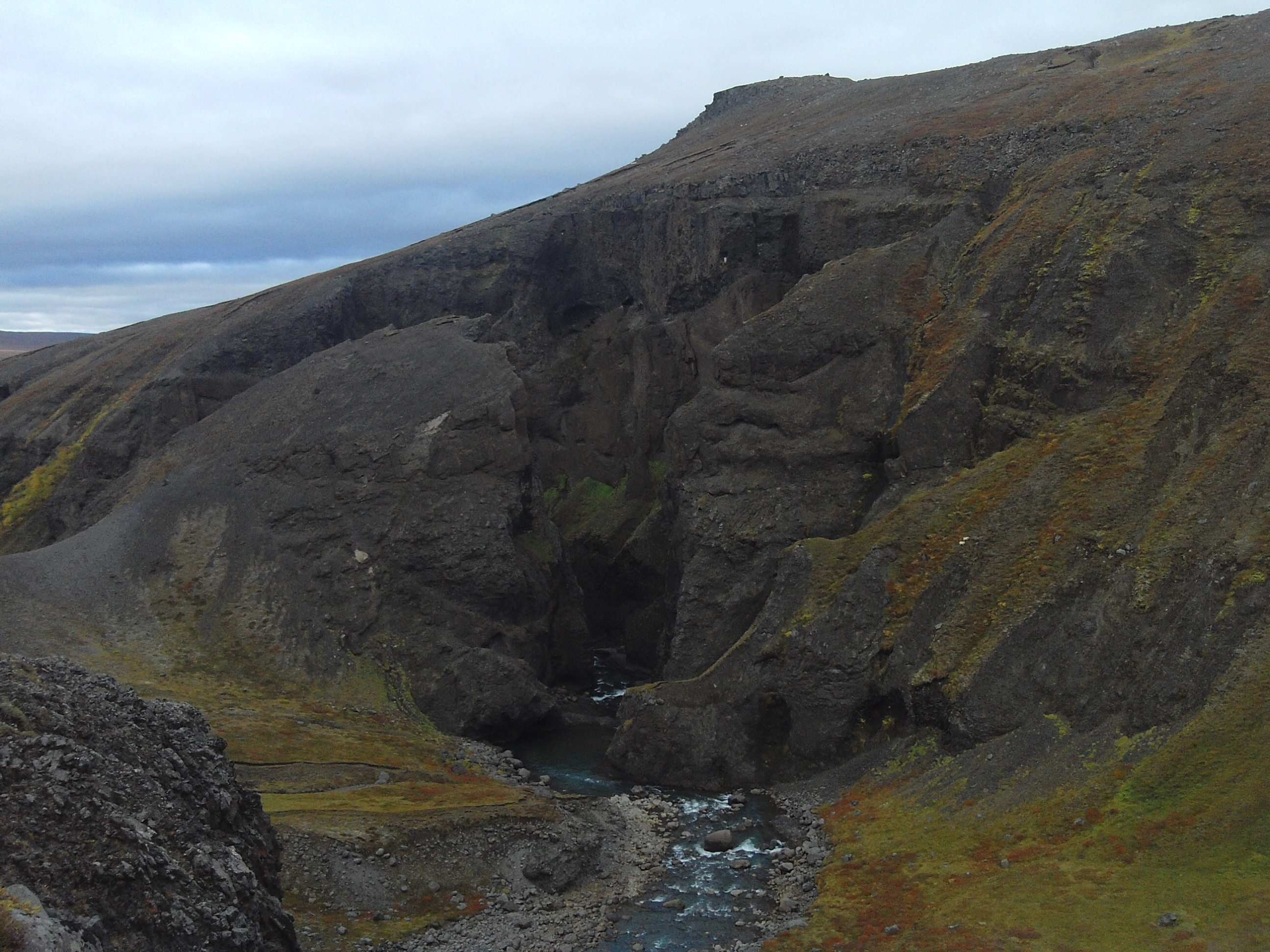
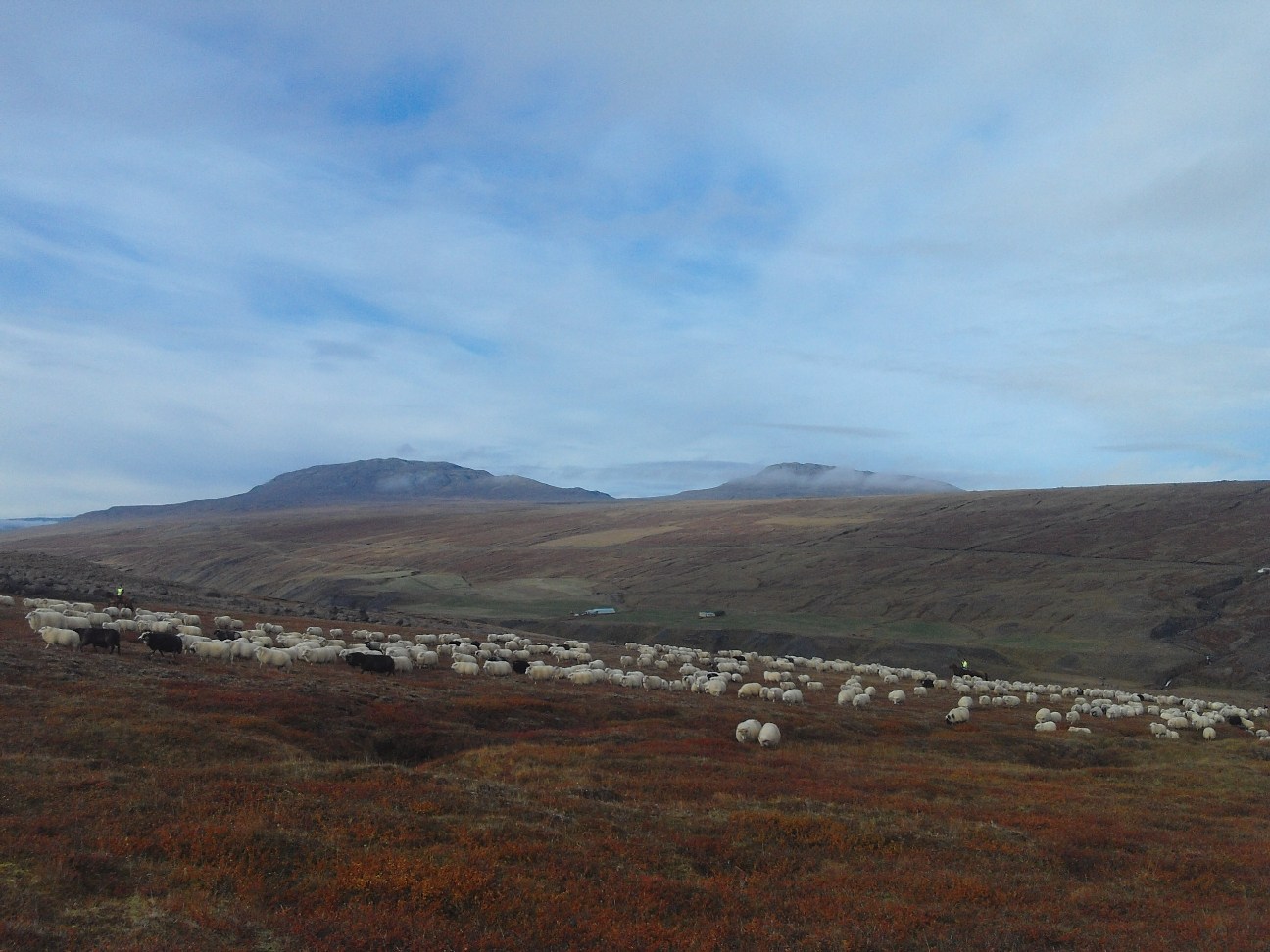
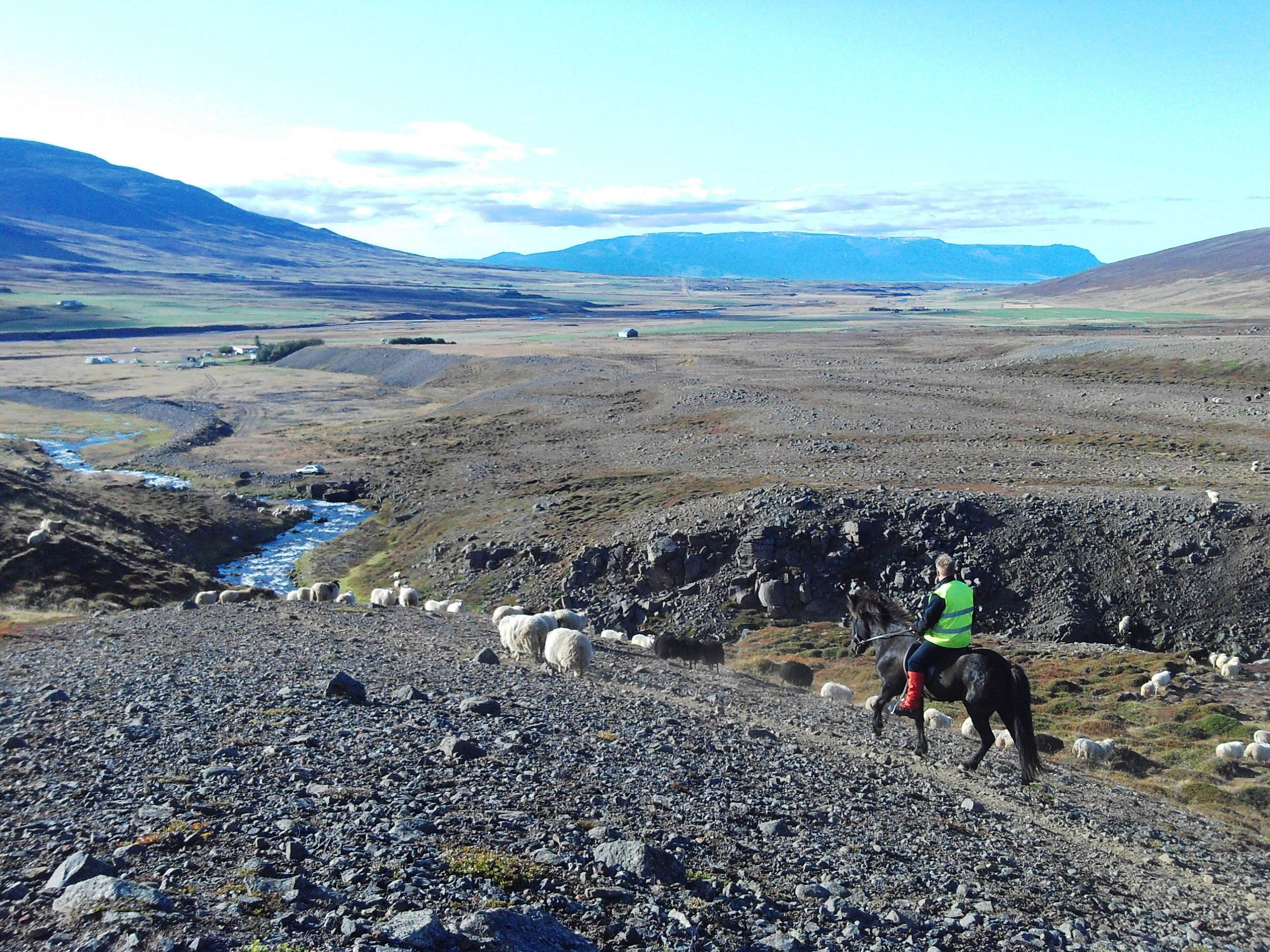
chasing the sheep down Hólardalur

Working with horses all summer has made me some horsey friends, and that plus traveling a lot in the countryside has allowed me to meet farmers from all around Iceland, so I managed to sneak my way into a couple sheep round ups. It’s a tricky thing to get into, and Ishestar even sells a sheep-round up tour for the tourists who want to experience one of Iceland’s most authentic events. The first for me was this weekend in Skagafjörður, a bay in northern Iceland that boasts amazing scenery and most of Iceland´s best horses. I was staying with Gunnar from Víðines, the farm beside Hólar, Iceland´s only horse university. I would ride again with Denni, my horse boss from the east, since his girlfriend Arna works at Hólar and is a good friend of Gunnars.

riding into the sunrise

There were about 15 riders of all ages, all farmers or children of farmers from the area, or students from Hólar, doing this sheep round-up. We started at the crack of dawn on Saturday, getting up before the sun and riding into the sunrise to the end of the valley. The valley has two names, since a river splits if in half, and 6 of us were responsible for the southern half, Hólardalur.  Once we got to the end of it, blockaded by some big snow mountains, we started riding back out in a line formation, yelling at any sheep we passed along the way to head on out. I rode one of Arna´s horses, and held another horse for the poor guy that had to walk to the top of the cliff and clumber along the rocky tops yelling at sheep to go down.

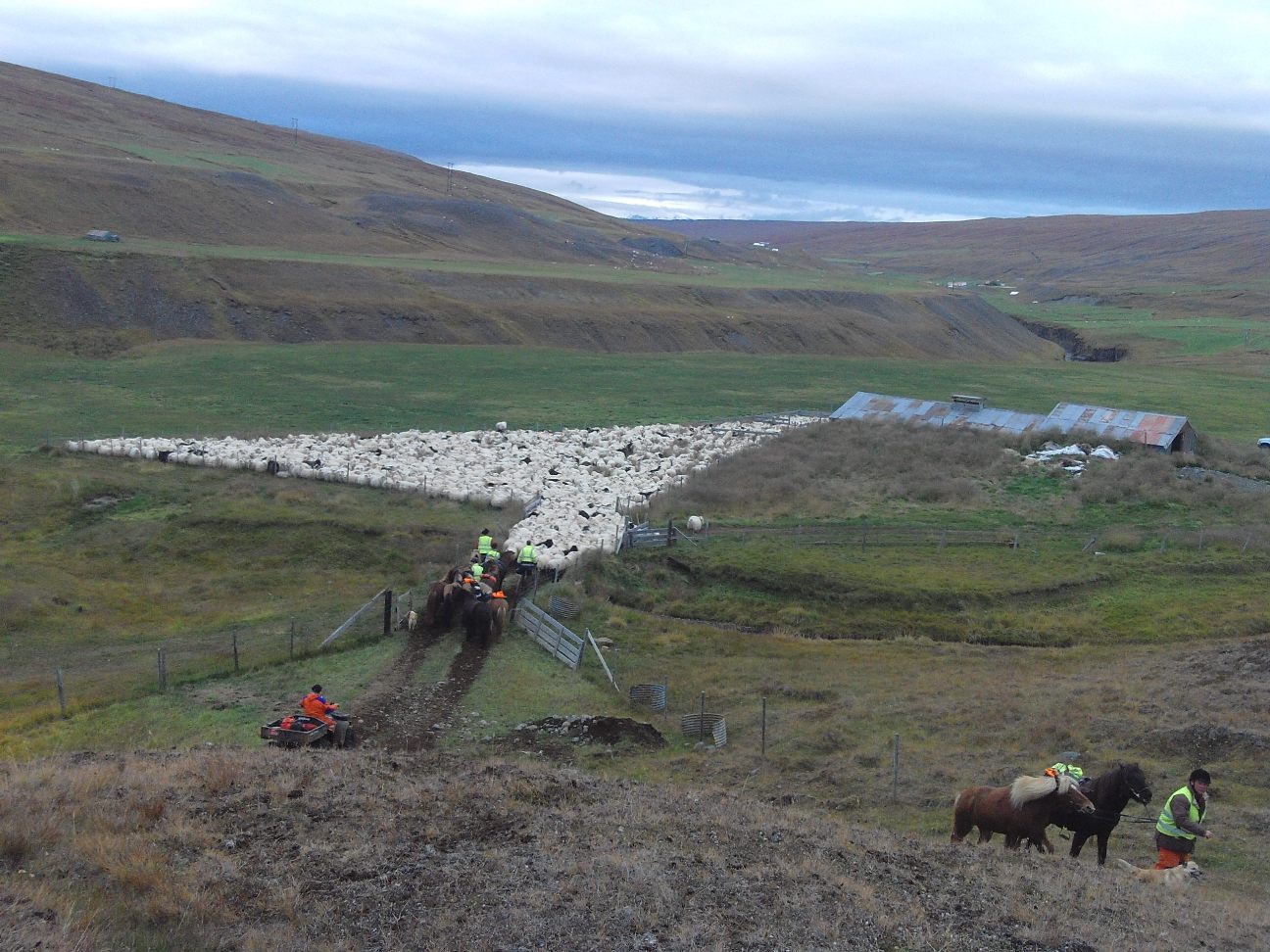
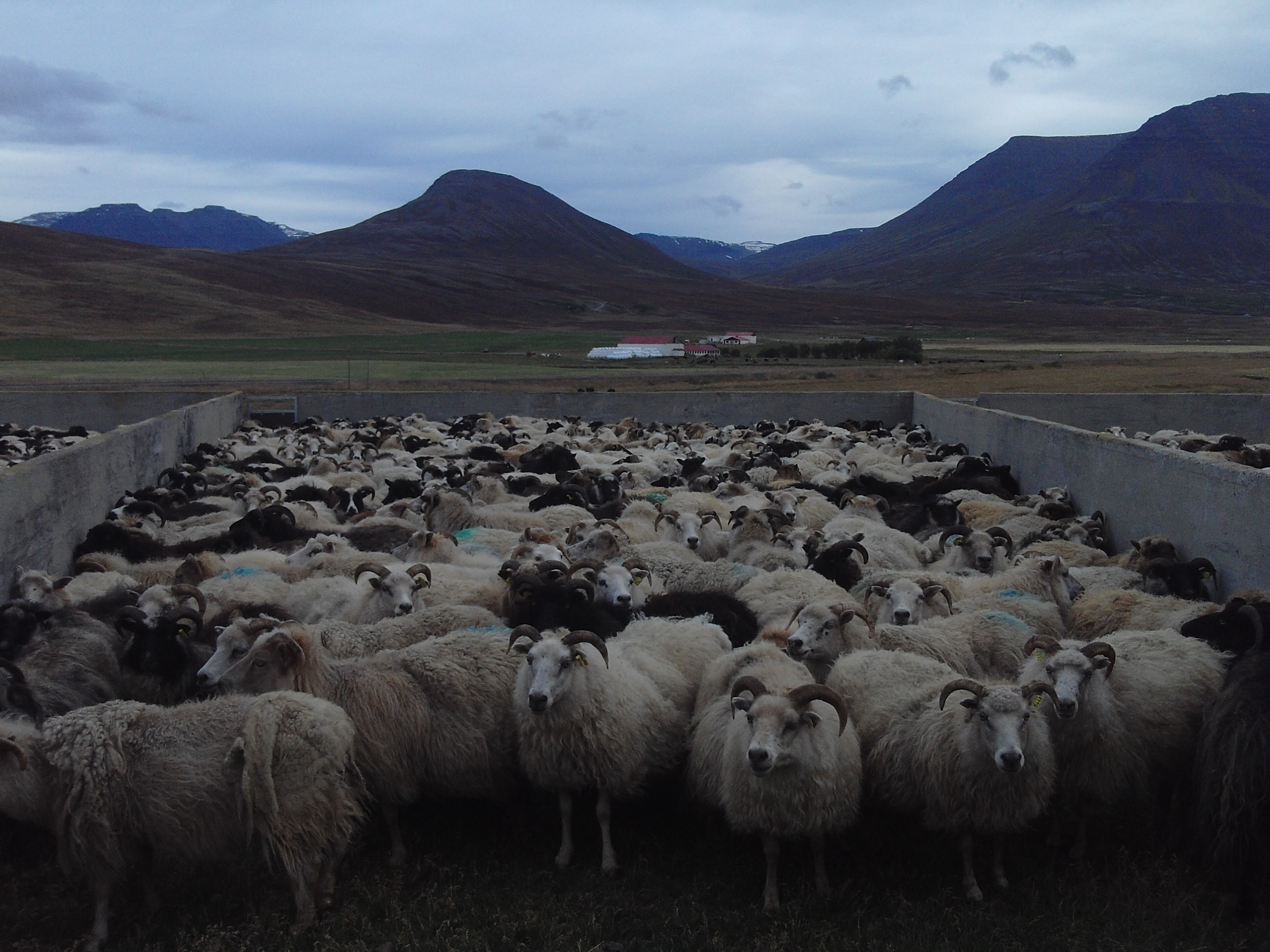
It took about 6 hours clear the whole valley of sheep, and then drive the couple hundred of them over a small river where some managed to get away and run back into the valley. The northern part of the valley brought their sheep down a couple hours later, and then all 5 or 6 hundred sheep were escorted along the main road to the sorting corral, closing the highway to any traffic faster than 5km/h.

a kid peers into the fluffy white abyss

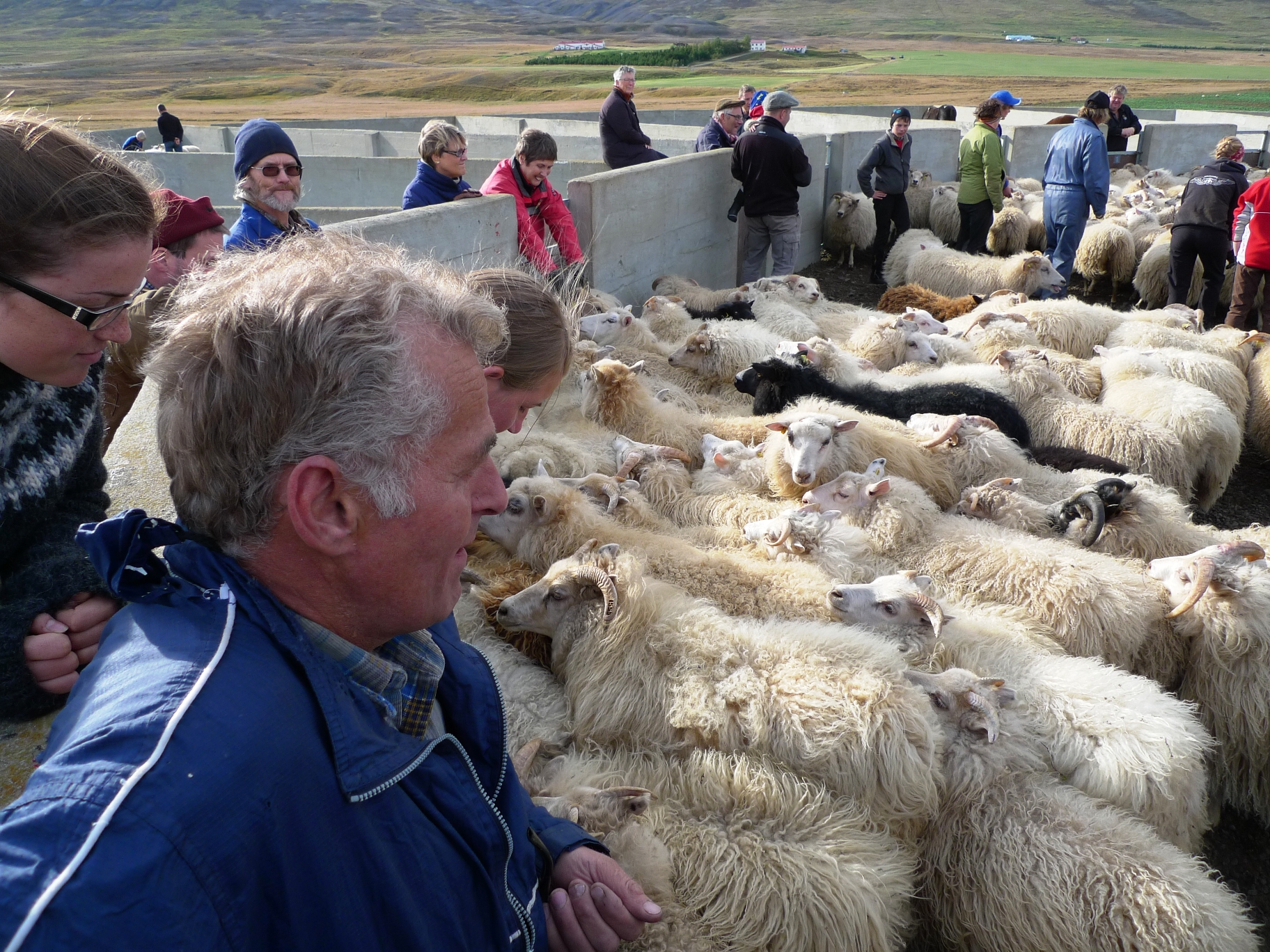
The next day, all the farmers from the valley and their very extended families came to the corral to sort the sheep. The corral has a circular center with lots of doors, each leading into a pie piece of the outer circle that’s split into many different fences. Sorting them involves a few rounds of sheep being herded into the center corral, and each indiviual sheep being manhandled in order to read their ear-tag number. We were looking for 12S4 and 27S4, and lambs went into one door while adults went into the door beside. After a couple hours of tackling sheep, atleast one ends updragging you in the wrong direction, another manages to throw you over, and many of them leave horrible purple bruises on your thighs from trying to headlock them with your legs. Sheep may be small, but don’t be fooled by their cuddly exterior – they are tough, crazed little buggers in the corral. My entire body aches and the palms of my hands are still throbbing after trying to drag them by the horns to the right door.

Gunnar trying to recognize his sheep

There were children sorting that were smaller than some of the sheep, and they resorted to a full-on rodeo tackle tactic. Some still tried to get the sheep between their legswithout realizing they weren’t quite tall enough, so the sheep bounced away with them as they struggled to hang on to the horns and wait for an adult to rescue them.

maxell Digital Camera

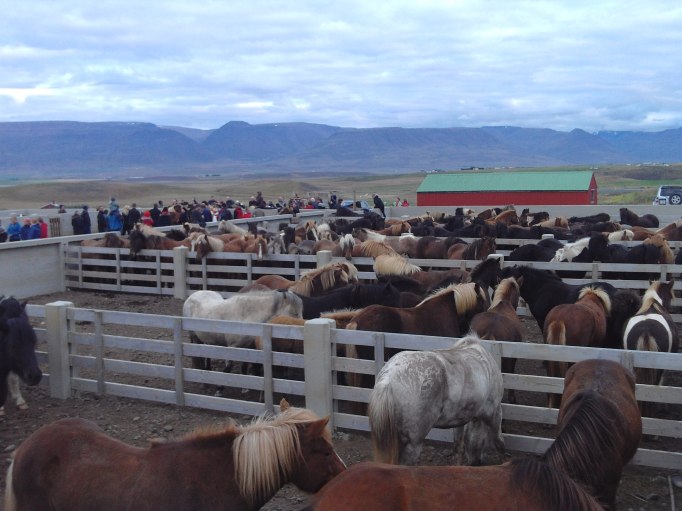
the horse round-up at Staðarétt

That same weekend, another valley was doing a horse round up. Its the same idea as the sheep round up, but instead you’re herding horses on horseback, and sorting the right horses to the right corral fence requires it to be a little bit more of an adult-only event. Its Iceland’s best showing of the bold and beautiful horsey people, the tough, young farming generation, and people seem to be having too much fun as the sobriety levels dwindle and herd after herd gallops off into the distance, in all different directions to their respective farms.

waiting to go home

Once we found all of Gunnar’s sheep, we said a regretful goodbye to all the lambs taken out for the slaughter house, and reuinted the rest with their mothers, silencing the drownding “baaaaaaah” we had been listening to all day. All the other farmers did the same and took their sheep home. At the end of the day, Gunnar´s herd of colourful sheep were also returned to Víðines farm, and peace and quiet was restored once again to the valley.

An Interview with the Chilliwack Times and an Article in the Vancouver Sun

53 countries down, 147 to go for Chilliwack globetrotter

Travel blogger wants to see the world before she settles down at 30

By Cornelia Nay Lor, Chilliwack TimesSeptember 11, 2010

Take an Icelandic dad and a Guyanese mom, and it’s not surprising if you come up with a globe-trotting daughter.

That’s the case with local world traveller Katrin Einarsdottir.

“You start in Iceland and Guyana, and then you want to see what’s in between,” she said while back in Chilliwack before setting off again on an Alaskan cruise and then a two-month tour of Central America.

At age 23, the Sardis secondary grad has already been to 53 countries, and her goal is to visit 200 before she turns 30. Toward that end, she even has an Icelandic flight search-engine website, dohop. com, sponsoring her travel blog and funding at least part of her travels.

Not that Einarsdottir has ever let a lack of sponsorship keep her from seeing the world.

“I’ve just sort of always saved money for travels,” she said. “The money’s always being put in the bank for that next trip instead of a new car or rent.”

Since catching the travel bug during a month-long homestay in Japan when she was just 15, Einarsdottir has earned travel money by working summer jobs — including acting and modelling in Vancouver and guiding horse tours in Iceland — between years at high school and university.

Together with travel scholarships and, more recently, the money from dohop. com, it’s been enough to get her to all seven continents already. (Antarctica in January and February was the latest.)

What draws her abroad is novelty.

“Everything’s always new,” she said. “Every day you meet a new person or hear a new language or see a new place. It’s the constant novelty of seeing and experiencing something brand new.”

Coming back to Chilliwack and the 11-acre hobby farm she’s called home since middle school is all the sweeter after a long trip.

Einarsdottir’s travel-writing break with dohop. com came about a year and a half ago, when she was working on a master’s degree in nature tourism at the University of Iceland.

The company had sent out an e-mail to the school looking for travellers interested in blogging their experiences for the website, and she was a natural fit. With 147 countries still to visit in the next seven years, she’ll definitely have plenty of material.

“Politically there aren’t even 200 countries,” she said, “but that’s because places like Greenland are still politically Denmark, but I count Greenland as its own place.” (Yes, she’s been to Greenland.) Going by politics and geography, Einarsdottir figures there are 206 “countries,” but there are some she’ll probably be giving a miss — like politically impenetrable North Korea, remote South Pacific Vanuatu or the downright deadly Democratic Republic of Congo. Her mom is already skittish enough about her travels.

“She’s always a little worried, but she’s supportive, and my dad thinks it’s great,” said Einarsdottir.

“They worry about my safety a lot because it’s hard to travel alone as a female depending on where you are, and I’m often in places with no Internet or no phones.”

It may not always be easy, but one goal of Einarsdottir’s blog is to show would-be female travellers it can be done. And what will she do once she’s proved her point?

“When I’m 30, I think I’ll want to maybe settle down and meet a guy and do the other things you’re supposed to do in life,” she said. “But between now and then I just want to be totally independent, travelling.”

To read all about Einarsdottir’s travels, visit katrin. dohop. com or follow her on Twitter @katrinsif.

© Copyright (c) The Vancouver Sun

Read more: http://www.canada.com/vancouversun/news/westcoastnews/story.html?id=5004d013-b80a-4afa-a83b-94fd9a03d08f


LOLA: look, observe, learn, act.

September 11th came and went without any major catastrophes, although I didn’t even realize what day it was until I started writing this blog. I’ve often wondered why it’s worth spending any energy worrying about tomorrow when you’ve got today, and if you’ve got today and it’s going just fine, stay in the present and keep on keepin’ on. Of course this philosophy is good in theory, but it’s hard not to worry about the future and I often find myself stressing out about tomorrow, next week, next month, next year…

I like to think Im good and avoiding long-term planning, since Im certainly terrible at commitment and thrive for spontaneity. When I was doing a Semester at Sea, an undergrad exchange program that sails around the world, the motto was LOLA: look, observe, learn, act. The students, almost all Americans, were persuaded to try and travel with new eyes, focusing on the there and now, absorbing as much detail and life out of the present situation as possible. It was an interesting experiment, forcing our planning-oriented selves to exercise reckless abandonment, not worrying about our next move until we understood the present.

When traveling, I often get lost in time and place. I wake up after a long bus ride and try to remember where I am. Once I get a grip on that, I don’t bother to remember where I’ve come from or where Im going next, and I almost never think about what day of the week it is. Trying to remember what month it is is usually harder than remembering what year it is, but I often start dating blog entries with 200_ and realize its already 2011. People have asked my age, and I stutter “ugh, 23,” until a few moments later I disrupt the new topic of conversation with “no, I’m 24!”

What is time anyway? I think its just a way for people to synchronize with other people, for places to synchronize with the rest of the world, and keep a framework to which we can make plans for the future. Yet somehow, plans change but time keeps ticking, and it seems to speed up the older you get, the longer you live.

I was supposed to be moving to Montpellier, France in a couple weeks, but matters of the heart changed and now, one lonely French-American is living my dream life without me. I wanted to paint, play music, eat baguettes and cheese and chocolate, drink wine and ride a bicycle in a flowy dress, while never getting fat and only speaking french… but that will have to wait til later.

Have you ever looked at your own eyelashes? In that moment of being half awake, or when avoiding the bright rays of sun? I daydream a lot, sometimes consciously, and other times, in that surreal moment between being asleep and waking up when you’re not sure if your dreaming or living. Then it’s a bit awkward trying to separate your dreams from reality, especially the ones you’re never really sure if you dreamt them or lived them.

Im sitting in the sun now, sweating, squinching my eyes from the sunshine, checking out my eyelashes. Its almost 20 degrees in Reykjavik and I can see myself getting browner. I heard the wing flap of a raven flying high overhead, since its so completely still and silent here that the sound of me typing sounds like noise pollution.

Now I know what day it is, where I am and what I’m doing tomorrow, but I can’t wait to be alone on the road again, with my 35L backpack, lost in time and wondering where I am everytime I wake up in a new, unfamiliar place.