I’ve had some wonderfully unorthodox border crossing experiences before. I walked into silver-back gorilla territory of Congo and rode a horse from Honduras to Guatemala, and I’ve taken my share of private and public boats between islands, but the little banana boat that took me from Bougainville to the Shortland Islands was a pretty simple journey. If I hadn’t known before that a border existed between these islands, I wouldn’t have believed it, nor would there have been so much stress around getting a boat in time. Its hard to explain in words but a google map search will show you that big Bouganville, as underdeveloped and inaccessible as the southern part is from the rest of Papua, is only 10 km from the Solomon owned Shortland islands, and they are just a tiny, undeveloped, far off islands in comparison to the rest of the Solomons… so the Solomon islanders go to Buin, and Bouganvillians trade with them. They exchange fish and jewelry at the market, and the only petrol station for all their little banana boats is in Buin.
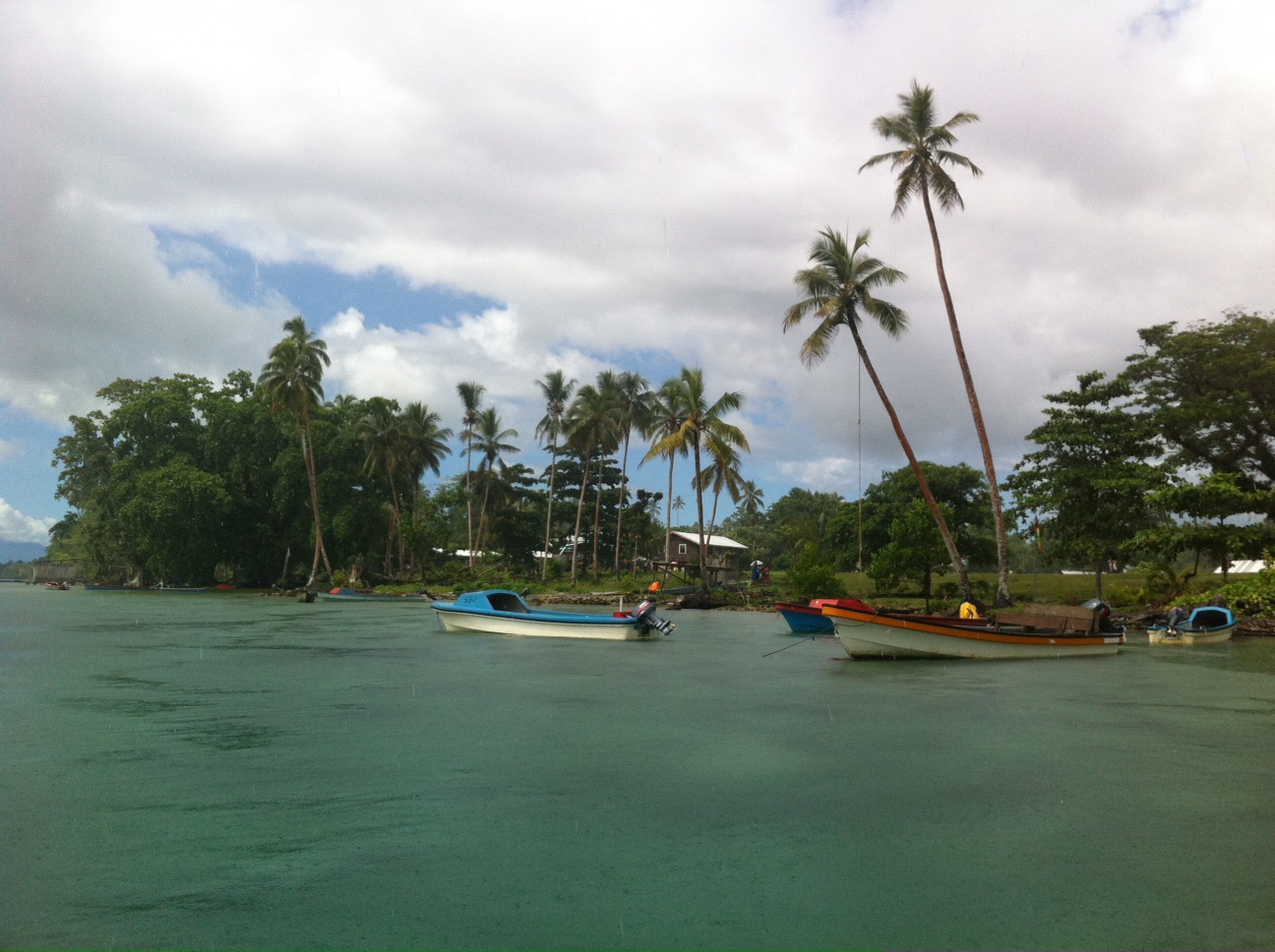
Rainy Ghizo
There’s a small market on Thursday (mostly catering to the Sabbath observing Seventh-day Adventists), and the big Market on Saturday, when other Bouganvillians from Arawak and even Buka come all the way down to Buin. I got there on a Wednesday night, and stayed at one of the unnamed guesthouses (there are around 3 or 4 but none of them are named or signed but all cost 180/120 Kina per night with/without dinner and breakfast). The PMV driver from Arawak (PMV’s leave from the Arawak market in the afternoon, around 3pm, but also early mornings on Thursday and Saturday) took me to the main guesthouse, or I guess the best known one, which is owned by a guy who owns ‘Lease Investments’ but run by a plump little buck-toothed lady. I had missed her dinner serving so had to wander around the sleepy town to find the one open shop selling some canned tuna and cold coca cola, since the betel nut and beers didn’t seem an adequate meal.
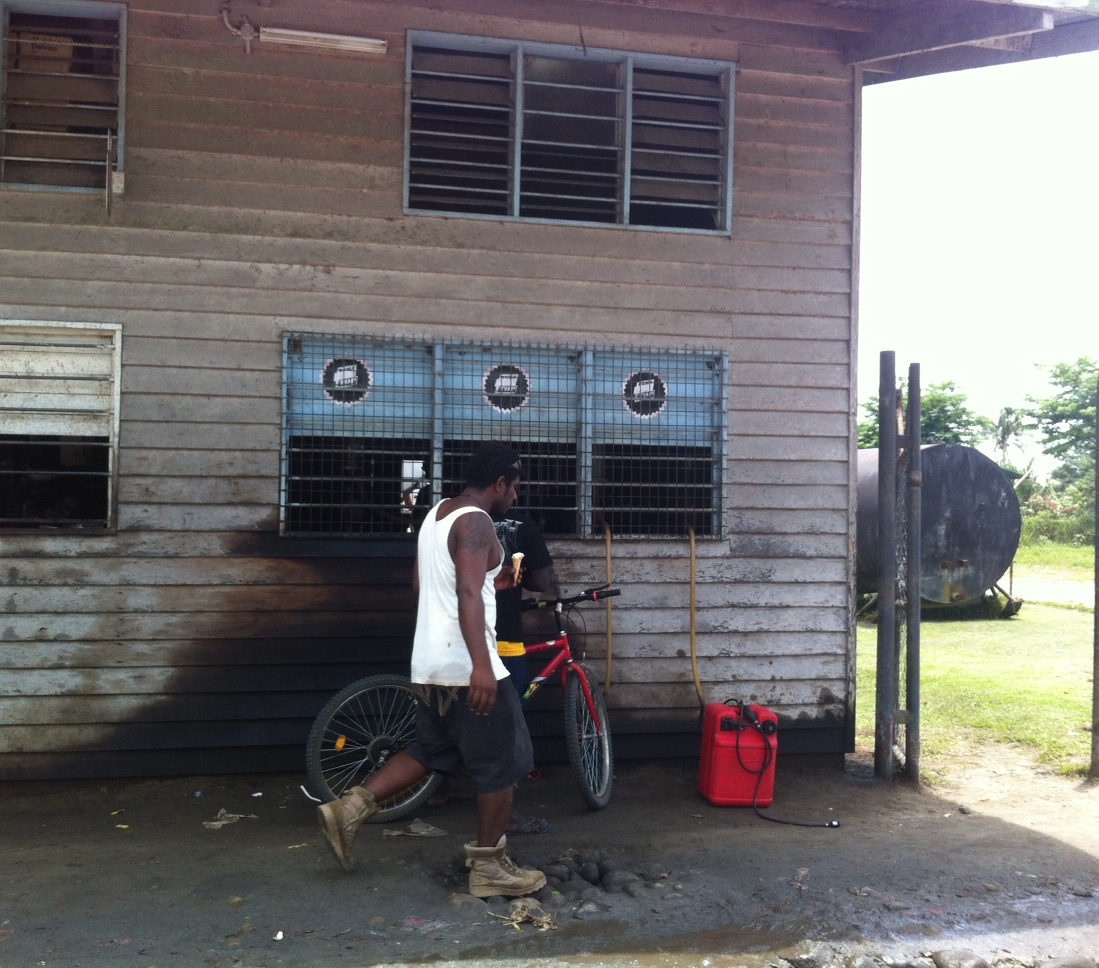
my captain getting fuel in Buin
The next morning I was up with the sun, which is an hour too soon for anyones liking (Bougainville follows the time zone of mainland Papua New Guinea, even though they’re hundreds of kilometers east in the Solomon Island time zone), and the market started shortly after. The Solomon islanders were easy to spot, with their lighter coloured skin and greasy shell jewelry for sale, but some of them blended right in with their jet black skin and smokey stinky fish that other Bougainvillians also sold. The market lasts until they’ve sold all their goods, then they drive down to the beach 15 mins away and roll their banana boats over the sand back into the sea for their journey back to the Shortlands. I waited to see who would finish first, since I had an afternoon flight leaving at 15:30, and by 12 noon I had negotiated a ride for less than $10. It was a young couple and their child and nanny, and we filled up on petrol, ice cream and Fanta before jumping on the little put-put motor boat. The airport is on its own separate island, a little further down the coast of Shortland, and it took a whole hour to get there.

boarding the plane at Balalae
Don’t think of an airport airport, just think of a sleepy green island, and the only thing differentiating it from the rest of the islands scattered about was the bunch of banana boats anchored to its shore, and the barely visible clearing down the middle of the island. It’s a grass run way, and a small concrete structure had a man at a desk with some paper and pens, and a scale from the 1920’s to weigh you and your luggage. The check in was just a verbal spelling of my first name and the ticket number from my email confirmation. There are 2 flights on Thursday afternoons, but only one stops in nearby Gizo, the other one heading straight to Honiara, Solomons capital. My flight to Gizo came first, even though it wasn’t supposed to be due for another hour, and they ushered me on. No security check, no document check, no gangway, just me, a plane, and a bunch of people that didn’t talk or treat me any differently than Bougainvillians on our way to civilization.
A few notes on the border I did or didn’t cross:
I couldn’t get an exit stamp from PNG because the guy in Buka told me there was a guy in Buin to do it, but when I arrived at his ‘office’ (it was just the basement of a house with a colour-print, laminated sign saying ‘Papua New Guinea Customs’), nothing was set up except his computer and printer, and he didn’t have a stamp or stamp pad, or an exit card or anything official feeling. But, he wrote me a very lovely letter, which took him forever and a day to type out and print (even though it was from a copy and pasted letterhead from the last tourist that did this crossing in July), and not one person read or checked that letter between Buin and Gizo.
You can only go from PNG to the Solomons with most western passports, since entering PNG requires a visa you can only get upon arrival at the International airport in Port Moresby. If you live in PNG or have a multiple-entry visa for PNG, then you could go the other way, which would certainly be easier since you don’t have to worry about catching a once-weekly plane, but then you’d have to wing it for your own boat transport from the Balalae airport to Shortland island, and/or the boat to Buin… unless it’s a market day and you happen to find one of the 5 or 10 sellers going across. There’s very few people around, no banks or petrol stations, but the friendly people and handful of guesthouses make it a totally hospitable place to be lost or stuck. Once in Buin, you can make the 3 hour PMV ride to Arawak or 5 hours to Buka (where there is a bank and airport) each morning. They’re almost finished building an airport in Arawak, but that will probably only fly within PNG, not to the Solomons or internationally… but who knows, anything can happen in a place so rich in mining and tourism prospect.
Once in Gizo, a woman named Rose will have to stamp you into the Solomons, giving you a tourist visa for however many days you might need. She loves chocolate cake, and sweet talking her with a slice of that and some supporting documents (ie. A copy of your departure flight from the Solomons and this seemingly useless letter I got from PNG customs) plus a photocopy of your passport (she doesn’t have a photocopy machine) will get you in without any hassle… even if it’s a day or two late, no one seems to care you’ve informally entered the Solomons.
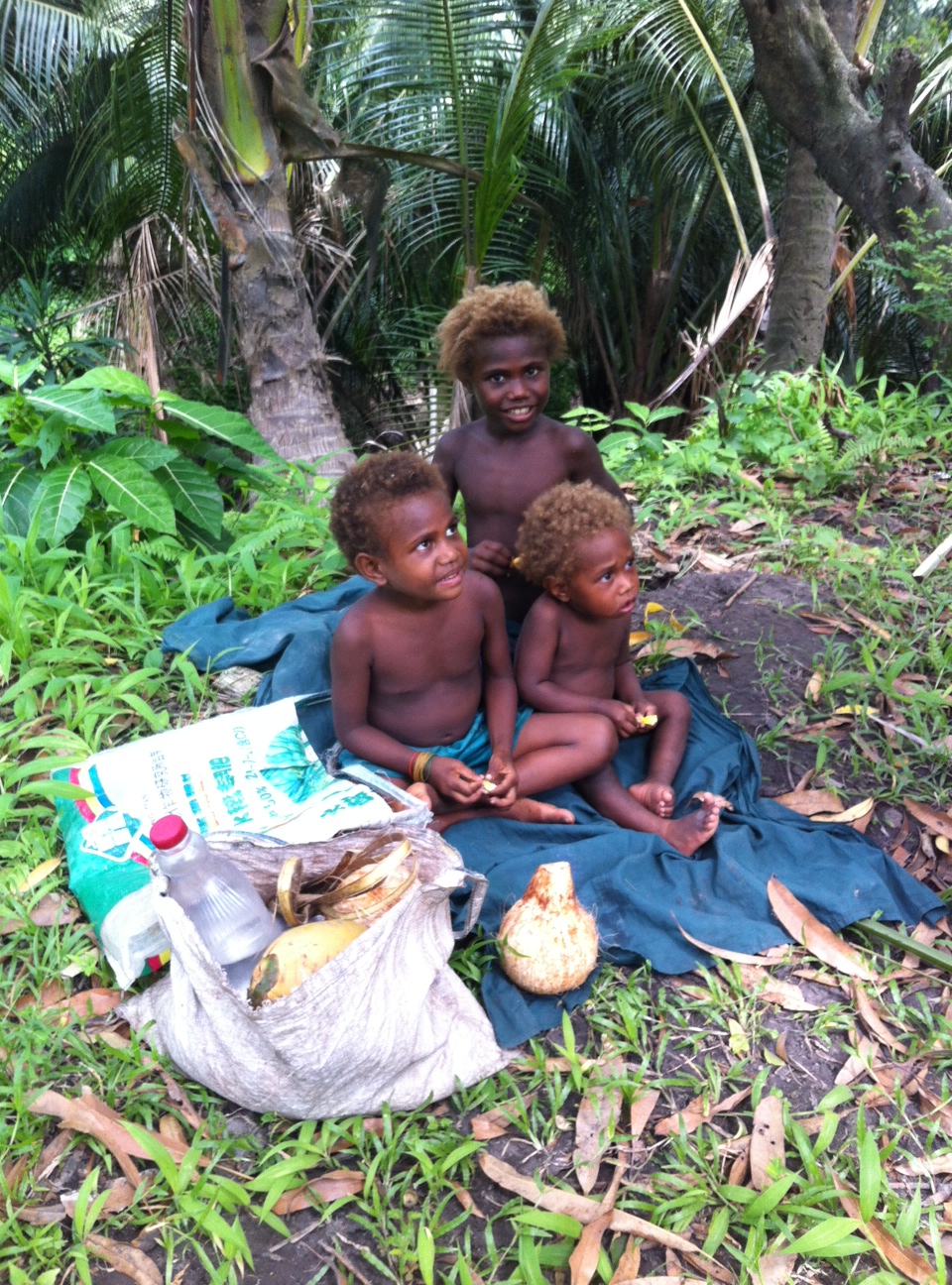
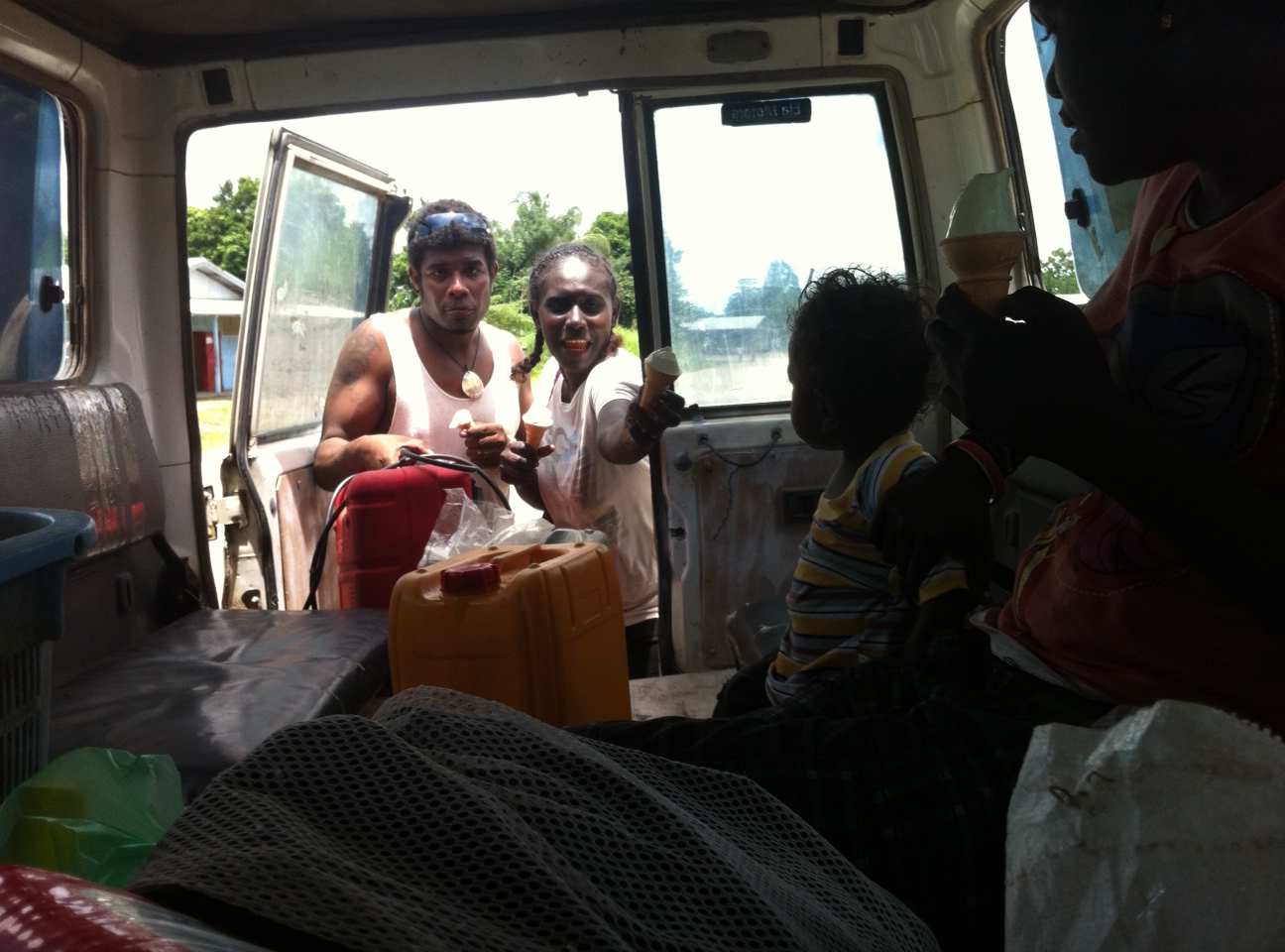
 nomadic cosmopolitan