Crossing into Mexico was one of the stranger borders, since you leave Guatemalan customs in La Mesilla and then need to take a taxi 3 km to Ciudad Cuauhtemoc to officially enter Mexico; which country are you in for those 3 kms? No man’s land I guess. I went from the border town another 3 hrs to San Cristobal de Las Casas, a fairytale colonial city that actually made me think I was in Disneyland a couple of times. It’s located in Chiapas, a state full of mountains, ecotourism, Mayan history and an unexpectedly cool climate. The backdrop of the cobblestone downtown is Cerro de la Santa Cruz, a small mountain with steps leading all the way to the top where you can find a church with the most beautiful view of the city, and the biggest, more patriotic Mexican Flag you could ever imagine. There are 31 states in Mexico, and it’s a huge country, but funnily enough its often not included in talk of North America or Central America, so it’s just kind of in its own league. Respectfully so, though, since just the state of Chiapas has over 100 languages spoken by all the different indigenous groups, a testament to the countries rich and complicated culture. Nothing was really that different for the first couple of hours driving into Mexico, but it slowly became obvious I was somewhere new when the roads stayed consistently safe, American tourists were numerous, people didn’t speak just Spanish (usually English or some indigenous dialect), and I saw a Wal-Mart supercenter in the middle of the countryside. I also thought it was awesome that there are actual places in Mexico called Tabasco, Jalisco, and Tequila, and that stray chihuahua’s replaced the non-descript, middle-sized dogs I had gotten accustomed to.
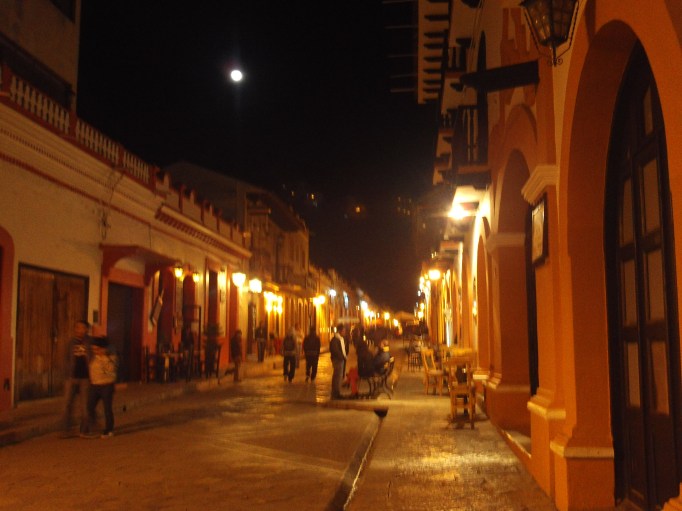
a pretty city nightscape in San Cristobal
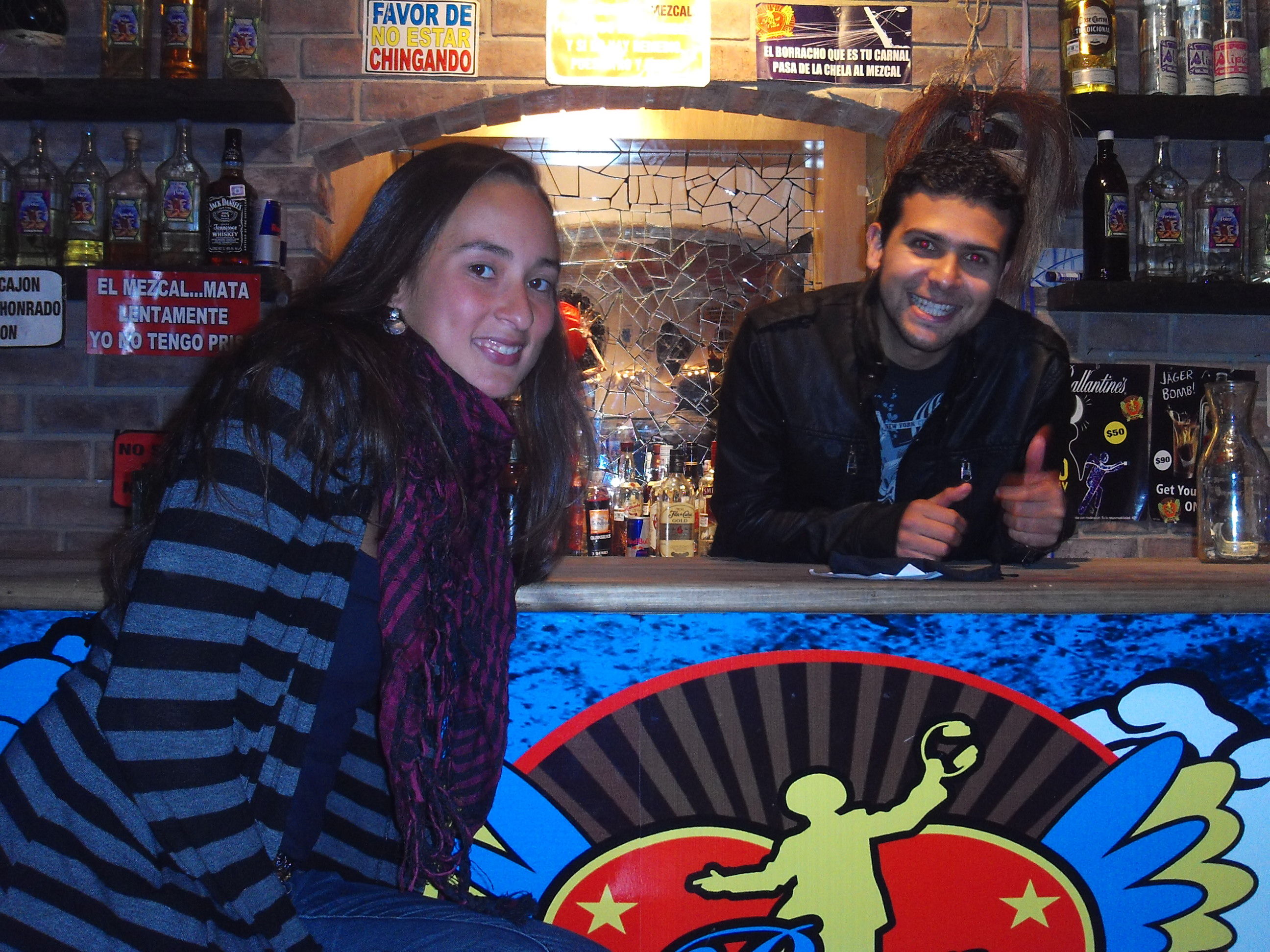
I couchsurfed some more in Guatemala and Mexico and the host I had in San Cristobal de las Casas was a young guy who worked for the Ministry of tourism, lived right downtown, and ran a bar on the main nightlife street with friends of his. He was such an awesome host, and as it turns out, we ended up having a mutual friend in Oregon since he went on a Rotary exchange in highschool to Eugene and met Clare, my former Semester at Sea (fall 2006) classmate Ryan’s girlfriend who I stay with when visiting Oregon. Small world.

me and Gabe at his bar, Pura Vida
I didn’t spent much time in Chiapas since I was mostly taking the huge detour inland to see Palenque before making my way back to the Caribbean coast. I crossed back into Belize before going north again, through Chotumel and straight into Tulum, a big backpackers. There’s a beautiful coast line there, speckled sparcely with resorts, a mayan site, and lots of cenotes. I stayed at the Weary Traveler hostel, which was cheap and included a mediocre breakfast, but offered a stiff atmosphere and an overly complicated way of managing its guests – if you’re there soon, I highly suggest taking a bus or a cab out to the coast and paying $5 to sleep in a hammock on the beach.
the bluest sea I think I've ever seen
I spent a few days in Playa del Carmen and Cozumel, both overridden with middle aged or retired cruise ship passengers, mostly Americans or Quebecois Canadians. They all port off just for a day, with the assumed goal of shopping til they drop, buying all sorts of Mexican souvenirs, cheap alcohol, and overpriced jewelry. It was fun to hear all the Spanglish exchanges, since every tourist just knew a little Spanish, and most of the vendors knew enough English, but together they spoke thi hilarious Spanglish to negotiate just the right price.
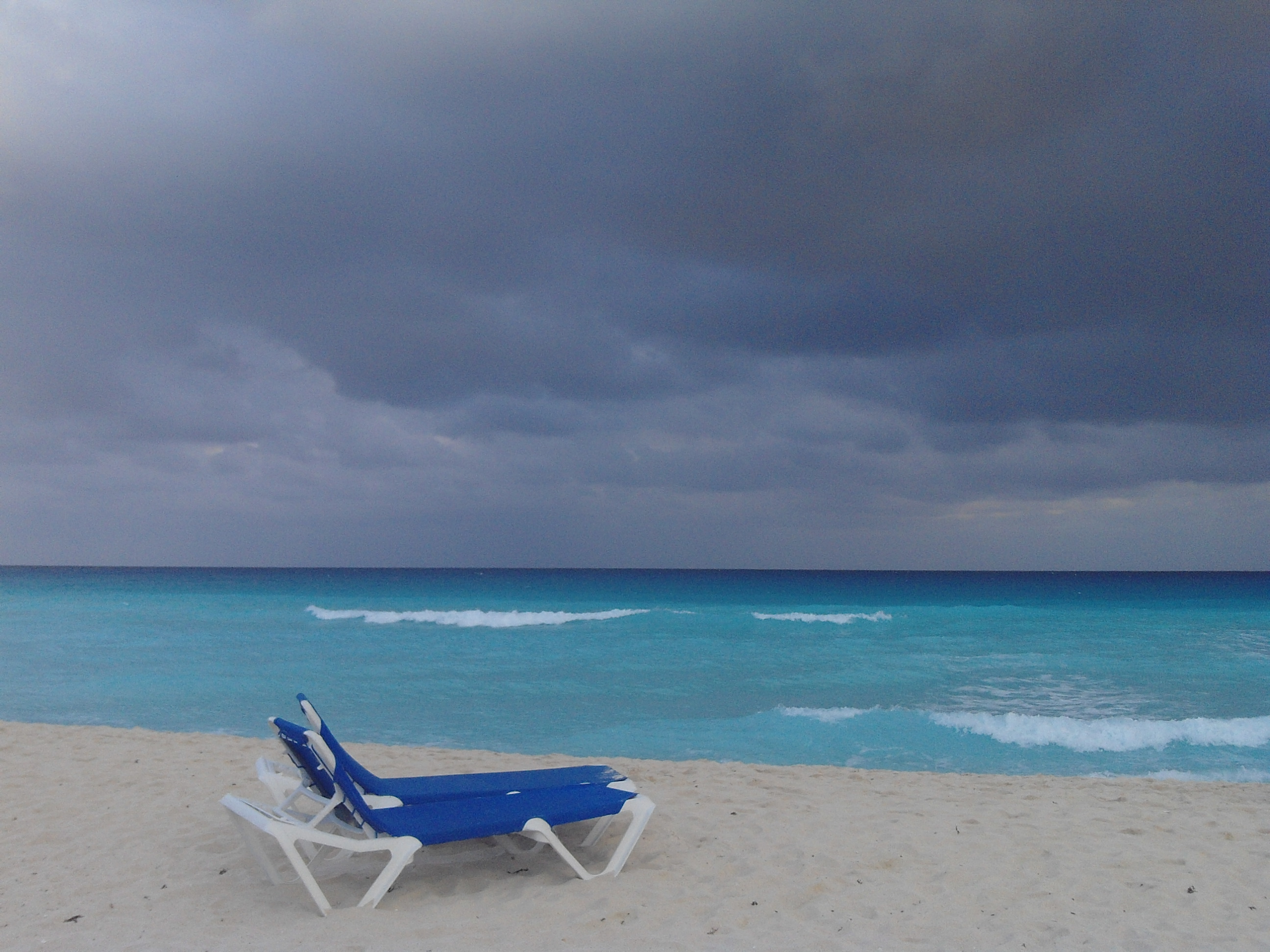
I ended my trip in Mexico in resort-filled Cancun. Ending a two month backpacking trip in central America there was a little ironic, very expensive, but totally practical for flight purposes. I was spoiled by being put up in an all-inclusive resort for 2 nights, a strange thing to do alone but almost even more luxurious that way, and spent most of my time writing, drinking specialty coffees with Kahlua, and swimming in the ocean or the pool, depending on how salty I wanted to be. It was a prefect middle point between Central America and Miami, where I flew to after leaving, slowly readjusting me to American culture, more spoken English, and the gradual drop in temperature and loss of sunlight hours I felt while heading North.
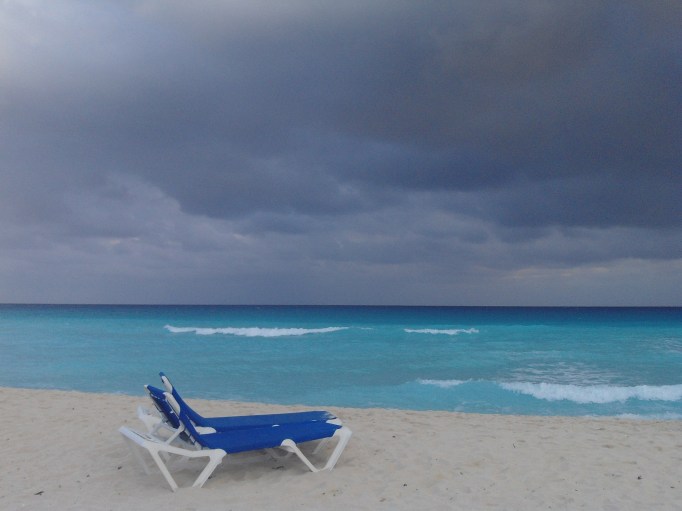
its not always sunny in paradise, but the water's always baby blue

Copán Ruinas
My first site was Copán Ruinas, in Honduras. It was super impressive, probably because it was my first Maya site and it did look just like what I hoped the ruins to look like. The surrounding lawns were well maintained, so it was hard to picture the place a thousand years ago – was it thick jungle, totally clear, covered in livestock or crops, or equally groomed? It was also really hard to picture the temples any colour but grey stone, but apparently the buildings were sometimes elaborately painted and decorated. Copan was the most expensive ruin site, costing $15US for entry, and another $15 to enter the tunnelways underground. A guide cost even more, so I didn’t quite get the full experience only walking around the outside grounds, but was much happier to enjoy them in the unexpected quietude of only a few other people sharing the entire site.

Palenque, Mexico
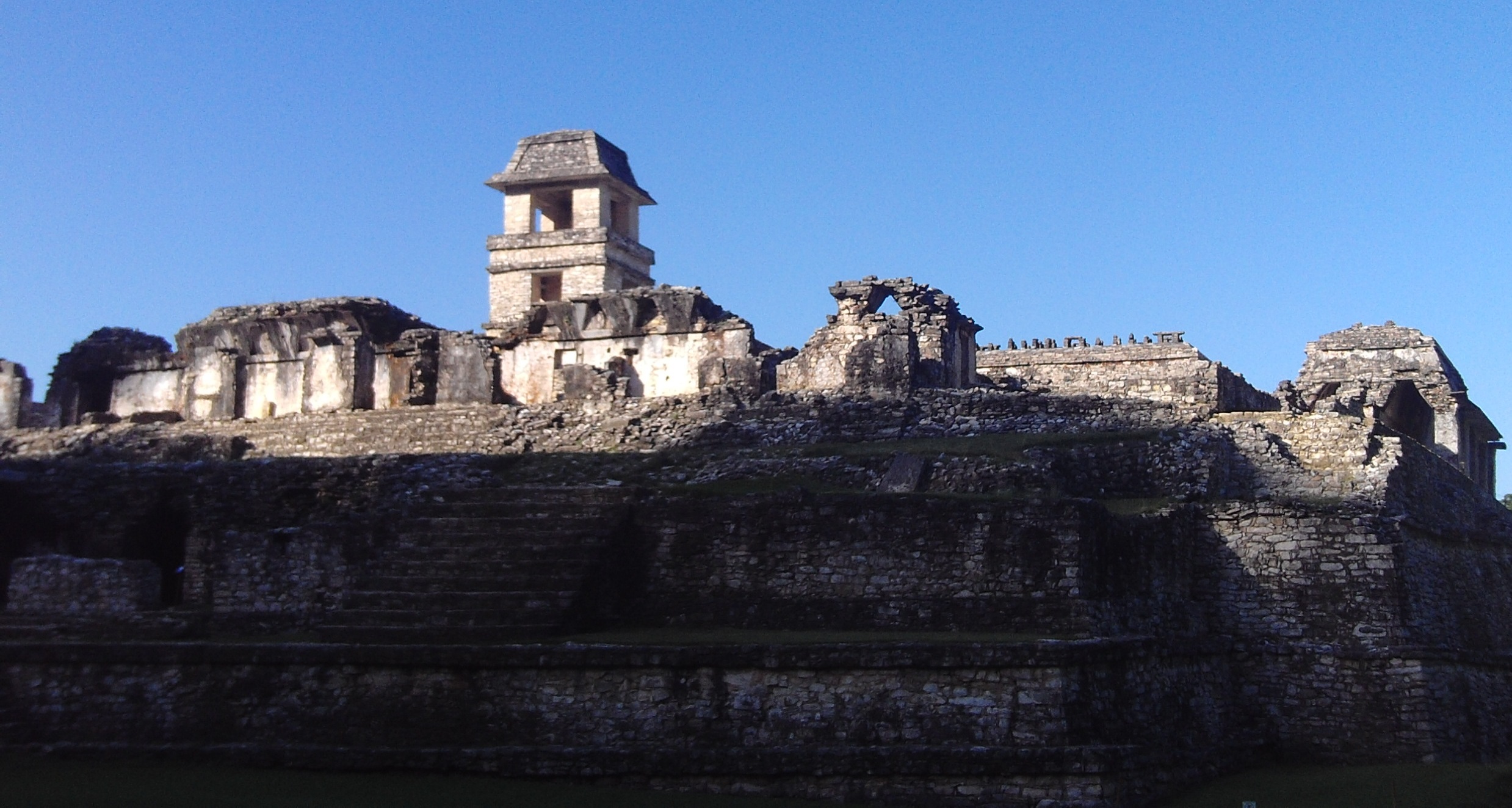
My second visit was to Palenque in Mexico, which sat in dense vegetation, elevated a little above the town of Palenque, perched on the hillside 8km away. It was bigger, had more freedom for climbing the ruins, and was better maintained and restored. It was busier, with hundreds of tourists bustling around, and dozens of market vendors lined the walkways selling all the same things, easily distracting me from looking up and around at the much more important temples.

Tikal, Guatemala
My third site was in Guatemala. Tikal as a tourist destination was very organised, with San Juan tours monopolising almost all the tours and bus transportation to the isolated destination almost 40 km from any towns. However, when you got there, you were dropped off to the entrance of a 15km2 densely vegetated park scattered with ruins all over and temples rising way above the jungle canopy visible only from the tops of each other. It was so wild, with entire 3 storey temples completely buried in new vegetation with hundred year old trees rooting on top of them. Only about 20% of the entire site has been excavated, so I can’t wait to go back there in 25 years to see what it looks like then.
.
Lamanai, Belize
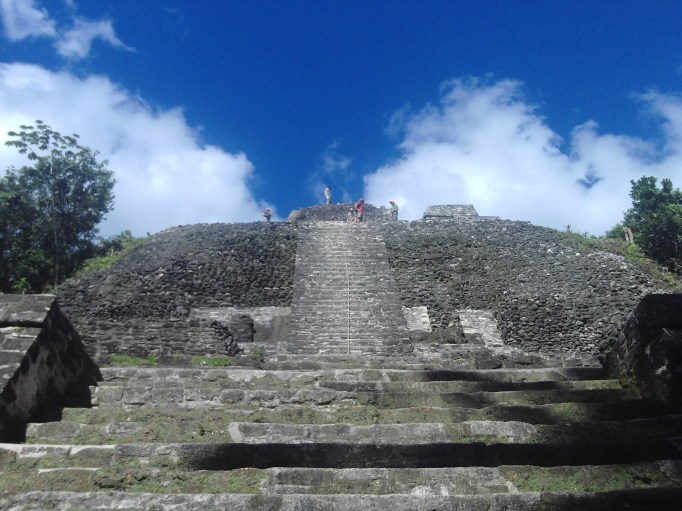
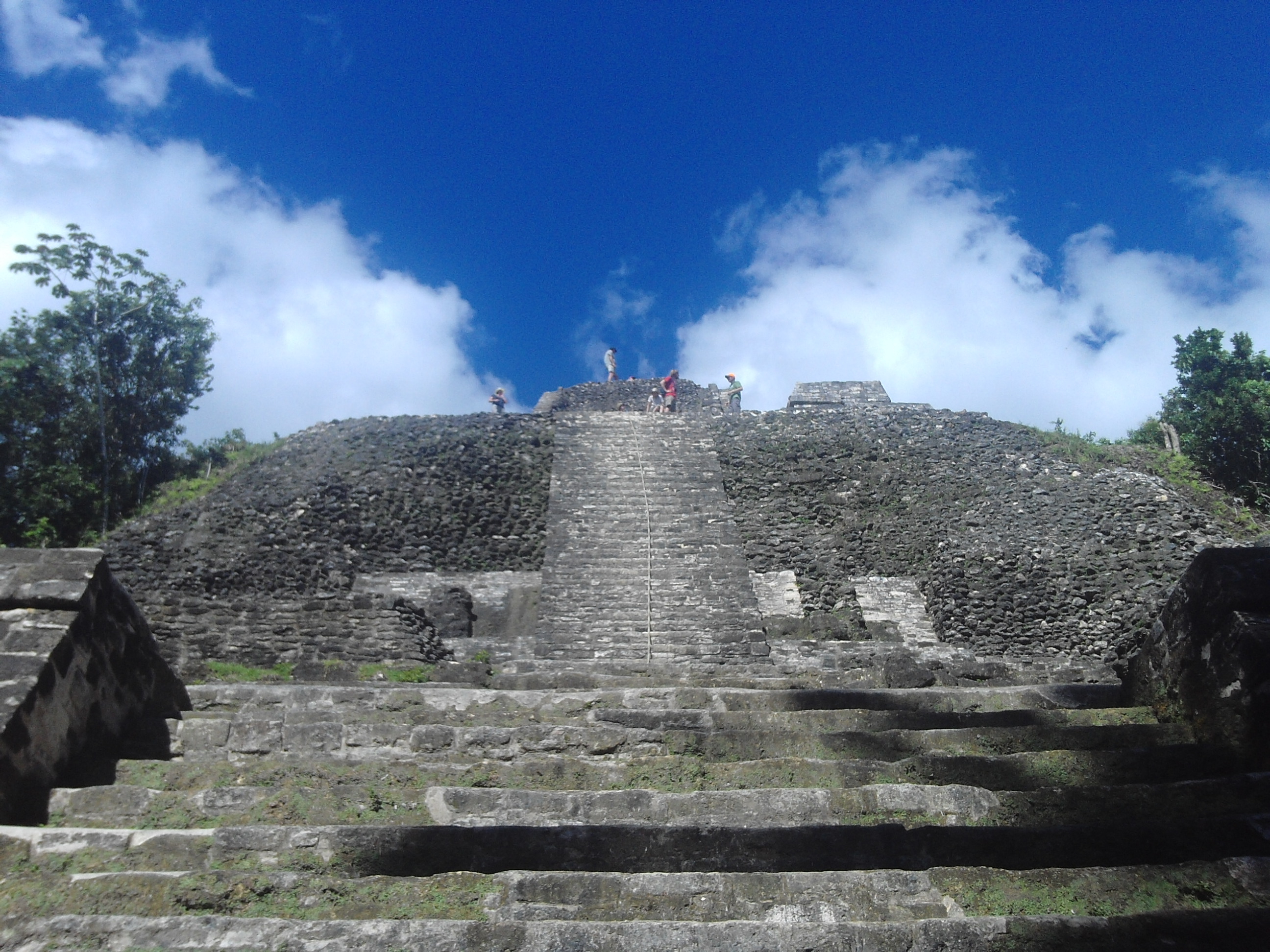
My fourth site, Lamanai, could only be reached from Orange Walk by a bumpy dirt road or a 2 hr motor boat ride down the Belize New River. I went to the ruins with a local and his wife who agreed to drive me the hour and a half in a sedan for $35US, and met up with a tour group there that Jungle River Tours from Orange Walk organised for me to have a guide and ride back to town with. It was the only site I had a guide and it definitely gave a totally different experience; instead of walking around gawking at the big temples wondering what it looked like before and what the people did back then, the guide basically explained everything he knew to paint a perfectly clear picture of how it might have been back in the 600’s. The boat ride back might have been the highlight, since we saw lots of birds, water lilies, crocodiles and even a pair of very friendly spider monkeys – one even came in our boat to steal a couple of our leftover bananas.

Tulum, Mexico
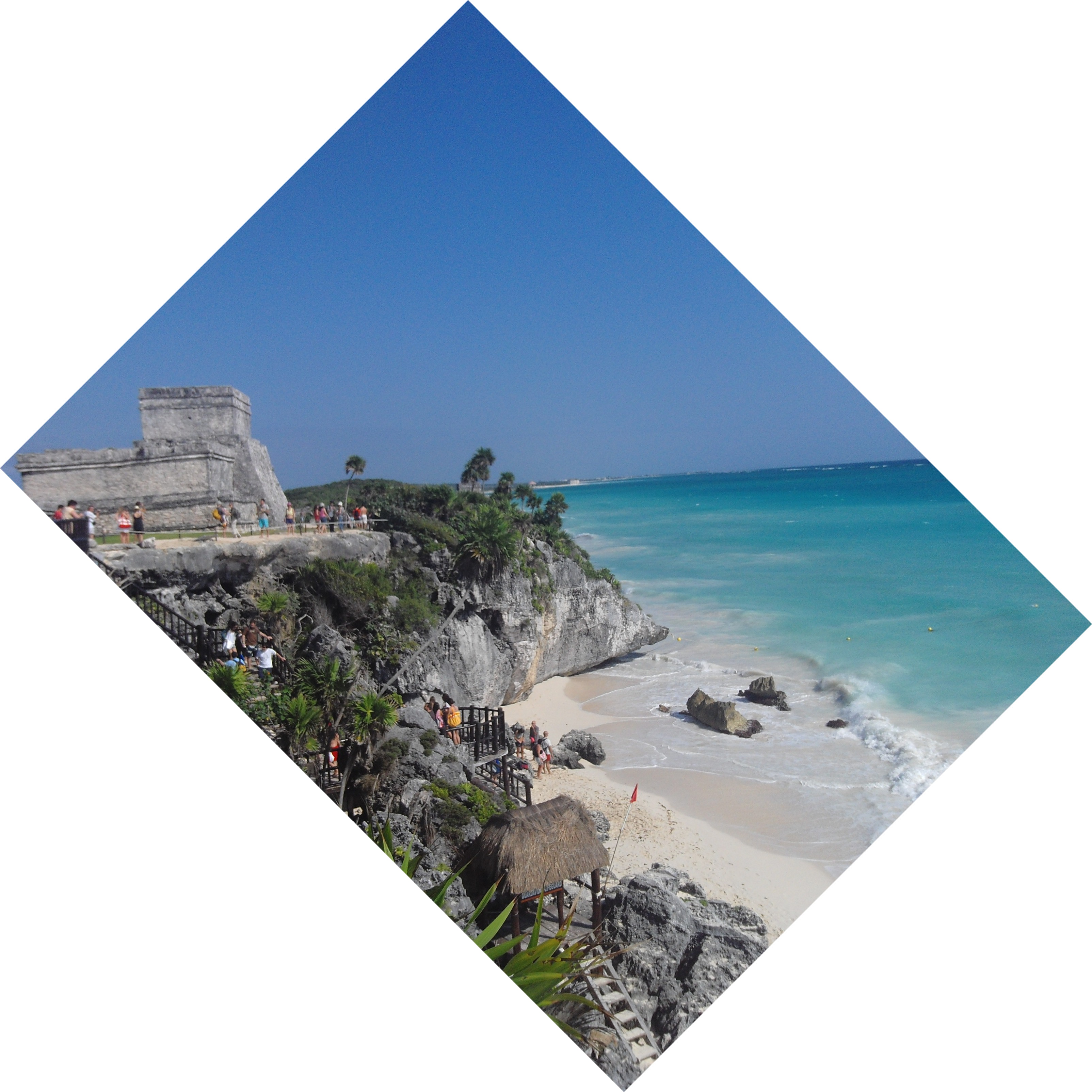
Tulum was totally different than the other ruins by being located right on the coast. Instead of a jungle environment, they were perched right over the most tropical, baby blue water and white sand beaches, with palm trees swaying in the perfect Caribbean breeze. The site was small and so were the buildings, so it was certainly crowded with the hundreds of people visiting, but it was still a pretty place to visit for a morning.
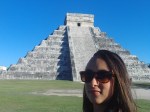
I was no exception to the tourist frenzy of trying to get my portrait with the temple
My final visit was to Chichen Itza, a way of saving the best for last, since this site had so many different era’s and types of archaeological ruins, scattered over a pretty big area, but still small enough to walk and see everything in a day.The main temple, now one of the 7 new wonders of the world, was really majestic, sitting huge and ameliorated in the middle of a big, open lawn with people from all corners of the world surrounding it, trying to take that perfect portrait with Chichen Itza to take home and show all their friends. All the walkways connecting the older ruins to the main temple and the main temple to a beautiful cenote nearby were lined with vendor after vendor, who would call out to every passerby “almost free,” advertising their cheap prices. They did sell little trinkets for 10 pesos (less than a euro or dollar) and the one time I responded, jokingly but cheekily, “I only shop for free stuff,” the vendor put a handcarved wood statue in my hand and said “enjoy with your family.” This of course but a big smile on my face, and I thanked him with a hug and a picture together. It was certainly a better tactic than others asking “hey lady, something for your boyfriend?” *short silent pause* “somthing for your ex-boyfriend?” I would always politely dismiss the first, but couldn´t help but laugh out loud at the second question.




 nomadic cosmopolitan