Lilongwe to South Luangwa National Park

After more than a week bouncing around the shores of Lake Malawi, we headed to Lilongwe from Kande Beach. Some will tell you it takes 4 hours, others 6, but really it takes about 10 if traveling by local buses. These ‘matolas,’ small 14 seater buses, will actually squeeze in more than 20 people, and stop to drop off and pick up people as long as there’s space to sell one more passenger in, including whatever cargo they may have with them (ie. live chickens, 25kg corn flour sacks, or smelly dried sardines). They’ll tell you they’re going to Lilongwe, but really they’re just going to the next big town where they can buy you into their buddy’s bus, which goes to the next town, and 3 bus exchanges later (if you’re lucky), you’ll actually get to Lilongwe.
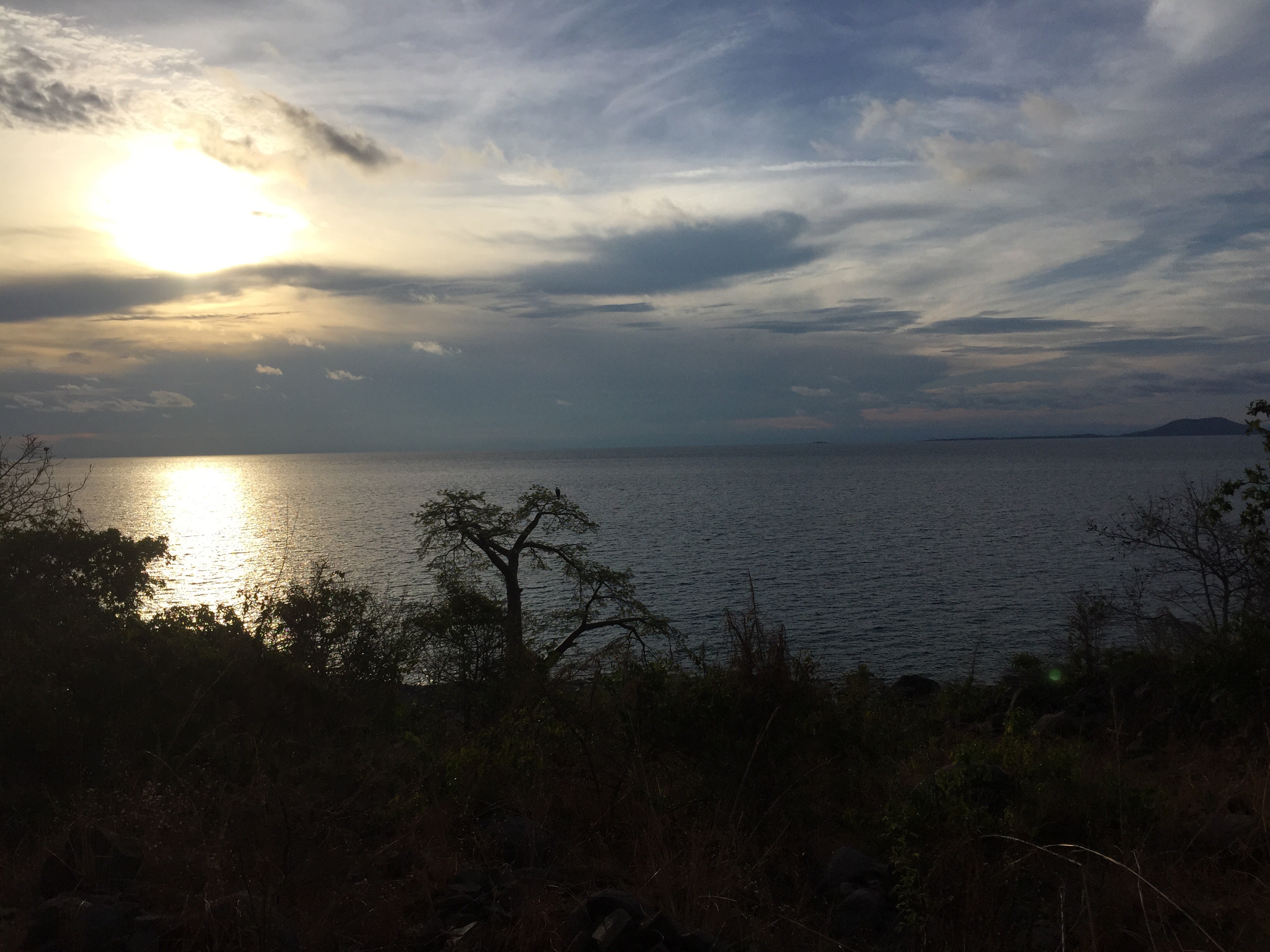
Goodbye Lake Malawi

In Lilongwe we stayed at Mabuya, a backpacker friendly hostel and camp site, but with the early arrival of the rainy season, decided that sleeping outside in our hammocks was a bad idea. We were short on kwacha, but they accepted visa once in a while, and this was one of those nights. It poured from the moment we arrived until we went to sleep, so the $12 splurge on a dorm bed was well worth it, although we missed out on enjoying the swimming pool.
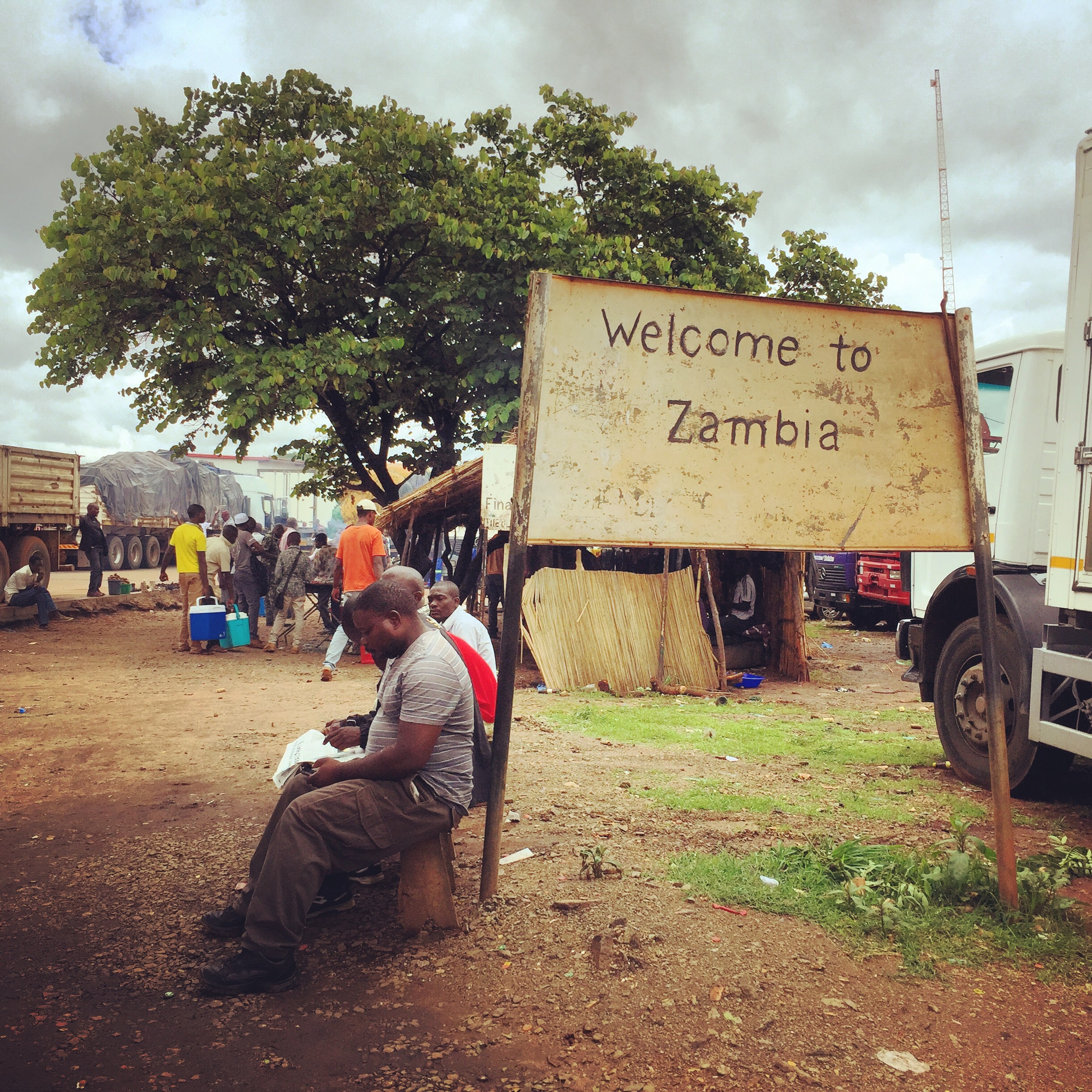
A warm welcome to Zambia

The next morning we left at 6:30, and took a local bus to the bus station. From there, we found a bus to Machinji ‘border,’ which doesn’t go to the border, but takes you to Mchinji town (2000 kwacha, 2 hours). Another 1000 kwacha in a shared taxi took us the last few kilometers to the border, which we walked across, and bought a single-entry Zambian visa for $50US (NB: the coop $30 Zambia/Zimbabwe visa is not available at this border).

Our first sunrise in Mfwue, just seconds after the baboon perched on our picnic table ran away

From there, it was another shared taxi to the next town, Chipata 30km away. The atm at the border didn’t work, no one exchanged shillings or pounds, and after our unexpected visa fees we had no extra dollars. But the shared taxi took us to a Barclays in Chipata, where we had to wait in a long line to use the atm (it was down for the first 15 minutes) or get special permission from the manager to change pounds. I’ve heard Zimbabwe is bad, but this was still worse than I expected. It may have been because it was the first of the month and a Friday, but it was still surprising how difficult it took for us to get local kwachas.
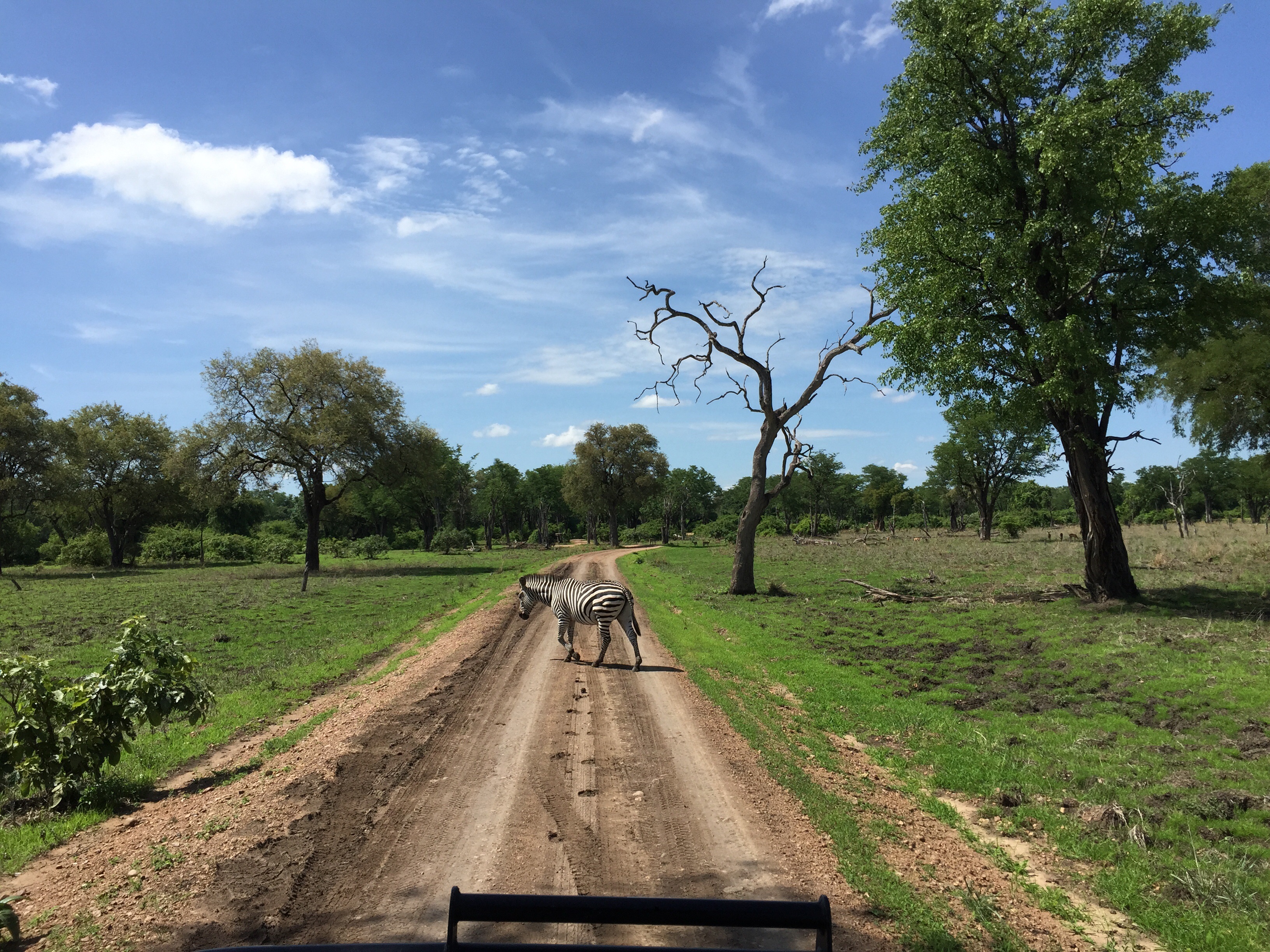
Zebra crossing on the way to South Luangwa

Now it was 12:30, and the taxi had waited an hour for us, but he still only charged us 50 Zambian Kwacha and then dropped us off to the Chipata bus station, where we could get a bus to Mfuwe. We had heard shared taxi’s also do the route, for the same price and a lot faster, so after talking to a few drunkards and some taxi drivers, we finally found out they were waiting somewhere else 3 km away.

Even a lying down giraffe is tall

We were off by 13:30 in a shared taxi, for another 50 kwacha where they say they only take 4 passengers, but a 5th one was always rotating in and out during the 133km journey to Mfwue. We arrived at the doors of Croc Valley, 2 km outside of South Luangwa Park’s gates, just before 4. We checked in for a 2 night, 2 safari, 4 meal deal and slept in our hammocks the first night.

Lazy cat

Even though Croc valley isn’t technically in the park, there are no gates or fences, so the shallow Luangwa river didn’t stop hippos from coming up on our side. After asking permission to sleep in hammocks, and being assured it was safe, we were told there was a small chance some grazing hippos might show up in the middle of the night, and we had to just stay calm and quiet. Sure enough, around 3 am, a large, chomping, snorting hippo decided to nearly graze me he was grazing so close.
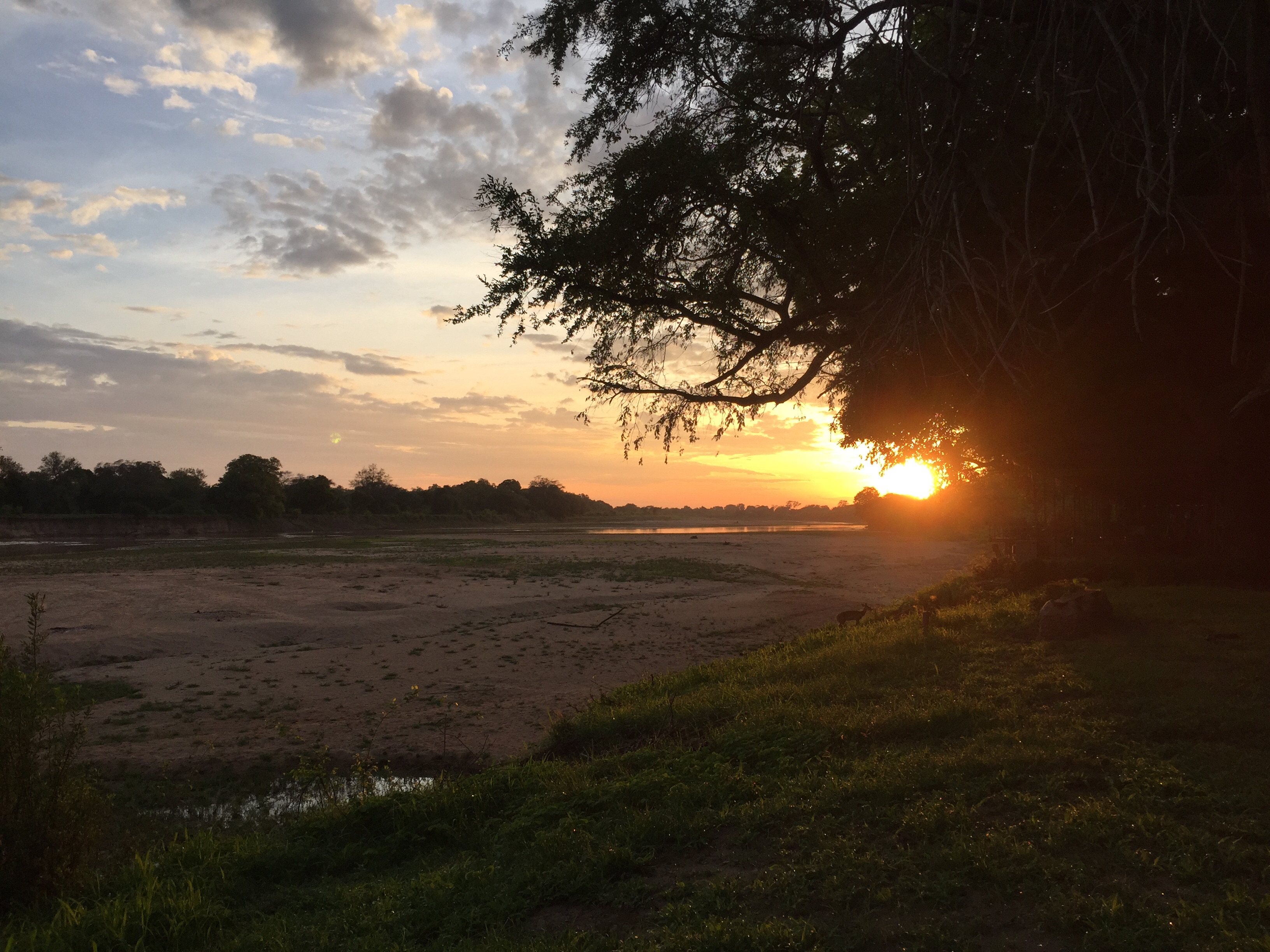
Sunrise from Croc Valley

The next morning, after a game drive, the manager of Croc Valley told us we weren’t allowed to sleep in hammocks, since crocodiles also roamed around freely, and “a hyena might come and bite your face off.” So after that kind of warning, we moved into the canvas tents, especially after seeing the size of some of the spiders and avoiding a snake as we took down camp.
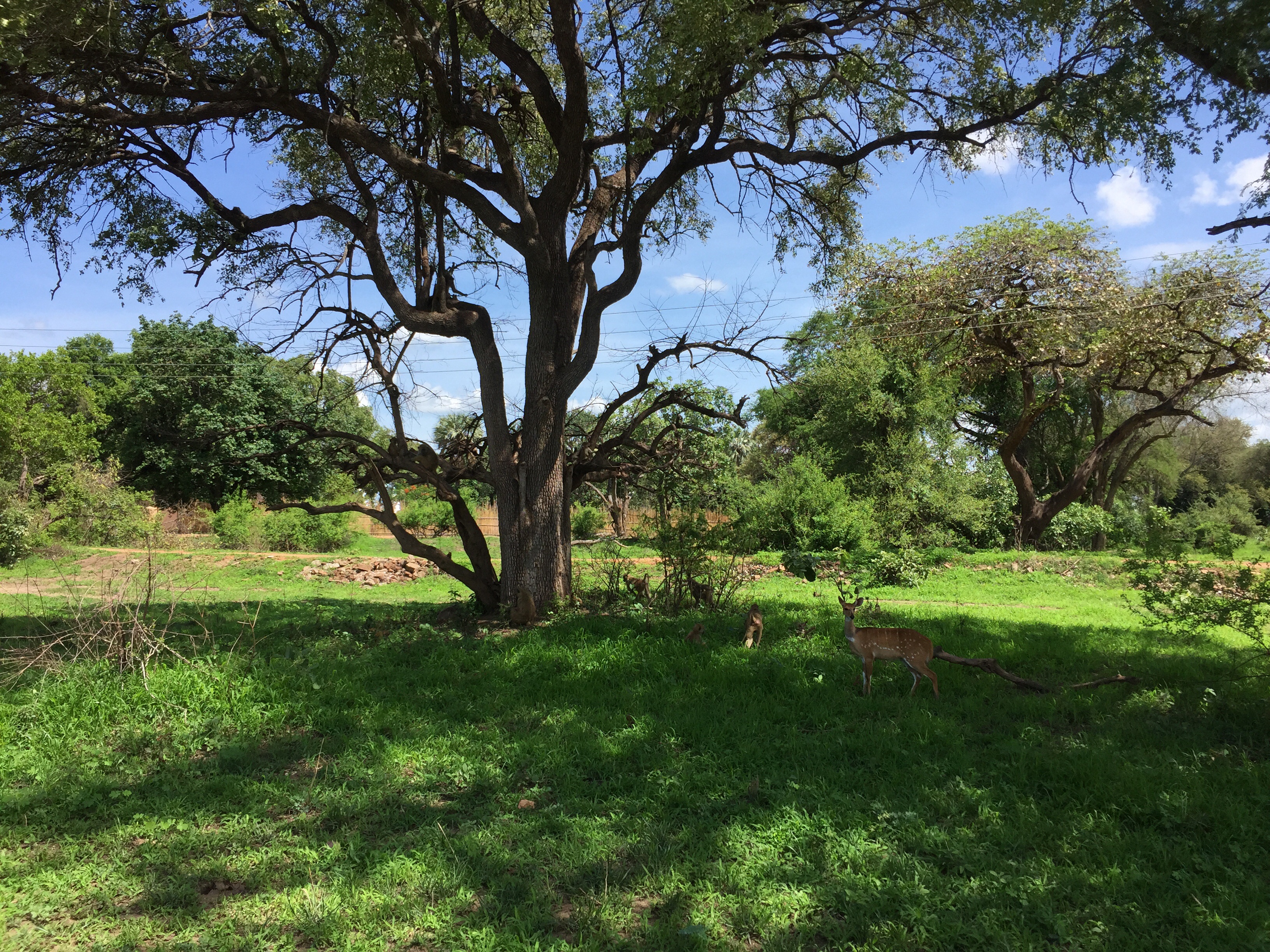
Bushbuck antelope are loving the new greenery after the first rains

The place was seething with insects as soon as nightfall came. All sizes and shapes of insects I’ve never seen, and a lovely bunch of mosquitos, plus thieving baboons and monkeys to avoid. A gecko pooped on me while doing yoga on the patio, and the swimming pool had a warning sign advising “please make sure there are no hippos, snakes or crocodiles before swimming.” We managed to eat our meals in peace, since the waiters carried slingshots to threaten any monkeys away, and took a sunset safari in the park to see pukus and zebras who truly have only white and black stripes (that carry on all the way under their bellies). After running into a few more grazing hippos on our way home after dark just outside of camp, we were relieved to sleep in our bush tent, especially once the thunder and lightning started up.

Livingstonia, Lake Malawi and Likoma Island

Malawi is a new country for me, but felt somehow familiar and friendly right away. Lonely Planet calls it “Africa for Beginners,” which might not be totally accurate, but it was a breath of fresh air after the crowds and chaos or Dar Es Salaam and Tanzanian travel.

Welcome to Malawi

You cross the border, and the pace of things slows down. Kids play with sticks and stones, literally, and the stone game Bao was one we actually learned and got quite good at. Stress levels drop, people decrease, and our bus was often the only car on the road for the 130km drive from the border, to Karonga, and then Chitimba Camp where we slept in our hammocks beside the beach.

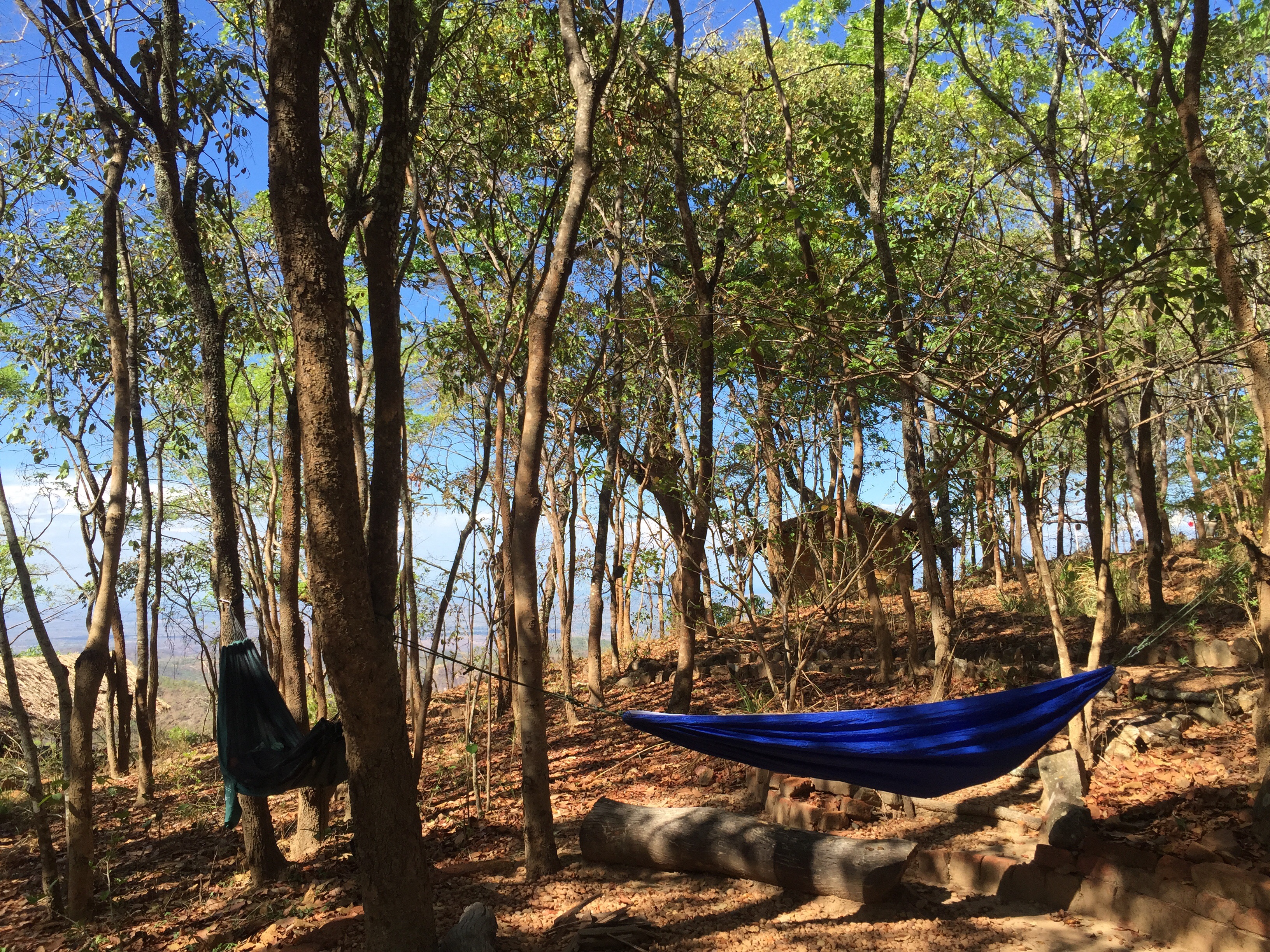
Our cozy beds – hammocks in trees

We wanted to visit Livingstonia, which was only 16 km away from Chitimba, and walking up the crumbling and windy mountain road should have taken only slightly longer than driving it in a beat up pick up. Most of the other roads were fine in Malawi, and the lack of traffic made them seem safer. But for this dirt-road, even hiking seemed dangerous. We met four other Mzungus wanting to go up the mountain and decided to share a car, even though we were paying four times the local price. It was just too hot to imagine hiking up with 10kg of luggage and enough water to make it 1,000m above sea level.
The bar and dining area at Lukwe

The main two camps are Mushroom Farm and Lukwe Lodge, both very well run eco-lodges. Compost toilets, solar power, organic gardens and potable spring water created a sustainable environment, and the mostly vegetarian, hippy/hipster, yoga type travelers lazing around reading for leisure made the atmosphere perfect. We only stayed one night, and it was a cold night in our hammocks, but we hiked to the falls and Livingstonia village, taking all kinds of “short cuts” that mostly made us hopelessly lost and take a lot longer.

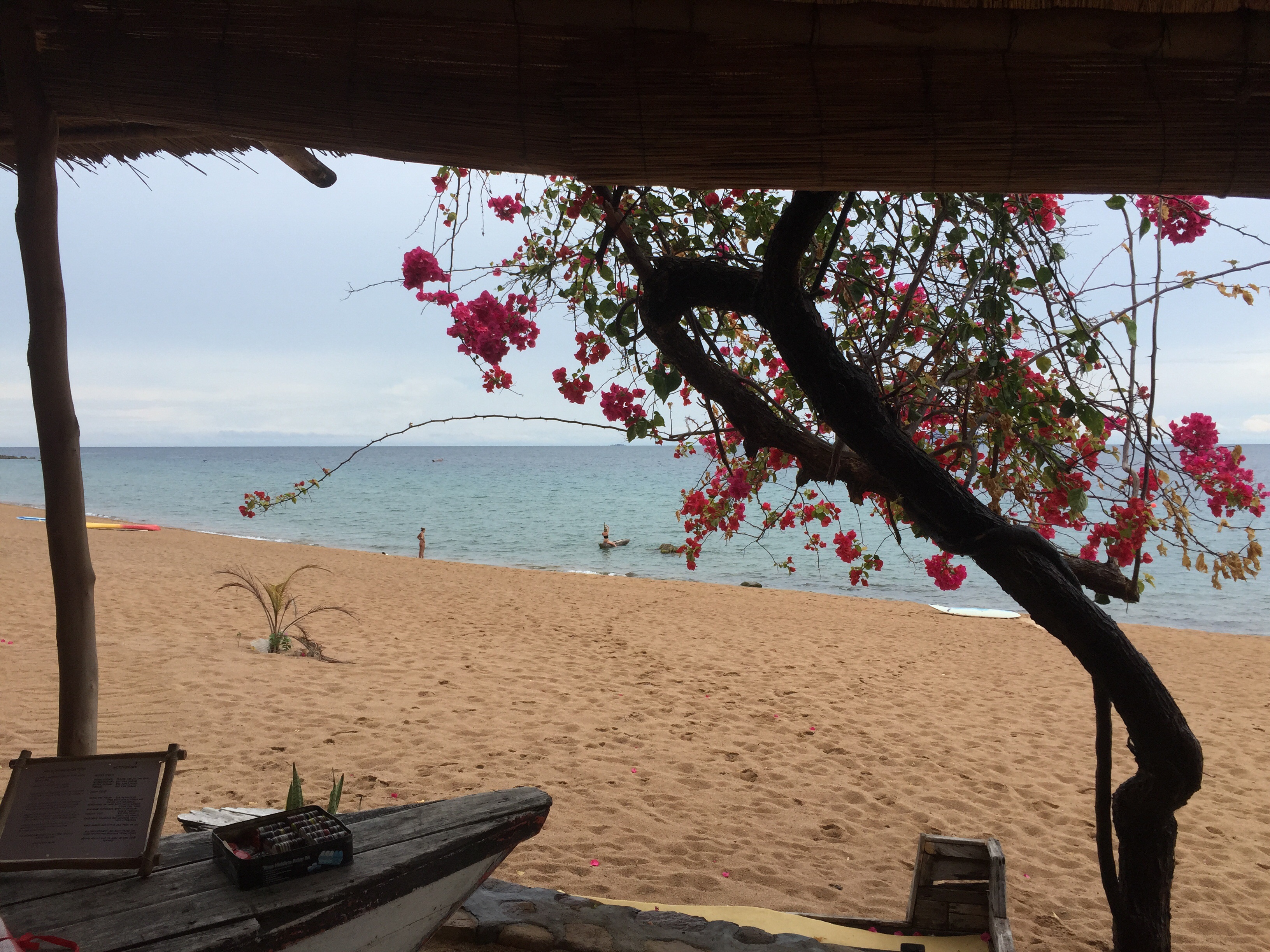
Chitimba Beach and a dugout canoe

We bounced around Lake Malawi to two other beach camps, first Nkhata Bay, then Kande Beach. We were trying to get to Kande Stables for some horse back riding, but they had just vaccinated their horses and the rains had started so we spent most of our time at Kande doing yoga under thatched roofs and playing cards with Kuche Kuche beer.

Nkhata Bay sundowners

Nkhata Bay was addictive. Its this tiny slice of Malawi that has perfected the backpacker appeal, especially at Mayoka Village and Butterfly Camp, both running eco-friendly and community supportive initiatives. There’s the token beach bar, a PADI dive center, a safe little village with a market, an ATM, and a couple restaurants catering to westerners. We stayed at Mayoke, where kayaks, snorkel gear and stand up paddle boards were free to use. Everything you ate or drank got added to a tab, and by check out time 3 days later, it barely cost $40 for all our meals, booze, accommodation, and a 3 hour boat trip to feed fish eagles and cliff jump (off trees off cliffs!).

Getting shuttled off the ferry at Likoma island

Nkhata Bay is the main port for boats to Likoma Island, and we were lucky enough to fit their infrequent ferry schedule into a 2 night trip. The boat was supposed to leave at 8, but left at 10:30, and was supposed to take 6 hours, but took 7 and a half. But the boat was airy, roomy, and only started to smell like fish after a cargo stop at Chizumulu Island. The fisherman rowed up to our ferry to sell us a few fish each, but it was more impressive to watch how they maneuvered these dug out canoes with a single wooden paddle, standing up and rowing over waves – I tried to row one a distance of about 150m and it took more than 30 mins and I almost flipped 3 times. But I still got a free drink out of it, because some people can’t make it 1 meter (and that’s with legs outside the boat – inside is nearly impossible).

At Mango Drift

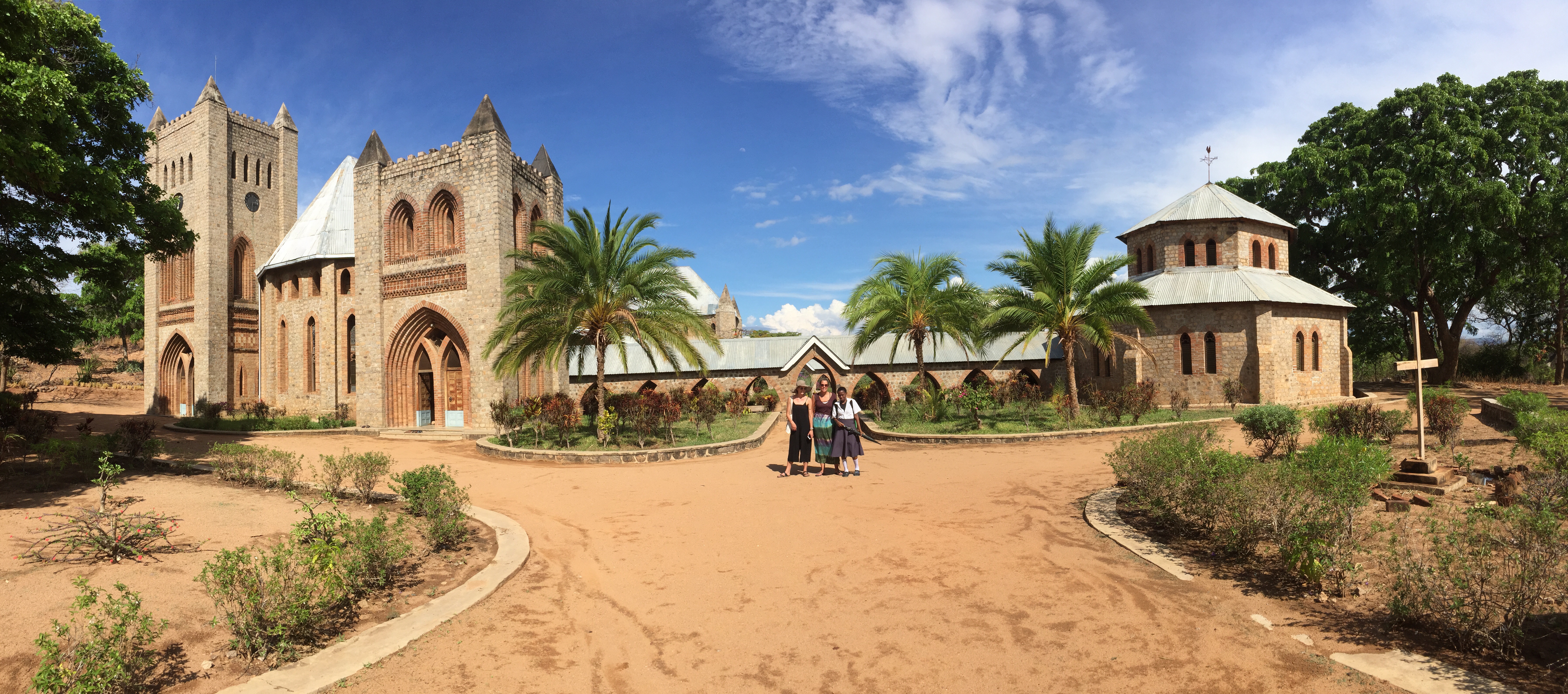
There’s not much to do at Likoma Island other than do a lot of nothing. Snorkeling, diving, SUP’s and kayaks were also available, and the main tourist attraction is St. Peter’s Anglican Church, but they do boast one of Africa’s best boutique hotels. I didn’t get to visit, and it cost an arm and a leg just to eat there, so I’ll save it for some romantic getaway another time.

Coming back victorious on the dugout canoe

Malawi felt slower and safer than Tanzania, but also in many negative ways. Wifi was nearly nonexistent, and where it was, it didn’t work, but our one Airtel simcard managed to give us enough signal for whatsapp and google maps. Malawi seemed poorer, but only in wealth, not in pride. People were happy, and took care of their shacks with dignity, swept the street garbage, and never complained about carrying sacks of maize on their heads at high noon up the Livingstonia road. All the market ladies came each day to sell their goods, even though they all sold the same things. Oil, salt, tomatoes and dried little fish were repeated stall after stall, and no one ever seemed to buy it, but bananas and cassava (which grew everywhere!) were also in season and that’s what I saw people eating. Mangos didn’t need to be sold because they fell from the sky, plump and ripe and ready to eat, faster than we could eat them.

St. Peter’s cathedral

They say tobacco rules (and sometimes destroys) their economy but I barely saw any tobacco farms and only one brand of local cigarettes exists. Only one type of local beer is sold, and a handful of terrible moonshine gins and pineapple liquor pretty much summed up the only other local produce. I really wish the avocados had been more in season, but goat meat was sometimes fresh and live chickens roamed around quite healthily.

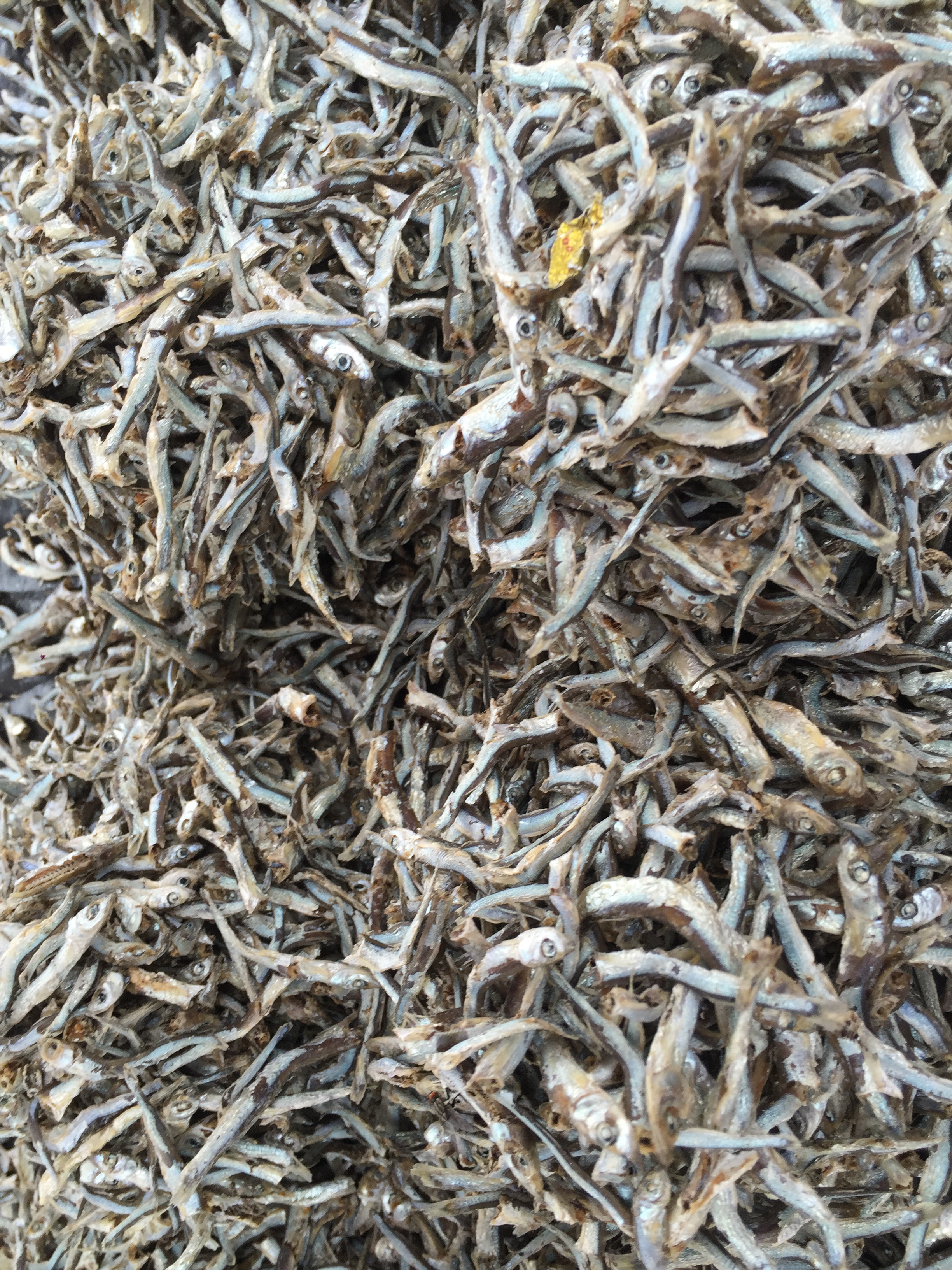
I can smell the fish just by looking at this photo

The one thing I was relieved to leave was the power cuts – for every 24 hours of black out time, the electricity provider sometimes turned on power for 8 or 16 hours, only to turn it off for another day or two, and this repeated itself over the days we were there on some ridiculous schedule, just convenient enough to keep our torches and phones charged, but not much else. Having a generator was a luxury item, and funnily enough Likoma Island, the more remote place we visited, was the most power sufficient. Our ferry back from Likoma was filled with dozens of 25 kg sacks of dried fish, the same as the ones from the market, and after lying around and on top of them for 8 hours, I’m still trying to shake the smell one week later… I definitely won’t miss that smell.

Zanzibar, Pemba and Mafia Islands

Before Tanzania became Tanzania, there was the African continent part called Tanganyika (named like the lake), and Zanzibar Archipelago (including Pemba and Mafia), but after a short independence from colonization, they combined to form Tanzania in the early 1960’s. Zanzibar island itself is called Unguja, since local people refer to Pemba, Unguja and a few other nearby smaller islands together as Zanzibar. Mafia Island is associated with the Pwani region, further south along the Indian Ocean coast, and just the name alone created enough mystere to justify a visit.

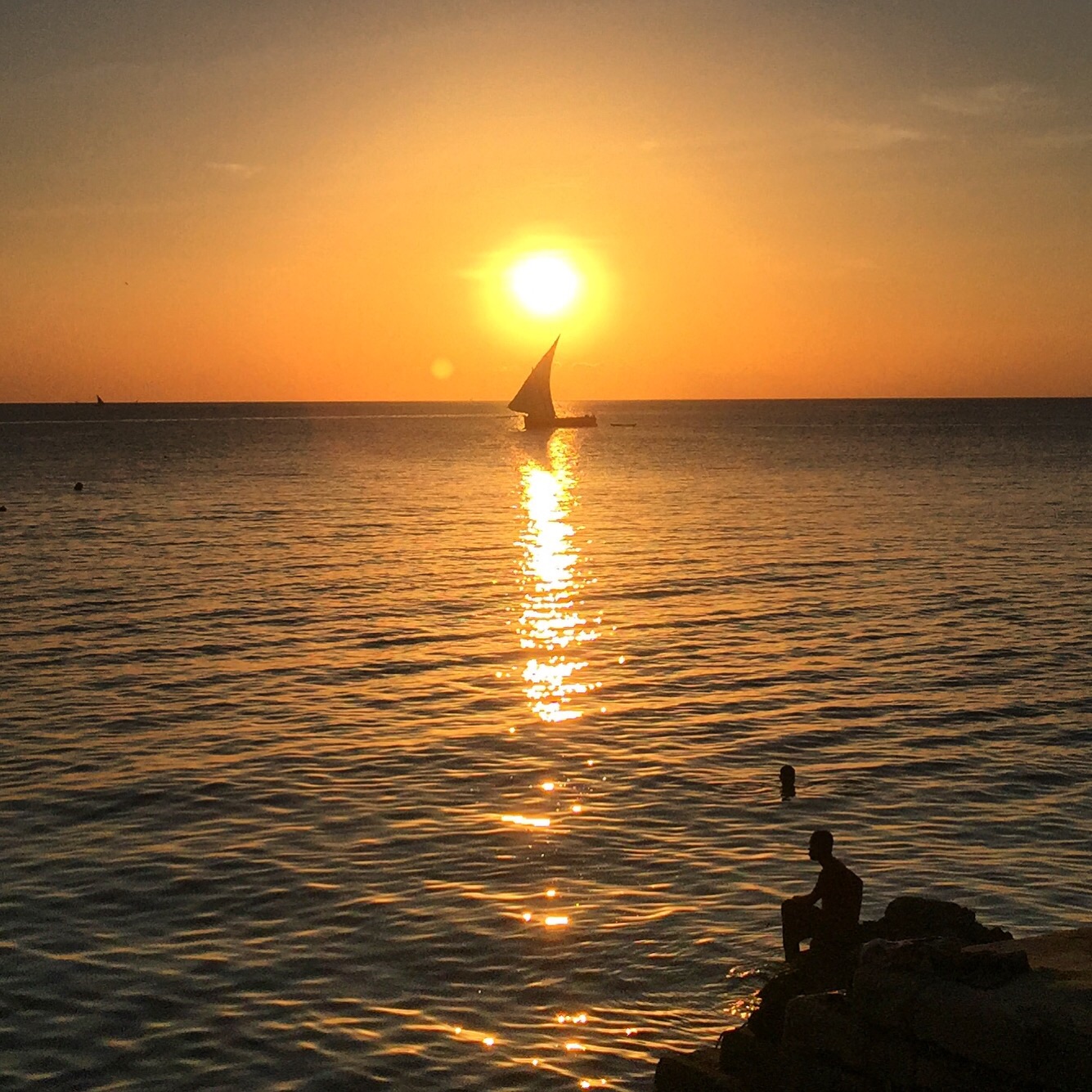
Sunset from the west coast of Zanzibar

Zanzibar was the cheapest, easiest and most convenient to get to, although we pay about 10 times the price to ride the same boat locals take for the 2-5 hour sailing (depending on the boat and time of day you go). Our first days were spent on the east coast, at Mustafas near Bwejuu, and Demani Lodge near Jambiani, and a short visit to Stone Town on the west port side. Then we made it north to Kendwa and Nungwi, where we were surprised to find a lot of Masai warriors on the beach. They spoke Italian, Spanish, English, German and Dutch, depending on which lady they were speaking to, and somehow managed to succeed in selling what some so affectionately call a BCH (‘black cock holiday´).

Traveling with Olli, at our porch camp at Nyamisati

We had a normal beach holiday, splashing around in crystal blue waters, and managed to ward off the Masai´s at a couple beach parties. We went back to Stone Town to meet London guy and his friends, and wandered thru the old town´s maze of Arabian-influence architecture and once-upon-a-time thriving madina. The wooden doors always caught my eye, and the Indian food we ate was quite possibly the best Indian food I´ve ever tasted.

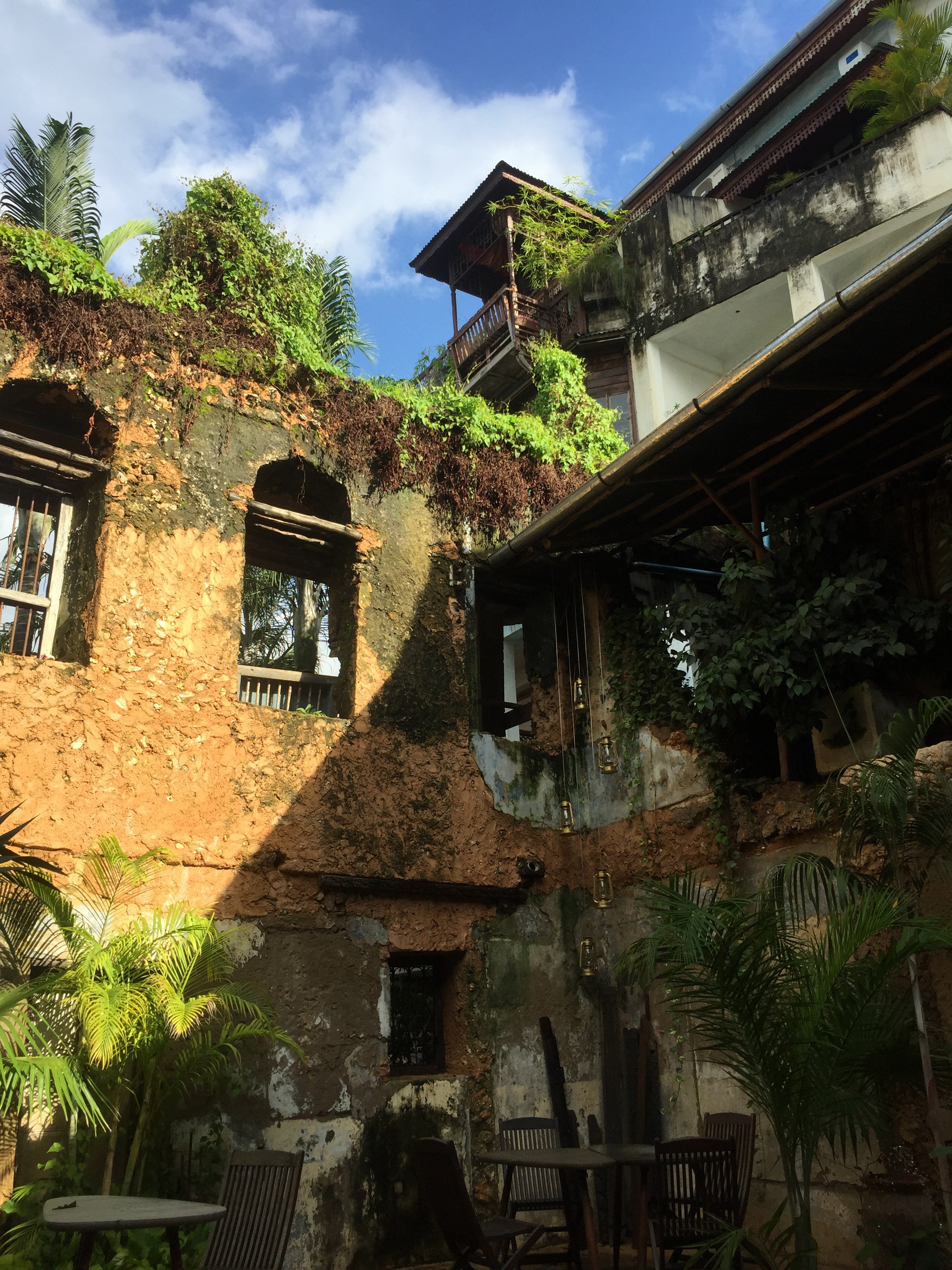
Turning ruins into atmosphere – the garden at Emerson Spice Hotel

Pemba was worlds apart from Zanzibar, a more conservative, Islamic island years away from Zanzibar. It was quiet, rustic, rural and wild, and we explored the island by foot with the chief’s son as our guide. He took us only because he wanted to practice his English, but I’m sure we were more rewarded by the experience. We stayed near Mkoani port, sleeping in our hammocks at LaLa Lodge, where the absent owner was actually visiting for the first time in 6 years. He seemed completely disinterested in making any money out of the business, as he spent his time there helping with construction and didn’t bother charging us for our drink tab. We probably could have stayed for free too, but it seemed reasonable to pay $10 to access his private bedroom and use the toilet and hot shower.

Unloading the Mafia ferry

I´ve never seen a loaded refugee boat in person, but I felt like I´ve boarded one after our visit to Mafia Island. A wooden boat with a dingy motor, big enough to maybe fit 50 people, crammed nearly 150 with all their cargo, luggage, babies, live chickens and dead fish, and headed out for open sea from Nyamisati at 3 am to arrive in Mafia more than 5 hours later. I sat on a narrow bench, a woman under the bench and her head by my feet, with my head on a corrugated steel panel half-awake for the journey, and my sleeping half thought ‘well, if it sinks, I know I can swim.´

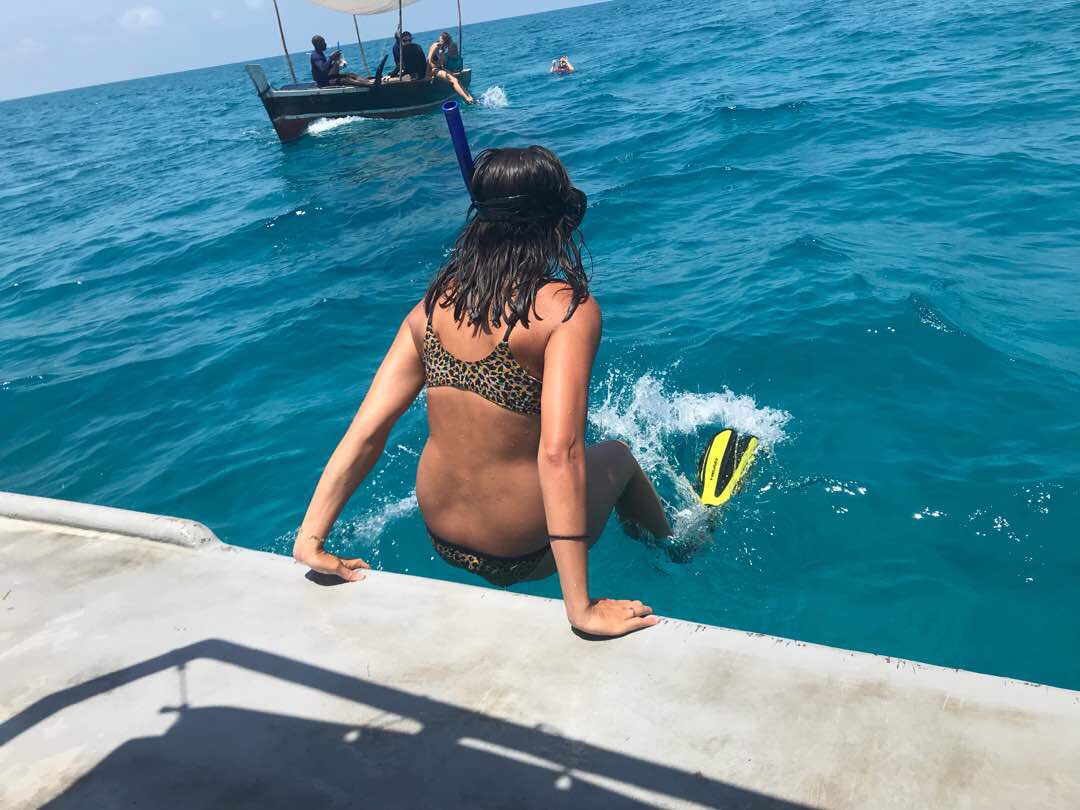
Snorkeling with whale sharks in Mafia

After arriving dry and whole, Mafia Island was well worth it. The deep-sea port was nearly a kilometer long, so disembarking was a lot easier than wading thru the mud in Nyamisati. We rented an entire house for maybe 40 euros a night, right off the beach, and got picked up by fishermen to swim with whale sharks. We didn’t time the tides right so had to wade out a kilometer to get into the boat, but that was also totally worth it after snorkeling just inches away from juvenile whale sharks. I can’t even imagine the intimidation from a full-size one.

Getting to the beach thru the mangrove channels at low tide

We visited the Rufiji Mafia Marine Reserve at Utende and tried our luck at climbing coconut trees. Olli could do it without breaking a sweat, and we had a few fresh coconuts to drink. We slept in our hammocks at some hotel that sketchy Hassan runs and drank a bottle of sparkling South African wine next door that took 3 hours to arrive from the time we ordered it. It gave us enough time to plan the rest of our Tanzania trip and do some yoga, so we couldn’t complain, and since then yoga has become of nearly every day. After returning to Dar and before heading to Malawi, we actually found a place to buy yoga mats (or something like it), and bought one each. It wasn’t til the next day in Mbeya that I opened it and realized there was a picture of Mecca on it, and I had accidentally bough a prayer mat. Ooops.

Tanzania, take 2

Me and my friend Lucy decided over a champagne breakfast back in September in the Icelandic countryside to meet up and travel thru Africa for a month. From November 4 until December 10th, the tentative plan was Dar Es Salaam to Luanda, Lilongwe, or Lusaka. Luanda was quickly dismissed because no traveler in their right mind feels like over-landing thru all of Angola, with the prices of things, remoteness of places and language as pretty big barriers. Lilongwe would have required us to overland thru northern Mozambique, which is somewhat unstable and has terrible infrastructure, so the obvious choice became Lusaka. Lusaka itself isn´t much of a destination city, but it´s a green and tidy, spacious city (especially for African standards), full of malls, worth a stop on the way to Livingstone, and so Livingstone became our final destination.

Lucy and I

Our decision meant we´d have about 2 weeks in Tanzania before heading to Malawi and Zambia for 10 days each. Two weeks in Tanzania barely lets you scratch the surface, and the actual overland part from Dar to Malawi was only a couple of days, since we made a lot of friends in Dar, zigzagged north and south along the coast and spent over a week island hopping in the Indian ocean. We were prepared for a lot of long, bumpy, bus rides and super-slow ferries, but some boat trips literally felt like overcrowded refugee boats with a 50% chance of making it with everyone alive. The bus trips always turned out okay, especially if you were lucky with your seat choice, but the number of car accidents, with cars, motorcycles and buses, that we saw on nearly a daily basis always made us count our lucky stars. A few breakdowns or flat tires on the way were then never anything to complain about, especially after we witnessed first-hand the fatalities some of those accidents caused.

Dhow boats, a daily sight

I arrived a weekend earlier than Lucy and had no idea what I´d do for the first few days. I found a last minute couchsurf host that lived in a half-finished house, so there was electricity but no water, and a toilet but no shower. One night later I was relieved to find out I actually had a friend from London who had recently moved to Dar, and staying in his guest room with air con, a private bathroom, and cleaning lady to make my bed felt like 5 star luxury. I was also lucky enough to coincide with the Bagamoyo Karibou Music Festival, and me and London guy roadtripped up there to boogie in the rain and buy lots
of mishkaki (meat on a stick), bbq´d plantains and chips maiai (French fries panfried into an omelette). I was also happy to coincide with avocado season, and buying perfectly ripened avocados the size of grapefruits for cents on the side of the road hasn´t been done since my 2010 trip to Colombia.

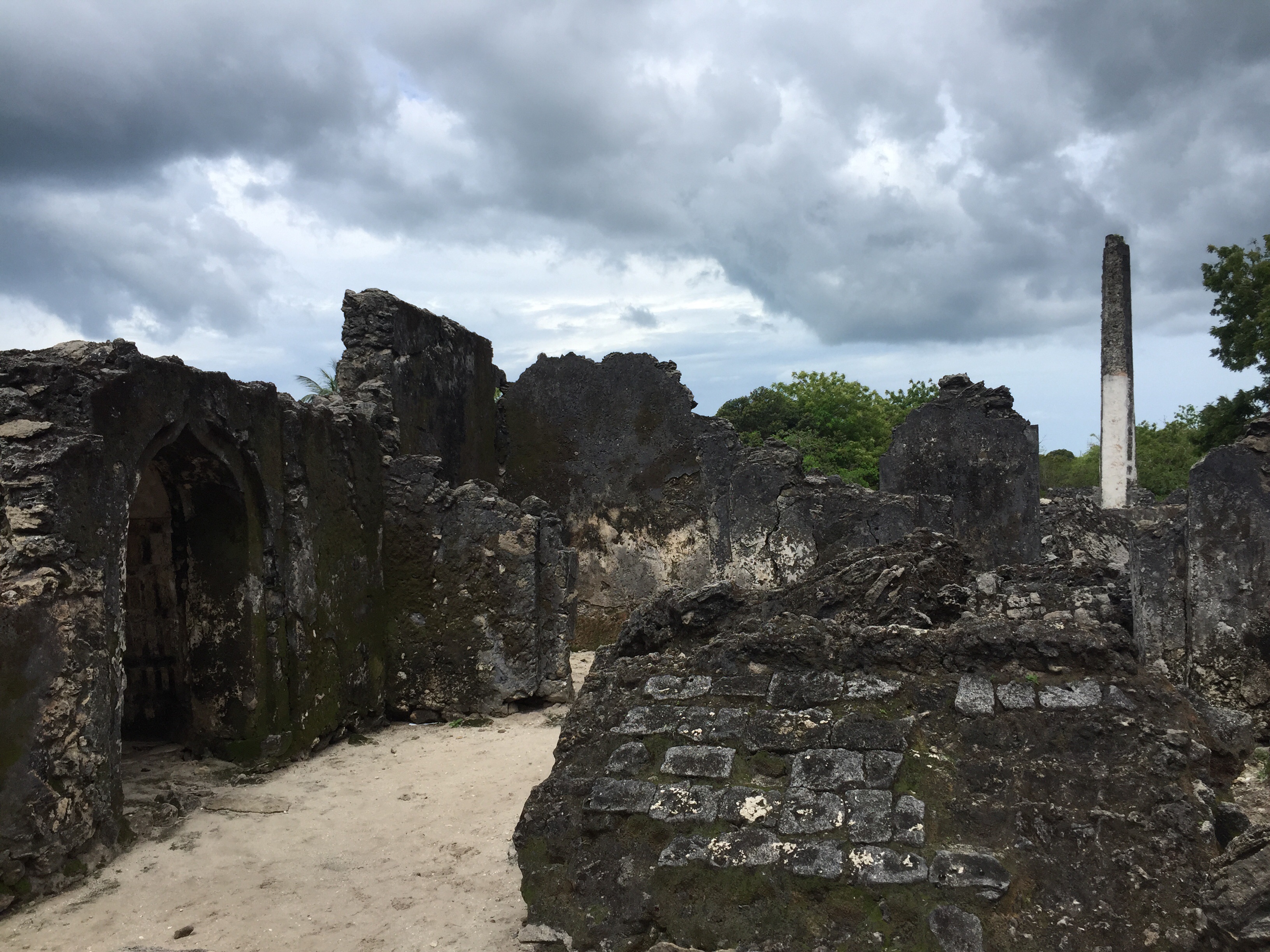
Kaole ruins

Bagamoyo was much more memorable for the Kaole Ruins, fish market, and the dozen or so ex-pats I met. I listened to their stories of where they were from and why they were in Tanzania, the benefits of having ‘blue’ and ‘green’ plates (UN and diplomatic) and also managed to meet up with two local friends I had met thru couchsurfer guy at a film
screening at Goether-Institute, a German initiative, in Dar.

Lucy and Olli at the entrance to the cave

Later, one of those local guys Olli invited us to visit his parents’ village in Kilwa, and we traveled there by public bus with a 25kg sack
full of shoes and clothes to give away. His cousin was randomly our bus driver and his toothless uncle hosted us in his home. We hiked to an incredible cave whose name I may never know, and literally crawled thru bat shit to get to some deep, dark, depths, only to find eels, frogs, prawns, and crickets living, totally devoid of light, in the underground streams and puddles.

Crawling out from the bat poop

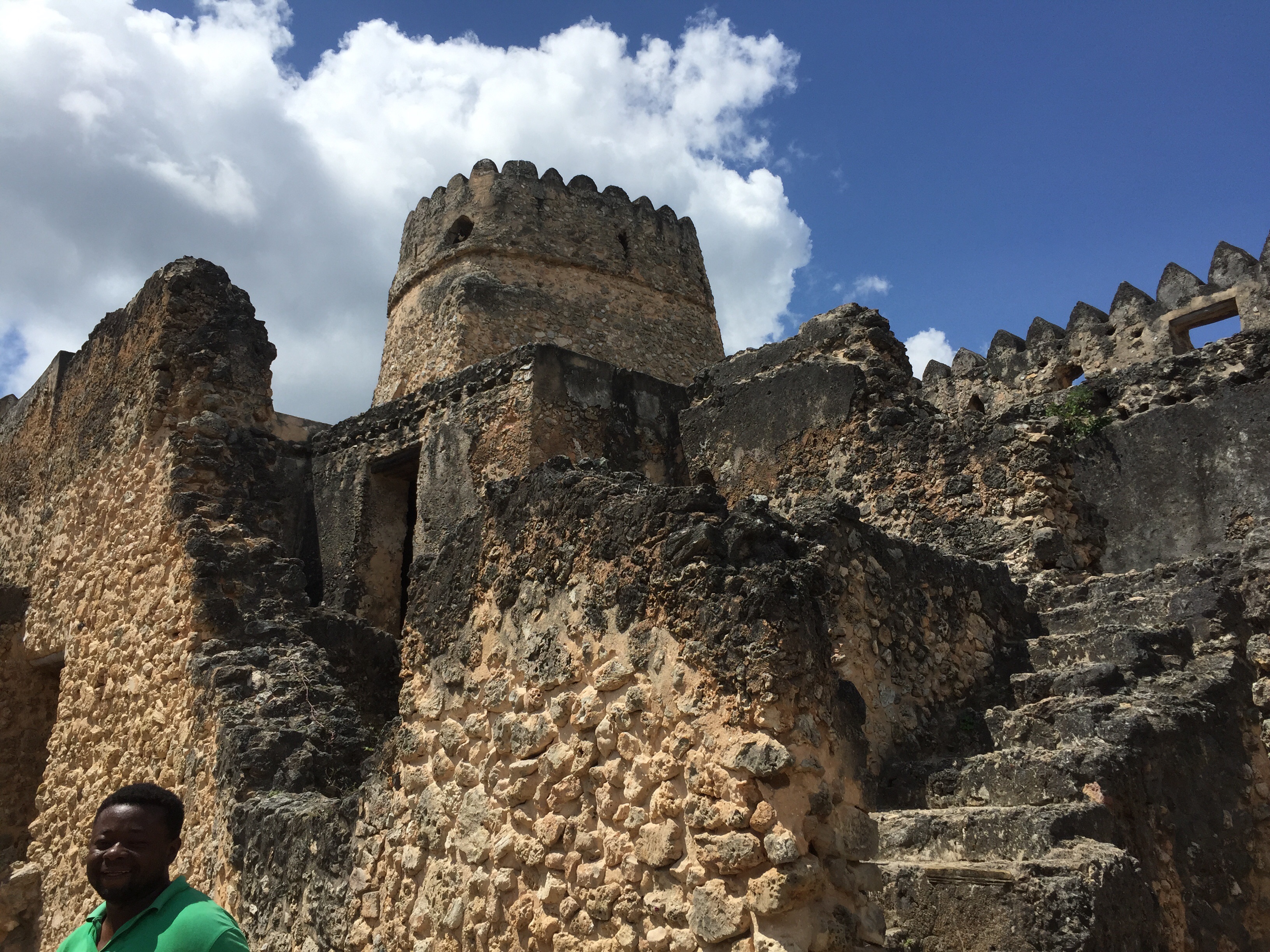
We carried on to Kilwa Masoko and Kilwa Kisiwani, an island full of ruins similar to Kaole, and an historically important link between Great Zimbabwe, the slave trade, gold coins, the spice route, and the Middle East.

Olli at the Kilwa ruins

We returned to Dar, which seemed to be the very inconveniently located center of things, and spend a couple of days at Kipepeo Beach. We ate the best breakfast I´ve had in Africa at Salt in Dar Es Salaam, attended a birthday party at some Brazilian/Swiss ambassador´s house, had sundowners at Slipway, partied at Q Bar and East 24, drank some legitimate coffees at a few cafes, and swung in hammocks with locals at Cocoa beach. From Dar, it was time to go to Zanzibar, and it would become a very different, far-away experience from Dar. My first, or second rather, impressions of Tanzania were not what I expected, random and disconnected, but still fell together perfectly for another novel, African adventure.

South Africa in 2 Weeks

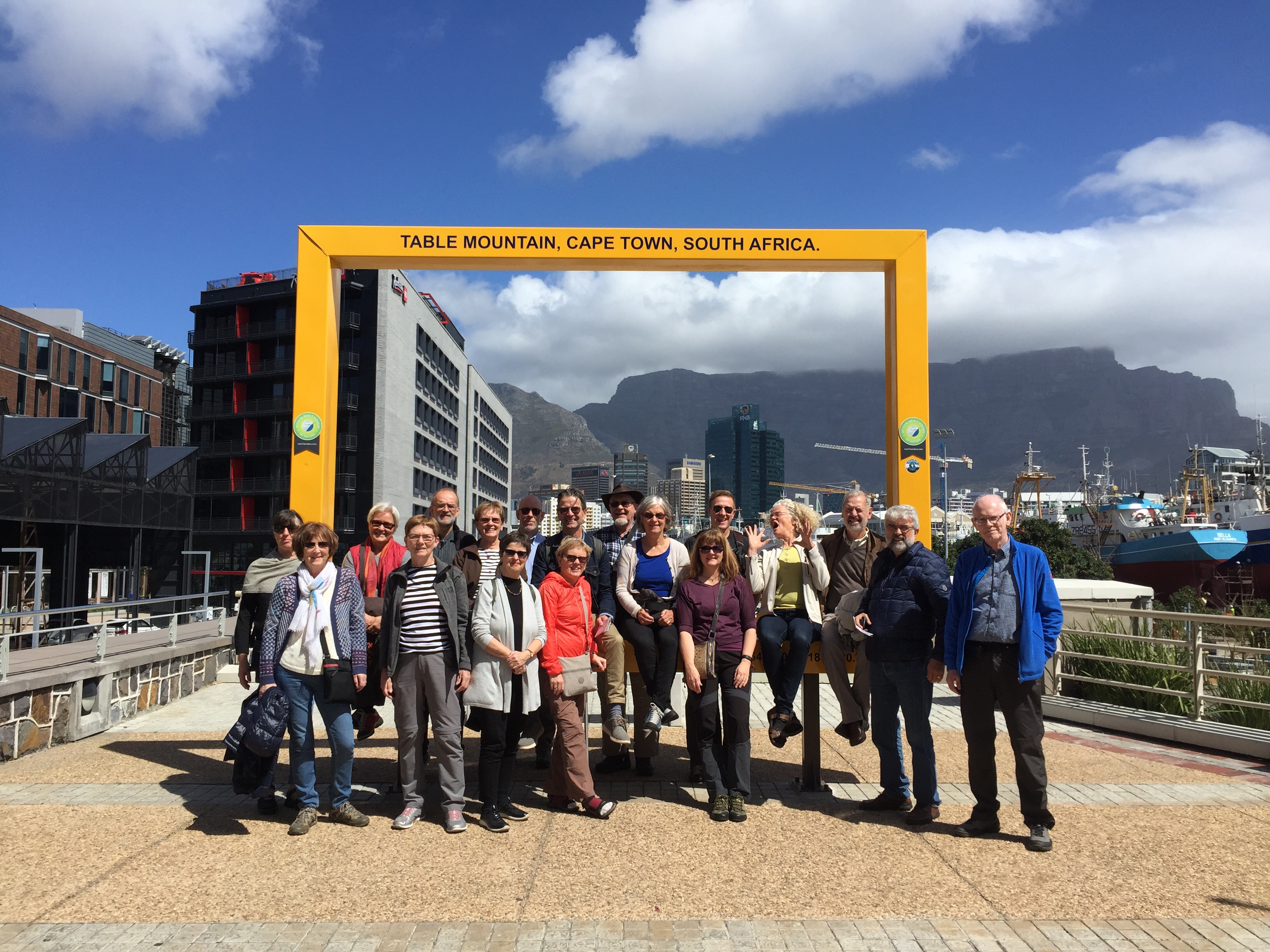
I’ve been a tour guide in Iceland for nearly 10 years, but I was still a little surprised when a tour company called Farvel asked me to be a tour guide in South Africa for a group of 20 Icelanders. But of course I said yes, with a big grin of confidence, and a few weeks later, I was sent off, all expenses paid (and a salary!) to Cape Town.

Welcome to Cape Town

I’ve been to South Africa 4 or 5 times before, but only as a broke student or cheap backpacker. Now our accommodation and meals were all pre-planned, at plush places like the Cape Town Hollow, Mama Africa, and vineyards in Stellenbosch, with a private truck, driver and local guide always taking us from A to Z. I was more like a tour leader, only making sure everything went according to plan, but I mostly felt guilty about being paid to be on this wonderful vacation.

The view from Table Mountain

In Cape Town, we visited the Waterfront and Table Mountain, took a day trip to Cape Point and Kirstenbosch gardens, and in the vine region we visited Stellenbosch and Franschoek for city tours and wine tasting. I always got a private room, with hot water, electricity, wifi, and even those little soaps and cosmetics I so love collecting and giving away to cute kids.

Riding past some llamas at Rozendal Guest farm, our home in Stellenbosch

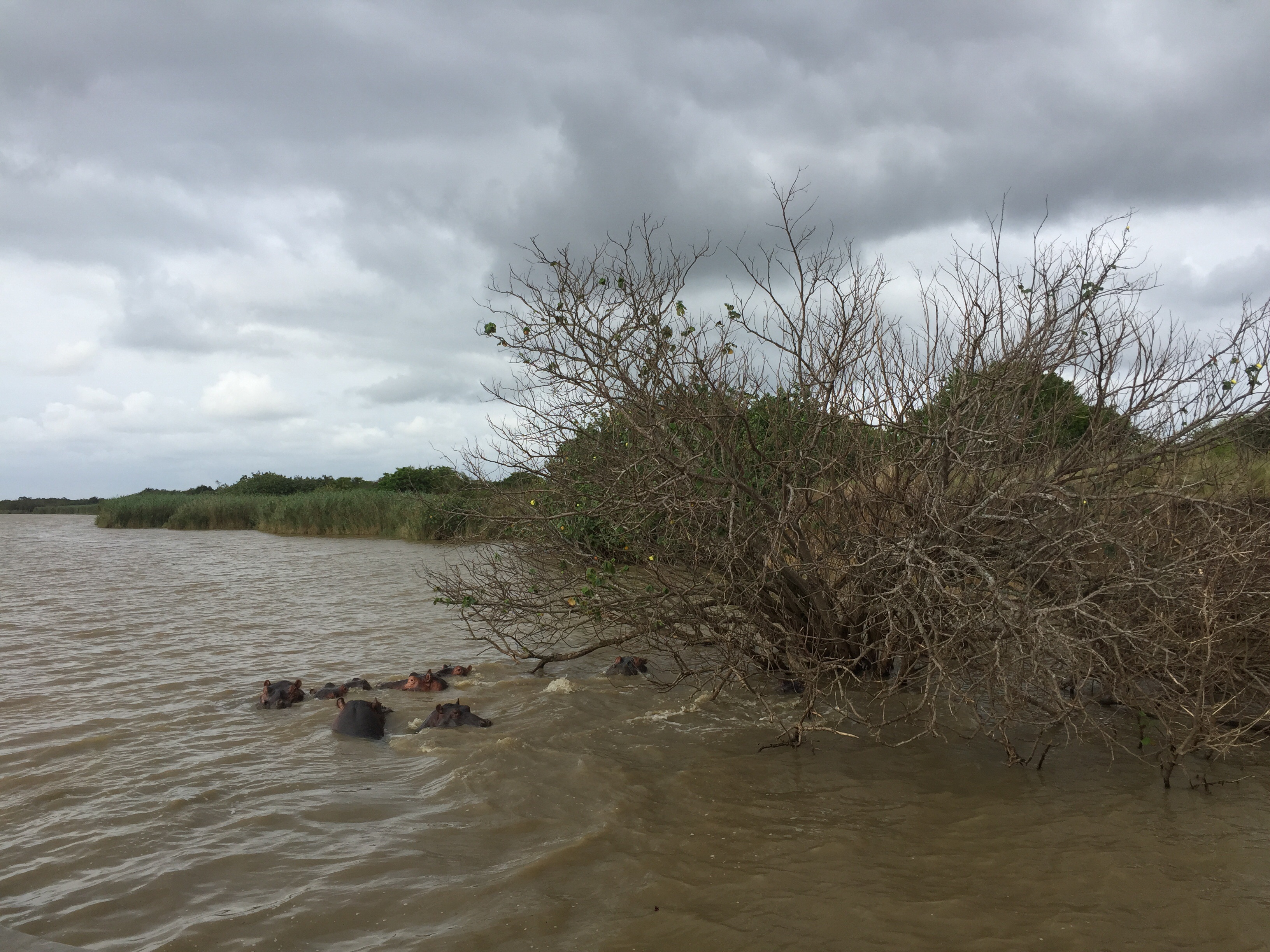
After some time in the Cape, we flew to Durban, and the feeling of arriving within the tropics hit us immediately, with hot humidity and thunder showers. From there we had another private car, driver and local guide, and roadtripped from the beach to St. Lucia. We took a day drive to Hluluwe National park, which was nearly everyone else’s first safari. We spent one morning on the iSimangaliso Wetland lake sailing among hippos and crocs, and the birdwatchers couldn’t get enough of the bright yellow weavers, African Fish eagles and Kingfishers.

So many hippos at iSimangaliso

We carried on north thru Swaziland, which Icelanders actually need a visa to travel to (it was an expensive pain in the ass to get in Cape Town since we had to courier our passports with rush applications to their only embassy in Johannesburg), and only stopped for a day.

Our overland truck with Nomads

A lot changes when you pass the border – the road quality deteriorates but the safety increases – but for the most part, it fit right into the feeling of our overland journey. We stayed at some 5 star, former King’s residence, which wasn’t much to write home about, but a walking safari and village visit in Mlilwane Wildlife Sanctuary were the highlight.

Learning how to grind flour on our Swazi village visit

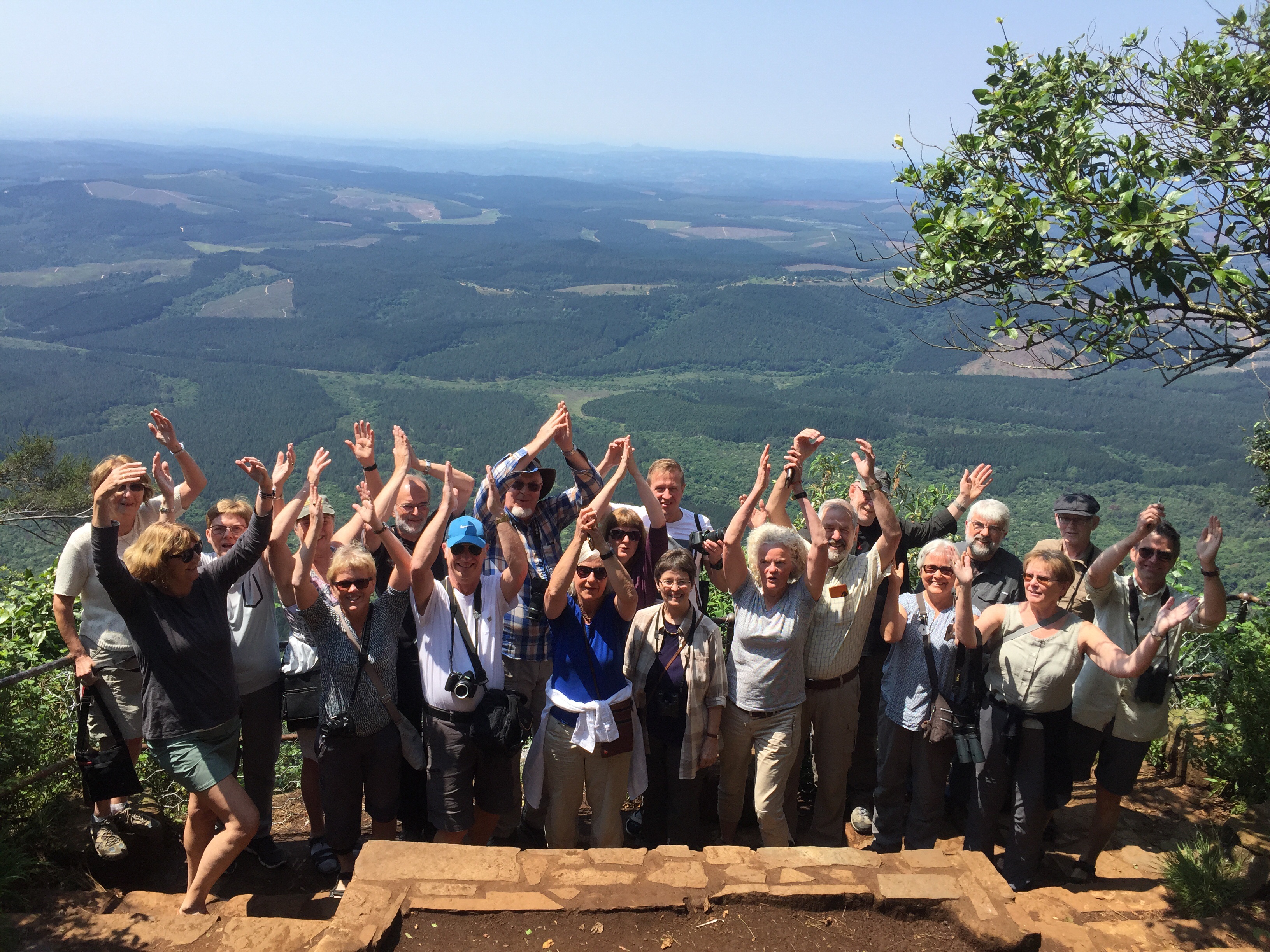
Another long day of driving took us to Kruger, where we stayed just outside the park at Hulala Lodge. It’s a slice of heaven in the middle of nowhere, and high enough up in elevation to enjoy cool nights again. We entered Kruger for a walking safari and a couple of drive safari’s, and were usually split into 3 groups. One of them nearly got trampled by an elephant and another one walked right up to a her of wild buffalo during the walk, and during the game drives, one truck saw all the big 5 (the other two missed seeing a rhinoceros, but we had all already seen one in Hluluwe). We left Kruger with stops at Blyde River Canyon, visiting Bourke’s Luck Potholes and taking in the incredible views at the Three Rondavels and God’s Window.

One last “HUH!” at God’s Window

We ended our journey in Johannesburg, which most people thought would be in an anti-climax, but our accommodation there was again wonderfully cozy, and a SOWETO township day trip became much more meaningful after visitng the country and hearing of Mandela’s struggles to create the South Africa we got to see. Two weeks had passed an we had become one big family, and my role was confusingly just as much a mother as a daughter. We said goodbye at OR Tambo, as I set the group off on their flight back to Keflavik. An hour later I boarded a plane to Dar Es Salaam, and had the wonderful feeling that my journey in Africa was just beginning

Cowgirls in Camargue

In Iceland, I have mostly German, British, and Scandinavian riders who come on horse tour, but the few Frenchies that drop in are usually the most memorable. Either they don’t speak a word of English, have no idea to ride or ride better than everyone else, and often drink wine like water. I met a Mr. Berquin this summer, one of the founding creators of the Henson horse breed – a cross between a French riding horse and Norwegian fjord horse. He invited me to ride at his farm, their origin in the Baie de Somme, but as fate would have it, I couldn’t make the trip dates.

the Pont du Gard near Nimes

Instead, I had the weekend before free, and thought I should go riding in France anyway, and after finding a Wow Air return flight for barely more than 100 euros to Paris and a bus ticket from there to Lyon for 9 euros each way, I just went. The south of France sounded much warmer anyway, and I couldn’t think of a better way to spend such little money in Reykjavik.

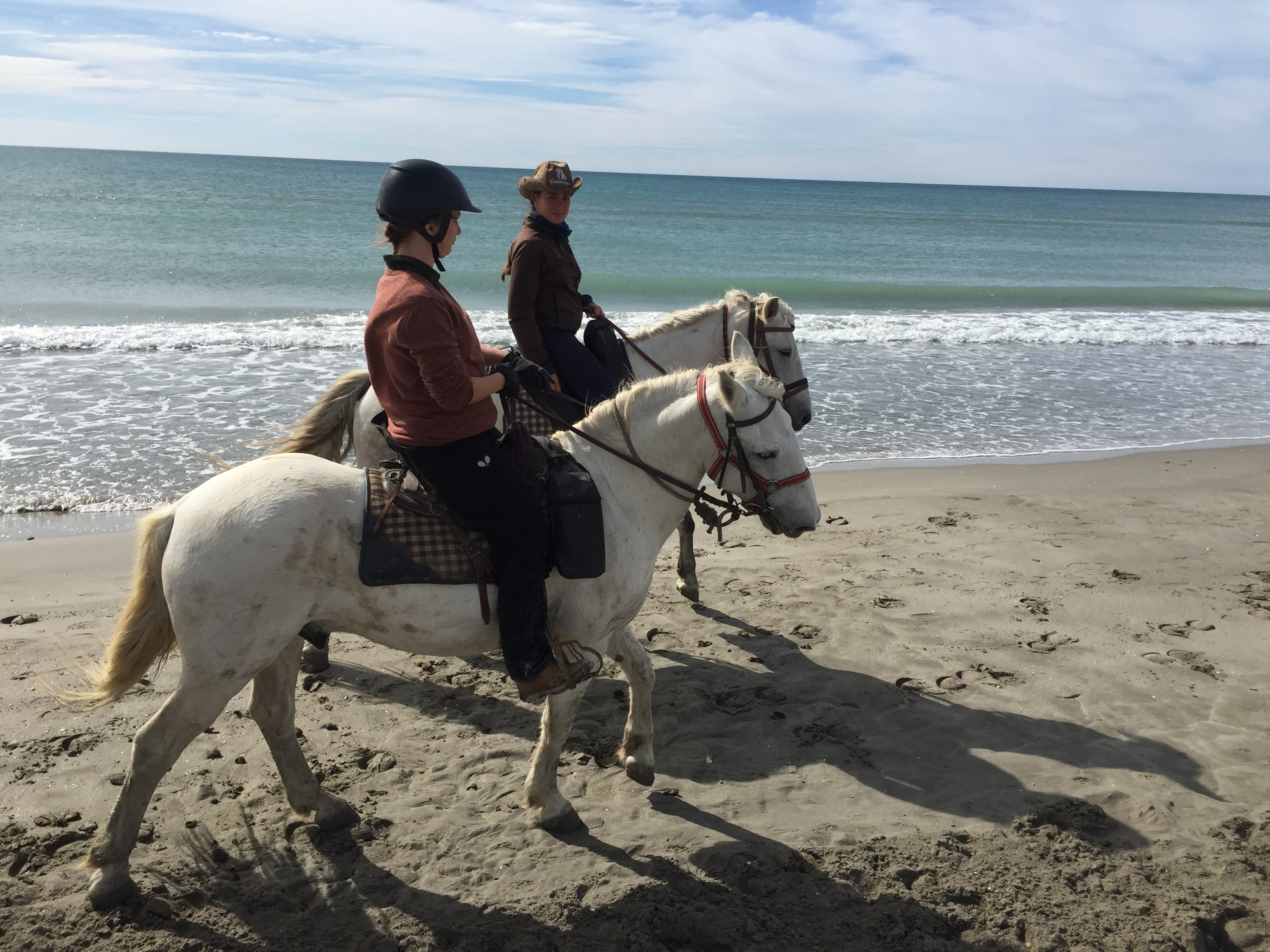
Alicia and I on the beach in the south of France

I have this other fun French friend I met last year on the Golden Circle, Alicia who also rode with me earlier this year in Kyrgyzstan. She lives in Lyon and decided we should go to Camargue and ride their big white beach horses. After a night in Paris (you always have to stay the night in Paris when you get the chance!) and a few hours in the bus, we were in Lyon drinking wine.

wine tasting at Chateau La Borie

The journey from Lyon to Camargue takes you through the heart of Côtes du Rhône, home to some of the best red wines in France. We stopped at a few vineyards (, and one in Chateuneuf-du-Pape, and ended our day trip at the Pont du Gard, that bridge and ancient Roman aqueduct that you’ve seen a hundred times in videos but never realized how to get there. That night we had dinner at the beach town Saintes-Maries-de-la-mer (why is the town name so long and how many St. Mary’s are there?), which, very appropriately, was a huge portion of moules et frites with white wine from the region.

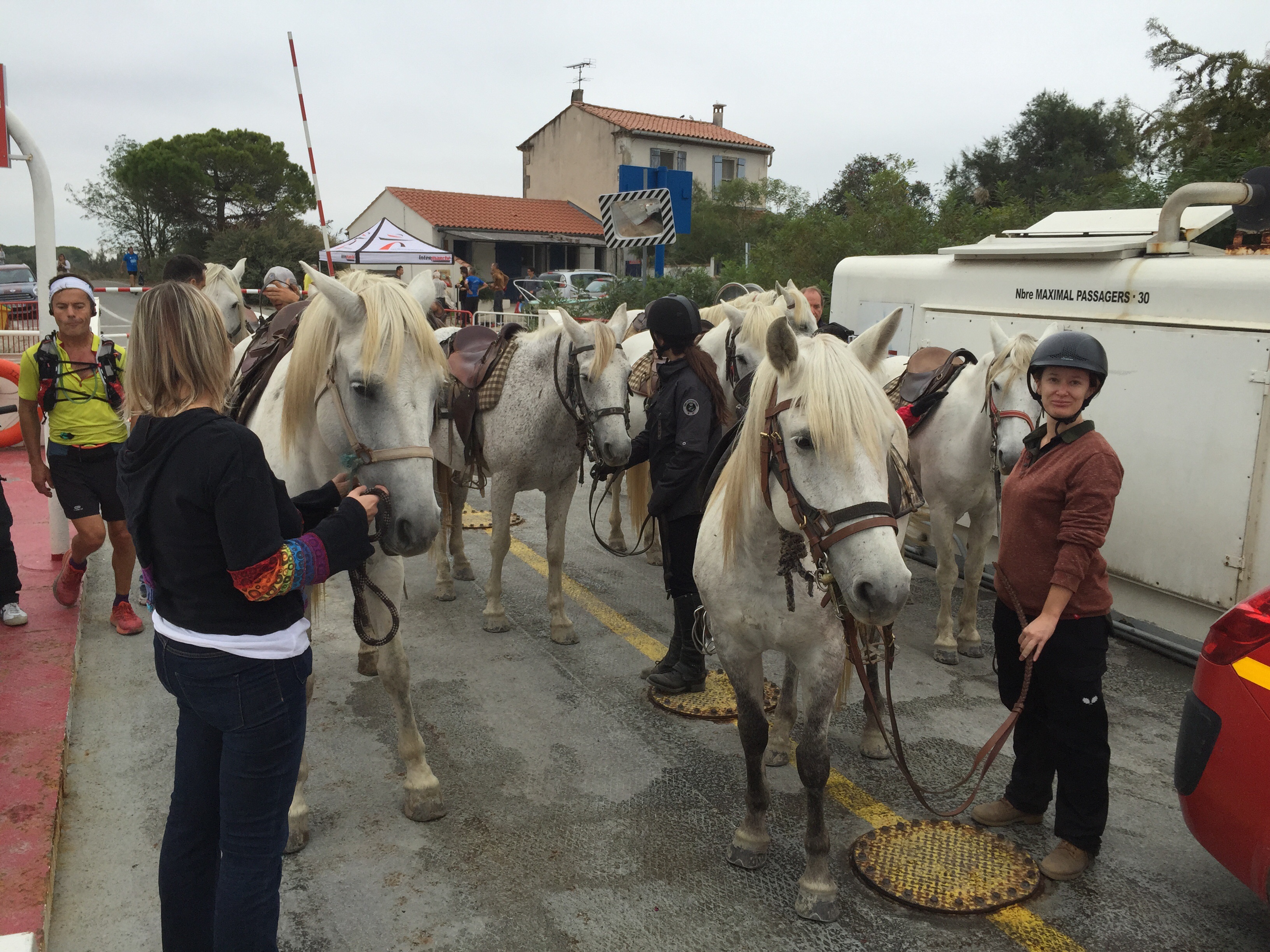
horses on the ferry -transporting our transport across the little Rhone

We rode Camargue horses for the weekend, and thought we were special, but there were 5 others riding with us the first day (all but 1 were beginners).We galloped on the beach and rode past herds of flamingos, and had picnic lunches that always included rosé wine. I had a cool Camargue cowboy hat and traditional Camargue saddle, which turned out to be terribly uncomfortable, but at least I looked and felt like a real French cowgirl.

approaching another group of Camargue horses

We were one group of many, and only by the end of the weekend did we realize just how many other Camargue horse farms there were in the area. One one random trail crossing in the wetlands, there were 4 groups that actually intersected, causing enough of a traffic jam that maybe yield signs or traffic lights might need to be put up there one day. We had to cross one river, an offshoot of the Rhone, on a barge, and we took our horses on board just as easily as the cars were allowed to be ferried across. Its the first, and probably the last time, I´ve ever ridden a horse on a boat.

Sicily and Sardinia

Islands are always a favourite when traveling. Little islands, hot islands, isolated islands, and especially islands full of great food and wine. I’d been avoiding traveling to Sicily and Sardinia for a long time because I thought I’d never leave, but lo and behold here I am in South Africa writing about it.

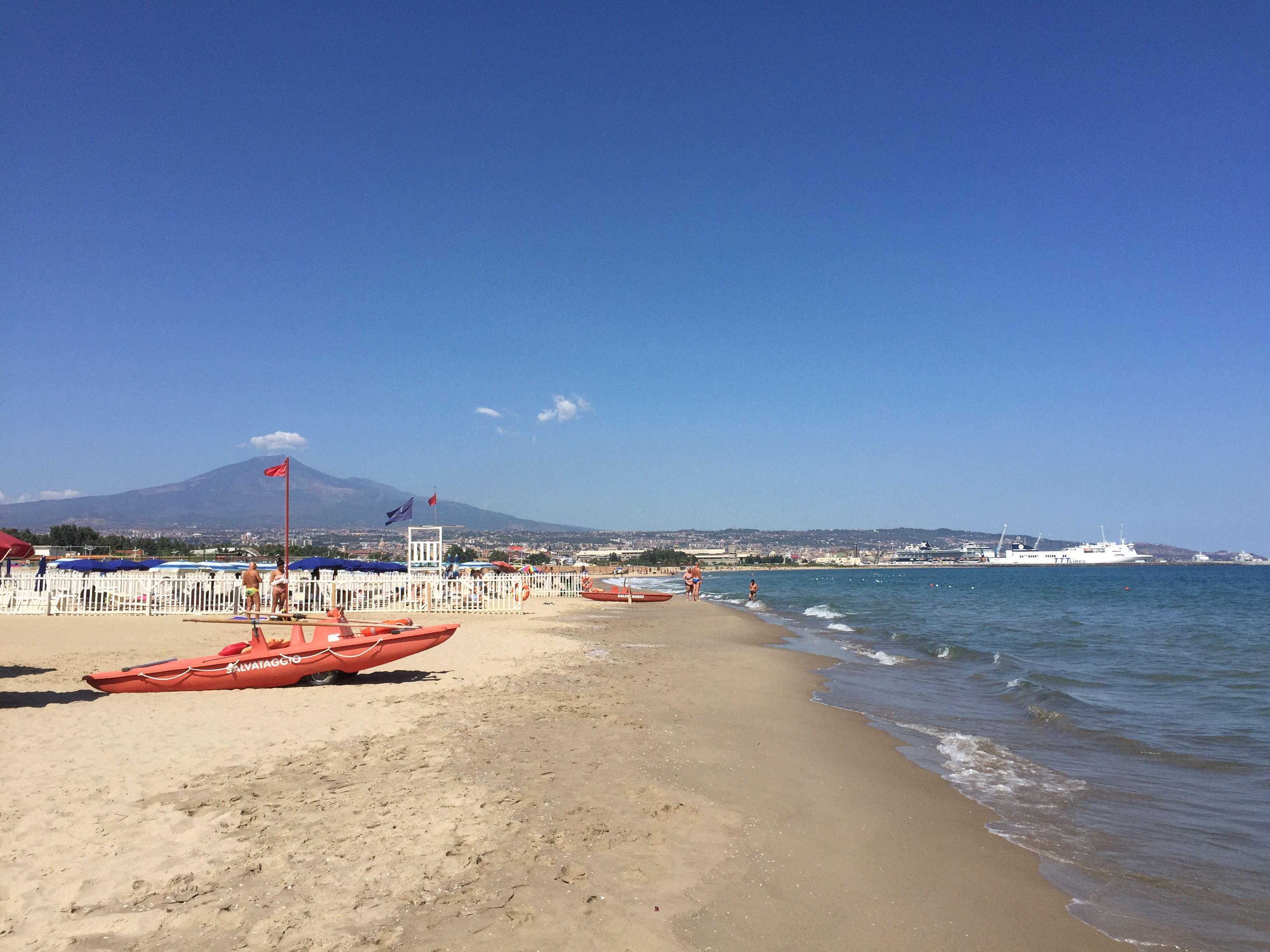
the beach in Catania under Mount Etna

Sicily is a name that brings a few thoughts to mind – pizza, pasta, seafood, wine, limoncello, Palermo, and of course, the Godfather. It’s so far south in the Mediterranean its actually closer to Africa than most of mainland Europe, but the airports and harbours offering dozens of flights and ferries daily mean it stays closely connected to the rest of Italy.

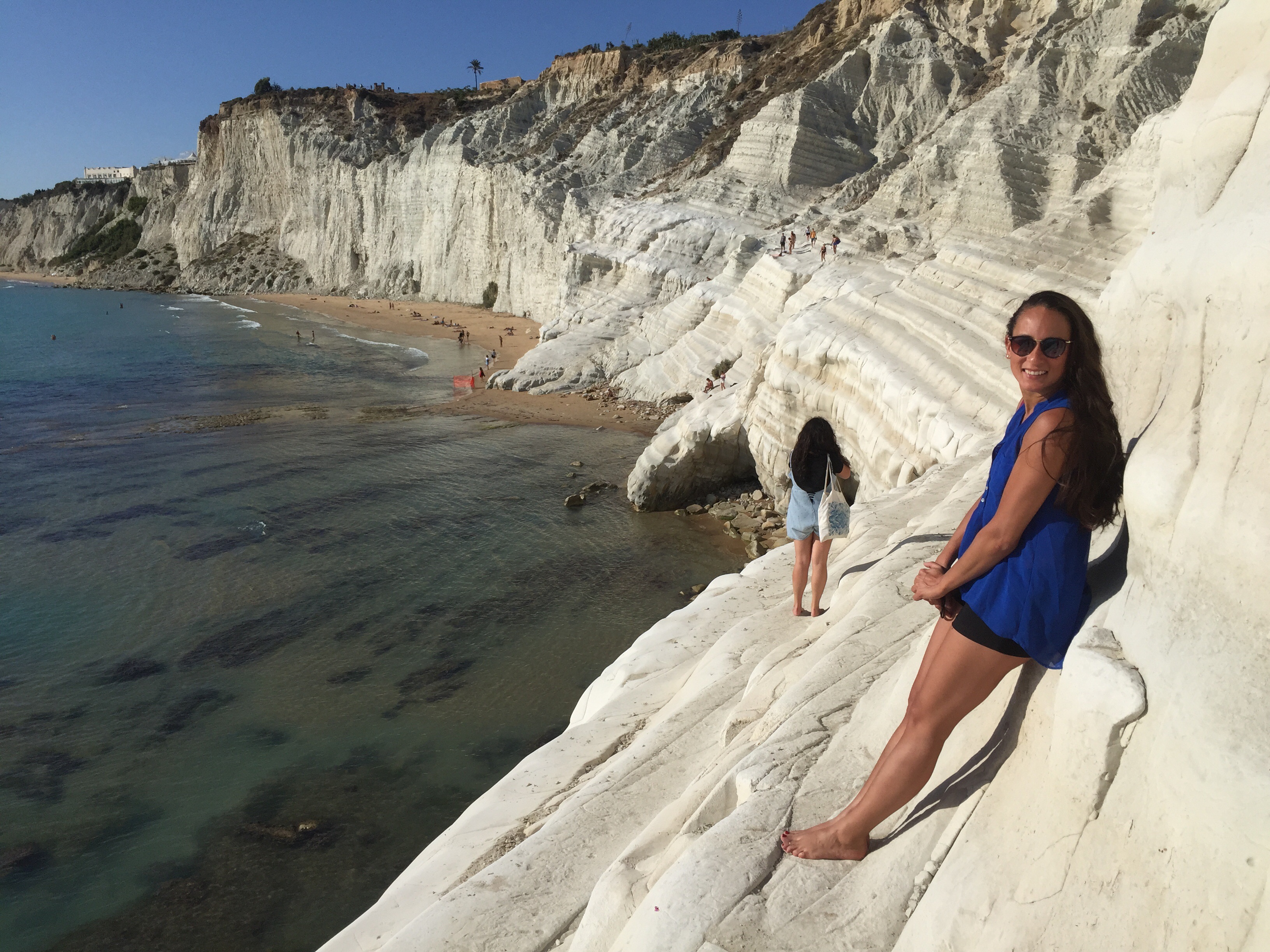
on the Scala dei Turchi near Agrigento

I was traveling with my older sister, who has traveled a bit but can definitely be defined as more conservative than me. She had her first couchsurfing experience a couple of months ago with me in Ireland, but now we planned to couchsurf for the next 12 days with Italian men. I knew what I was getting us into, but she was surprisingly flexible with their loudness, tardiness, and sometimes cheesy, sleezy behavior. Sicily was especially loud – not just in volume, but smells, sights and culture. We took a break from couchsurfing one night and rented a boat to sleep in on Airbnb.

the grungy, but charming, quarters of Palermo at night

Sardinia felt more like another country. We were no longer just in Italy, we were in a place inhabited by Italians, with Roman/Greek/Arabic/African influences and a history reaching back to prehistoric times. Locals speak Italian, a small part speaks Catalan and many still Sardinian, a different language altogether.

the colourful, quaint town of Bosa

The cities were smaller but cleaner, the houses renewed, the weather cooler, the tourists (and locals) fewer, and the men, less aggressive. They had a local wines and a special berry wine called Mirto, but the familiar pizzas and pastas were still the highlight of most meals.

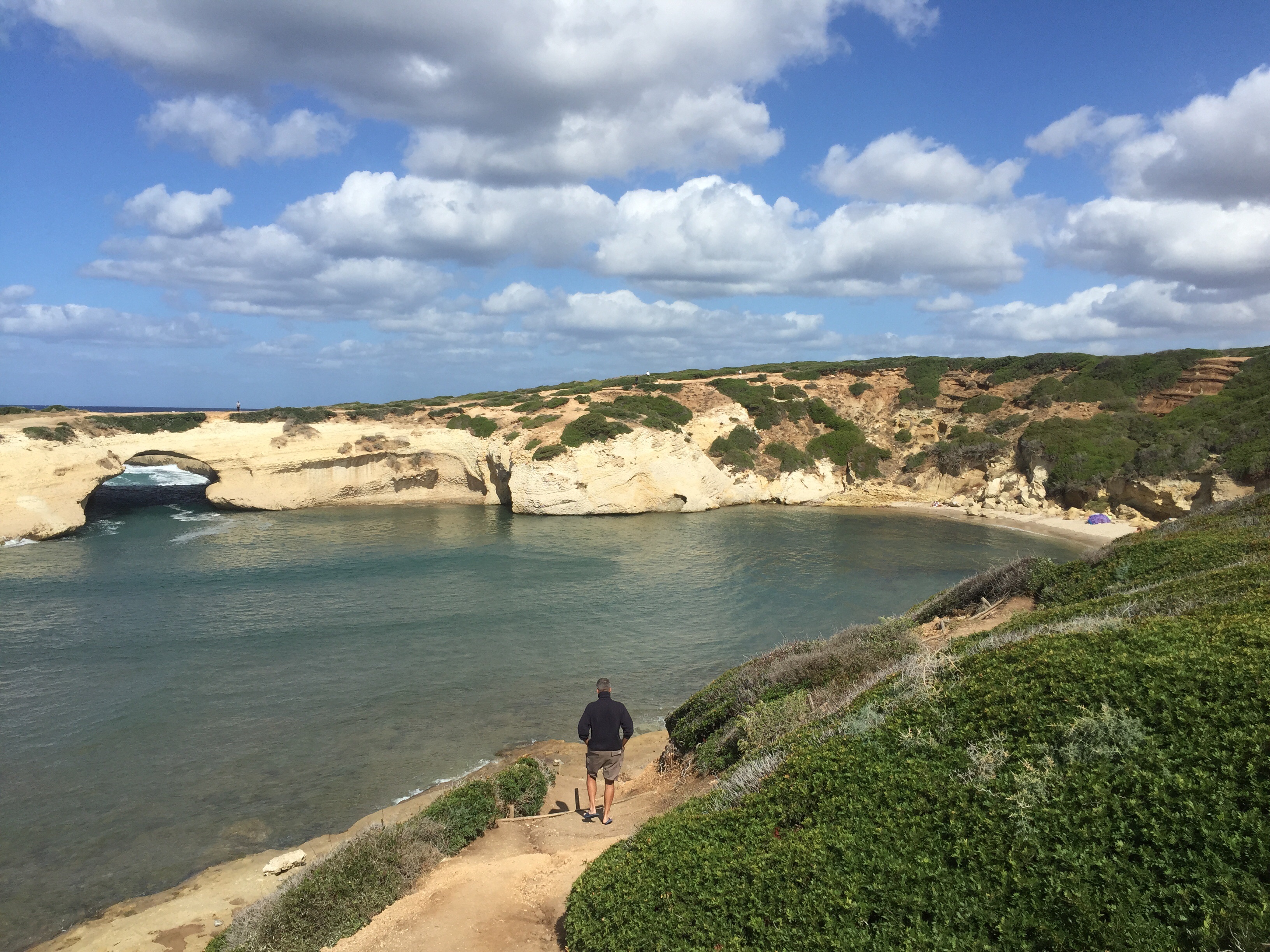
the s’archittu stone arch on Sardinia’s west coast, near Oristano

After our island hop and a few overnight ferries with Tirrenia, we ended up in Genova to catch a train back to Milan, where a direct flight could take us home to Keflavik. But en route, we of course had to stop in Gavi, Piedmont to wine taste the best Cortese and Nebbiolo Italy has to offer.

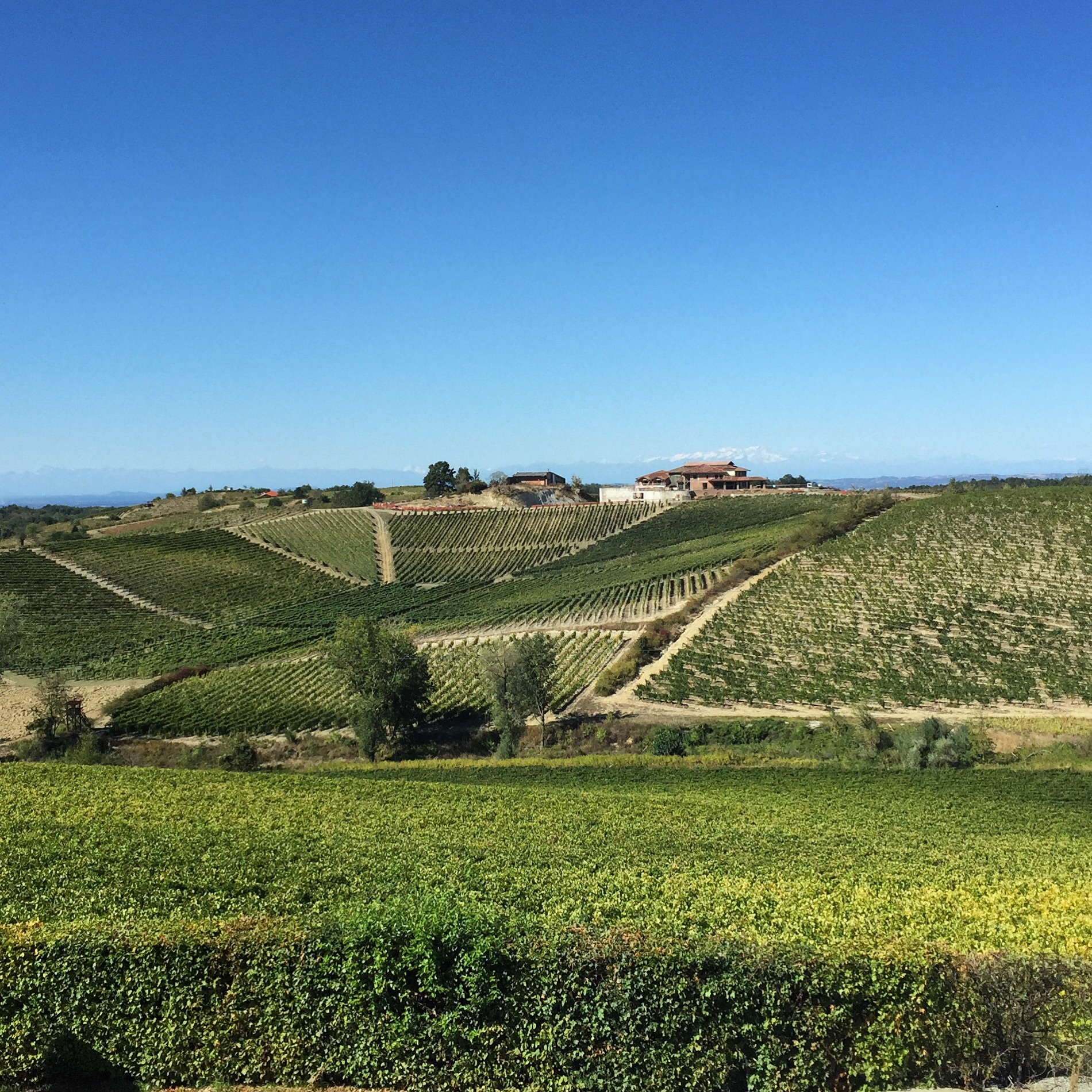
Broglia vineyard in Gavi

In Milan I took a 3 day wine course to certify myself as an official wine taster, and now I can finally say I’m on the road to being some kind of sommelier with finally completing my WSET Level 2 training. But that just makes me want to go back to Italy, maybe Tuscany, to get my WSET Level 3… what then?

Irish Days in Cork, Blarney & Cobh

Iceland’s budget airline Wow air started direct flights to Cork, only 2h15mins away, for a mere €150 round trip if you’re lucky. My sister and I found the cheapest tickets and decided to hop over for a couple of nights, and maybe try to find some of our roots from our great great great great great great… don’t know how many generations ago grandmother Melkorka, an Irish princess stolen by Vikings to make many, many red headed Icelanders throughout the generations. We were also going to let Kristjana try Couchsurfing for the first time in her life.

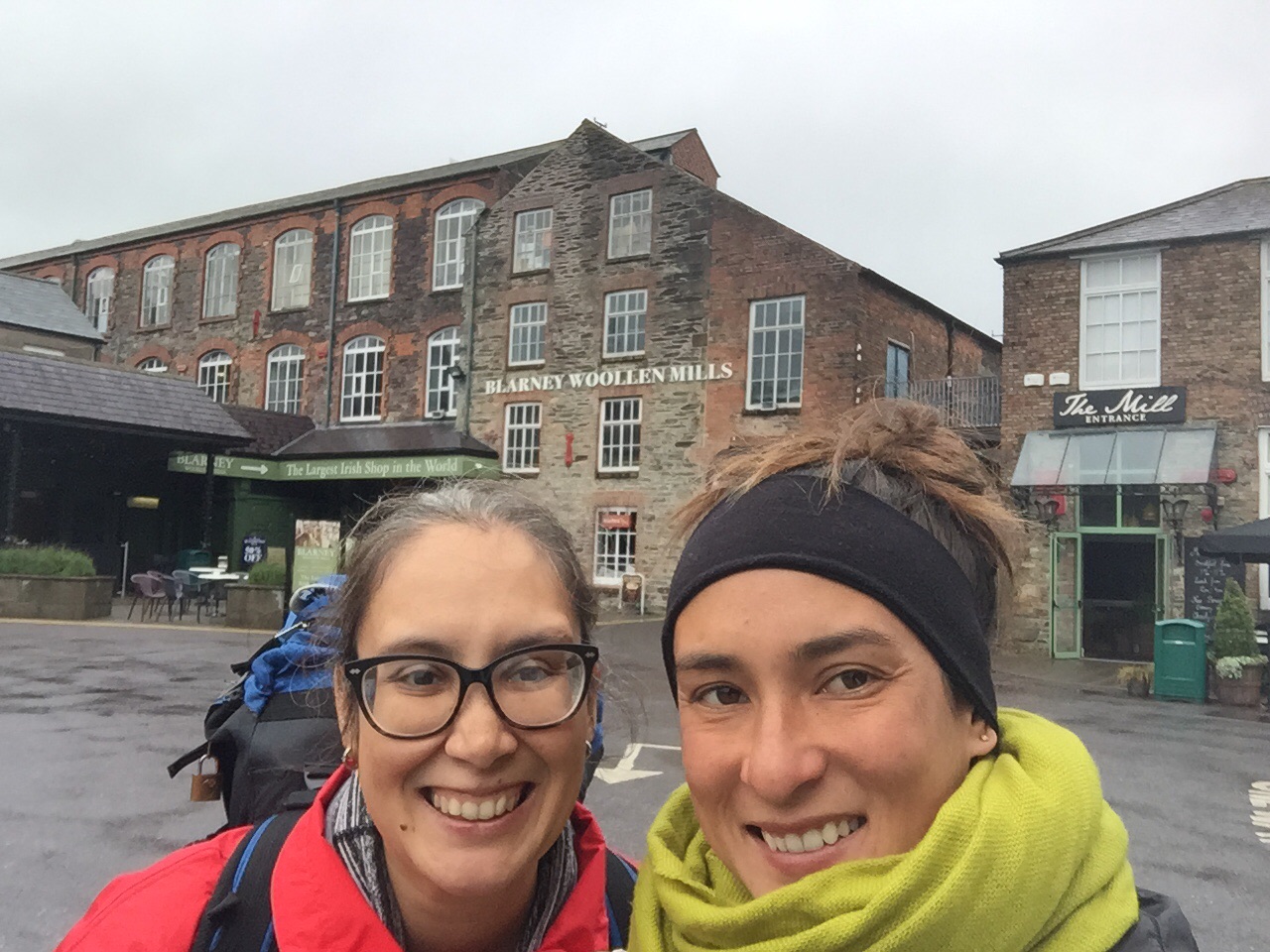
Me and Kristjana at the Blarney Woolen Mills

Cork, one of Ireland’s oldest cities and currently second largest, kind of has that small city/big village feeling. Similar to Reykjavik, you can see and do a few things in town for a day or so before you start looking further out to the very green countryside. Blarney Village and the port town of Cobh are less than an hour away by public transport, so we spent half a day in each of them.

Cork

Cork has a walkable city center, with lots of public houses, watering holes, and even a couple breweries right downtown. Definitey don’t miss trying some of the beers from the Rising Sons and Fransiscan Well, and for a dose of history and culture, dip into a few of the old, stone Catholic Churches and Cork City Gaol.

The old city jail, Cork Gaol

Take a bus to Blarney village to visit the Mills, Blarney Castle and gardens, and don’t forget to  kiss the Blarney Stone! Apparently it will give you the gift of eloquence and flattery, but you’ll have to ask my sister if that worked on me.

Kissing the Blarney stone

Go to the Kent railway station and take a 25minute train south to Cobh, the last port of call the Titanic stopped at. There you can learn a lot about other ill-fated voyages at the Cobh heritage center, visit a couple more churches, and walk down old Street and past the port to see some cute and colorful architecture.

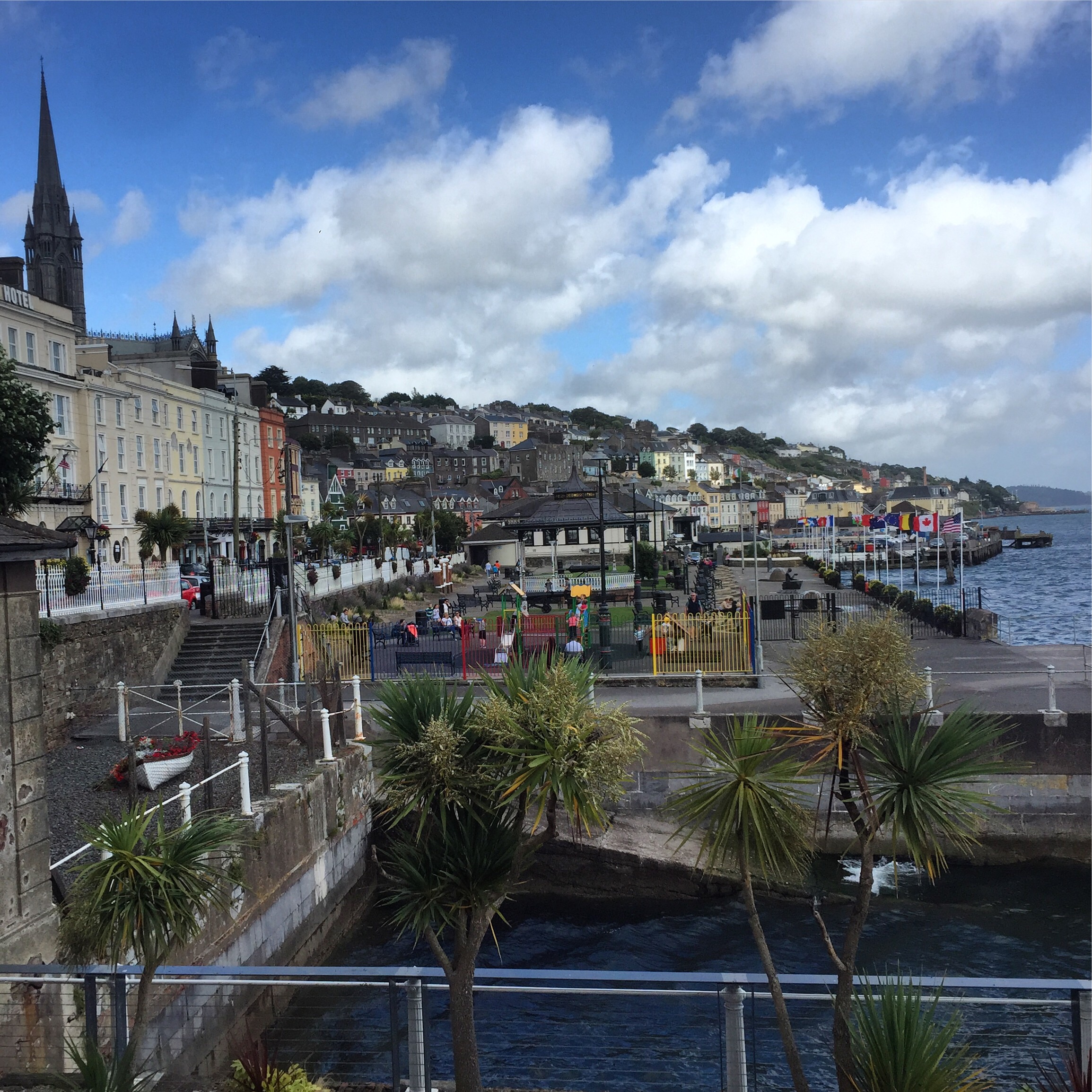
Cobh

Make sure you eat a full Irish breakfast every morning to have enough calories to burn for all the walking, drink some Baileys (or try Baileys cheesecake – it’s to die for) and an Irish coffee, have a Murphy’s or Beamish local stout instead of lunch, and gobble down some Irish stew or seafood chowder to make sure you come home a few kilos heavier. Atleast it worked that way for me! Next time I’ll spend more time looking for leprechauns and four leaf clovers, though there was plenty of green between all the gray.

Green fields at Blarney castle

Don’t take first time couchsurfers to surf in the nearby village Ballincollig, unless they really like pitbulls (we shared a garage with three of them on tiny couches), and try to find Central-American decent Parisians in downtown Cork – our host had a really big, nice apartment with  a guest room and private bathroom. I think that might have rebuilt my sisters faith in the Couchsurfing theory.

Weekdays in Paris

A weekend trip to Paris isn’t so expensive these days, with budget air lines like Wow Air and Transavia flyin for around €100 each way when you’re lucky. A weekday trip is even cheaper, with a one way flight as low as €80, so me and my sister, who has never been to Paris or France, decided to hop over for a couple of nights, Monday to Wednesday.

Me and Kristjana at the Sacre Coeur

We were lucky enough to miss the biggest day of rain in years, just by a few hours, so happily the metros and gutters had just stopped flooding when we landed. It also seemed the sky had been rained out, so for the next couple of days, which had been forecasted for rain, we were lucky enough to have only cloudy skies, with small bits of sun poking thru. It was perfect – never too hot or too wet or cold, and we didn’t get burnt or heat exhaustion. Which we were kind of expecting after spending more than 8 or 10 hours of each day outside walking.

The Louvre

We walked everywhere. And only walked. The only train or metro we took were to get in or out of Paris/Charles de Gaulle airport . In 2 days we walked nearly 55km, and my sister is still slightly limping from a cramped hamstring. But it was all well worth it!

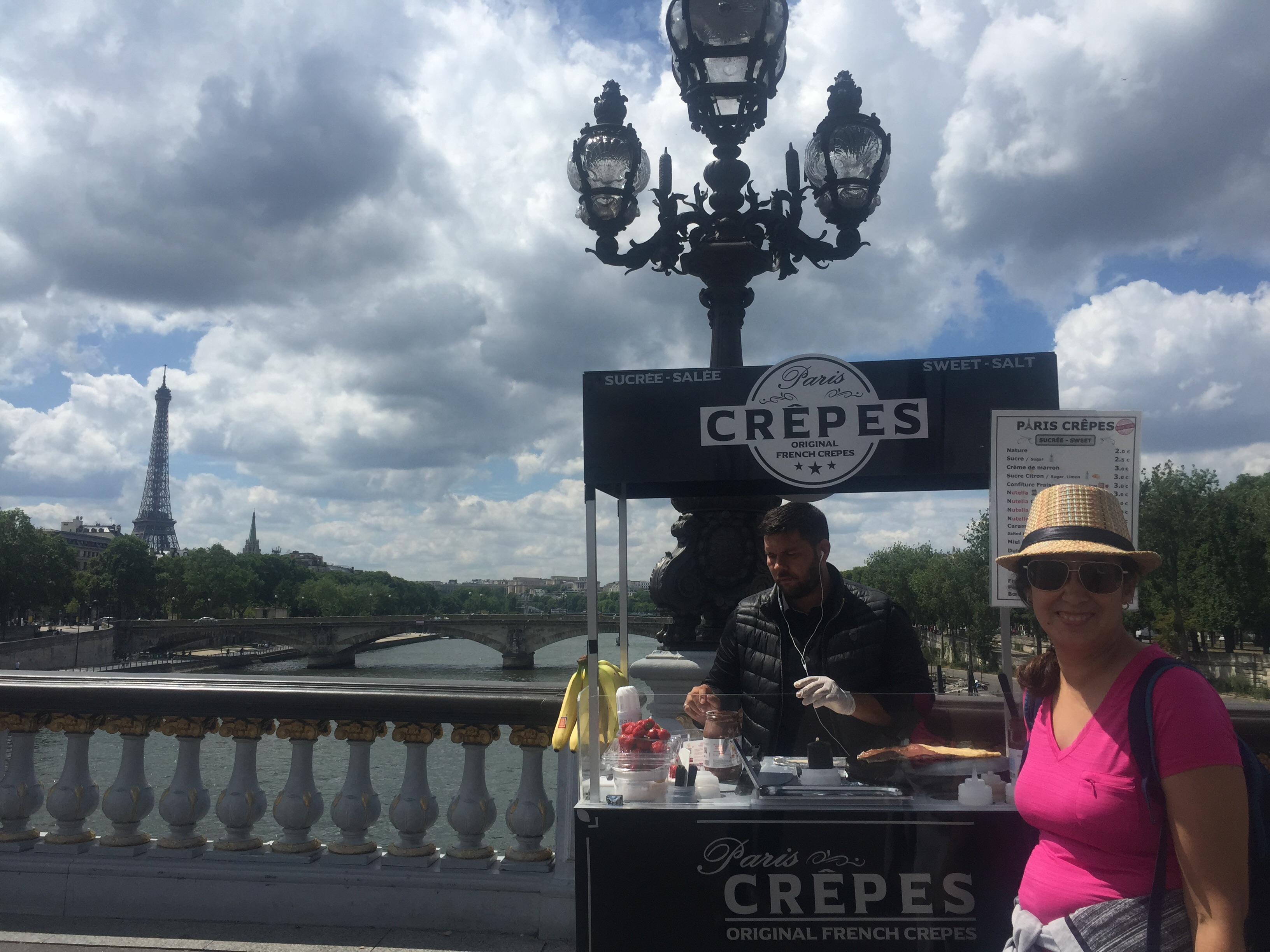
Getting our obligatory Nutella crepes

We saw nearly all of touristic Paris, even thru the battling crowds of other tourists and half evacuated Paris businesses (Parisians start to empty in July for their summer holidays). The Sacre Coeur, the Moulin Rouge, the Eiffel tower, Notre Dame, the Louvre, Champs Élysées, the shopping at St. Michel, Galeries Lafayette, and Chatelet, and the neighbourhoods of Montmarte, St. Germaine and St. Denis. Just walking thru the Louvre took half a day and a few kilometers, and I randomly ran into a solo Indian/American-dwelling female traveler I met a year and a half ago in Somalia. It’s a small world, even in crowded Paris.