Big Sur & Santa Cruz

If you take a road trip south from the bay area, you hit some of the most beautiful coast and scenic drives imaginable. Driving south on the 101 takes you inland through San Diego, and for mid October and being in a non-air conditioned car, it was stifling hot. Although as soon as we cleared the hills and dropped into Monterey, the cool ocean breeze was heaven. We celebrated not having to lie in our own sweat pools anymore by paying the (slightly overpriced ) $9.50 fee to drive 17 mile drive, a beautiful stretch of road now part of a private, gated community. This is when we realised our car wouldn’t turn off. It stayed on, unless we stalled it, and in addition to not being able to turn the key, we couldn’t get it out. It added for a more interesting drive, to say the least, but at least the view was great 🙂

one of the many amazing golf holes at Pebble Beach, the private community owning 17 mile drive
17 Mile Drive

We stopped briefly in Carmel-by-the-sea to let AAA try and help us with our car problem, but after they offered to tow us as their solution, we decided to keep going with our half working car.

Our next stop was to find a beautiful camp site in Big Sur, derived from the Spanish translation of big south, “el sur grande”, taken from what it was nicknamed by Mexican settlers back in the 1800’s who called it “el país grande del sur”, “the big country of the south”. It’s a lot of forest still, barely developed except for tourist facilities – mostly in the form of campgrounds. They’re not cheap though – we paid $35 to stay at Pfeiffer Sur, a state park, and the privatised parks nearby were $40, just to sleep on the ground… lovely ground though.

DSCF0736

a sea of fog replacing the normal view of the Pacific Ocean from highway 1

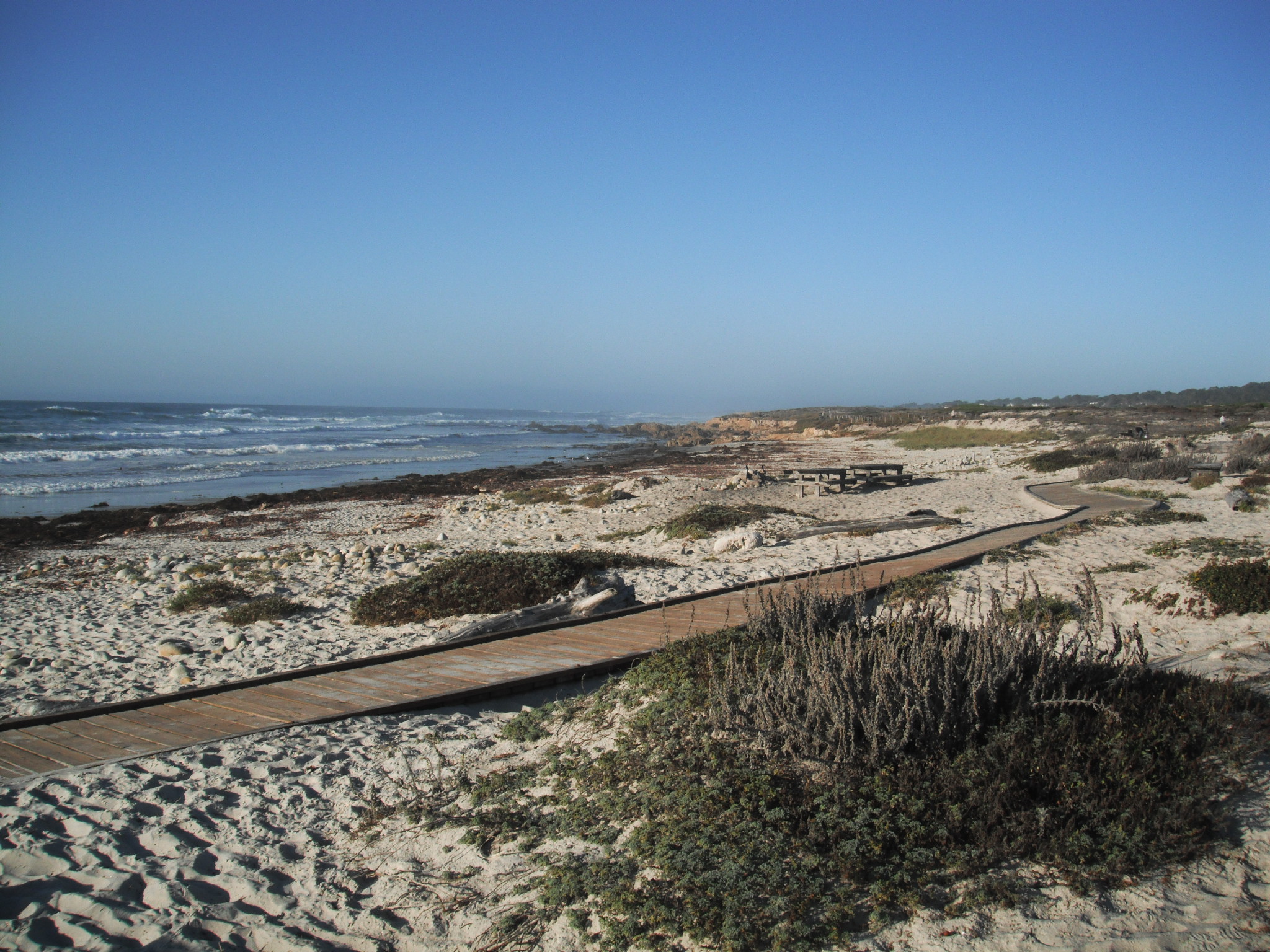
Highway 1 that hugs the cliffs as you drive through Big Sur was even more breathtaking than 17 mile drive. We drove through Andrew Molea state park and took a one mile hike down to the actual seaside, and came across a shipwreck that was being cleared by park rangers.

DSCF0740

park rangers demolishing a shipwrecked boat

As we left Big Sur that afternoon, the fog slowly began to clear, and the view from our car was a beautiful scene to remember as we headed all the way to the lively little town of Santa Cruz. Still on the beach, it didn’t quite have the same feel of bigness and wilderness that Big Sur offered, but we got excited to hit the waves surfing until we realised that we were arriving exactly at high tide time of day and there was absolutely no surf. We retreated to getting juicy burritos and sitting and staring at the unusually calm beach from beside the wharf instead. All in all a successful road trip; the ocean was a bit too cold for comfort to surf in, if I can be totally honest, so maybe I was just relieved to stay in my campfire smelling clothes.

Yosemite National Park

I went to Yosemite last week, and going this late in October was a little worrisome because of fall arriving, possible cold nights, and services shutting down as the tourist season draws to a close. Instead, we discovered that it couldn’t have been a more perfect time to visit since the recent heat waves in the Bay area were also giving Yosemite valley the most glorious, sunny, warm weather imaginable, and with summer winding down and tourist numbers lessening, it was like we had the whole park to ourselves.

what a beautiful place 🙂

Yosemite covers around 1900 square kilometres of protected wilderness in the Sierra Nevada of California. We drove in through the Big Oak Flat entrance, winding past beautiful big oak trees, and hiking into the Tuolumne Grove of massive, giant, thousand-year old Sequoia trees. We only paid a $20 park entrance fee for the car, and $20 for one nights accommodation in the maintained Crane Flat campground, but discovered that the tourist information centres distribute free wilderness permits that allow you to hike and camp basically anywhere you want, as long as you’re a mile away from the nearest road or trail. We decided to hike out to the now-closed May Lake campground to sleep with the most spectacular view at 9,400 feet.

May Lake

We spent a lot of time in big, open meadows that randomly and unexpectedly pop out of this heavily forested, mountainous terrain. We were lucky enough to see mule deer a handful times from a very close distance, lots of chipmunks and squirrels, but only saw droppings as evidence of the many brown bears that roam around. They often get warned off by bear bells and loud screaming – we heard a lot of that too, and late at night it was a bit unnerving.

the giant, over-sized pinecone of an ancient Sequoia Tree

We also spent a day in Yosemite valley, where tourist services were all still running and the area was bustling with families, RV’s and rangers. In the valley you are surrounded by the most breathtaking, mountainous peaks you can imagine, called epic names like El Capitan and The Cathedral Ranges, as well as the more famous Mt Lyell and Half Dome (the highest peak and the most popular, 12 hr hike – respectively). Then there are some very large, majestic waterfalls fed by melting snow and glacier run off like Yosemite, Bridalveil and Ribbon falls, that tend to dry up by the late summer/fall, so we were only lucky enough to gawk at Bridalveil falls.

hiking down to Lukas lakeYosemite ValleyYosemite Valley

Travel Revolutionized

The more I travel, the more I am blown away by the increasing globalisation and interconnectedness of absolutely everything. No matter where you are while in transit, there is always a payphone, internet accessible computer, or wireless internet, connecting you immediately to the outside world. No matter how far from home you are, you can literally be connected to home within seconds with just one call or email, and programs like Twitter, Skype and Facebook allow people to always keep tabs on you, where you are, how you are, what you’re doing…

The increasing ease of internet access is the most noticeable, at least for me. Almost everyone that I see on a bus, in a train, or sitting at the airport that is using their phone is no longer sitting on it texting, but browsing the internet, tweeting, or writing an email from their multi-purpose cell phone that acts more like a mobile computer than a calling device. Even my iPod has wifi capability, and I can usually check my email by connecting onto some sort of free, unsecured network. Just walking down the street in a big city will give you access to maybe 10 different private networks at any given spot, and cafes and restaurants lure you in for business by offering free wifi. Airports are offering more and more free wifi networks, and now even airplanes flying 35,000 feet in the air somehow offer wireless internet.

Internet has certainly revolutionised travel, allowing us to search and book flights with any airline (or search engine, like  www.dohop.com), to virtually anywhere in the world, and nowadays you don’t even need a boarding pass since airlines are offering a paperless flying option – simply show the barcode from your emailed check-in confirmation on your internet-adapted phone/ipod.

Other technological advances have made travel a powerful, easily accessible tool in other ways. Planes are getting bigger, faster and less pollutant, boats are getting bigger and bigger (have you heard of the Norwegian Epic 4,000+passenger cruise ship built this year?), and tourism infrastructure is popping up in the most remote corners of the world with travel & tourism becoming the largest, fastest growing industry in the world. And, with more flights, more hotels, and more travel options, competition drives airline prices down, internet offers heavily discounted last minute bookings, and almost anyone can afford to travel in a do-it-my-way fashion.

I’d say all this technology is a blessing just as much as it is a curse, because even though the internet makes our lives much easier, it also makes things faster, perhaps even makes us a little lazy, and keeps us constantly connected to the outside world. This is of course a wonderful thing, gives us a sense of safety and security, but sometimes when you’re traveling, the best thing to do is just to get totally disconnected from where you’ve left, not having any communication with anyone that might temporarily remove you mentally from the new place you are physically.

I sometimes wonder what it’d be like 200 years ago when traveling was a serious profession only undertaken by the bravest explorers and funded heavily by big shots like the state, the church or precious royalty. Its nice to know that there still are a few places in the world left to be explored, to be seen as the first foreigner… but with all this fast-forward travel and travel becoming accessible to everyone, that won’t last for too much longer.

Berkeley's Best Kept Secrets

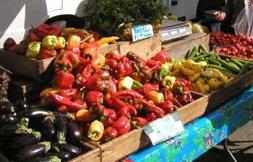
Even though I lived in Berkeley an entire semester last year, it would take years of living here just to visit every neighbourhood, try every type of cuisine, and experience all the amazing arts and culture the city has to offer. Some of my favourite parts of Berkeley include all the fresh produce, organic food culture and farmers markets that allow you to buy locally. Berkeley Bowl and Berkeley’s Farmers Market (all organic on Thursdays on Shattuck @ Rose) are the best examples I can think of.

lots of locally grown, organic goodies

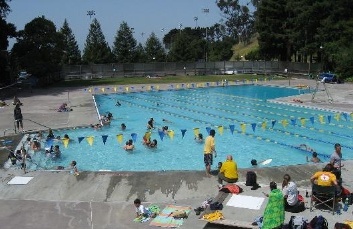
This time around, I discovered three little Berkeley gems I had never really heard of before, and definitely never been to. The first was Strawberry Canyon Pool, which sits behind UC Berkeley Campus a little up past the football stadium on the Berkeley Hills. Its an amazing 6 lane pool perfect for swimming laps, has a deep end section where you can just splash around if you prefer, and is exposed to direct sunlight with a green lawn to lay out and tan if you please. The best part is its surrounded by trees, free for Berkeley student, but still open to the general public for a few dollars.

Strawberry Canyon pool

Strawberry Canyon pool

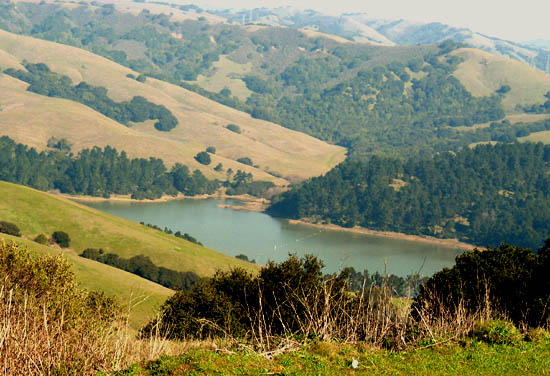
If you keep going a little further up the Berkeley Hills, right behind campus is Tilden Regional Park, a huge, green, forested space with miles of trails, wild cougars, and a beautiful, swimmable lake. There are endless possibilities for hikes, picnic areas and even camping, and this all exists only minutes away (by bus, car, or even ambitious road bikers) from downtown Berkeley.

Tilden Regional Park

The last place I want to mention is certainly the most magical place, but one whose location I cant exactly give out. Among an in-group of Berkeley women, this place called the Essex Hot Tub exists, which is a private hot tub circa 112`F degrees in someones backyard. It sits in a secluded area sort of under the house, with a change room and shower built into the house, and opens to a backyard with lots of trees and lounging area (including a hammock) for you to sprawl out. The only unspoken rules are that since this is  a place for rest and relaxation, no-one can talk, and even though its not a rule, almost everyone goes naked and men can only visit if escorted by a lady companion. Getting the code to the locked door into the yard is the only tricky part, but thanks to a tango dancing friend, I only had to figure out where it was and go.

San Francisco's Best Neighbourhoods

San Francisco is actually quite a dense, little city, locked in on 3 sides by water and only 47 square miles with 815,000 people (almost three times the population of the entire country of Iceland – fun fact). There are lots of great little neighbourhoods that are only separated by a few meters; its amazing how seamlessly Chinatown turns into trendy North Beach.

the view of San Francisco from the Berkeley Hills

Nob Hill (which is barely different to Russian Hill only a few blocks north of it, the other half of the twin peak hill) and the Mission are probably the best neighbourhoods to live in as a young professional or (not broke) student. They’re mostly residential areas, but still within walking distance to anything you’d need.

Market Street east to Pier 1 is a great little area, where the main shopping drag of the city cuts right through the finance/business district, street vendors sell lots of pretty things, Bart stations are all around, and the waterfront facing Treasure Island offers great views of the Bay Bridge and the East Bay. Once you hit the first ferry terminal, you walk north all the way to Pier 39, where another great neighbourhood awaits.

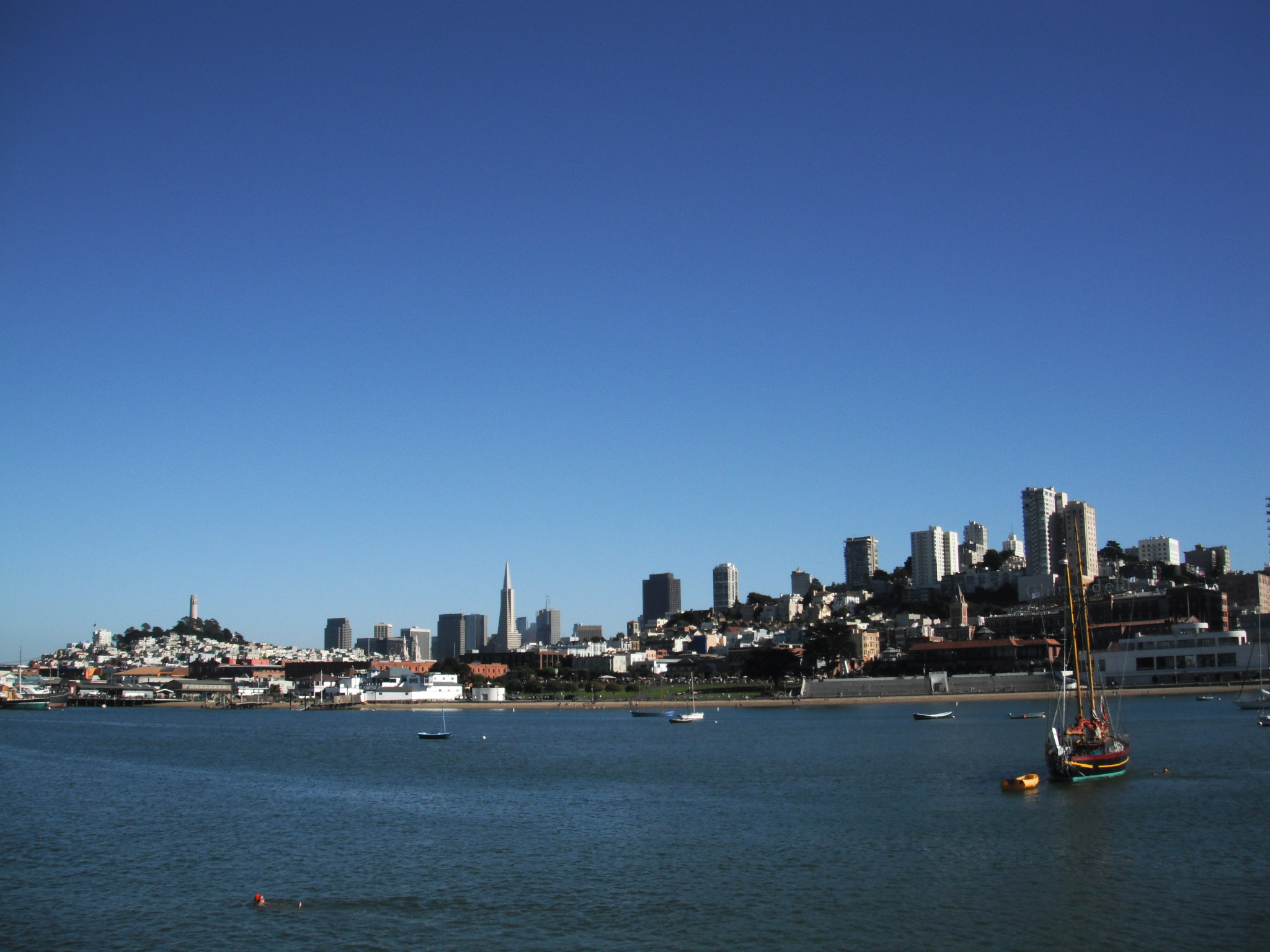
Walking out from Pier 5 with a view of the Central Business District

Fishermans Wharf is a super touristy area, starting at Pier 39 where a huge outdoor mall basically sits out on the water, and a great view of Alcatraz can be seen once you reach the end of the wharf. Stinky sea lions bathe out near the boats parked in the marina, and all the shops on Embarcadero sell more or less the same things. The crab stands offer amazing seafood eats for cheap – be sure to try clam chowder in a sourdough bread bowl. And if its a hot day or you want to work off those creamy calories, go for a swim at the beach at the end of Embarcadero.

the little beach at the end of Embarcadero, with Coit Tower in the background

the little beach at the end of Embarcadero, with Coit Tower in the background

Chinatown is one of the funnest neighbourhoods to get lost in, mostly because you can actually get lost – street signs and shop fronts are all in Chinese and the only thing you can really read are prices of things. Its amazing how many people don’t even speak english, so you can’t ask what the sign says or directions to where you’re trying to go. But if you let your senses guide you, you’re sure to get some delicious, cheap (maybe unidentifiable) food, buy anything you could imagine at a fresh seafood store (in some cases, still alive), and the dollar-store-like shops sell everything from swords to kimonos and violins to teacup sets, all for really reasonable prices.

How to Enjoy Seattle in a Day

Seattle is a big, beautiful, port city with a great arts scene, lots of live sports, and of course, excellent coffee. I’ve often driven through Seattle, on my way to Seatac or just driving down the I5, but rarely stop to enjoy the city sights. I had one sunny day in town after my cruise from Alaska disembarked one early Saturday morning and these are my recommendations for seeing the best of Seattle in a day.

pulling out from Pier 66 on an Alaskan bound cruiseship

1. Walk around town by foot. Its not a big city center, and there are tons of shops and cafes along the way to stop and enjoy. Just get a map from any tourist information center or hotel, and wander around the downtown area and Fremont neighbourhood, or if you dont want to think about it, book a walking tour with seattlebyfoot.com who offers their signature coffee crawl tour.

2. Stop by Pike Place Market near the waterfront and watch big cruise ships come into Pier 66 if its summer, or to get out of the streets that are probably getting rained on if its winter. The market is full of delicious treasures, a lot of fresh seafood, and claims to be the oldest, continually running farmers market in the USA.

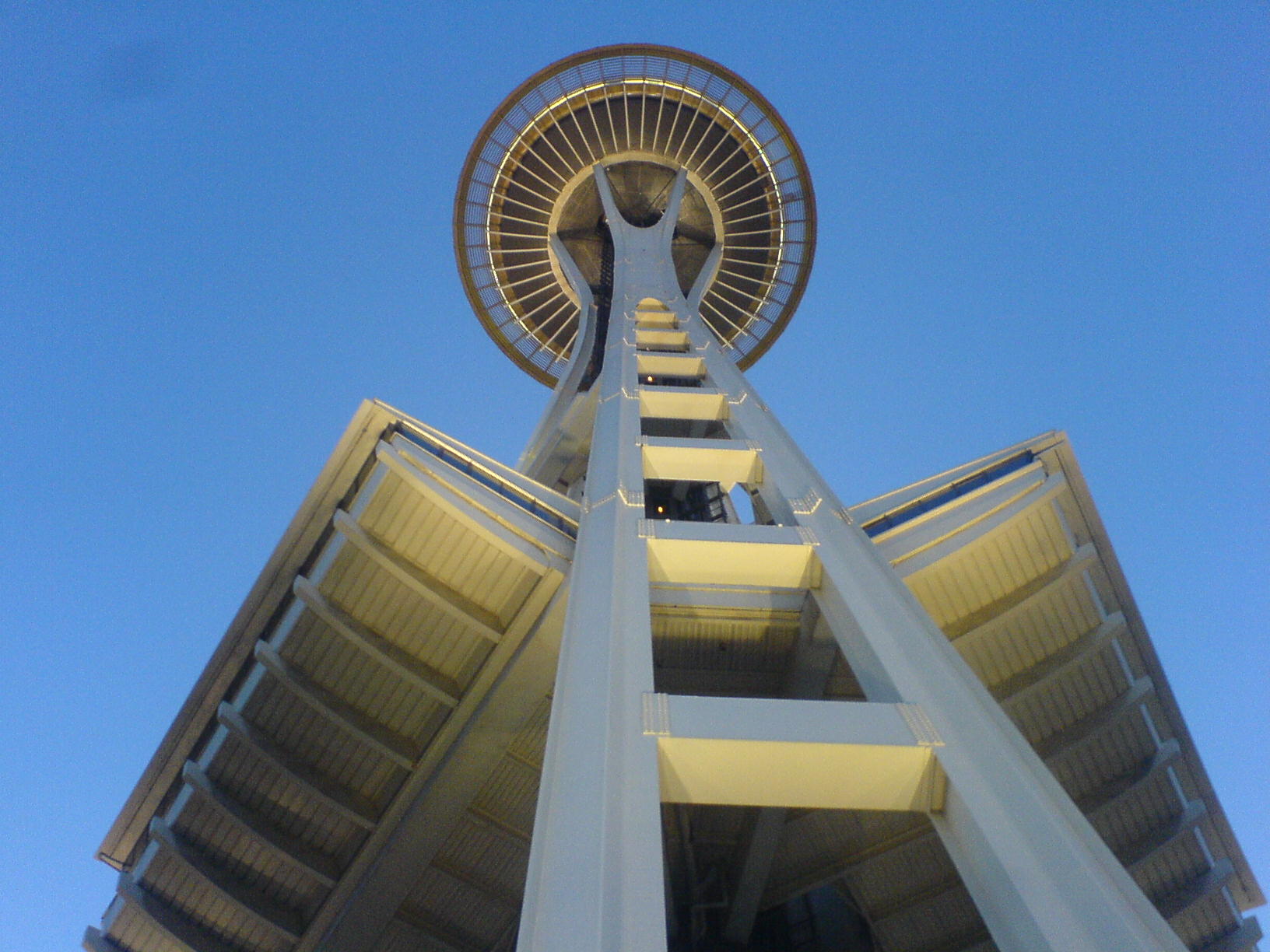
3. Go up the Seattle Space Needle for an amazing view of the city, or to enjoy a glass of wine with a dramatic sunset over the Pacific Ocean. Its almost $20 to go up but its cheaper if you include an entrance to the Pacific Science Center located below. Use your judgement when checking out the shows/ exhibits going on at the Science Center to decide if its worth it. Bodies was a great one.

the Space Needle

I know thats not much, but I’m just suggesting a days worth of activities that would probably satisfy for the Seattle Experience. If you have more time, by all means take a day just to each of the above!

Links: www.seattlebyfoot.com

www.spaceneedle.com

Cruising to Alaska

Me and my sister Kristjana travel together once a year, for some quality sister time, and to see a cool new place. This year we decided on a cruise to Alaska, since both Vancouver and Seattle serve as main port departures for the hundreds of cruises and ships that do the trip every summer season. We sailed roundtrip from Seattle with the Norwegian Star and stopped in 3 Alaskan port towns, as well as Prince Rupert BC.

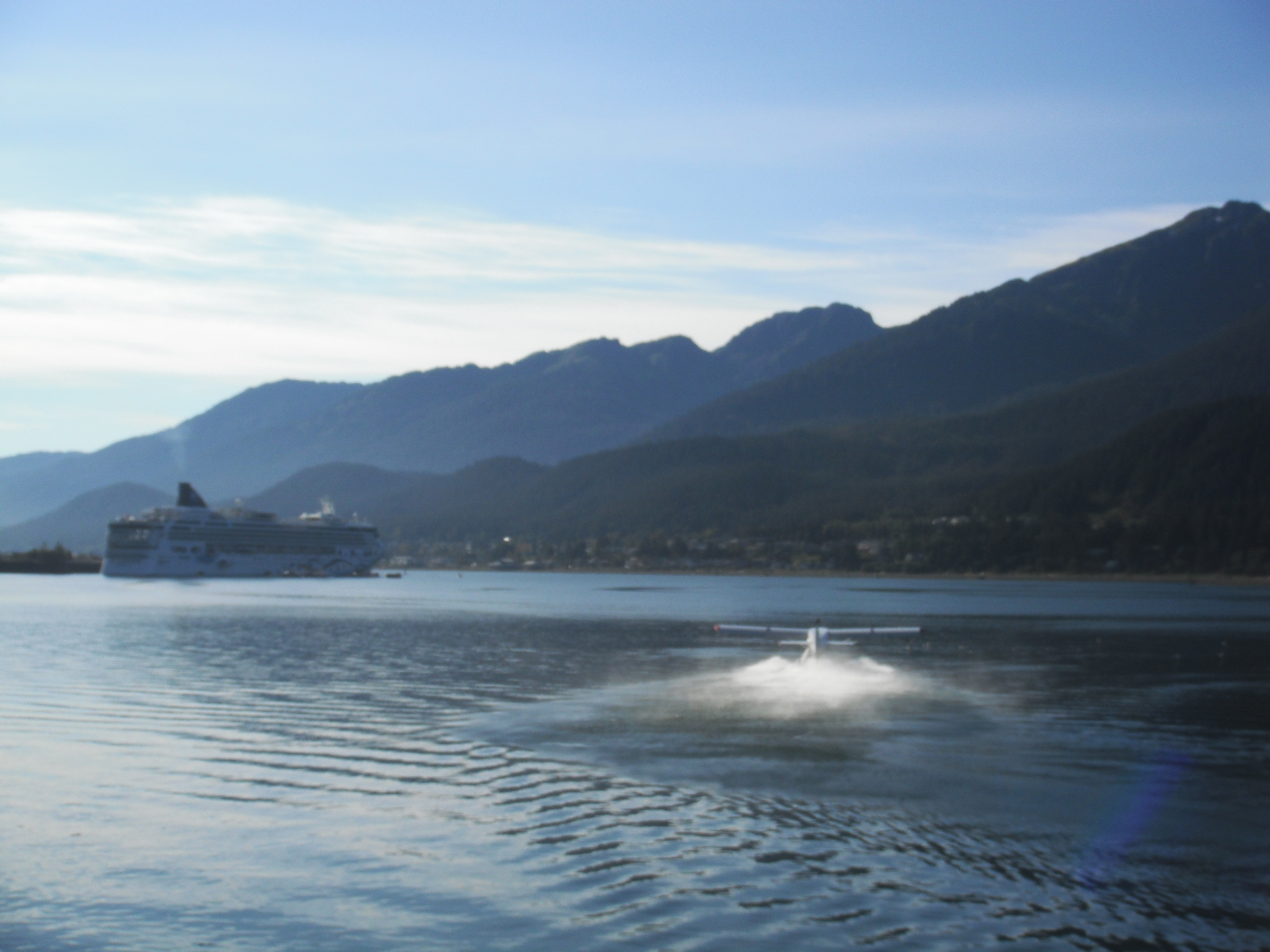
a floatplane taking off in Ketchikan with our Norwegian Star in the background

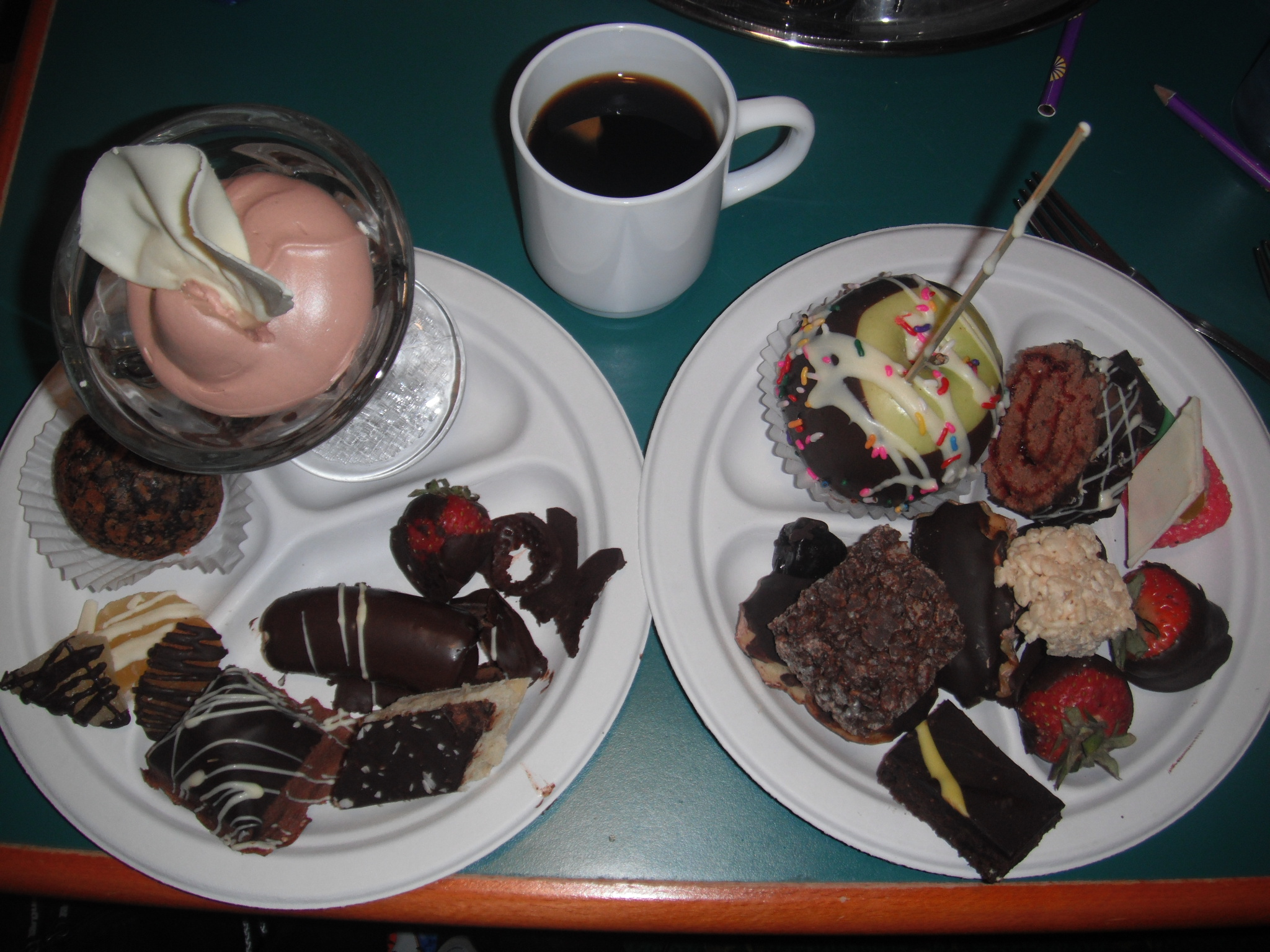
Norwegian Cruise Line markets “free-style cruising” as their trademark, since dining times and locations are not set and you can literally eat unlimited amounts of food 24 hrs a day. One night they even had a chocolate buffet – we had serious conflicts with our indulgent desires and sugar-overload tummy grumbles. Others found their guilty pleasures at the casino on board, at one of the many Bingo games, at an Art Auction or at the jewellery/alcohol/tobacco duty free shop. Apparently buying serious, collectable art and very precious stones and gems is the thing to do when cruising to Alaska – I had no idea.

decadent chocolate overload

The ship was 14 decks tall, with 13 restaurants, 9 bars, 6 hot tubs, 3 pools, 2200 passengers, and 1100 crew – thats a staff member to every two passengers! We had the most phenomenal weather imaginable for Alaska or late September; there were sunny, clear skies every day with highs around 20 degrees. We got serious tans from hottubing and walking around ports in just t-shirts and joked people would think we accidentally cruised to Mexico.

We were a slight minority on the ship, since the majority of the passengers were American (followed by British?), over retirement age, and traveling with a spouse (and sometimes their whole family). I was impressed by the amount of people with accessibility needs or excess weight that didnt let anything stop them – everyone still got around the massive ship no problem and got off to enjoy every day in port. A policy I found strange was that people over 250 pounds paid a premium (sometimes 80%) on many of the shore excursions since the floatplanes and helicpoters taking tourists around were weight restricted.

Our first port in Alaska was Ketchikan, followed by the capital Juneau, and Skagway last. We ported both cities right downtown, and the gangway led us straight into the small, city center which acted as a perfect tourist trap. There were shops galore, cafes, restaurants, bars, internet and beautiful parks or docks to walk along and you really didnt think of leaving town to go see the real Alaska. The nicknames ‘the great land’ or ‘true wilderness’ really didnt shine through in our narrow experiences, but neither did Ketchikan’s reputation for being the city with more rainfall than any other American city.

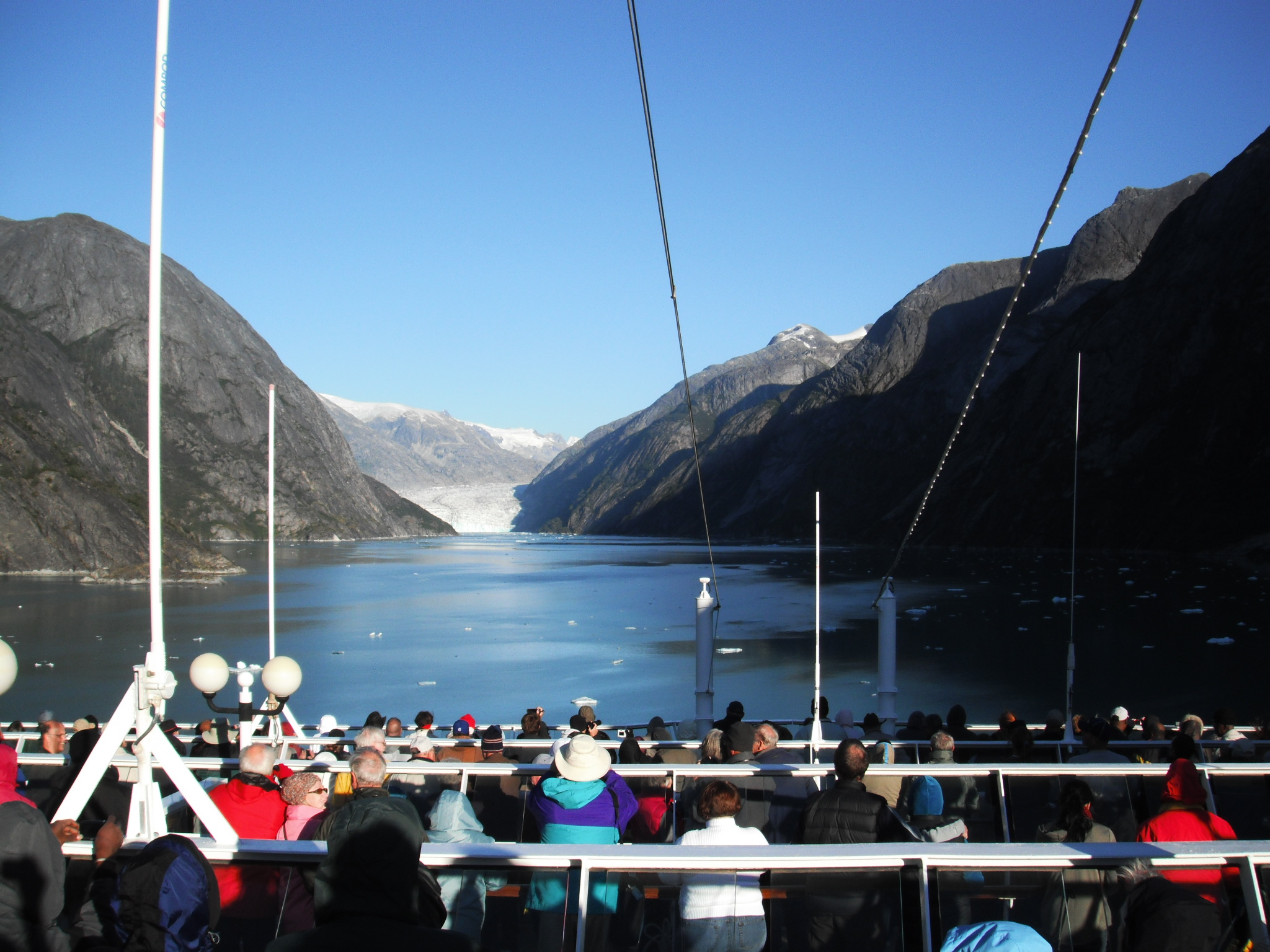
cruising towards a breaking glacier

We sailed up through the Inside passage and saw some beautiful islands, arms and sounds, as well as ice-topped mountains, hanging and melting glaciers. Our last port was Prince Rupert BC, which has only had a cruise port since 2004 and is still developing the cruise tourism industry the Alaskan cities have perfected. It was a small, sleepy town and the crew all joked there was nothing to do there and they had no idea why we went there, but I thought it was a perfect addition to sailing Alaska, since much of the western Canadian coast is Alaskan territory, and for many of the Americans, it was their first time in friendly Canada. Or maybe I’m just slightly partial to Beautiful British Columbia 🙂

Wine Regions in the Lower Mainland

Most of BC’s vineyards and wine production happen in the Okanagan, but recently wine making has become increasingly popular in Langley and the surrounding areas. There are a handful of vineyards in Cloverdale, just a few blocks north of the American border, and even some as far east as Abbotsford (Mt. Lehman Vinery – free tasting Thurs, Fri and Sat 1- 5pm).

Domaine de Chaberton vines

My sister and I went wine tasting to three vineyards one sunny afternoon last week, and although that might not seem too exciting, its pretty amazing we can go wine tasting as a day’s activity from Chilliwack, and even more amazing that my sister Kristjana wanted to come with (anyone who knows Kristjana understands that inside joke).

notice her glass is empty? scandalous…

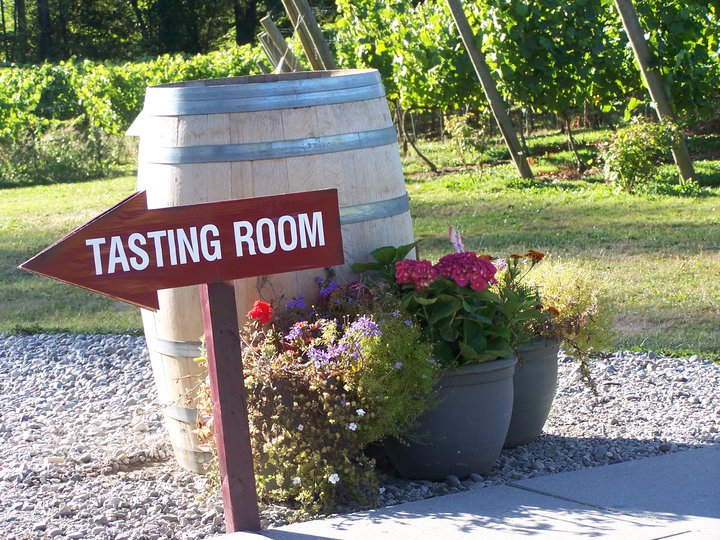
We started at Neck of the Woods vinery, which last year used to be called Glenugie, and a few years before that, Real Estate Winery, so getting directions on google maps was a bit confusing. The only wine I remember was their Chardonnay that actually smelled like petroleum… the lady was really nice though! Then we went to Domaine de Chaberton which is a long standing winery that used to be run by a French and German couple. They recently sold their winery and now the new owners run a line of their ‘less-europeany’ wines as Canoe Cove. It sits in far-south Langley where they actually experience a sub-climate to the rest of Langley, great for white grapes, so they had an excellent chardonnay and my favourite was their gewurztraminer. They age their chardonnay in french-imported oak barrels that sit in this cellar the lady described as a reverse-sauna. It smelled like one.

Township 7 Winery

We ended our day at Township 7, which is a beautiful winery nestled among horse farms and Cloverdale equestrian park, but all their vines are just show vines and I think all their grapes are grown in the Okanagan. We ended our day there with the only tasting session that wasn’t free (a mild $3) but thankfully Kristjana was a responsible enough driver to have only tasted less than a milliliter of maybe half the varieties.

Horse life in the Fraser Valley

After riding horses every day for a month in Iceland, I was really starting to miss the smell or horses and the feeling of not having to use my own two legs so I had to get my fix of riding while’s back home. My family doesn’t own horses anymore, but a young nurse boards her 3 horses on my mom’s farm in Chilliwack. She has 2 enormous Percheron-cross yearlings and an untrained, hot-blooded rescue horse named Ellie she bought for $20. She (the Thoroughbred, not the nurse) is only 4 years old, but broke enough to ride, so I managed to get on her for a little spin and she’s definitely worth more than $20. We took her trail riding through corn fields and she managed to keep me on her back even though the yearling Suzy was walking alongside was way calmer than Ellie.

we could barely see over the cornstalks

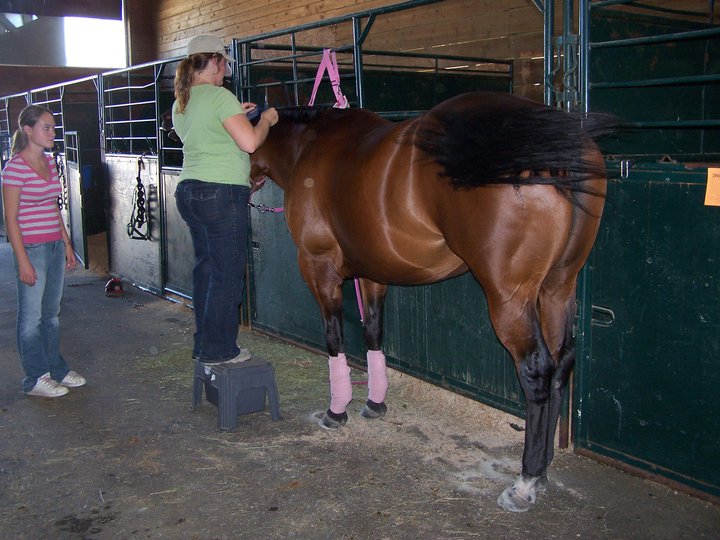
Me and my older sister went to visit our younger sister Ruth in Langley, since she lives at the Trinity Western campus where she goes to school. We made the trip an entire day event by spending the morning watching horses warm up at Thunderbird Show Park for the summer finale competition going on that weekend. I still can’t get over how huge the horses were, all these big American and German warmblood show horses, western, jumpers and dressage style, and even the ones that were only 15hh looked like giants compared to Icelandic horses. But of course there were horses 17 and 18hh, and I could not stop gawking at them or the tiny people riding them, who, in retrospect, probably werent so tiny, they just looked so on top of the giant horses.

look at that rump! that’s a whole lot of horse muscle

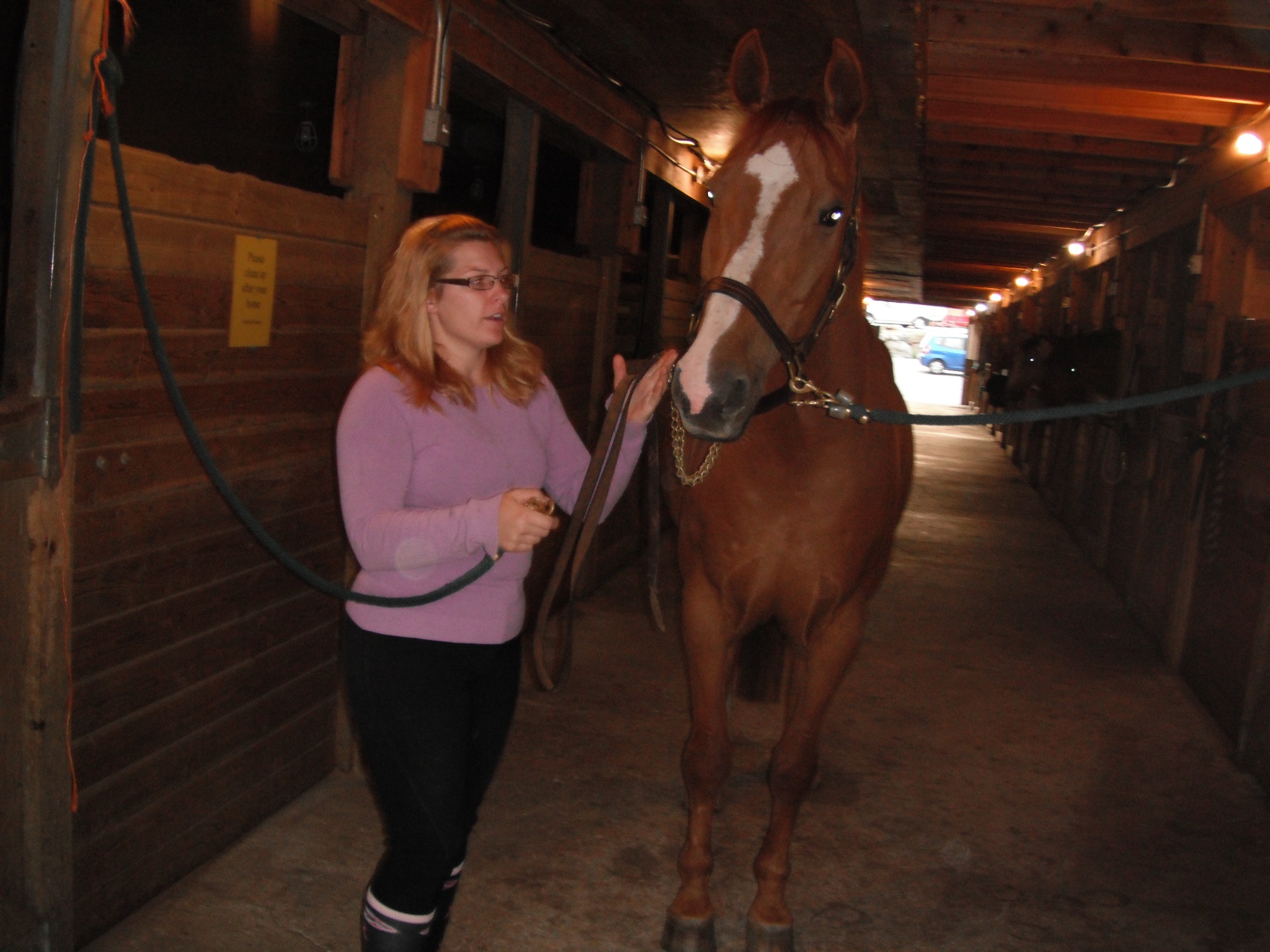
I also visited an old time friend in Abbotsford, who I went to elementary school with in Surrey and now runs an equestrian center. Lisa graciously let me ride all her giant horses in their fancy indoor riding ring, padded with ground up nike runners. When we weren’t riding, we were in her apartment, which is actually in the barn beside the hay loft, and usually killing flies with one of their many flyswatters placed strategically around the house for killing ease. She has two dogs, a bunch of cats, two donkeys, a couple of her own horses, and then all the other horses that she takes care of. They’re a new equstrian center, but they teach and train horses there under the name Hobbit Hollows, but the barn is called Farpoint Farms – if you know anyone looking to board or take riding lessons.

Lisa with Lex, a $45,000 riding package once saddled up

Home Sweet Home

Home is a strange concept, because where I identify as home sort of differs as time goes on. My cousin always says home is wherever I’m with you, which I guess means home is where family and friends are, but I’ve got family and friends in a couple of places.

Although Iceland’s the birthland and my permament address these days, some would argue BC is home since I grew up half my life with my mom in Chilliwack. And boy is it good to be home when I go visit Mom’s place. Its the coziest house on an 11-acre farm with horses, cats and dogs running around. The cat is a fat, flirty calico named Kitty, we have an old Lassie thats so fat and hairy and not so pretty at the moment since we have to shave her in the summer, and a beautiful, all-white Italian sheep dog that won’t trust anyone to pet her unless you play with her every day. There’s no way she remembers me, so it always takes days before I can actually cuddle her, and the surrender only happens when she gets too jealous with my petting Sheebah or Kitty.

One morning the dogs were barking at something unimportant like a passing car, but then an unfamiliar, high-pitched yelp kept creeping between. It was a cold, rainy day, and by evening when we finally looked outside for the culprit, a very groomed, harilesss purse dog sat shivering behind the hottub. She’s probably worth a lot of money, since she looks like one of those pocket, accessory dogs, but damn is she mangy. Its strange how dogs can be cute and ugly simultaneously, but this one managed to get in our house and is now Mom’s best friend til we find her original owner.

surprisingly ugly, right? Update: 3 days later we found her owner

The best part about being home is always Mom’s cooking. She’s owned restaurants and bakeries for so long that our home kitchen is stocked ready to feed an army even though she lives alone. Sometimes my grandma visits and they both get so much pleasure in cooking that they can’t even keep up with eating to eat all the delicious concoctions that they make. I’ve been eating like a queen since I got home, but it’s always a bit of a risk eating some of the complicated curries my moms make – you can never quite identify the meat, and after growing up being told duck was chicken and regularly finding chicken feet in the pot, I wasn’t surprised that I almost ate fish head curry tonight when searching for crab curry in the depths of the fridge.