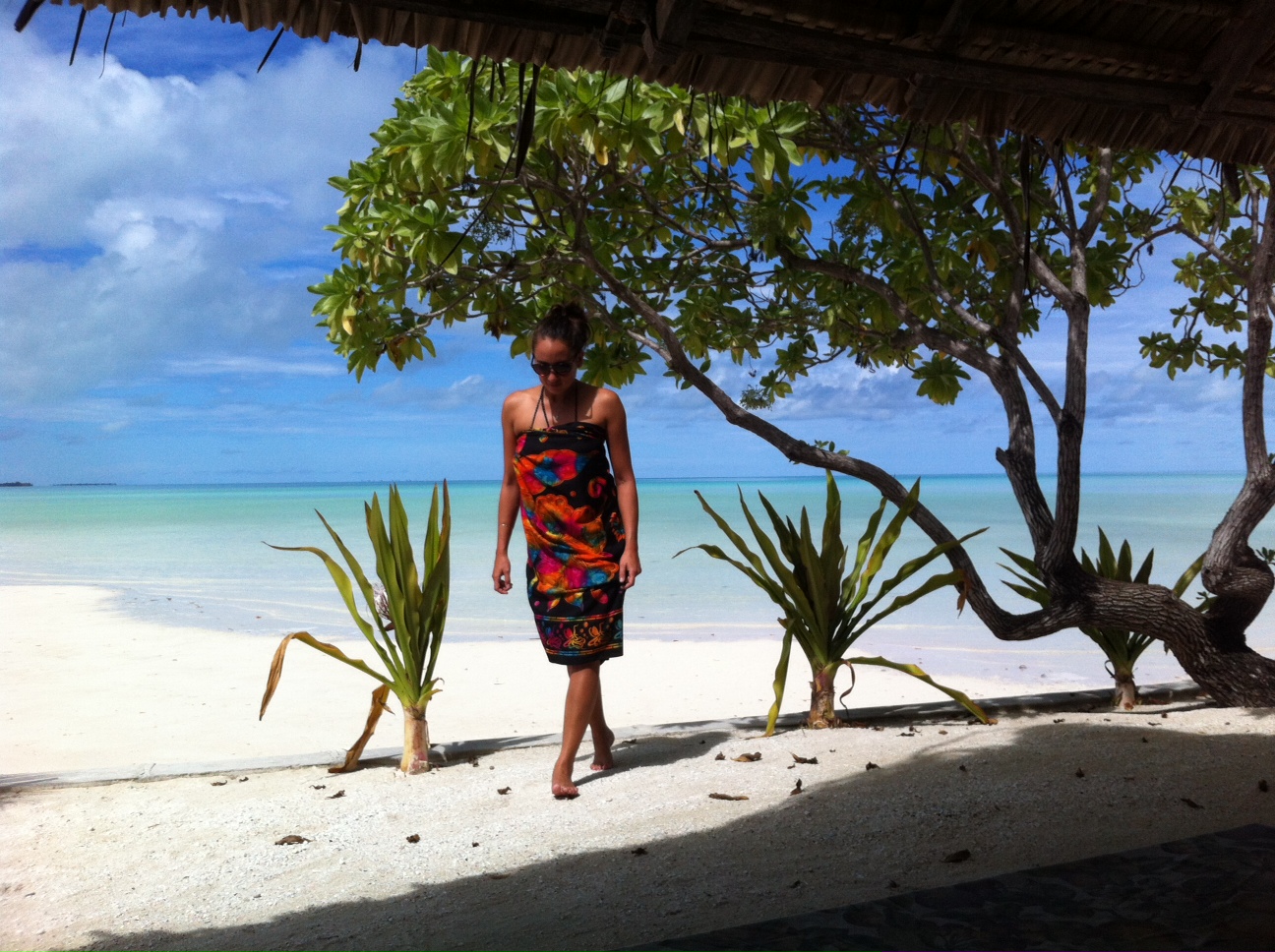
The Chinese and the Pacific

I didn’t expect to meet so many Chinese people on a trip through the Pacific islands, but they were on every island, in a very important way. The Chinese run most of the little corner shops, convenience stores and super markets, and sometimes all of the restaurants too. In the midst of a Mormon revolution and conservative bible belt, they are the ones who will work on Sundays and stay open late, sometimes even 24 hours, selling beer and the largest assortment of canned tuna. They import goods from China by the boat loads, and sometimes these goods are the only goods available to buy on an island. Food, drinks, clothes, car parts, furniture, and kids toys are all Made in China, and they sell like hot cakes every time there’s a new shipment in. Every island I’ve been to had a Chinese restaurant, sometimes it was the only restaurant, and sometimes there was a dozen, all with names like Fortune Star or Lucky Dragon. They served the cheapest and most generous portions of rice or noddle dishes, but the pork never quite tasted like pork and the chicken rarely had more meat than skin on it.

I always thought I’d chose Russian or Arabic as the next, most-useful language I should learn, but now I’m convinced its Mandarin. The Chinese who live and work these islands always learn the local language, in whatever dialect they speak, and that’s it, so no white-girl English. It’s funny to speak pigeon to a soft-spoken, pale, little shopkeeper, but if you don’t know Mandarin or Samoan or Tongan, then you just had to rely on body language and face gestures.

By the time I reached Micronesia, the Chinese population had grown, since tourists and business men started to grow exponentially. Palau is to mainland China what Mexico is to the rest of North America, a cheap and tropical little play land for the hard working to go and chillax. I happened to be in Palau for Chinese New Year, so there were literally thousands of them, filling every hotel and tour the island had to offer. Right after I went to Saipan, which and has successfully marketed car rentals (mostly Hummers and Mustang convertibles) as a tourist trap for teeny little Chinese and Japanese drivers that have rarely driven anything bigger than a Yaris.

boatloads of Chinese tourists empty out at the Milky Way in Palau's Rock Islands

boatloads of Chinese tourists empty out at the Milky Way in Palau’s Rock Islands

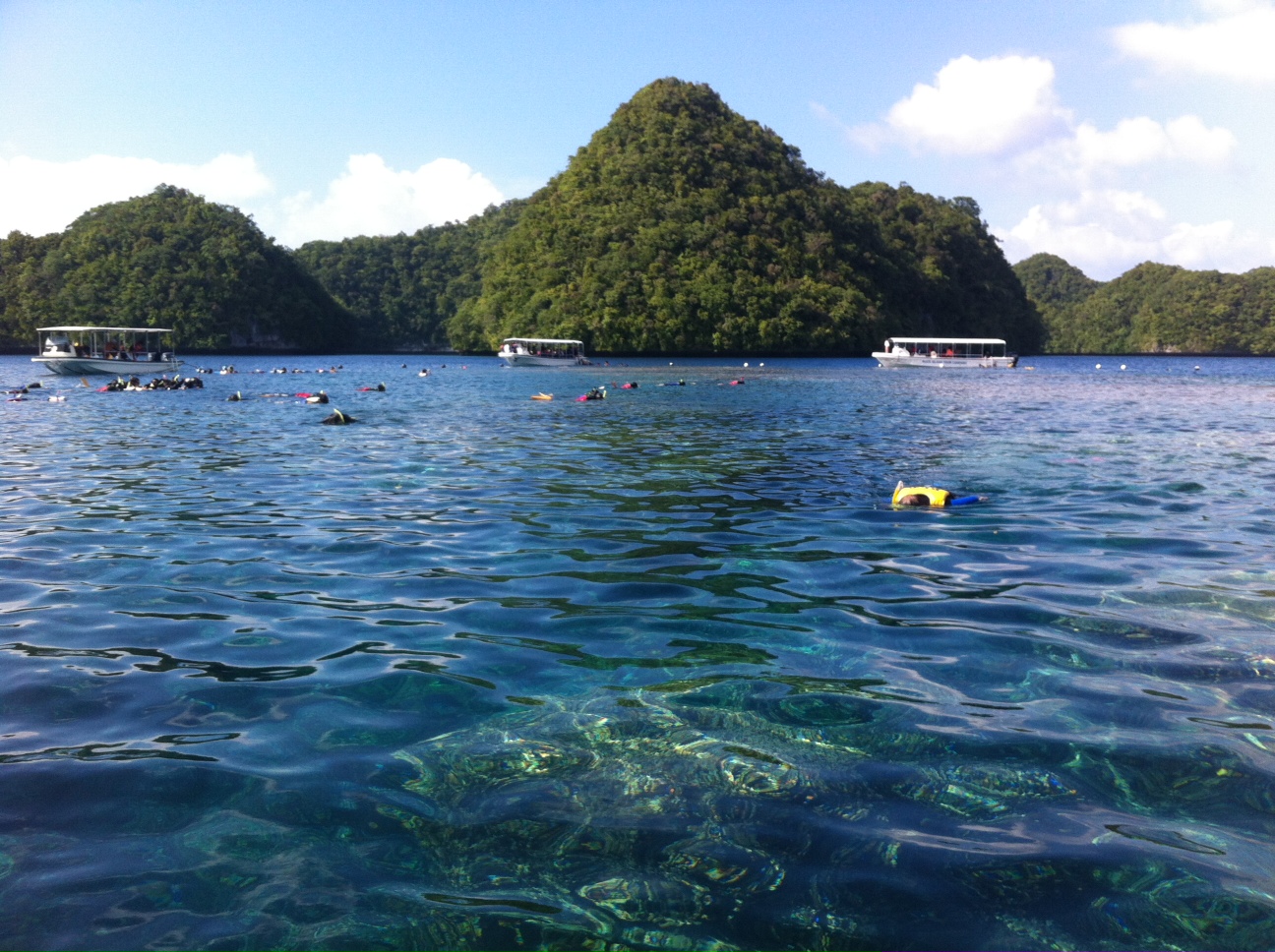
After coming to mainland China on my way back home, I decided I like Chinese locals much more than Chinese tourists. The worst experience I had with them was trying to snorkel around the Rock Islands and the famous Jelly fish lake – imagine a hundred black-haired people in leotard unisuits and life jackets flailing around in a sea they don’t know how to swim in, but meanwhile trying to look at all the pretty fishies through their awkwardly fitting snorkel masks, and every once in a while trying to adjust their snorkels while standing up on some super fragile coral or trying their best to pull out some clam shells or pick up some stingerless jellyfish to take home. There’s something about personal space they don’t respect above ground either (I’ve often been walked through by groups of Chinese tourists), but underwater (especially when I don’t have a life jacket) is a bit more dangerous, and I definitely choked on a few mouthfuls of seawater as floating Chinese kids thrashed into me or over me.

The best experience I’ve had with the Chinese was thanks to China Southern Airline. First of all, I was able to book a last-minute one-way ticket from Taipei to London for less than 500 euros, which is 2 flights connecting in Guangzhou, China. Upon checking in, I was informed I had a Premium Economy ticket, which would rival most other airlines first class cabins. I had a big comfy reclining seat with a foot rest and extra leg and arm room, a meal with wine, and free entertainment, just on the short 2 hour hop between Taipei and Gangzhou. I was expecting a shitty 16 hour overnight layover in the airport (which made sense since the ticket was so cheap), but then China Southern offers a complimentary hotel stay for connections over 8 hours. I’m not talking about a flight delay, but simply a layover entitles me to a 45 min shuttle to a beautiful hotel, where I was given a 3 bedroom suite, free breakfast, and a transfer back to the hotel, all for free. I literally couldn’t believe it, and thought it was some sort of scam and I’d have to pay later, but after drinking some Chinese tea while soaking in a bubble bath, I jumped for joy onto my queen sized bed, but realized a little too late that the bed was rock hard.

Its hard to imagine the pacific without the Chinese, but I did try. Maybe it would mean less industrialized islands with more self-sufficiency, not depending on shipments or trade… or maybe their seas wouldn’t be as exploited by the harvest of nearly everything edible (including coral). Or maybe the islands would have long gone under, tired of living with such limited resources and simple diets. Or maybe the Australians, Kiwis and Americans would have just filled the gaps instead… who knows. All I can say for sure is the Pacific economy would be totally different without the Chinese, and I wouldn’t have eaten nearly as well without them during my trip.

Saipan & Guam

When you’re in Guam, everyone tells you to skip Saipan, and when you’re in Saipan, everyone asks why you’d bother going to Guam. I don’t understand why there’s so much hate between them, since they’re really similar, very close to eachother, and share a common Chamorro heritage, but its just as confusing how they’re not the same country when one is an American unincorporated territory and the other one an American commonwealth. They both have a lot of American military, mostly navy guys affectionately called ‘ship guys’ in Saipan. Guam has a fully operational naval base and air force, teeming with weapons, planes, helicopters, ships, submarines and muscly guys.

the lovely Hyatt beach in Garapan

the lovely Hyatt beach in Garapan

I didn’t see or feel much of the military presence, but both my hosts were navy guys. Dale was a rescue swimmer and just finishing up his 4 year contract on Guam, so we celebrated that and my birthday with a bucket of beers on the beach. My other host was a 40-something year old retired navy guy, and now spends his time scuba diving and working at a scuba dive shop.

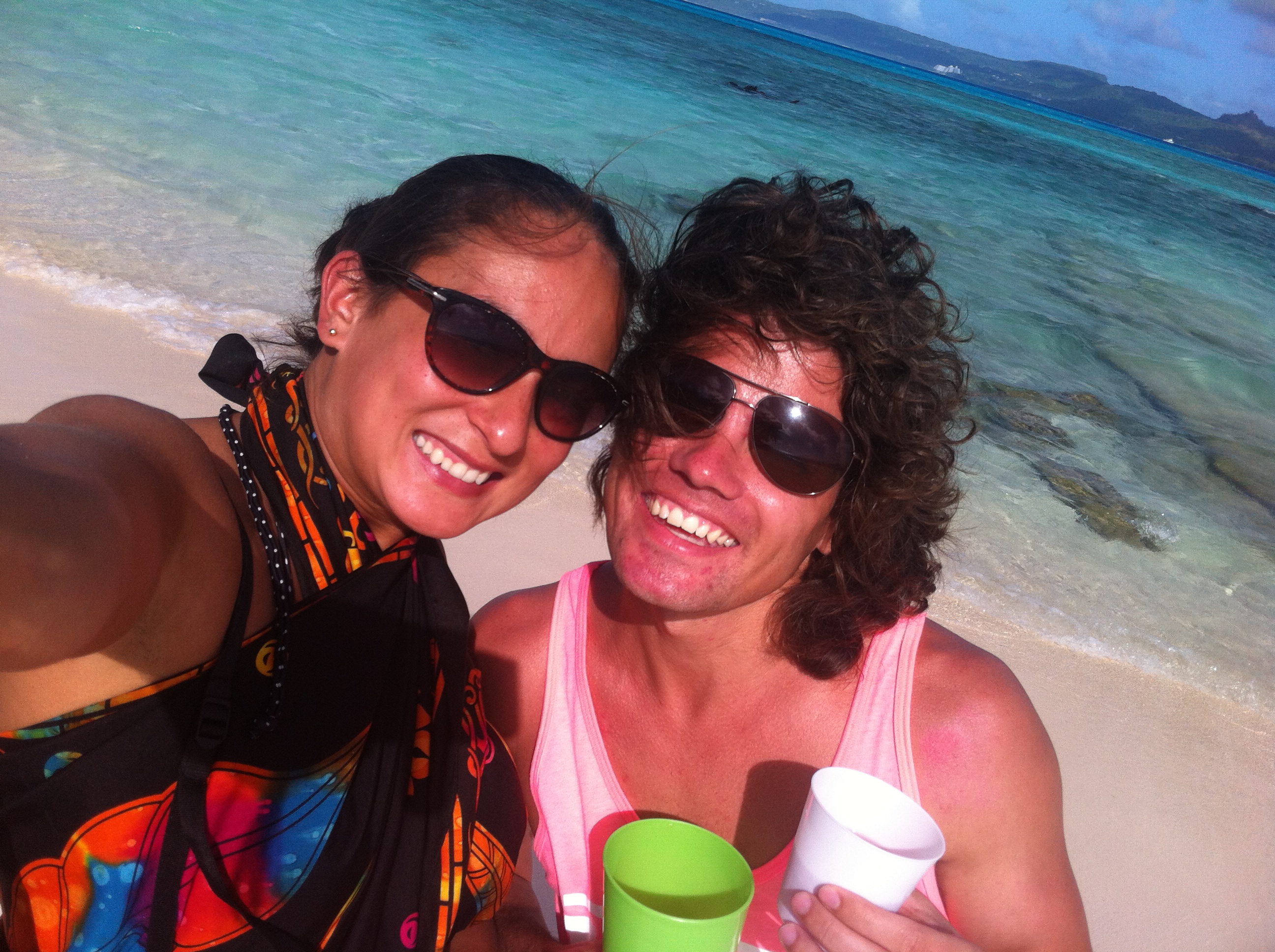
me and Kevin drinking from our sippy cups on Managaha island

me and Kevin drinking from our sippy cups on Managaha island

In Saipan I stayed with couchsurfers who worked at the hospital, but they were all from mainland America and still acted like the probably did as freshmen in university. Kevin was always RTR, ‘ready to rage’ – his reference to any sort of drinking or dancing; his roomate was a retired Special ops military guy who took me out to a rotating restaurant (housed in the previous Nauru embassy from back in the golden days) and popped champagne on the beach for me; and his best friend took me on a sunset dinner cruise for my birthday that I had to carry him home from (it was all you can drink screwdrivers and he was finished before sunset). Needless to say we raged together and with half of Saipan, and I acquired alot more party friends along the way. Patty was bat shit crazy, in the best kind of way, and cooked us the most amazing spread of chamorro food. I had lunch dates with her and with another doctor I met who got drunk after one sip of rose. We had brunch with bottomless mamosas at the Hyatt, and toured the islands tourist attraction (most of them being kind of morbid Japanese/American conflict points during WWII).

Patty and her brother join me for yet another beach day

Patty and her brother join me for yet another beach day

In addition to some sun and sand, I felt like Saipan was the Vegas of the pacific, not just for me but all of mainland asia, since downtown Garapan has more Chinese, Japanese and Korean shops and signage than anything else. It’s a raging resorty destination for alot of sunshine seekers, and pampers well with spas and restaurants for honeymooners to love. I had my 21st birthday in Vegas, and celebrating my 28th birthday in Saipan will be just as memorable. But maybe its time to grow up a little for the next one – Im getting too old for this kind of raging. (*thank you Kevin for a 5 day hangover!)

Palau and the Rock Islands

Palau and Yap are pretty close to each other, considering how spread out the rest of Micronesia is, but Palau is its own little island country. Historically, Palau and Yap are also very connected, but Palau has become a melting pot of Micronesian, Chinese and Philippino people catering to a huge tourism market, while Yap remains a quiet, traditional island with very few visitors.

My favourite snorkel spot in the Rock Islands

My favourite snorkel spot in the Rock Islands

Palau is to mainland Asia, what Mexico is to North America, a nearby tropical paradise for the masses to go on vacation. Technically, Palauan and English are the official languages, but I saw and heard more Chinese and Japanese than English, and barely a word in Palauan, during my whole visit. The tourist shops and tourist information are all catered for the Asian market, and I only met other Asian tourists except for one Norwegian anthropologist, and a handful of US Navy divers (the marines come here on vacation from their job posts in Guam or Kwajalein).

There’s only one backpackers on the island, and many locals are still confused about the difference between a brothel and a hostel, so the majority of tourism stays with the big hotels and resorts and packaged tours. But at Ms. Pinetree’s Hostel, her 14 beds were fully booked a month in advance, and all of her guests’ business stayed within the family. Her uncle was the shuttle service to and from the airport, her brother lived in the hostel, and her brother ran private tours to the Rock Islands in his personal little speed boat. She didn’t have a bed for me either, but I slept in my hammock on the balcony and gave her brother some business instead.

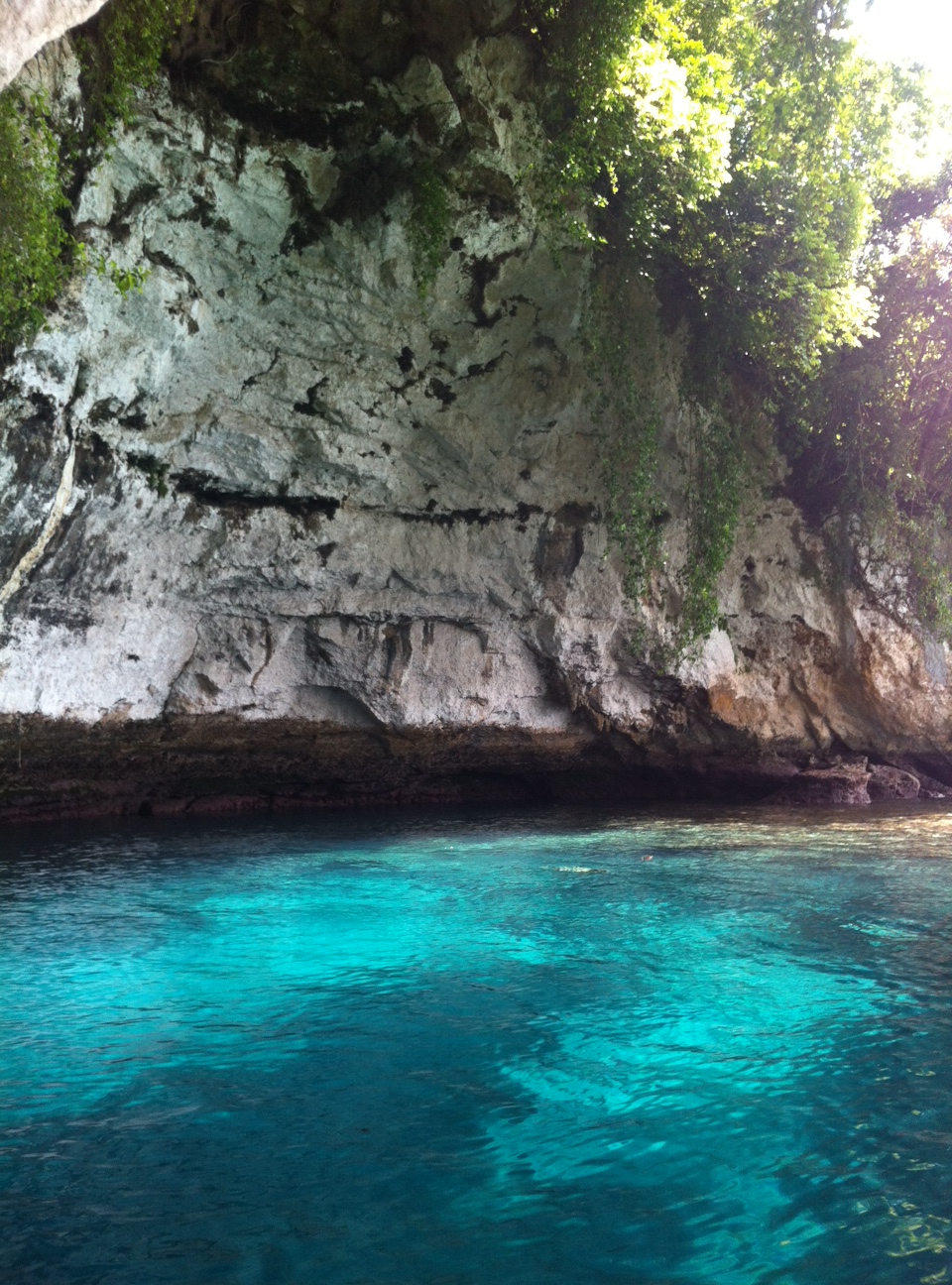
a limestone cave

a limestone cave

I went on his boat with the Norwegian Anthropologist and her boyfriend to the Rock Islands, the main tourist destination in Palau and a UNESCO world heritage site. It’s a huge lagoon scattered with rock islands of all shapes and sizes, a cluster of tree-covered, mushroom-shaped limestone. Noone lives on these islands anymore, but they were heavily bombed in WWII when the Japanese and American used to hide among them, and before that, the Yapese used to harvest their stone money from these islands. We saw the wings of a bomber plane washed up on one beach, and a sunken ship sheltered in one bay just a meter below the surface.

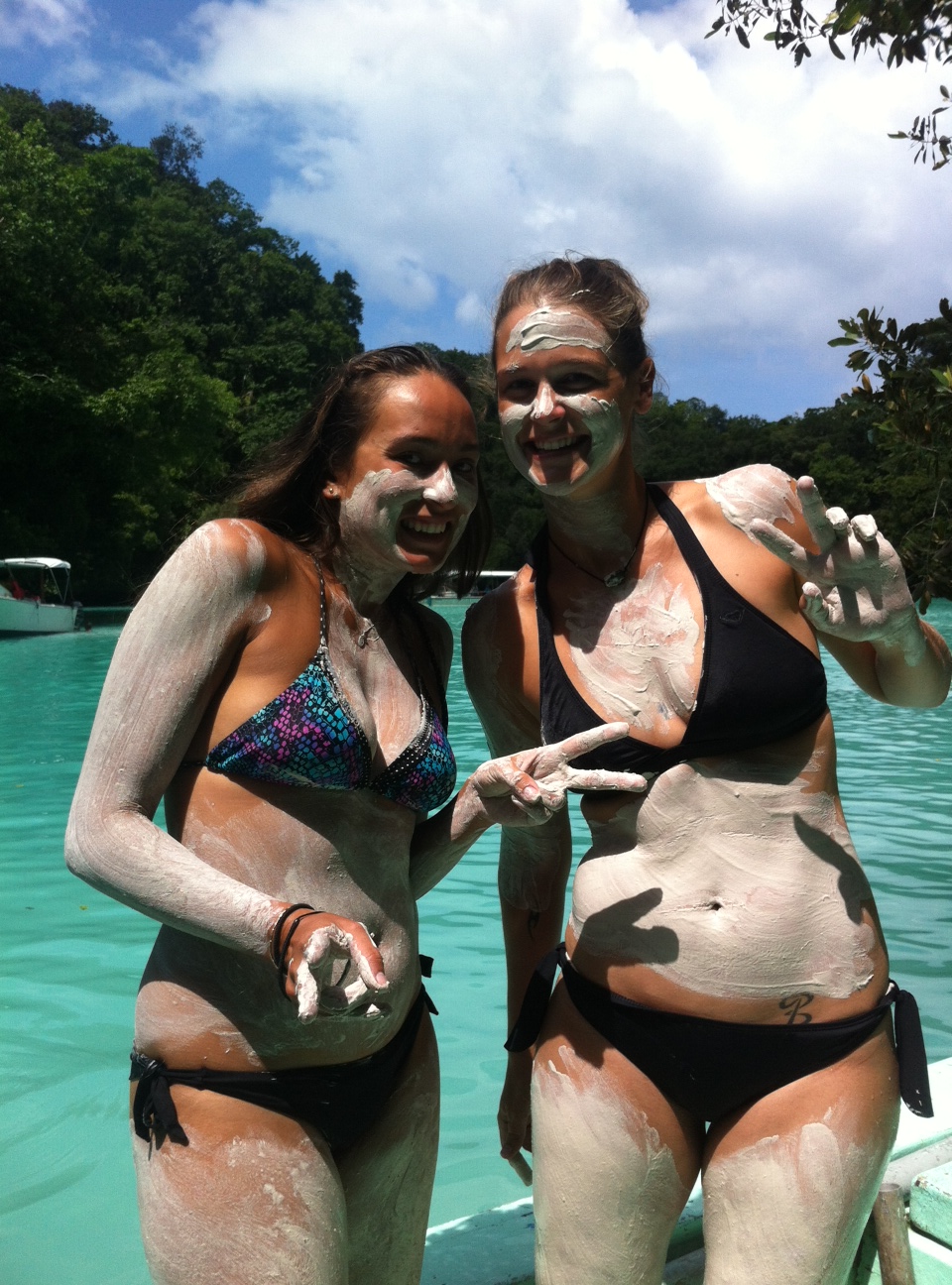
silica mud bath

silica mud bath

Like me, hundreds of tourists come to the Rock islands not only to see these strange formations of land, but to dive and snorkel the underwater world. I’ve never seen so many bright and varied corals and fish in perfectly clear water, colourful clams the size of a couch, and one lake filled with thousands of sting-less orange jelly fish. The Milky Way is a silica-mud bottom lagoon where the seawater turns from turquoise clear to milky blue, and it was a joy to dive down to the bottom and scoop up some mud, plaster it all over, dry off in the tropical sun, and then dive back in to the bath-warm water to scrub it all away and emerge with babysoft skin. It was probably more expensive than the Blue Lagoon back home, since you have to pay a $100US park fee to go to the Rock Islands (including Jellyfish lake), and another $100+ for the day tour. But I guess it was worth it, one of those once-in-a-lifetime places that people will continue to pay whatever it costs, which unfortunately keeps driving the price up.

Yap, Micronesia

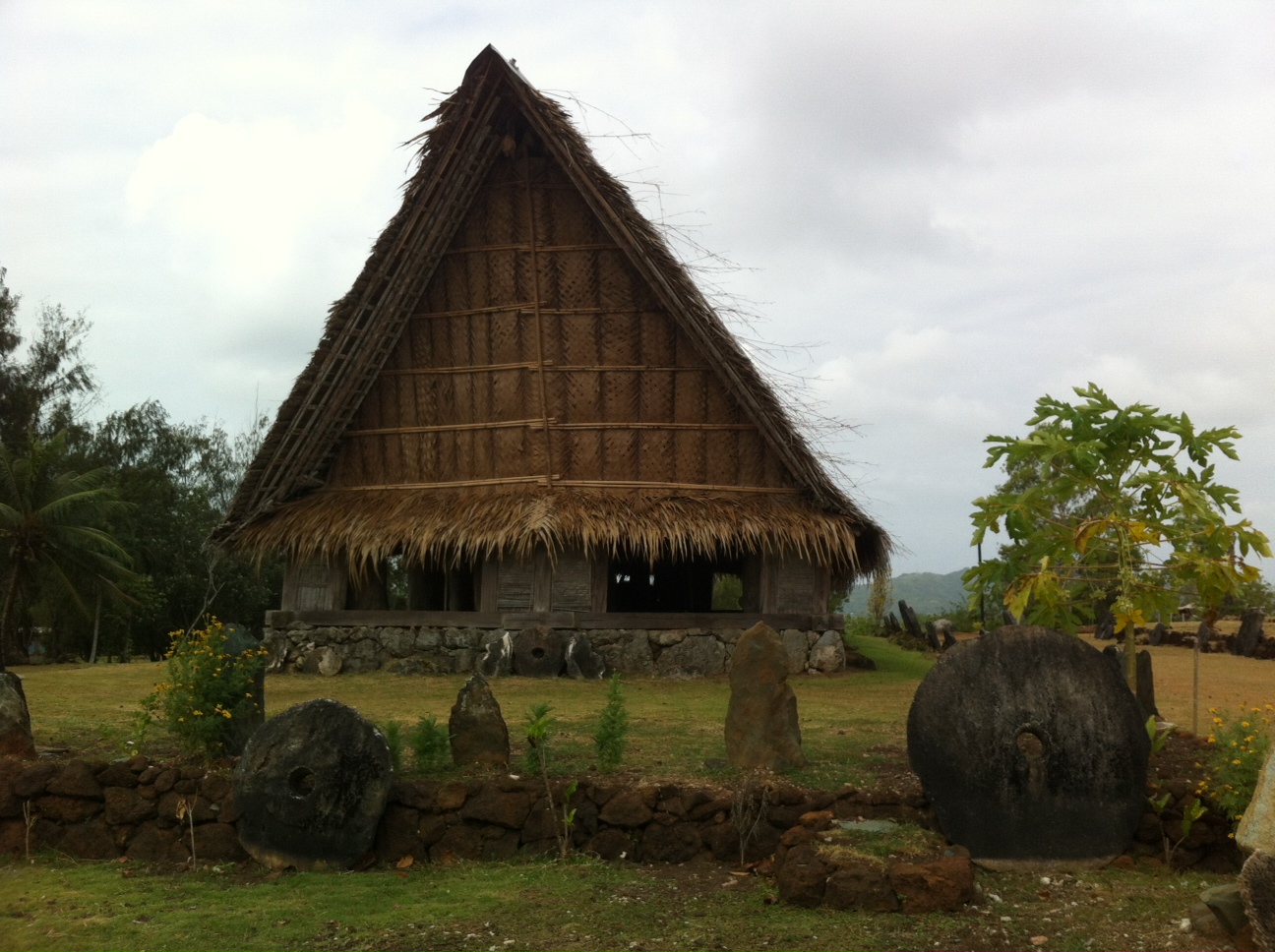
The country Micronesia is a group of 4 main islands, Kosrae, Chuuk/Truk, Pohnpei, and Yap, and are still sometimes referred to as the Caroline islands. They are not atolls, but actual islands, the Jurrasic park kind of islands, tall and big and lush, spread out long and far between Palau and the Marshall islands. The only way to get to these islands is with United Airlines, who has a complete monopoly on Micronesia, and only connects them with cumbersome little island hopper flights. So, if you want to go from Majuro, Marshall Islands, to Palau, like I did, I had to stop at every Micronesian airport, except Yap (which came after Palau). The only thing I knew about Yap before going was that they used to (and still today) use stone money from Palau to settle disputes and mark wealth. The bigger the stone, and the more men whose lives were lost at sea bringing it back to Yap, the more its worth.

a traditional Yapese house and some stone money around it

a traditional Yapese house and some stone money around it

Yap was a pleasant surprise, maybe my favourite Micronesian island, but the one I spent least time on. Because of the United flight schedule of only one flight a week in each direction, I could stay 3 or 10 days, and being this close to the end of a 6 month trip means I dont have much choice other than rushing through 3 days. I magically found a couchsurfer, the first one since Samoa 6 islands ago, at the very last minute, and this guy Graham was one of only 9 profiles, and randomly studied in Isafjordur, Iceland, for his masters degree three years ago. What an awesome coincidence, except that we probably spent more time talking about Iceland than Yap, but I still got so much more out of Yap in 3 days because of him.

slaughtering lunch

slaughtering lunch

He lived in Tomil village, with a local family and all their Philippino workers (the owner ran a construction business), so it was like living in a village within a village. I arrived in the middle of the night my first day, and we sat up drinking rum and eating smoked fish with our fingers until I succumbed to a food coma in the little blue treehouse that was my ‘couch.’ The next morning I woke up to the sound of pig squeals, which continued for a few minutes until the Philippino’s finally had her tied down well enough to slit her throat. She was then roasted in a sealed oven of burning coals and served for lunch, including pigs head bits soaked in pig blood – which happens to taste much better than it sounds.

the beach house in Maap

the beach house in Maap

The food kept up to this standard throughout my stay, with boiled crayfish dinners and midnight snacks of fish soup. I only ate at 2 restaurants – Oasis, which felt kind of like an Irish pub meets pirate tavern, where I had a super American-styled burger and fries, and once at Village View Hotel up north in Maap, where the okonomiyaki was better than I’d had in Japan (its like a pizza with en egg/potato pancakey crust instead of dough).

the women prepare for their sitting dance

the women prepare for their sitting dance

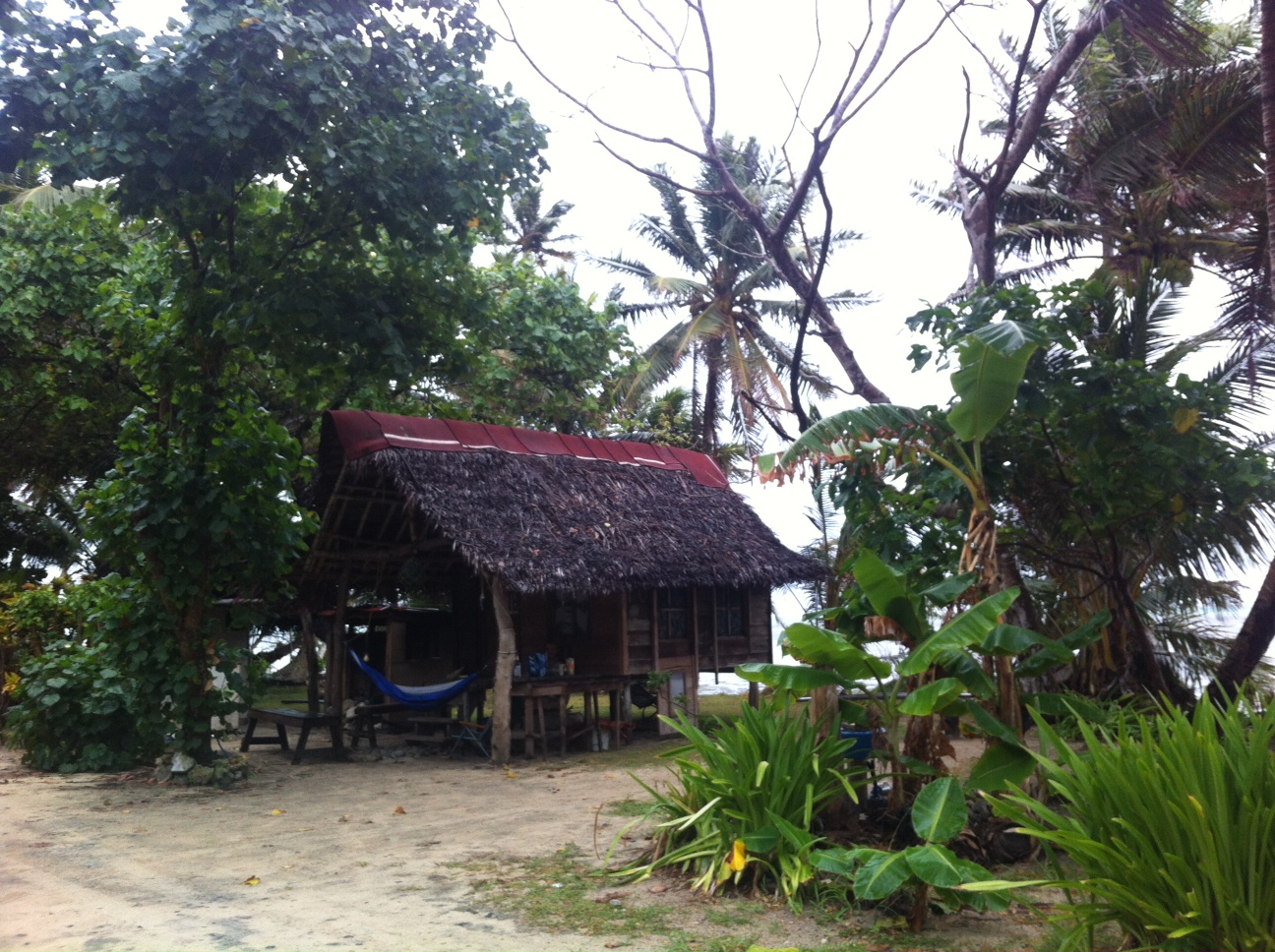
Graham took me to Maap because him and his friends share a beach house there. It was a tiny shack on stilts, with electricity run over on an extension chord from the neighbours. There was no toilet but a shower, but of course the sea served both purposes just fine. I only wish I could have stayed there for 3 more days, since it felt like the type of place you would automatically fall into meditation just from being there, totally alone and relaxed without a care in the world.

photo 4

practicing for Yap day

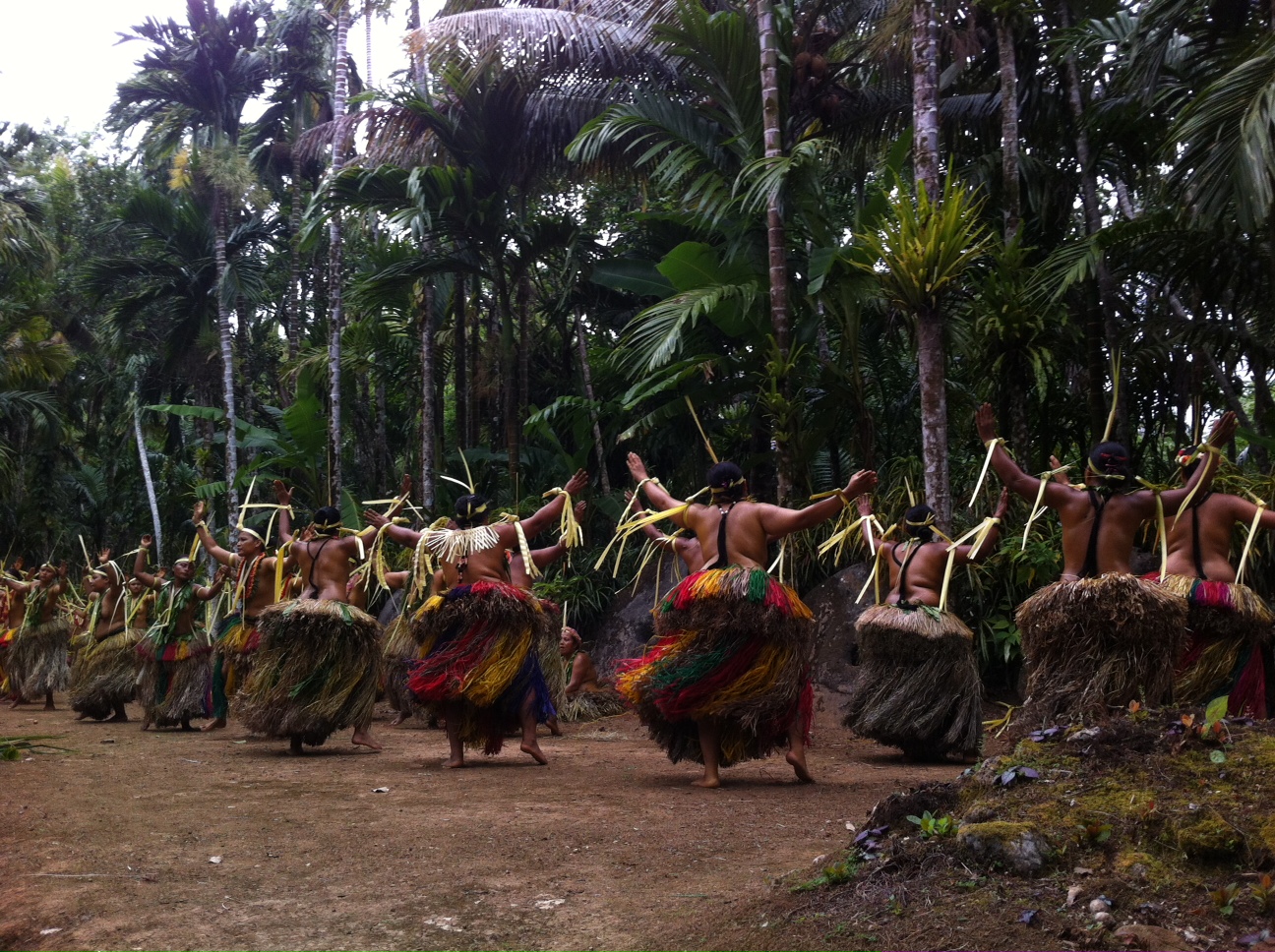
But luckily I also spent some time in Graham’s village, where upcoming Yap day (March 1st) sent every man, woman and child into preparation for dances, costume making, or more pig slaughters. We went around the villages to watch some of the dance practices, and the women’s sitting dance was so touching. It was a line of nearly 30 topless women, ranging from 2-60 years old, wearing beautiful bark skirts, green leaves and colourful headresses. They sang these sweet and somber songs while sitting cross legged and dancing with their arms and heads, and watching them gave me goosebumps. The men’s dance was a little more commanding (and had twice the number of men), erotic even (their skirt is tied and hung to resemble a big ball and penis), as they thrust their hips around and yelled staccato words at the tops of their lungs. The mixed dance was the most technical one, when men and women of different heights, ages and skill danced together with bamboo sticks, synchronizing their dancing and singing with hitting their sticks together. Graham participated in the men’s dance, the only white guy, but they cover their bodies in tumeric-infused coconut oil so everyone just looked really yellow and greasy from far away.

First stop in the North Pacific: the Marshall Islands

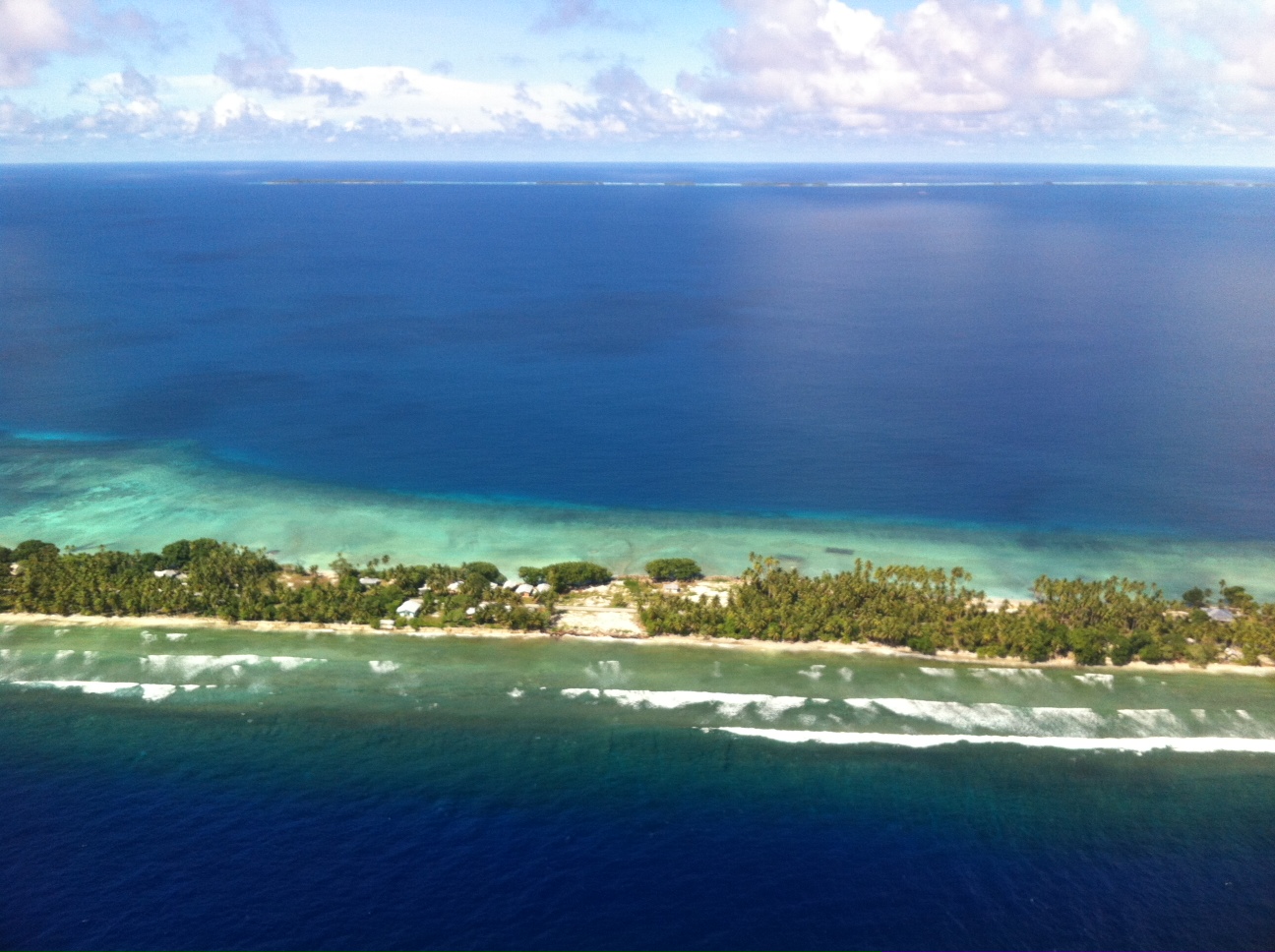
Majuro atoll, in the forefront and faintly in the background

Majuro atoll, in the forefront and faintly in the background

There are a lot of different words to refer to this part of the world, like Oceania, Australasia, or simply the Pacific, but there are three distinct parts to the Pacific islands: Melanesia, Polynesia, and Micronesia. They don’t refer only to geographical separations, but also cultural and genetic differences between the islanders. Melanesia includes the countries furthest west and closest to Australia: Papua New Guinea, Solomon Islands, Vanuatu, New Caledonia and Fiji. Polynesia can be described as all the islands within the triangle between Hawaii, Easter Island, and New Zealand. Micronesia are all the North Pacific islands, including the country called The Federated States of Micronesia.

Majuro airport

Majuro airport

My first stop in the North Pacific was the Marshall Islands. From then on, it was only Micronesian islands and the US dollar, despite there being different countries along the way. All of these islands were once peaceful, self-sufficient communities originating mainly from Asia, but during WWI and WWII, Japan, Germany and the USA ravaged the islands and their people as they fought for these strategic territories that they themselves had never even settled. The Marshall Islands probably got the worst of it, since they were not only bombed and invaded during the war, but heavily bombed with nuclear bomb tests after that. More than 60 nuclear bombs were dropped on Bikini atoll in the 10 years following WWII, islands where the local population had been removed and later returned to their super-polluted, nuclear contaminated, radioactive islands. The Marshallese still suffer from exposure 60 years later and haven’t been able to return to their homes.

And to make matters worse, the US hasn’t learned much from their mistakes, since they are now bombing the hell out of Kwajalein atoll, called a Ballistic missile defense test site. Although its not nuclear bombs, its still killing huge parts of the coral reef and marine ecosystems, and again they’ve displaced the local community from nearly the whole island, isolating them to just one atoll called Ebeye where the population density is worse than Manhattan. Neither locals nor tourists can visit any other part of Kwajalein unless you’re part of the US Military on task there, or one of their family members or an invited guest.

a hammock kinda day

a hammock kinda day

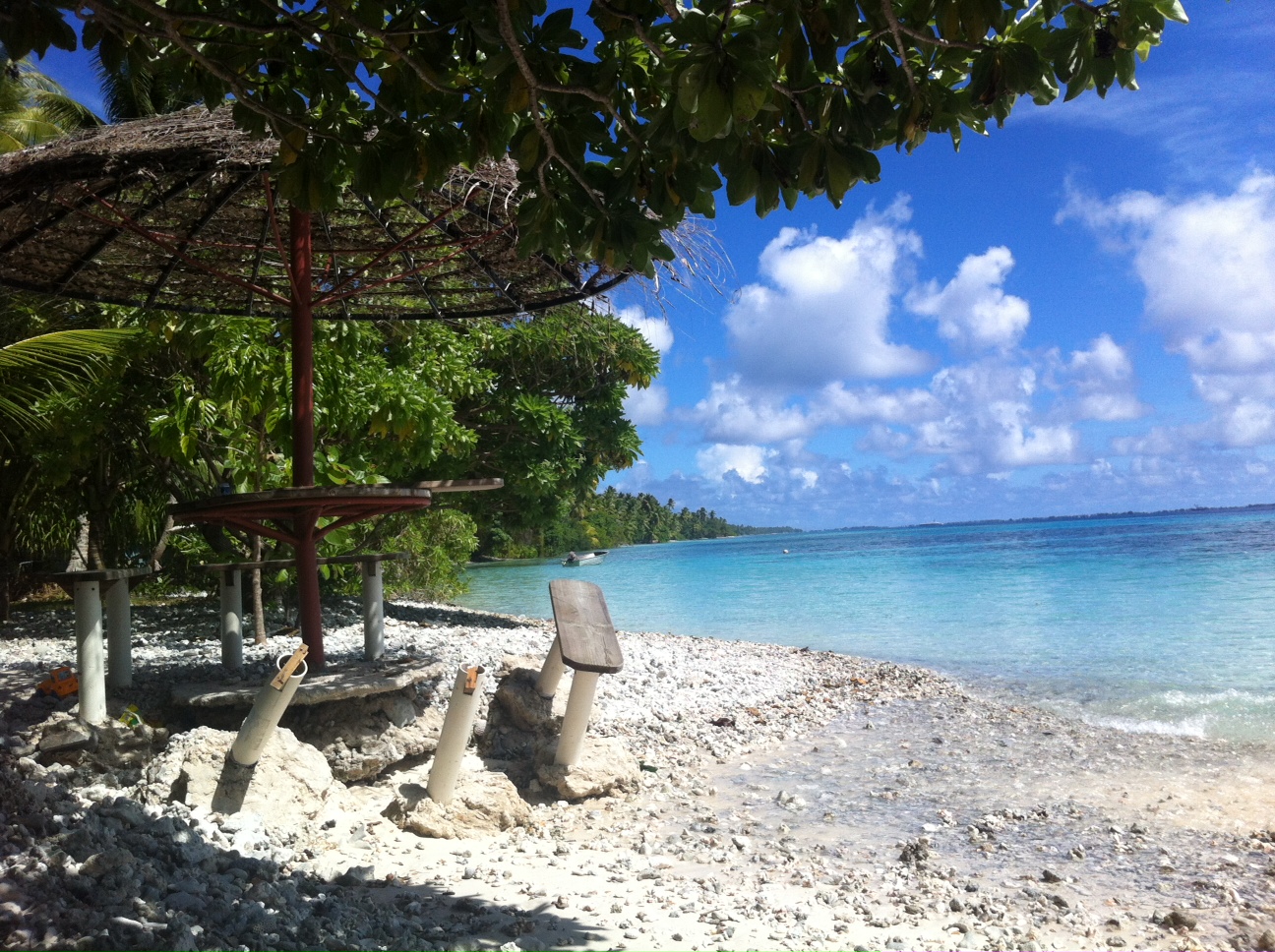
Aaaanyway, enough ranting… I loved Majuro atoll, the friendly, happy, bomb-free, locally inhabited part of the Marshall Islands. It’s a huge, broken up, u-shaped connection of atolls and islands, little spits of sand and coral sticking out of the sea, and traditional canoes sail alongside the fishing boats and private yachts in the space between them. I went to Eneko for a night, reachable from the capital city in about 15 minutes by speedboat. There me and a friend had the island to ourselves for $45 a night, including our private beach, some kayaks, a coral reef to snorkel, our wooden hut, an outdoor kitchen, the hammock and one nearly washed-away picnic table. Another night we camped at Laura beach, which isn’t a camp site but we hung a hammock and used the benches, but a drunken dumb and deaf guy came tearing through our camp a couple of times in the middle of the night, so it wasn’t quite as relaxing as Eneko.

our beach hut at Eneko

our beach hut at Eneko

If you make it to Majuro, there’s only one proper backpackers called Flametree Backpackers (and very affordable at $20US/night for a semi-private room). All your tourist things can be taken care of from the nearby Marshall Islands Resort, the Visitor’s authority tourist office in town, or the REE (Hotel Robert Reimers/ Robert Reimers Enterprises) docks. There are fully-stocked American style stores everywhere, it was cleaner and cheaper than many of the other islands, so Majuro comes highly recommended in my books.

our half-standing picnic table

our half-standing picnic table

*For more information on the hydrogen bomb test and the US’ impact on Bikin island and the Marshallese people, read this article: www.theguardian.com/bikini-atoll-nuclear-test

Nauru, the wierdest country I’ve ever visited

Can you imagine a chunk of rock sticking out of the Pacific Ocean, only 20 square km in size, 300 km away from the nearest island, with 10,000 people living on it? Then imagine that this little island and all its Micronesian/Polynesian peoples changed hands from Germany until WWI, to the UK until WWII, then the Japanese invaded, and finally Nauru became a recognized, independent state in the 60’s. Now this is when it gets crazy – then Nauru became one of the richest countries in the world during the 70’s, with millionaires flying on the country’s regional airline all over the world and buying Lamborghinis for their president (who was too fat to fit in it, rumor says). By the late 80’s, the source of their billions, phosphate mines, began to dwindle, and they started to shut down. Many of them were built by the Australians, who just left them as they were, and they’re still there – tall, rusted buildings and half standing cantilever arms stranded on a dock-less beach. By the 90’s, unemployment was everywhere and a new generation of Nauruans were born into poverty.

This structure may fall down at any time!

This structure may fall down at any time!

After making the Australians a few million too, they now depend on Aus Aid to function. They  The Chinese run all their small businesses and Japan helps them build roads. One of the most significant financial inputs to their economy comes from the Australian run detention center holding refugees seeking asylum in Australia. It was opened from 2001-2007, and reopened in 2012 and now holds nearly 1000 people from Bangladesh, Myanmar, Afghanistan, and Sri Lanka. Australia pays 8 figures to Nauru for the center, and even more money for each refugee’s transport when and if they leave this middle-of-nowhere island. While they’re still there, they get amnesty from the local law, and police won’t even help a Nauruan if a conflict arises with a refugee since each one is worth so much money.

The President's destroyed and vandalized mansion

The President’s destroyed and vandalized mansion

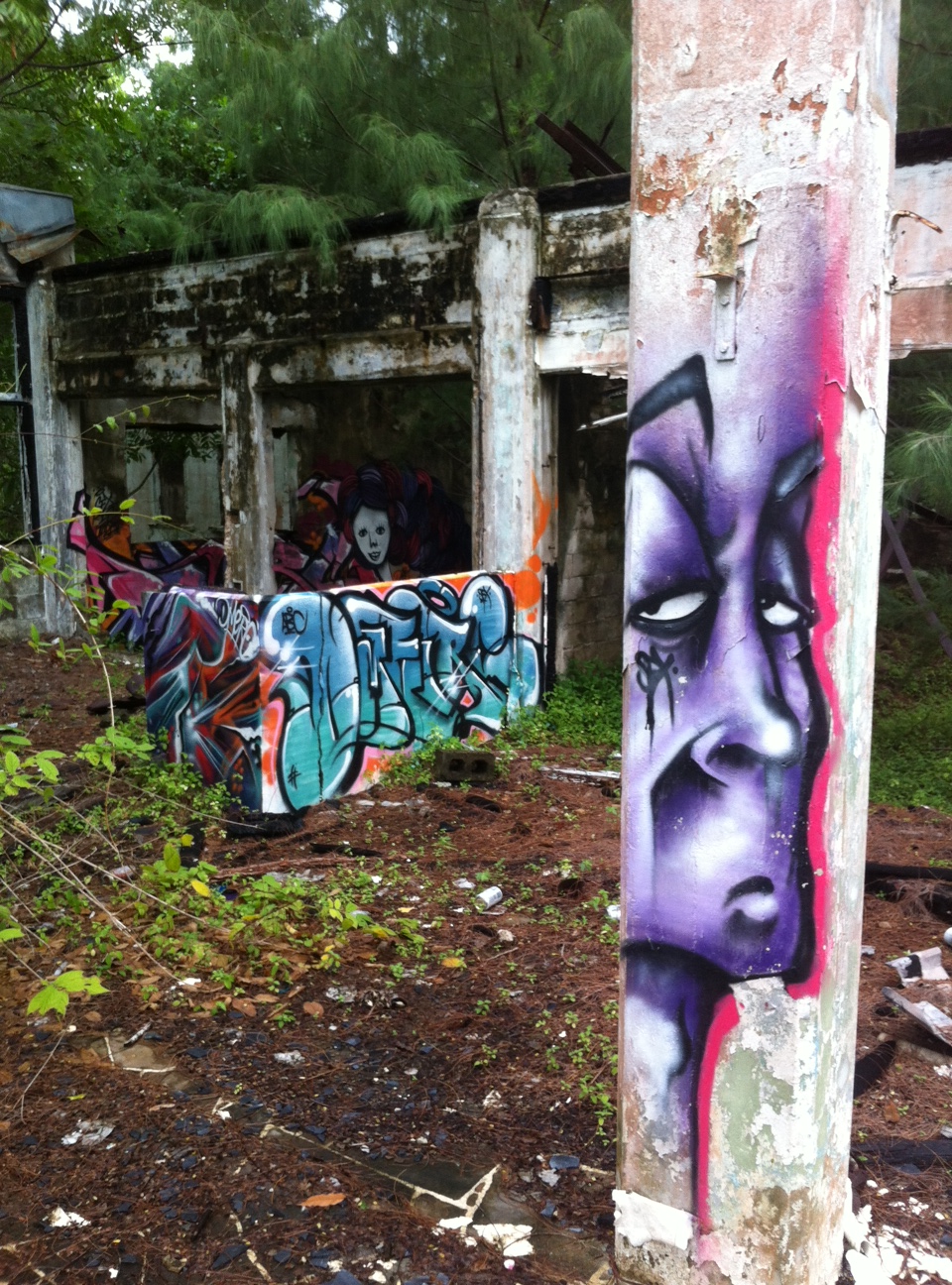
The President’s beautiful mountain-top house was torched in a 2001 riot by local people who had lived through the country’s downward spiral. Alot of the blame fell on the government, who managed public funds through international investment projects gone bad. They basically gambled away their millions, lost all their airplanes except one (still functioning Our Airline was nationalized and the government has gone into debt to keep it afloat), and one of the grandest hotels ever built in this part of the Pacific has become a spooky concrete structure resembling something like an imcomplete construction project from the 80’s. It probably has 50+ rooms, but ours was the only one occupied for our one night stay, and the owner keeps her prices just $10 cheaper than Menen Resort, the only other hotel on the island at $150/night for a dirty room in a dying building. The prices of things, in Australian dollars, is ludicrous, since only political or NGO related people travel here, and what you get for what you pay for isn’t even worth a tenth of the price.

deserted industrial areas - a common sight in Nauru

deserted industrial areas – a common sight in Nauru

When I got off the plane, I had the feeling Nauru would be a unique place in the Pacific, but it was a weird and eerie kind of unique. I’m certainly glad I went, just to try and understand a bit how such a tiny country and its history could truly be real… but I don’t know if I’d go again. It’s a sad little place, and I just kept wishing I could time travel and visit it back in the 80’s when the place was booming and all the hotels were filled with foreigners that could have enjoyed Nauru with me.

Tarawa Atoll, Kiribati

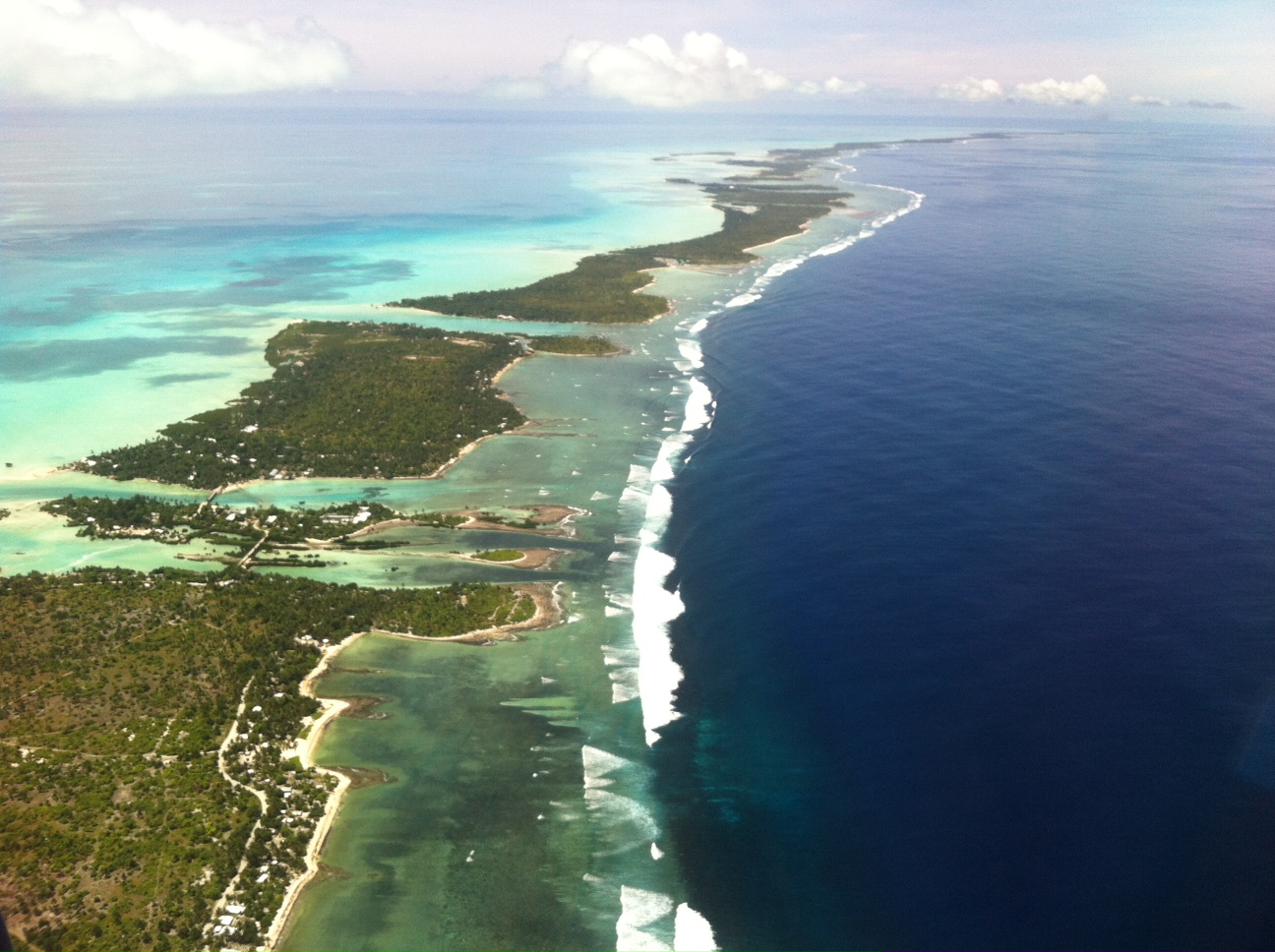
One of Kiribati's many atolls

One of Kiribati’s many atolls

The difference between an island and an atoll is basically just a lot of land and soil. While an island can be just as wide as it is long, be covered in green grass, and rise up out of the sea into huge mountain ranges, an atoll is only a narrow bit of raised coral rock, dotted along in strips of land surrounding a big blue lagoon. Just try to imagine a sunken volcano in the sea, with only the ridge around the crater sticking out, with a few resilient palm trees and banana fruits growing strong. The highest point on Tarawa is 3m above sea level, a small rise in the road that you’re over in a second, and the 2.5m high bridge connecting two of the atolls. There were huge stretches of land where it was only as wide as the road, since a series of roads and bridges connect the pieces of land slowly drifting apart from rising sea levels.

There are only 4 atoll nations in the world, countries which live on slivers of land in the middle of the Pacific Ocean, and its amazing what they do with so little land, and how many people they can fit on it. There are around 700 people per square kilometer in Tarawa… plus their pigs and chickens. They had to get rid of goats because they ate all the seedlings of the little vegetation that does grow, and horses or cows never had a chance without grass. The pigs stay tied up by their back foot under people’s houses, and the roosters are free to roam around and cockadoddledoo as they please. The stray dogs and homeless cats squeeze somewhere inbetween the boundaries, and somehow everyone fits, including the regular influx of seamen coming in from fishing boats and cargo vessels.

Tarawa Atoll

Tarawa Atoll

People had been asking me if I was going to Christmas Island, which I thoughw as weird since its in the Indian Ocean half way between Africa and Australia, but then I learned that ‘ti’ is pronounced ‘s’ in the Kiribati language, making Kiribati’s name ‘Kiribas,’ and Kritimati (the other large island in the island group) ‘Kirismas.’ Even though they’re both part of the same country, they’re hundreds of miles apart, since Kiribati is speckled around the equator from 170`W to 150`E. The date line technically passes through them at 180`, but they’ve all shifted in favour of the west side, making the easternmost islanders the first in the world to see a new day every morning. They renamed this island ‘Millenium’ island (formerly Caroline island) in 2000, but some deserted beach in Antarctica technically saw the millennium first.

Since there’s not much topsoil or any grass, it’s a stony, dusty place. There’s a strange grayness to the colour of the land, as if someone poured an unmixed bag of concrete over Tarawa, making this greyish dust float all over the place when its dry, and turning all the streets into a sticky gray mud and potholes into greywater pools when it rains (and it rained, a whole lot, while I was there). There were atleast one or two dedicated workers in each shop to wipe dust off the products for sale, an endless job that meant starting all over again as soon as you finished, because by that time, more gray dust and mud had crept back in with the wind or tromping feet.

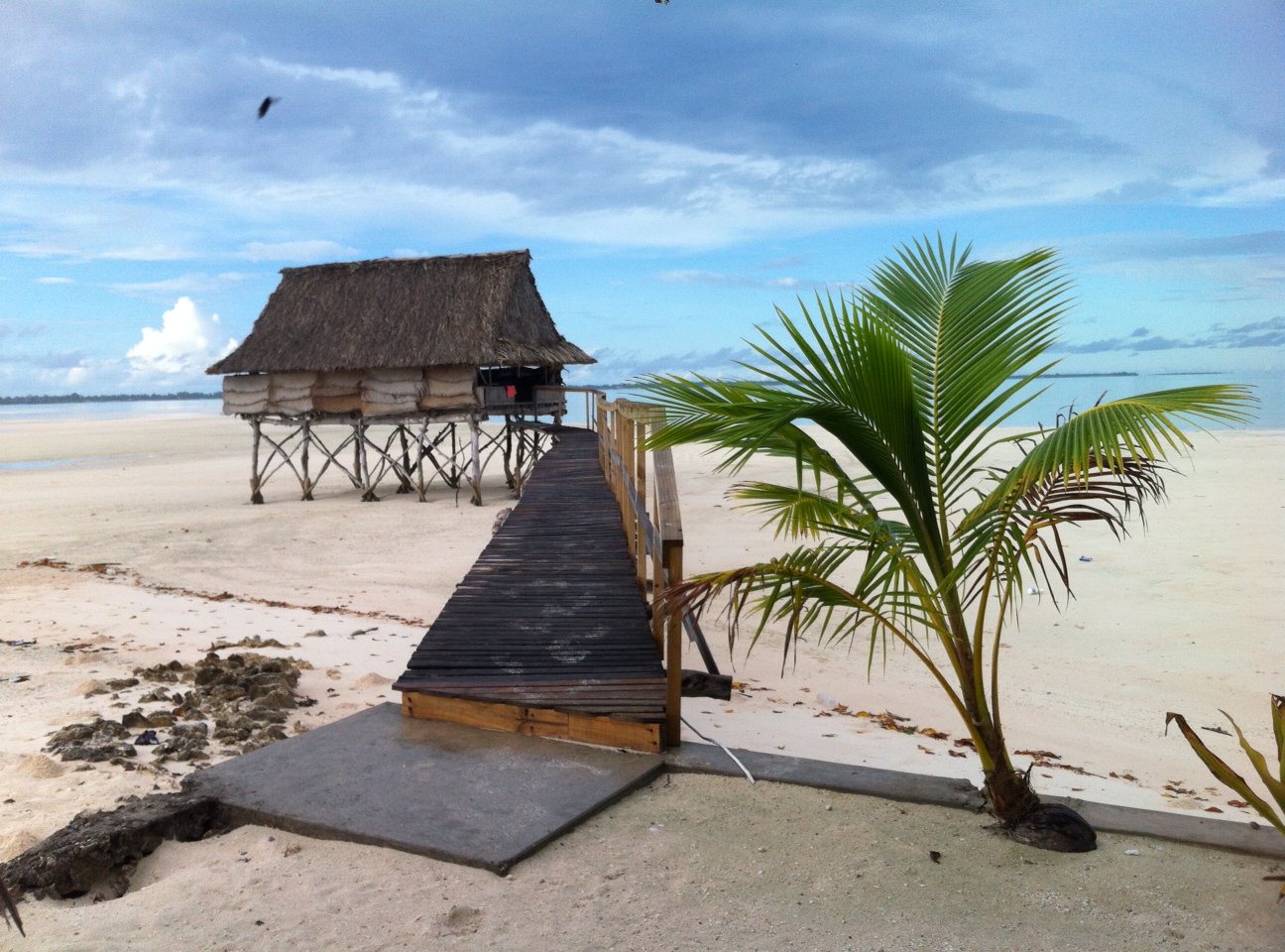
you have to wade through a channel between islets at low tide to get to this bungalow

you have to wade through a channel between islets at low tide to get to this bungalow

I stayed at a lovely place called George’s, where all the female and fa’afafine men who worked there knew my name and the restaurant made delicious, cheap, food. George’s was also a bar where live bands performed to celebrate the weekend and Valentine’s day, and I met a lot of men from all over the world working on various ships docked in the Betio harbor. I met a Venezuelan helicopter pilot who nearly took me on a helicopter tour of Tarawa (dang…), a 24/7 drunk observer from Tuvalu, and a chief engineer from an American ship who sank the little speed boat his crew uses to go from the fishing boat to shore.

There are more shipwrecks than boats afloat, or so it seemed, with rusted boats from WWII to the speed boat that sank yesterday scattered about the shallow lagoon. The deranged chief engineer didn’t even have a radio to tell the captain he’d sank their speedboat, and he had no way to get back out to the main vessel, so he sat around the bar at our hotel drinking and retelling the story until someone with a marine radio could help him.

getting away from the gray streets

getting away from the gray streets

I get used to hearing weird stories like his, and other equally strange but wonderful stories like the helicopter pilot who saw a blue whale give birth while scouting for fish. My taxi driver mixed west and east with north and south and told me about how the sun set on the south side of the island. I suspended judgment for a moment to try and see how he could be right, but we’re literally on the equator so there’s no mistaking that. I’ve started to collect my own strange stories too, and my favourite from Tarawa is about the two cockroaches that my air conditioner threw at me. A live one got hurled at my leg when I first turned it on, and during my first night sleeping, a second one got caught up, killed, then launched onto my bed. Just another day in the life in the Pacific.

Too long in Tuvalu?

not the most beatiful picture of Tuvalu, but certainly a memorable one... the island is slowly sinking under the sea and debris

not the most beatiful picture of Tuvalu, but certainly a memorable one… the island is slowly sinking under the sea and debris

I had never heard of Tuvalu before, and apparently Im not the only one. I was also the only idiot on the whole plane who didn’t know Tuvalu is off the banking grid, as in no atm’s, credit cards or debit cards (in my defense, I googled if there was a bank and there were 2… they just dont have atm’s), so I had to survive off $200AUD for nearly a week. Tuvalu only has a population of about 10,000, living on 25 square kilometres spread out over 9 islands in the middle of the Pacific, so it’s not surprising few people have heard of it and a cash economy does just fine. But, it is an actual, UN recognized, functional country, with a Taiwanese embassy and one little airstrip that takes up half of the main island. Fongafale is more than 10 km long, but only 10-400m wide and the airstrip lies smack dab in the middle of the widest part. It’s a couple km of un-fenced concrete, only a metre above sea-level at high tide, and a little cottage near the middle of it marks the airport terminal. It’s the international airport, with two flights a week to Fiji, and the duty free shop doesn’t fit inside so instead it’s a portable trailer driven up for the occasion. All the passengers don’t even fit inside to line up for customs, but they’re kind enough to provide umbrellas for those stuck outside.

The narrowest part of Fongafale

The narrowest part of Fongafale

It rained cats and dogs while I was there. Puddles turned into small lakes and the whole length of the runway was under water at one point. I was there during a full moon and the king tides brought the ocean right over the roads. Rising sea-levels have slowly been chewing the island away, pushing the coast line further and further inland. Coconut trees that used to be on the beach have now been washed away and drowned, and the seashore is more often a man-made wall made of rock piles or decaying cars.

king tides wash debris over the low-lying roads

king tides wash debris over the low-lying roads

I was in Tuvalu for 5 days, and knew that would be enough time to see it all, make some friends, read a book, and relax a lot. After 2 days, I had done all that, and then watched the entire Godfather movie series. The weather had been mostly rain, and most people stayed at home or went to church. Even school got cancelled because of the rain, and a concert I wanted to see, so I wondered what I’d do with the rest of my time. It didn’t take long until I was nearly too busy to sleep, because that cancelled concert night I ended up at another live music event where an Argentinian film crew befriended me. I spent the next few days tagging along with them, filming scenes of the island, interviews with locals, boat trips to secluded islands, live-dancing and singing, and the hustle and bustle of the bi-weekly plane days.

man-made barriers against the king tides

man-made barriers against the king tides

I didn’t realize how likely flights are to change or be cancelled. The morning I was supposed to check in for my flight, it had been raining buckets for hours straight, and the plane was delayed and only barely managed to land and take off on the flooded runway. But thank god the plane did come, since it’s one of the most well-attended events in the community. The ladies selling farewell necklaces set up shop, the kids line up to watch the plane soar over the runway, the passengers getting ready to go just wait around on the side of the runway, and every other Tom Dick and Harry knows someone already there or arriving on the flight that it seems all of Fongafale shows up to greet the plane.

The Kingdom of Tonga

There are direct flights from New Zealand, Australia, and Fiji to Tonga, which made me think it might be busier or more touristy than the other islands. Coming from Samoa, which has direct flights to the same places plus the US, it seemed like a tiny village, but still busier than many other islands. Tongatapu, the main island, was totally flat, so flat that the only incline I ever walked on was the stairs up to my room and down to the beach at low tide. Without any mountains, there was less rain, and I always felt like I was just around the corner from the sea.

I thought Samoans were really religious, but Tonga takes religion to another level. The Mormons had multiple churches in some villages, and apparently their mission is to make Tonga the first entirely Mormon country in the world. They wear neatly pressed white dress shirts, a tie, and a skirt, sometimes made of the traditional woven bark other Tongans like to wear. The missionaries learn to speak perfect Tongan, in order to improve their door-to-door conversions, but then teach Tongans that English is the only language they should speak, since without it, you can’t be saved (?!?!).

Mormon's going to work in their bark skirts

Mormon’s going to work in their bark skirts

Tonga is a kingdom, and the royal family lives in a bright red and white wooden ‘palace’ that looks more like an old-style British plantation house. The king doesn’t always live there, nor his family, but the last king lived in another mansion facing his mother’s estate who had access to 2 cannons facing his house (so she could blow him up if he misbehaved). The royal family encourages everyone to do nothing on Sunday except go to church, so taxis, shops, restaurants and even the airport are completely deserted. There are flights every day except Sunday, so this conservative schedule is actually imposed on the international airlines who can’t do anything about it – no one can work at the airport on Sunday.

a sunny Sunday retreat to Pangiamotu island

a sunny Sunday retreat to Pangiamotu island

The only place that may have some life are the tourist resorts, most of which are set up on their own private islet. On Sunday, I went to Pangiamotu, only 15 mins away by boat, and so did 100 other people. It was a mix of westerners, Japanese tourists, and majority Tongans, all enjoying an escape from obligatory church attendance and/or the ghost town that had become Nuku’Alofa, Tongatapu’s capital.

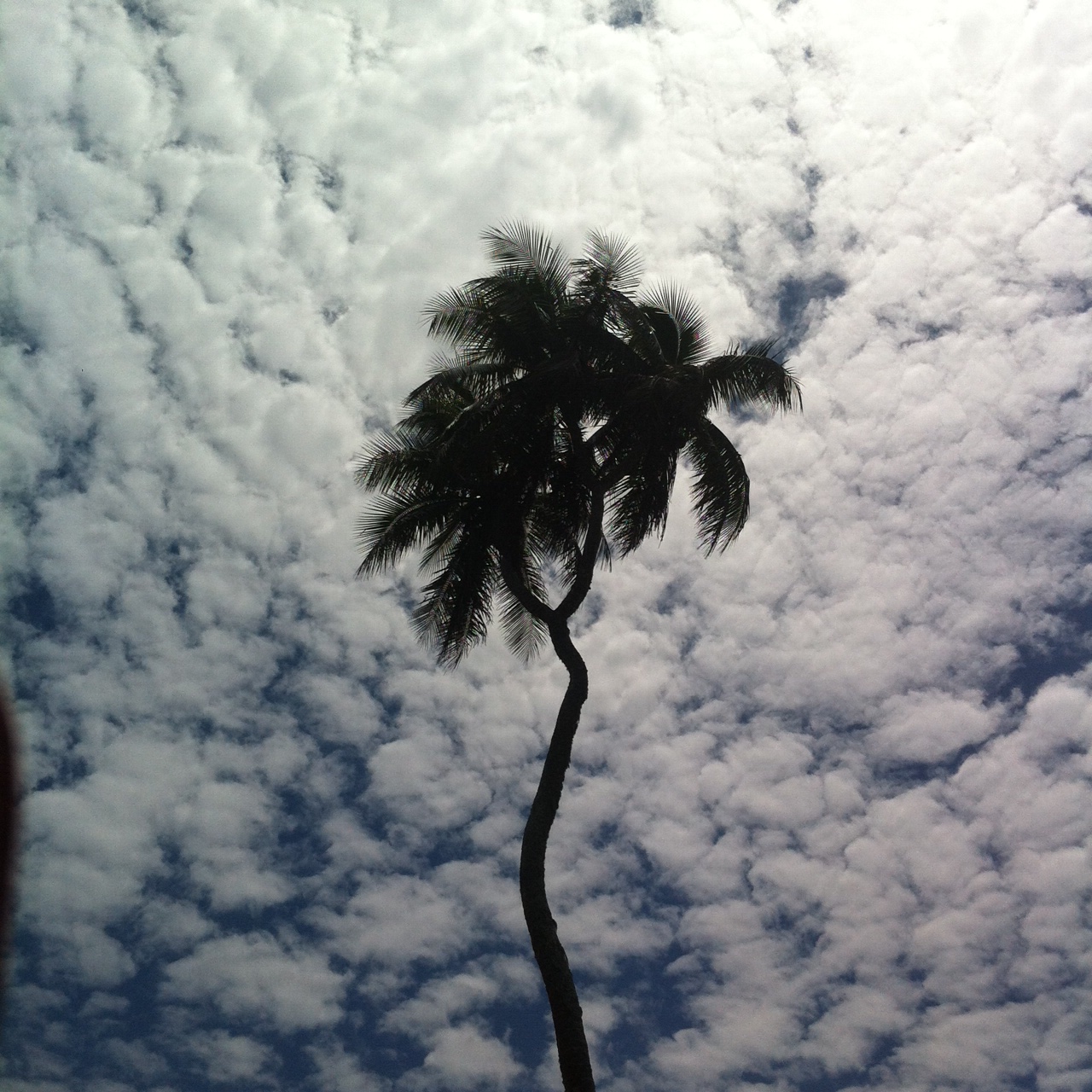
this is not the only 3-headed coconut tree in the world

this is not the only 3-headed coconut tree in the world

My entire visit to Tonga was facilitated by a British guy named Toni. I took Toni’s Tours airport shuttle, stayed at Toni’s guesthouse, and took Toni’s tour to the blowholes. He took me proudly to the world’s only 3-headed coconut tree, but I later found out Tuvalu has a few too. He’s lived there for more than 20 years, has a Tongan wife and owns a few houses, and he’s basically the go-to guy for any backpacker in town. The tourists are few, despite all the airplane traffic, since most people coming and going are Tongans and their relatives. Still, he runs his business, at prices no one else could match, and struggles to feed all the mouths that have latched on to him for financial support. It must be a lonely world for him there, but he says he doesn’t miss England one bit, and as long as the cashflow covers the bills, he’s not going anywhere or unadopting any kids. So If you ever make to Tonga, Toni’s your man, and you should help support his retirement in paradise.

Samoa, part II

Samoa is a place that inspires me to write. I’m constantly thinking of things I need to remember and describe, jotting down notes on the backs of receipts and scraps of paper I know I’ve lost along the way. Even before I can get to my notepad in my iphone, I’ve forgotten something important I wanted to write down, and its been an especially annoying struggle since wifi and electricity have been nearly non-existent in the beach fales I’ve now been living in for 2 weeks. The other problem with writing too much is that you forget to take pictures… oh well.

The village life is very social, and privacy is nearly non-existent in the wall-less houses people share. They live in this structures called fales, which is just an open space surrounded by beams supporting a roof over their heads, and the concept of walls or rooms only exists in the separate toilet building. There are fales to live in, nap in, go to the beach in, and for tourists. I stayed at a fale nearly every night, each on its own beautiful plot of beach or ocean-front, and for the $30 charge, your breakfast and dinner were included. They kept getting better and better, each fale with its own charm, and it didn’t matter what direction you went or how far you traveled, you could always find a serene little fale to call home for the day.

my princess bed in the beach fale I called home for the night

my princess bed in the beach fale I called home for the night

Every village had a volleyball net, and it was common to see 10 or 20 people playing a game of volleyball. Boys had the tendency to turn anything into a rugby ball and spontaneously burst into a game of rough rugby. Samoans have their own special version of cricket where dancing and singing is actually incorporated into the game plays. I saw a few cricket pitches but never stuck around to watch a whole game… they can take days to finish! Its amazing how the tanned, silky-smooth, hairless Samoan men can dance around in flowery pink lava-lavas (“sarong” in Samoan) can still look ultra-masculine. I was mesmerized watching a group of men practice for their fiafia (a dance show), and even their blurry tattoos added to their ultra-man effect.

There haven’t been many tourists here either, but I noticed a couple of men who make a holiday home and holiday family out of some village women. There was a Canadian man in Saolufata who had 3 children with a Samoan woman, but he only visited over Christmas, since he still had a wife and some grown-up kids back in Canada. Then there was the Italian guy who walked with a cane, maybe in his mid 50’s, but he had a child here and thus an entire extended family in Fao Fao village. Ex-pat Samoans were everywhere, since more Samoans live in Australia and New Zealand than in Samoa, but they keep their language and extended family ties very strong, with regular visits and family reunions both in Samoa and abroad and don’t consider themselves tourists in Samoa.

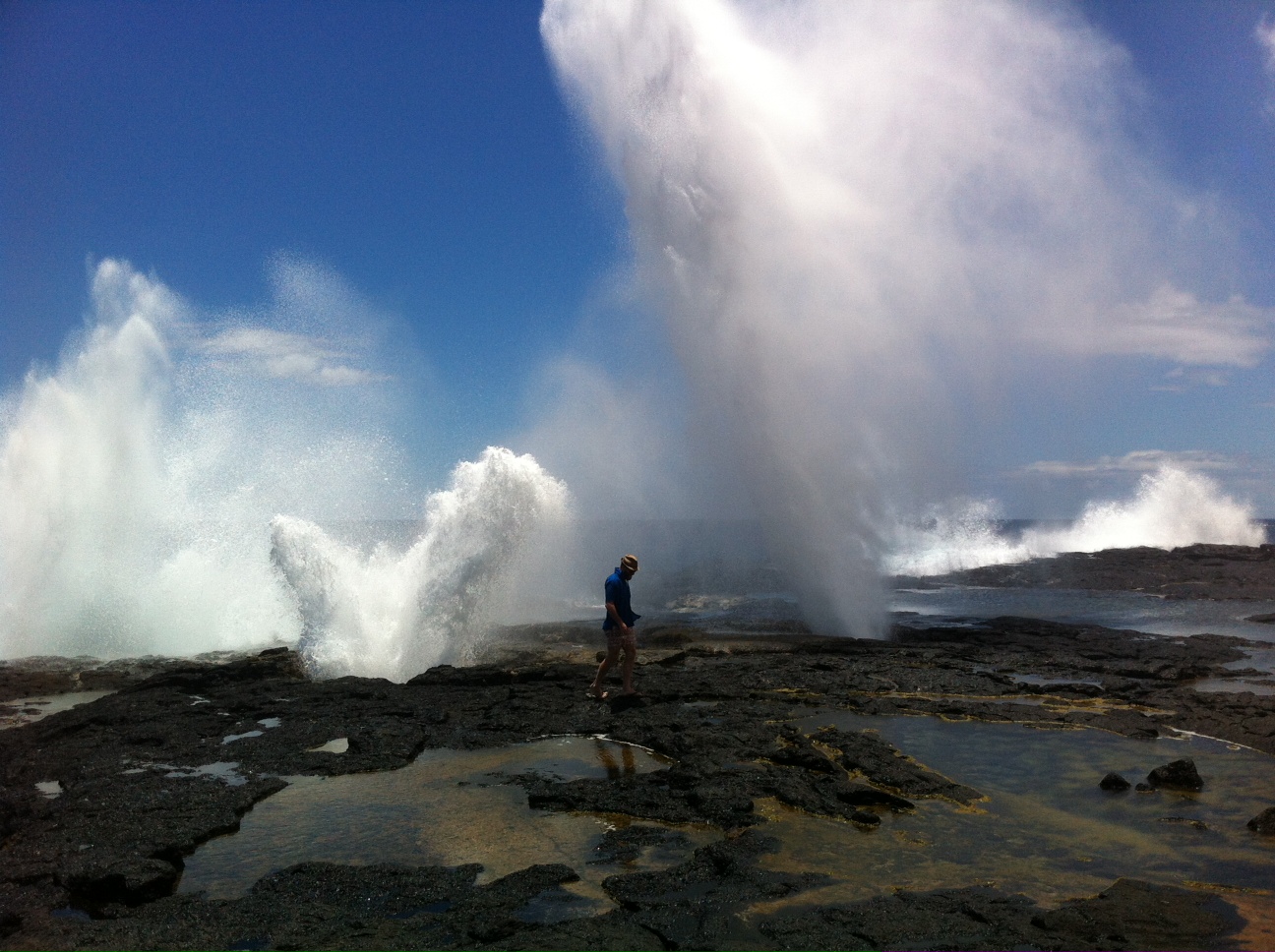
there were more tourists in Savai'i, to see attractions like these blowholes at Alofaaga

there were more tourists in Savai’i, to see attractions like these blowholes at Alofaaga

Its cyclone season, or just the hotter-humid rainy season (there haven’t been any cyclones yet), and I don’t mind one bit since the wind blows a little harder at night (making it easier to sleep in the heat), and the touristy places are underpriced and empty. Back home I’m known as more of a social butterfly, or a “do-er”, but here, Im a loner and a lazer. I’d spend more time with people if I met anyone, but the shortage of other travelers means Im left with the locals to engage with. I love the elders and the women, when they have nothing better to do than chat with me, but the younger men are always a little pushy and too flirty, and the children don’t speak much English. But everyone will exchange a smile and a talofa (“hello”) excitedly if you smile and wave, and I can’t get over how much the children can keep on smiling and seeking your attention without being able to communicate.

I love the rain, since it means the days will cool down a few degrees and the wind may even counter-act the humidity enough that you stop being sticky and sweaty. It makes it cosier to lie under your fale and listen to the rain pound down on the coconut leaf roofs, and the mosquitos may temoporarily stop flying and attacking your blood stream. I love lying in my mosquito net, which feels more like a princess chamber in paradise, and knowing I’m finally free from the risk of dengue fever and chickungunya (they’ve had an outbreak here since 2014). I thought I had chicken goonja, but my achy joints and sore muscles were just from hiking around Apia harbor for 4 hours in the blazing hot 36` sun. The only bad thing that happened to me might have been the stray dog that peed on me… not sure how that happened but he was behind me and I didn’t see it coming.