Macedonia the Great

Macedonia has a lot of claims to fame. To begin with, Alexander the Great was Macedonian, and gets referred to as Alexander the Macedonian by locals. St. Cyril, the inventor of the Cyrillic alphabet in the 9th century, used it for his missionary work in the Slavic countries and helped spread the Orthodox faith throughout the Balkans. The holy city of Ohrid is a famous tourist and pilgrimage destination with 365 churches. Ohrid also has one of the oldest universities in the world. Mother Theresa of Calcutta was born in Skopje, Macedonia’s capital. The city of Skopje also has some infamous moments in history, like the 6.9 richter scale earthquake in 1963 that nearly leveled the whole city, and the infamous claim to fame as one of the most polluted cities in Europe. But neither Skopje nor Macedonia are in the same location as they were historically…. Causing some issues with Greece who believes the real Macedonia is in Greece and they deserve claim to all Macedonian fame and glory.

Lake Ohrid

Lake Ohrid

Macedonia is also famous for tobacco and wine. The city of Prilep is basically one big tobacco field, and you can buy Macedonian wine in all of the surrounding Balkan countries. Macedonia had a similar history to its neighbours, passing from the Romans to the Ottoman Empire and then Yugoslavia before becoming independent in 1991. It’s people are a mix of Macedonian, Albanian, and Serbain origin, plus a few Turks and Greeks, and a healthy mix of Muslims, Catholics and Orthodox Christians, plus a minority of Jews that were spared from WWII with the help of Albania. Despite all these curiosities, Macedonia still remains a poor and unkown country to many, and I had no idea what kind of place it would be to travel.

the top of Vodno

the top of Vodno

I couchsurfed with this guy Andrej and his dog, in a house beside the train tracks that shook every time a train rolled by. But many of the train services have been suspended since they’ve become flooded with thousands of refugees passing from Greece through to Serbia. Ive heard that as many as 6,000 per day may be passing through, but they don’t stay long, as they’ve got their eyes set on Germany and northern Europe. I didn’t meet any or see any trace of them, but I also couldn’t use a train to get to the south of Macedonia. Instead I took a bus to Bitola, only 16km from Greece, but still everything seemed as it should be.

Treskavec Monastery

Treskavec Monastery

It’s a landlocked country, full of beautiful lakes and mountains, and the highlights were Mavrovo park, Matka canyon, and Ohrid lake. There was a tiny monastery in the hills near Prilep called Treskavec, which may have been one of the loneliest places I’ve visited. Hiking to the top of Vodno mountain was amazing because we actually walked above the pollution line, seeing miles of mountain tops around us while the city of Skopje lay under a foggy blue mist. The city reminded me of others I’d been so far, the strange mix of decaying communist residential blocks, road works and construction sites, and the new and shiny development projects.

the new bridge

the new bridge

In Skopje they’ve built an entire new city center, of brand new buildings that are meant to look like they’re from another century, and two pedestrian bridges that look like they belong somewhere between Disneyland and Charles Bridge in Prague. They’re lined with the immortal faces of Macedonian musicians and artists and other historical figures, and look miniscule in comparison to the even larger statues of a naked Prometheus, St. Cyril and Methodius, Alexander the Macedonian and other war heroes riding horses. They’ve even cast Mother Theresa into a 30 m bronze statue, so unless they’re planning to build another bridge, they may not have space for any more great Macedonians.
Chasing leaves and Sunshine in the Balkans

I’ve been traveling for over a month in the Balkans, and I wish I could point on a map or scribble a line across google maps to show you where. I landed in Zadar, Croatia, where fall had hit hard with rain and wind, but the temperature was still above 20`c. Then I went inland to Sarajevo in Bosnia, where the temperature dropped down to the low tens, and I’ve been chasing autumn ever since. Next stop was Mostar, where it was slightly warmer, and then I crossed into Montenegro where the leaves had started to turn. Between Kotor on the coast and Podgorica the capital and south to Lake Skadar, the days were getting cooler but pomegranate was in full bloom and grew like wildflowers. The streets even smelled like pomegranate. The wind in Podgorica reminded me of bad days in Iceland, but the sun made up for it. I alo noticed people were all of a sudden much taller, with an average height 20 or 30 cm taller than their Balkan neighbours, rivaling even Icelanders.

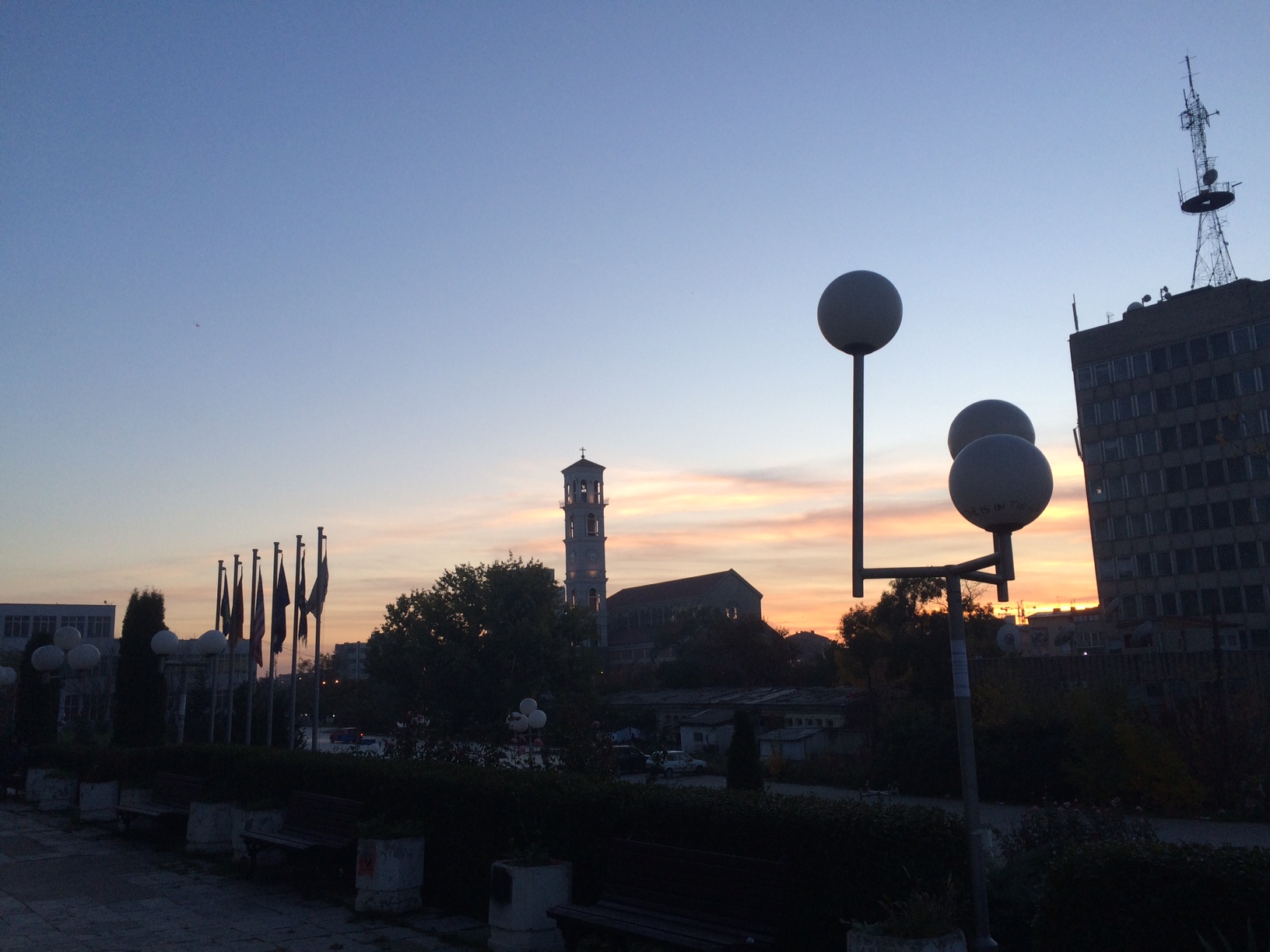
sun set in Prishtina, with the unfinished Mother Theresa cathedral in the background (apparently the biggest cathedral in the balkans, started 2007)

sun set in Prishtina, with the unfinished Mother Theresa cathedral in the background (apparently the biggest cathedral in the balkans, started 2007)

I went further inland to Kosovo next, across a mountain pass where the first snow fall had just arrived. Prishtina was colder than Sarajevo, and the night I arrived daylight savings had kicked in so it started getting dark before 5. The whole city was under construction, with roads ripped up and half-finished churches and old mosques under constant reconstruction. It seemed that absolutely everyone in Prishtina was young and beautiful, especially the men who all had better hair than should be possible. I learned later that they all own a blowdryer (and an assortment of hair products) and spend more time infront of the mirror fixing their hair than the average woman, and then I understood. I’ve never been shown so many glamour pics or selfies of men trying to be sexy or emo, but they loved to share them, as well as an instructional video on how to do your hair if you’ve got a crew cut.

The majority of people living in Kosovo, which is still considered by many as a part of Serbia, are Albanians and there were a lot of similarities between Kosovars and Albanians. The men are super affectionate (also with eachother) yet slightly homophobic. I met mostly self-proclaimed ‘unpracticing’ muslims, and the orthodox monasteries and churches were often guarded by Serbians or Austrian KFOR soldiers. It was a bit scarier to walk around Prishtina and Tirana since drivers rarely stop at pedestrian cross walks, something I missed about Montenegro where a car will always yield to you jaywalking.

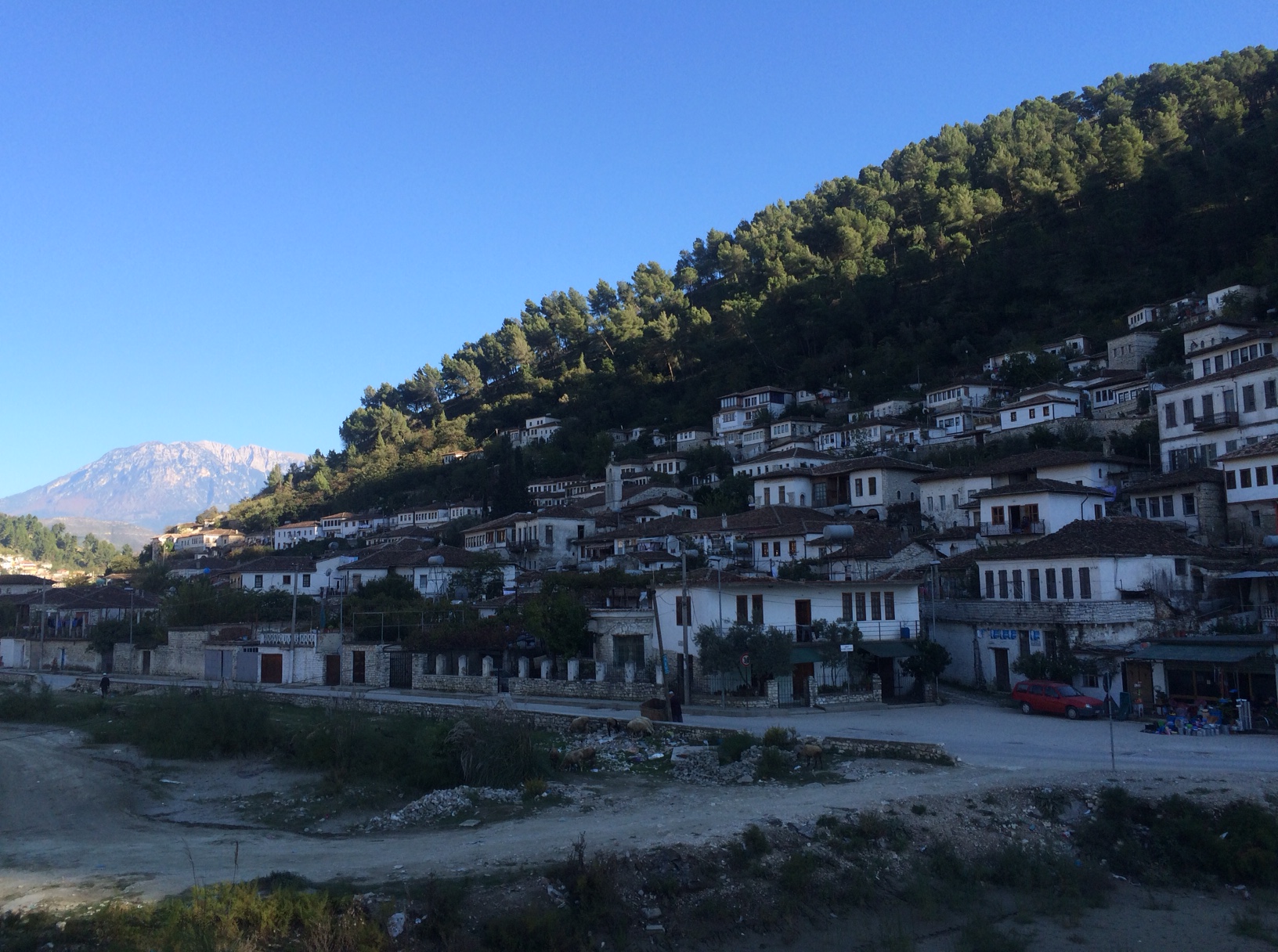
the UNESCO town of Berat falls into the shadows before 2pm

the UNESCO town of Berat falls into the shadows before 2pm

In Tirana, Albania, it got slightly warmer again, and I finally started to recognize the Albanian language. Its absolutely nothing like anything else in the Balkans, and it sounds like a confusing mix of Romantic, Slavic and far-east languages. Atleast they don’t write anything in Cyrillic, so it was a lot easier to read. Albanians may live a slightly better life than Kosovars, but even with salaries around €300 or €400 most  people have iphones and impeccable fashion. The biggest difference is their ability to travel, with Albania already an EU candidate with free movement within Schengen and visa-free access to around 90 countries. Kosovo, which isn’t even recognized as a country but its passport is treated differently than Serbias and highly scrutinized against, can only travel visa free to a handful of countries. Every tourist agency in Kosovo focuses its tourist market on getting people out, instead of helping tourists who are visiting. Strangely, Germany was some kind of dream land (or Austria or Switzerland would do), the ultimate destination for a better job or better life or better car. If people couldn’t speak English, they often knew German, and many German or Austrian soldiers work with KFOR.

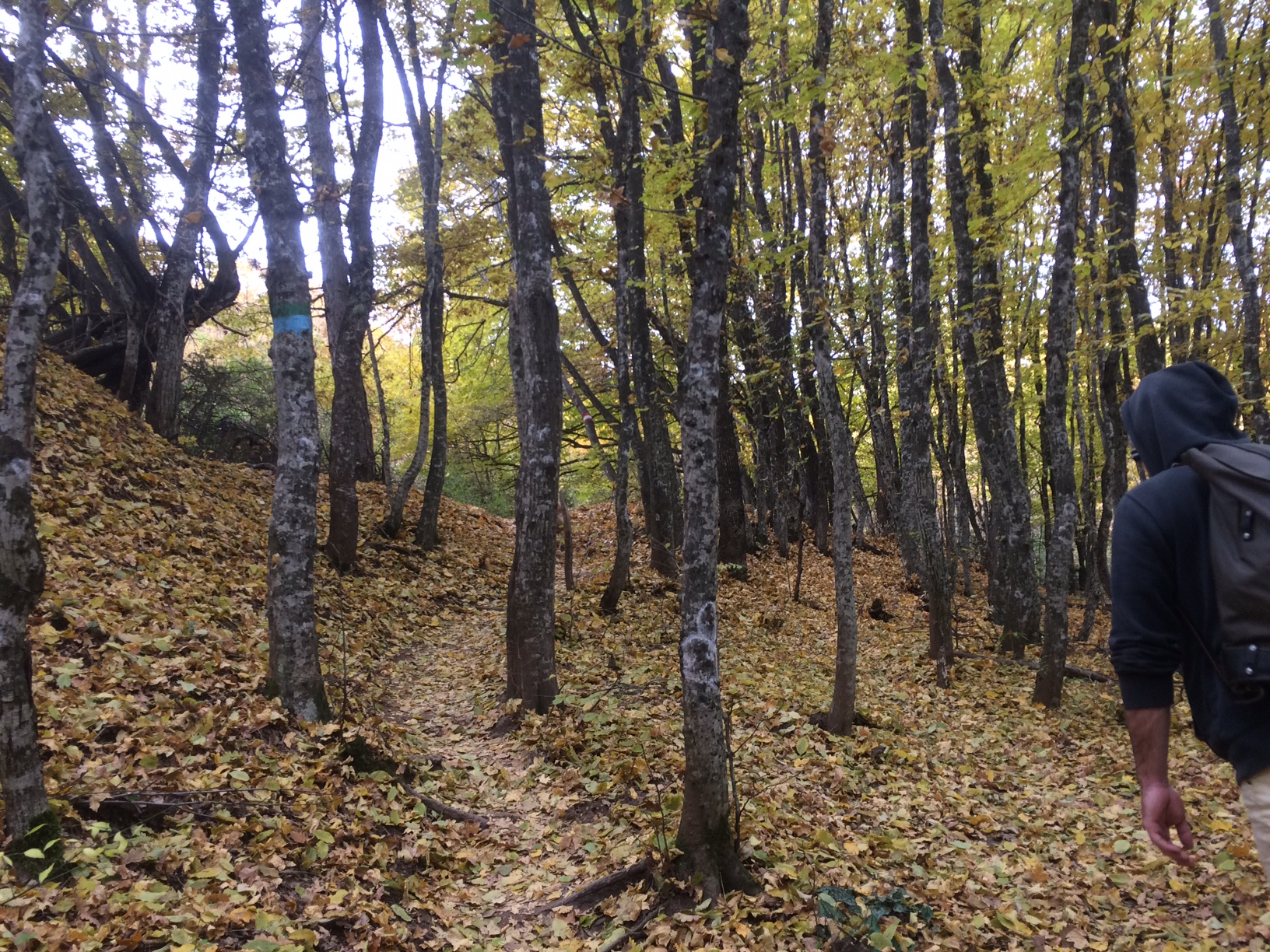
full-blown autumn trees in Skopje

full-blown autumn trees in Skopje

In Albania, the second language was often Italian or Greek, and both were just a couple of hours away, but soon it was time to head inland again, to a full-blown fall in Macedonia. The windy road to Skopje was nestled in mountains of golden yellow, burnt orange, blood red, rosy pinks and fluorescent greens.  The sun was always partly behind some mountain, so the lit tops seemed to glow in the sunshine while the shaded valleys still screamed in colour. Now there’s frost every night, the frozen dew slowly melting after 6 am when the sun starts to shine an hour earlier than it used to. I’m not a morning person so I must admit I’m looking forward to Bulgaria, where the eastern time zone will bring the days back to 7-6 instead of 6-5 or 4:30, but they’re getting shorter everywhere so Ill just keep chasing the falling leaves and hope for some sunshine.

The World is a Circus

I see many strange things when traveling, things I’ve never seen before or never imagined. I had one day on the road that felt like all the people around me were part of a circus set that I had accidentally gotten lost amidst. There was a guy walking around with a (live) bird in a cup, for no apparent reason. There was a huge and hairy transvestite wearing a belly dance costume dancing to hindi music, but not for money (there was no hat), just for fun. Beside him/her were amputees begging, each with a few euro cents in their hat, behind me was a midget making gigantic bubbles with two sticks, some string and a soapy bucket, and a fully covered Muslim woman walked passed without noticing any of this. When I thought I’d seen it all, a 9 year old gypsy kid carrying a drum lit up a cigarette. Before I could remember where I was, I turned to the next ATM to maybe withdraw some money, but a bird had chosen to nest there for the day. Since then, I saw an Oklahoma license plate in Kosovo, and learned that the garbage trucks in Prizren sing songs… just like the ice cream trucks in Canada.

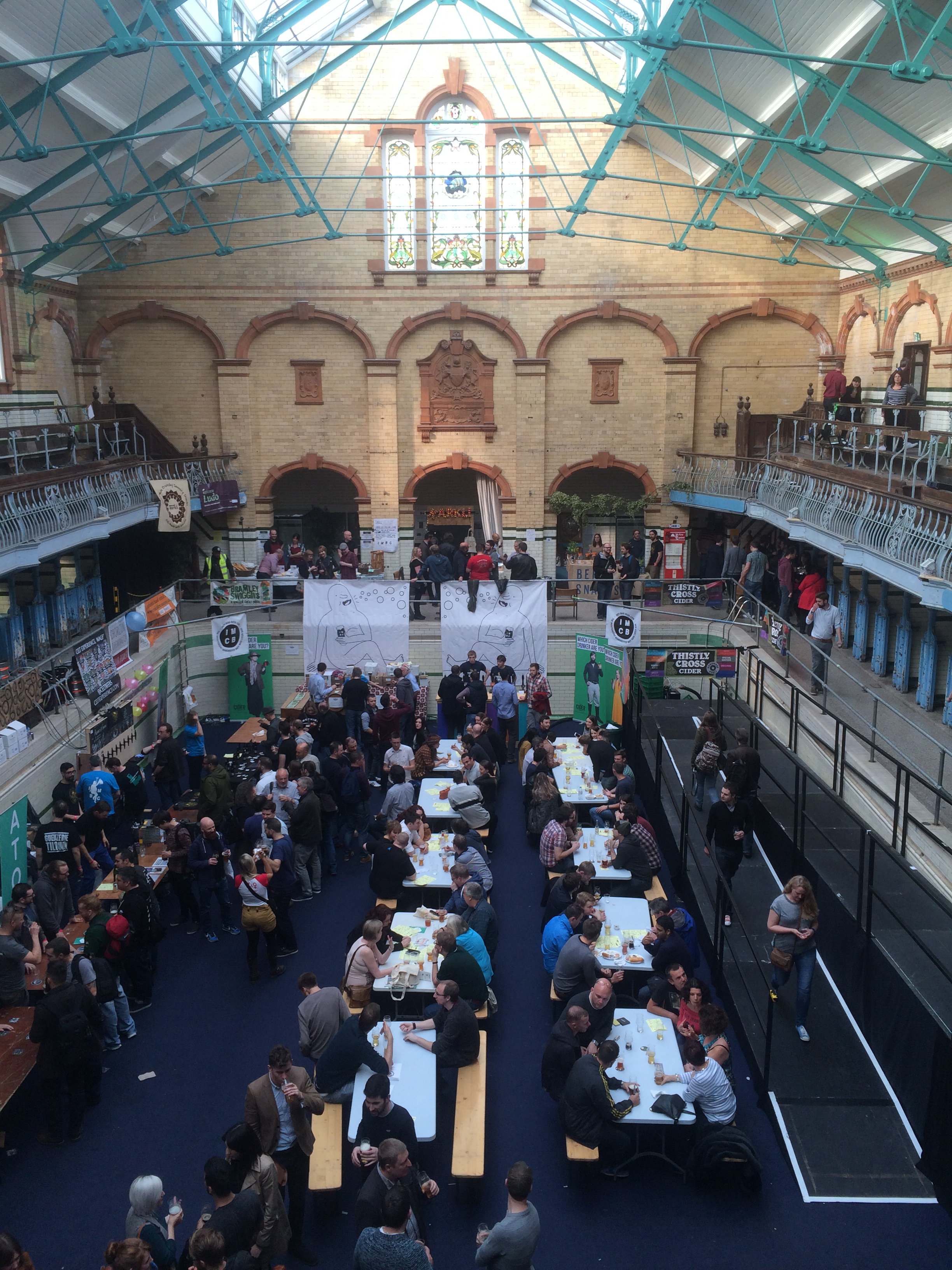
In England a couple weeks ago, I heard people speaking English that I couldn’t understand a single word of. I couchsurfed in Liverpool in an old brick factory warehouse where 10 or 15 people live semi-illegally. I tasted dozens of sour beers at a beer-festival In Manchester, since apparently sour beers are ‘in,’ but it tastes like rotten cider without any sugar and I’m not sure why everyone’s making it. The alternatives weren’t all that better, since the English like warm, flat ales and really dark and heavy stouts, but thankfully there was an actual cider brewer where I could taste something yummy and familiar.

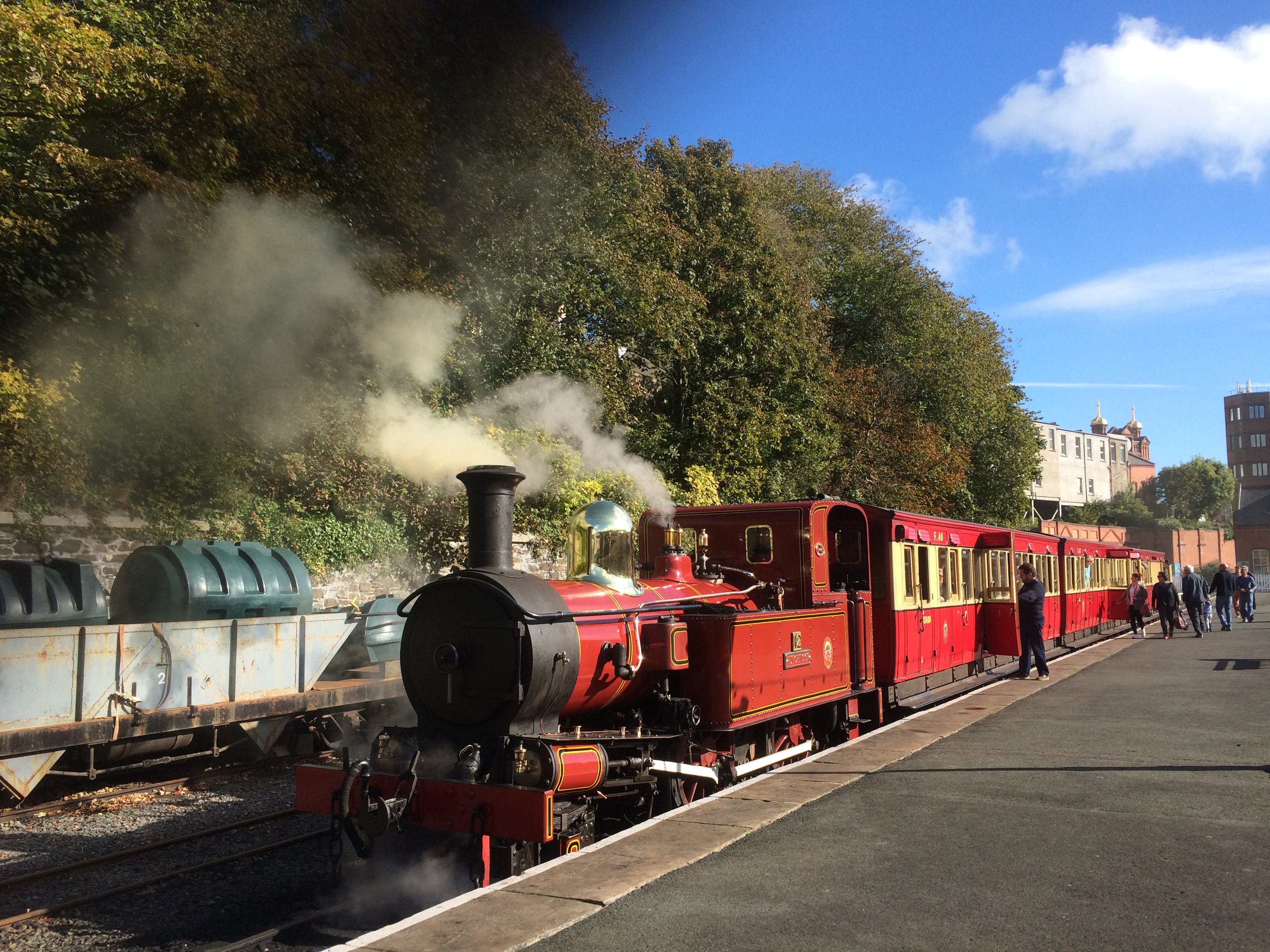
The ferry from Liverpool to the Isle of Man takes 2 hrs and 45 mins because it can’t sail in a straight line; if it wasn’t for all the windmill farms in the Irish sea, the ferry could avoid its zig-zag course and get there in less than 2 hours. Sailing past gigantic, white posts with rotating blades standing in the middle of an open sea made me feel like I was on another planet.

And beyond all the strange sights is the strange world of money. The cost of things here and there and the exchange rates of currencies from different countries seems like a game of monopoly, or a gambling game that has no explanation. For example, from Reykjavik it’s faster and cheaper to fly to Manchester 1000 miles away than drive to Akureryi 235 miles away. A return ticket on the Liverpool subway is £1.80 but a one way is £1.75. Carlsberg is cheaper than a local beer in England, and Tuborg is cheaper than a local beer in Montenegro, when Carlsberg and Tuborg both come from one of the most expensive countries in the world, Denmark.

In Serbia and around, bottles of wine are more commonly in 1L bottles, and get capped with a beer tap instead of a cork. You can eat a whole meal for €1 but a coca cola might cost you €1.60. In the Balkans, a carton of cigarettes might cost 15 euros on the street, but cost 35 euros taxless in the airport duty-free… ? The taxi ride to a bus station or airport might cost you more than the bus ticket or even the flight, with Ryanair, Easy Jet and Wizzair all serving the Balkans with flights starting at £15.

But, without all these idiosyncrasies, traveling wouldn’t be traveling, since it’s the weird and crazy, nonsensical things that make it fun, challenging, and different than sitting at home. So bring on the circus, I’m sure they have space for another clown.

The Ups and Downs of Traveling in the Balkans

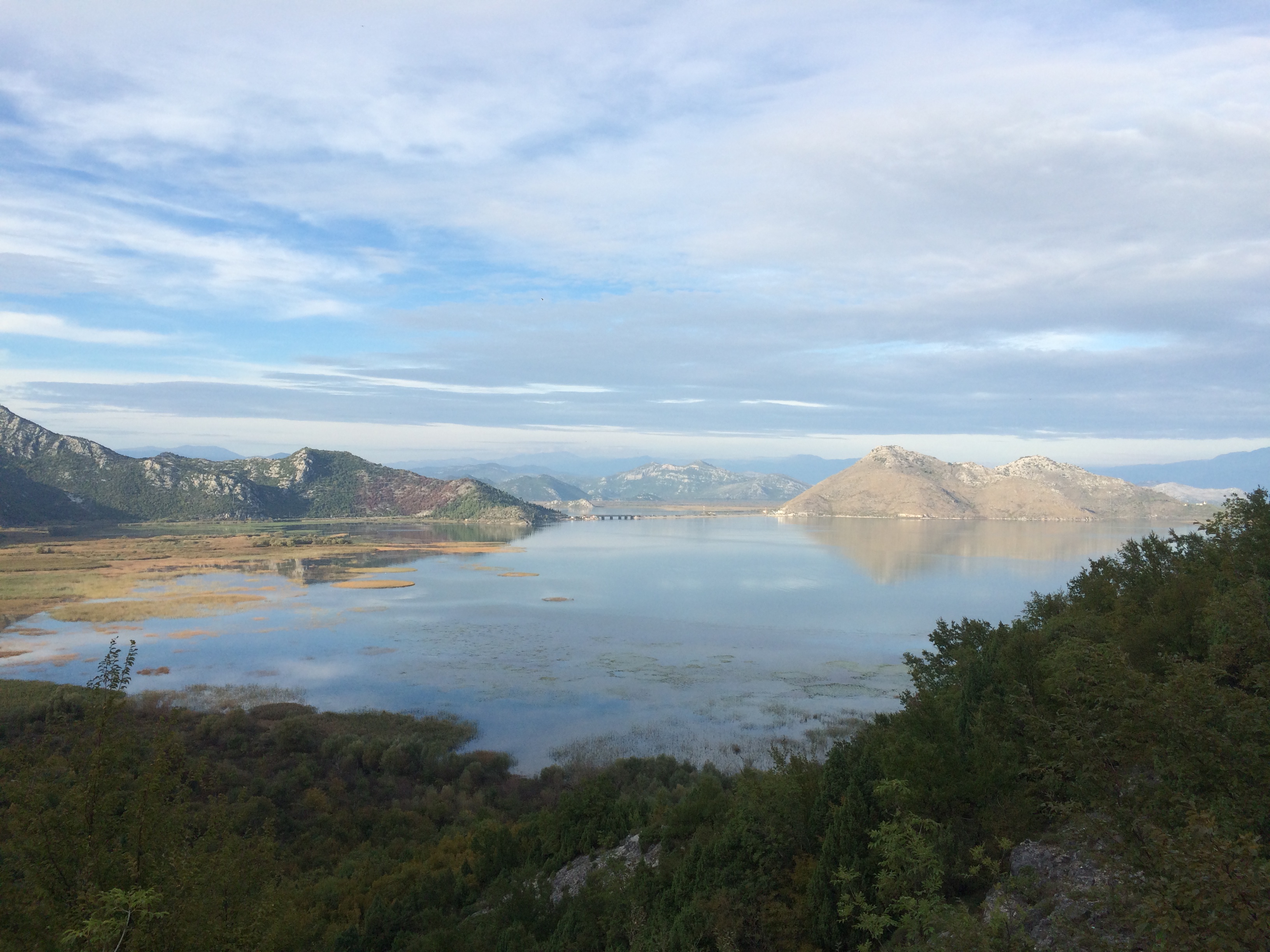
yet another beautiful view

yet another beautiful view

Besides the narrow coast line of Croatia, the Balkans are a mountainous region with tons of ups and downs and windy roads. Between the valleys and highland plateaus comes mountain range after range, and without any major highways, the journey time from place to place is slow but breathtaking, and sometimes a little frightening. Add a lot of rain and some flooding, and traveling by bus becomes quite the adventure. On the tops of the mountains between Montenegro and Kosovo, everything was pines and snow, so a bus can even take you from summer to winter in a matter of hours.

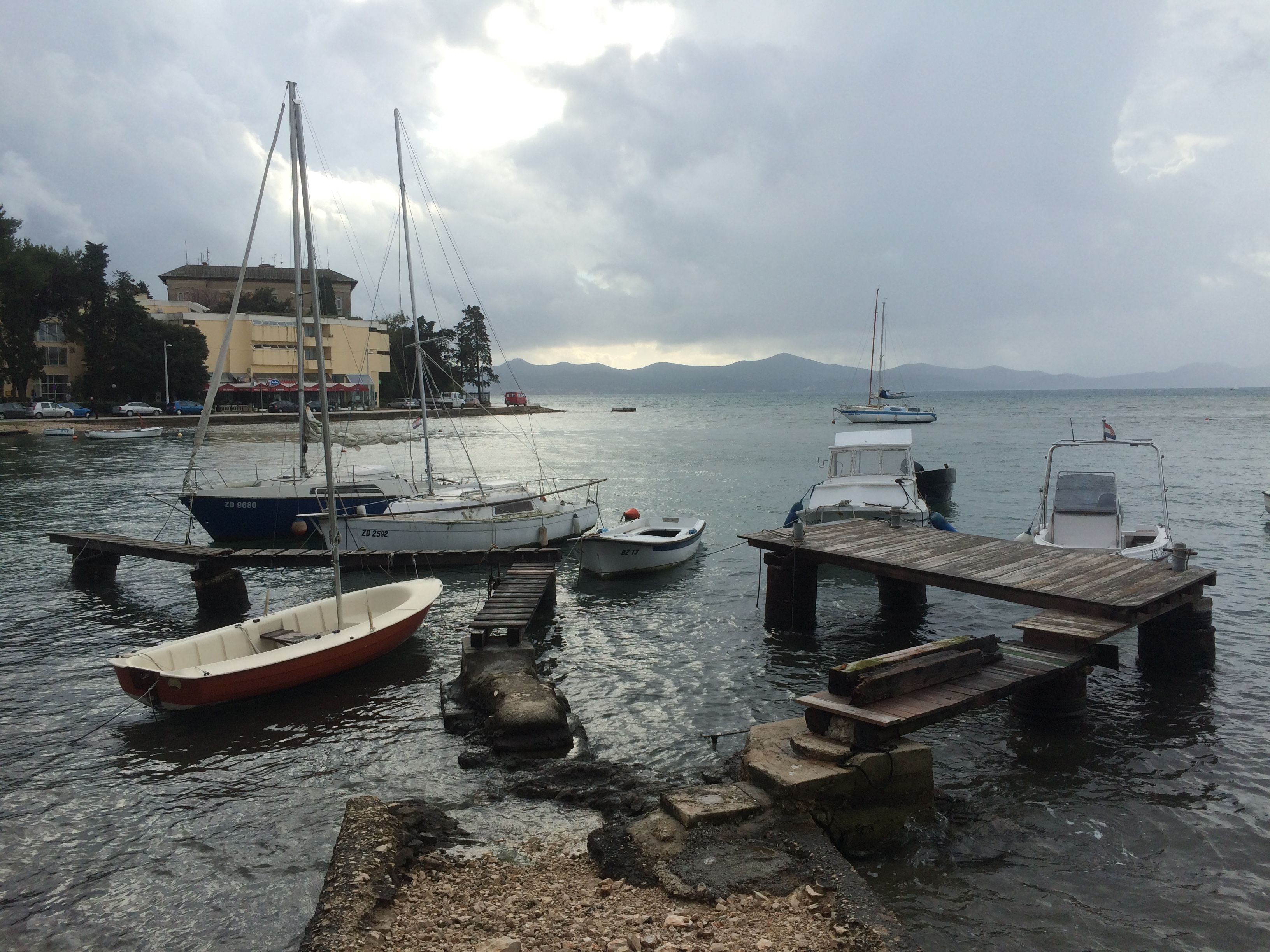
This trip started in Zadar, on the norther end of the Dalmatian coast, where I couchsurfed with a dentist named Marko. After a couple days of pouring rain and stormy winds, and a few hours of sunshine, I couldn’t really complain about my broken umbrella or soaking shoes since it was still 20`c. The only regrettable thing was not being able to jump into the crystal blue Adriatic sea, since it looked so inviting and seemed to call my name, but it wasn’t quite beach weather.

image

a mini port in Zadar

The road from Croatia into Bosnia & Hercegovina was anything but direct, and we may have gotten lost a few times (I was roadtripping with 3 Croats who entrusted me to read the maps and roadsigns…). A few bus rides later I always seemed to be sitting near the one lady who got car-sick, and having someone puking repeatedly into a bag and listening to her heaving noises (one sat beside me and another time behind me) isn’t easy. When I was walking up the road to Ostrog Monastery in Montenegro, a car pulled over to let a woman out to spew throw up directly infront of me. Yum.

I enjoy walking around aimlessly, simply strolling the towns and city centres, but that doesn’t always end up so pleasant. In Sarajevo we nearly got attacked by 10 stray dogs, who seemed to think we had trespassed into their territory when walking past a Muslim cemetery too late at night. There are a lot of not-so-nice stray dogs, but mostly they’re harmless during the day. You’d think the same about people, but one guy tried to offer me a ride to the next town in broad daylight when I was sitting alone waiting for the bus. He was half my size and nearly half my age, so I said yes, only to be offered kisses and condoms and a skinny dipping adventure. No more hitchhiking for me I guess!

Thank you, EasyJet

Getting out of Iceland always requires a long-haul flight, and New York and London seem to be the main gateways out of here. But, with the boom in tourism the last few years, more and more airlines are flying to Iceland, from a growing list of cities across Europe and North America. But blah blah, the point is that it used to cost atleast 30.000ISK for a cheap one way flight, until Iceland Express started operating 10.000ISK flights to London. But that was maybe one seat on one fight a week, and now theres Wow air doing a similar thing, but EasyJet started flying to Manchester for only 40 pounds (8.000ISK) and when one can avoid any or all of London’s airports AND save money one a one-way ticket out of winter, I was sold.

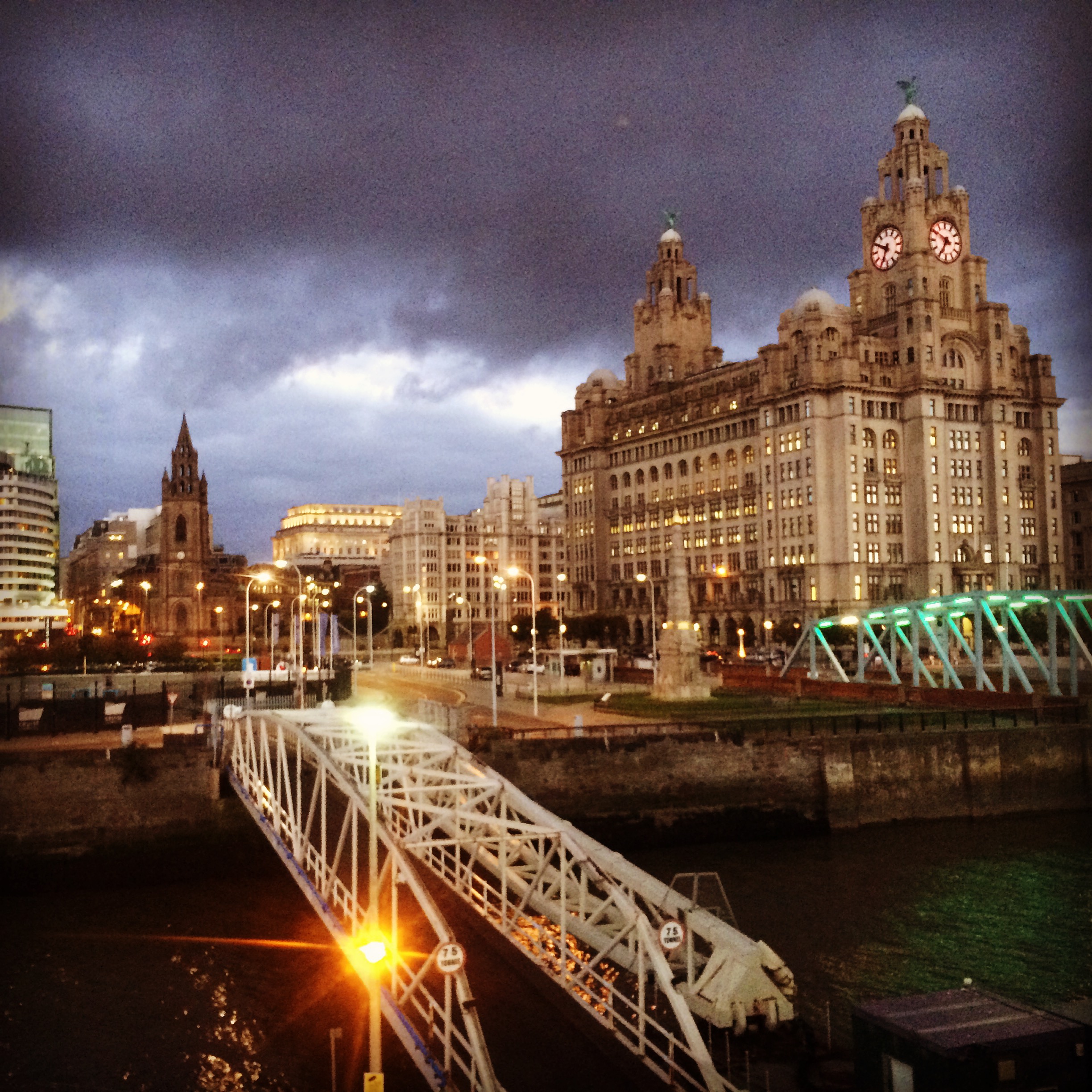
the Royal Liver Building in Liverpool's ferry port

the Royal Liver Building in Liverpool’s ferry port

I have never been to Manchester, and Liverpool is less then an hour away. They’re both big name cities, but smaller and cheaper than London with the same goodies and Britishisms you need. I couchsurfed in both towns, with a commune of students and artists (and everything inbetween – I think there were 15 residents) in a converted warehouse on the docks of Liverpool, and with a public transportation planner in Manchester that was obsessed with bicycles and beer. And there was alot of beer, as I learned at the Indy Man Beer Convention. Then there’s the soccer teams, and the Beatles, and Wales and Isle of Man!

The Independent Manchester Beer Convention is held in the empty pools of the Victoria Baths

The Independent Manchester Beer Convention is held in the empty pools of the Victoria Baths

I’d never been to either, nor had any clue how to get to them, but its a travel friendly corner of England here, and trains, buses and ferries connect Liverpool and Manchester to Wales and Isle of Man. Isle of Man was a wonderful surprise, a pastoral island filled with pastures and farms, ports and lighthouses, stone walls and sea walls. It was backpacker friendly, bike friendly, and horse friendly… what more could one ask for?

this heritage steamtrain is one form of public transport on the Isle of Man

this heritage steamtrain is one form of public transport on the Isle of Man

I nearly got into a PhD program in Bangor a few years ago, and always thought it was somewhere near Bristol, but its at the very north west tip of the coast of Wales, where a local train can take you past Viking ruins and Medieval castles in a little more than an hours journey from Chester. Chester is a quintessential English town that borders Wales, and I also felt ignorant to have never figured out where or what it was.

the famous clocktower of Chester

the famous clocktower of Chester

I visited Bangor and Conwy in Wales, Conwy on the suggestion of a couple of friends. There a castle and a walled city filled with public houses, a tiny port, and the smallest house in Great Britain charmed the socks off me. Bangor was a quiet and quaint student town, and I could have definitely lived there with Anglesey, the Irish sea, Snowdonia National park and the biggest mountain in Wales all in the neighbourhood. But for now, a weeks visit will have to do. And thanks to EasyJet for this unexpected trip to some places I’d never planned to visit.


Photo Highlight: Rounding up sheep

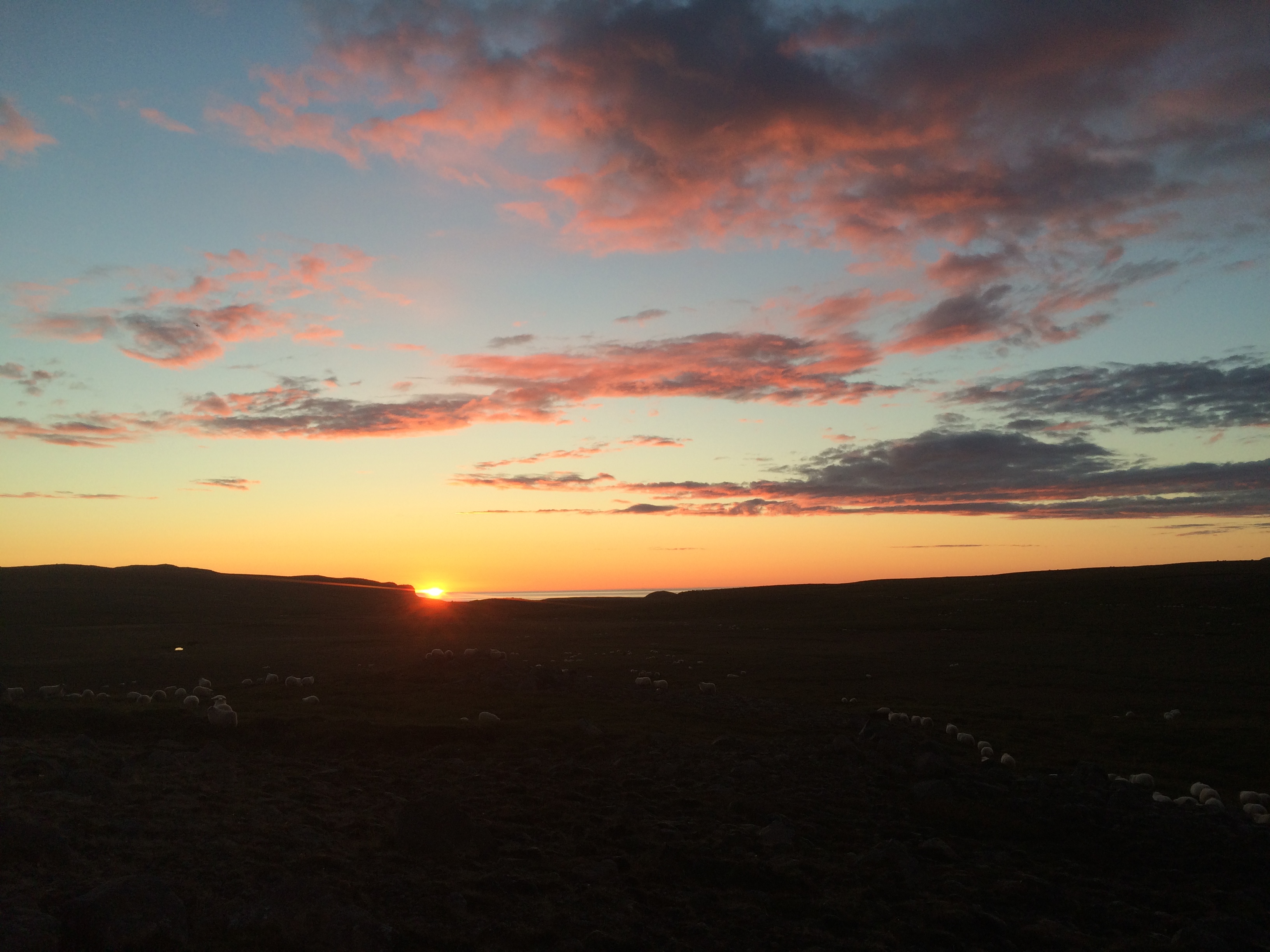
With September comes autumn, and a whole lot of sheep. This year I was rounding up in the north of Iceland, Melrakkasletta, and the east, Fljotsdalsheidi. Alltogether we found probably 6 thousand sheep.

trying to round up these sheep before nightfall

trying to round up these sheep before nightfall

bringing the sheep into the coral for sorting

bringing the sheep into the coral for sorting

The French Riviera

It might not seem logical, but our trip to the French Riviera started in Frankfurt. I traveled with world-renowned chef Thrainn Vigfusson and there are only a few direct ways out of Iceland. We flew to Frankfurt so we could train to Luxembourg, and then train all the way south through France to Marseilles. It took us nearly 4 days to get there, but its about the journey not the destination.

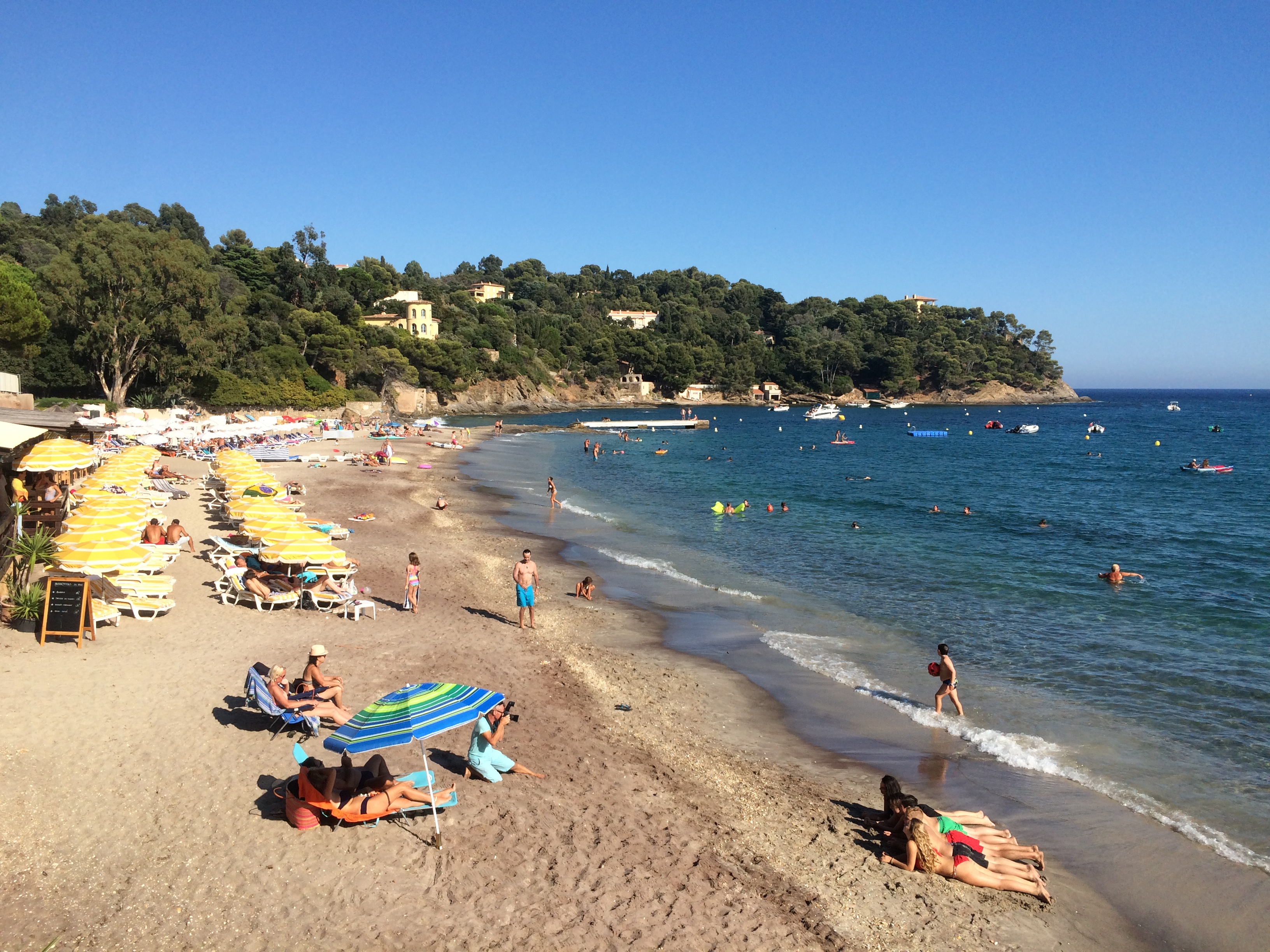
soaking up some Mediterranean sun

soaking up some Mediterranean sun

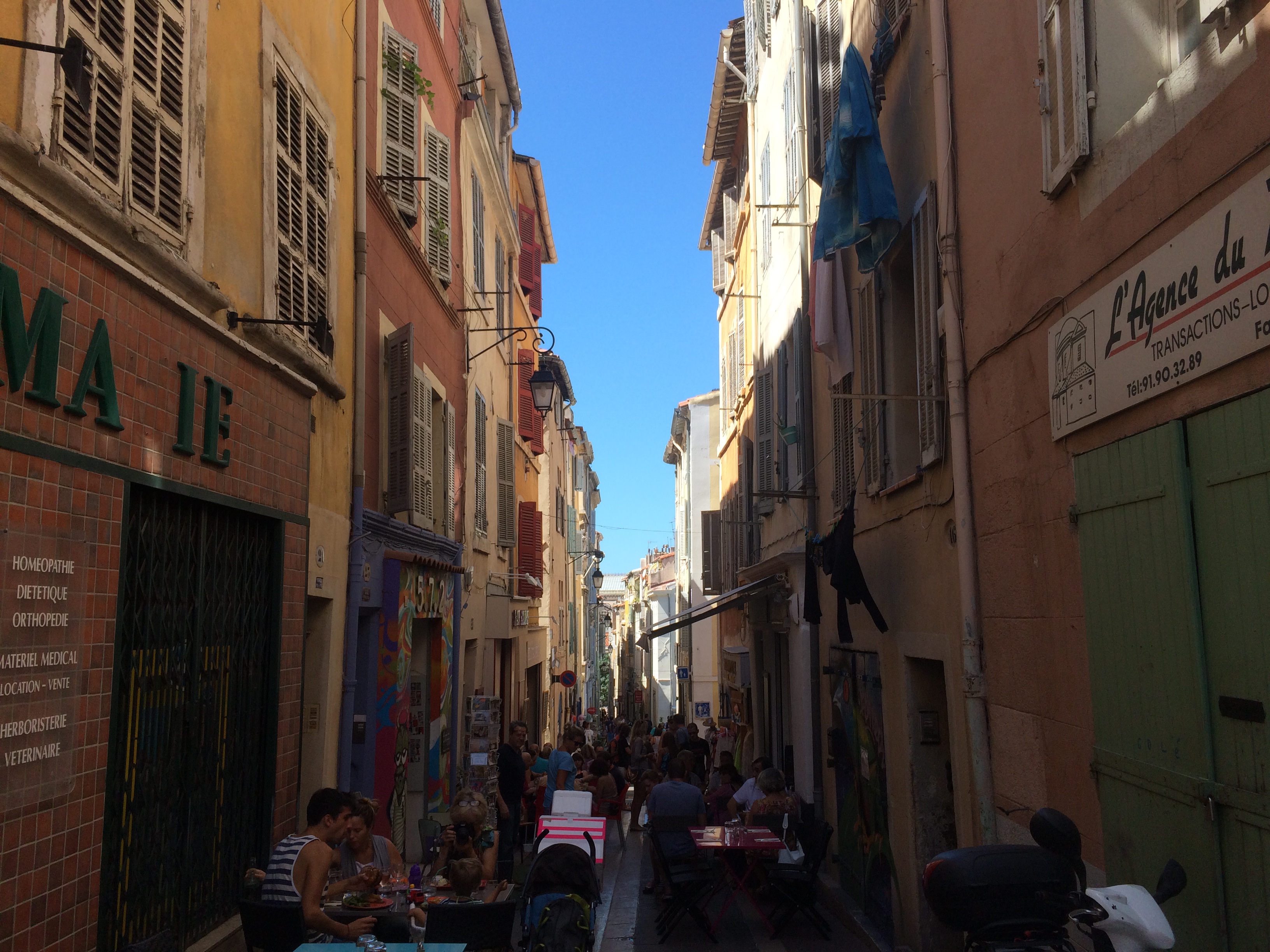
But this trip was kind of about the destination… just the description of the place says it all, the Mediterranean south coast of France. Côte d´azur, or the French Riviera (can anyone explain that translation?), is a slice of heaven in Europe, a micro-paradise where everything and everyone radiated. People must put more thought into fashion and fun than work or time, and the only difficult decision each day was to choose which beach we should laze longer on, or which rose wine might taste better with our already scrumptious food.

the old town of Nice

the old town of Nice

It was nearly thirty degrees every day, and being topless, barefoot, or in a see-through dress was commonplace anywhere. We rented a car and drove from Marseille to Nice, stopping at many quaint little towns on the way with either vineyards, polo horses, or another beach. We only had to split up our time between arts and culture, sand and sunshine, and food and wine. And when it came to food and wine, we only had to follow our noses and sit at the restaurant with the best view or the cutest decor. We zigzagged through old towns and city centers in St. Tropez, Cannes and Nice, and found remote beaches in La Seyne-sur-Mer and the Route du Sel south of Hyeres.

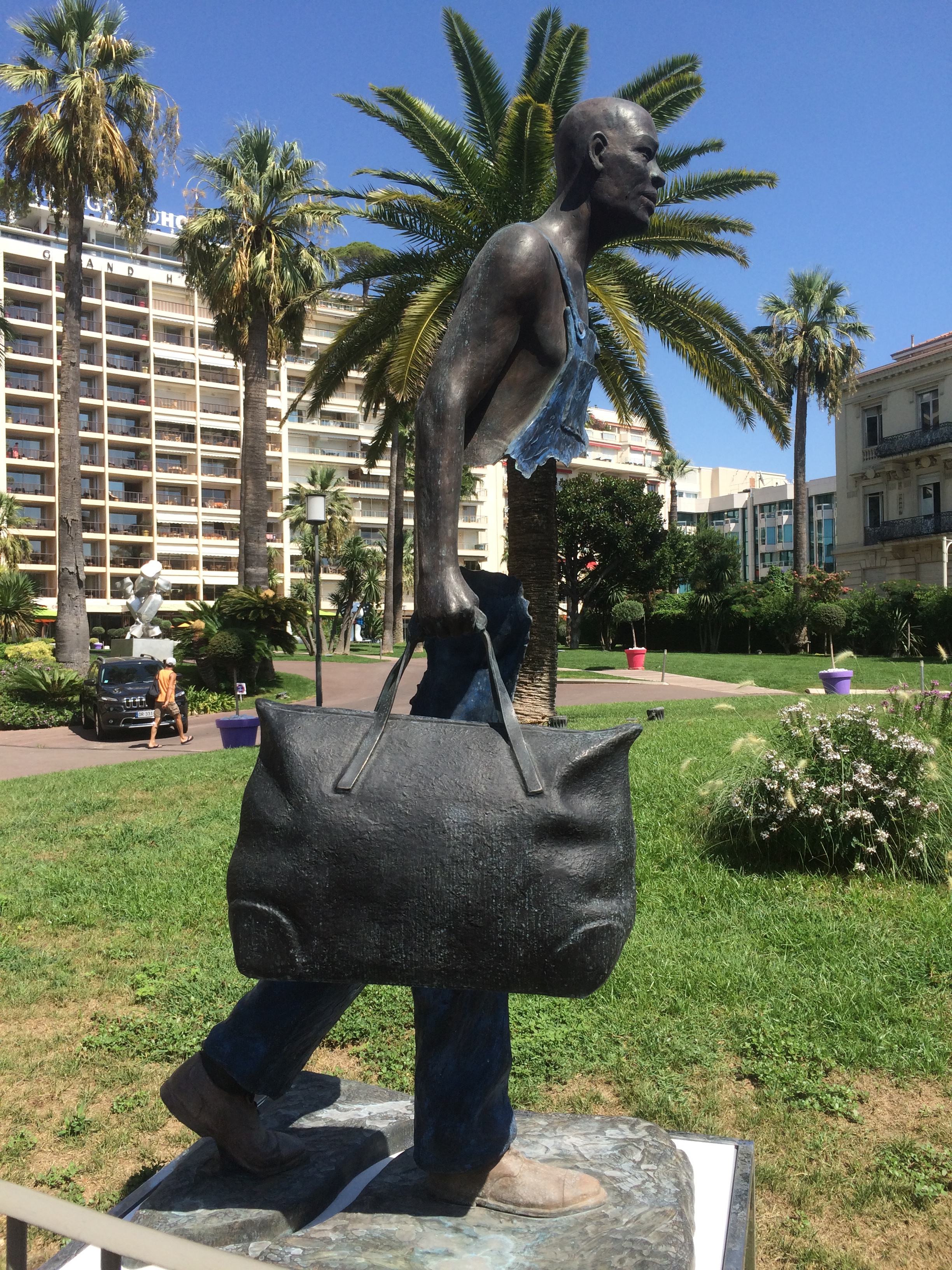
artsy statues like this one were all over Cannes

artsy statues like this one were all over Cannes

After getting to Nice and returning our rental car, a 30 minute train ride away awaited Monaco, the tiny independent country of 37,000 people squashed and layered into a 2.02 sq. km. country isolated between the sea and mountains. Famous for the Formula 1 car races, a notorious casino, former Princess Grace Kelly, and some of the highest high-fashion you can buy, I related most to the sun and sea. It was still fun to try and camouflage in, although Im not sure a couple of Icelandic backpackers could so easily be disguised.

Local globetrotter approaching goal of 200 countries – Chilliwack Times

Article by Paul Henderson in the Chilliwack Times, September 3rd, 2015:

Katrin Einarsdottir of Sardis who has been to 155 countries spends her summers in Iceland and her winters touring the world

Source: Local globetrotter approaching goal of 200 countries – Chilliwack Times

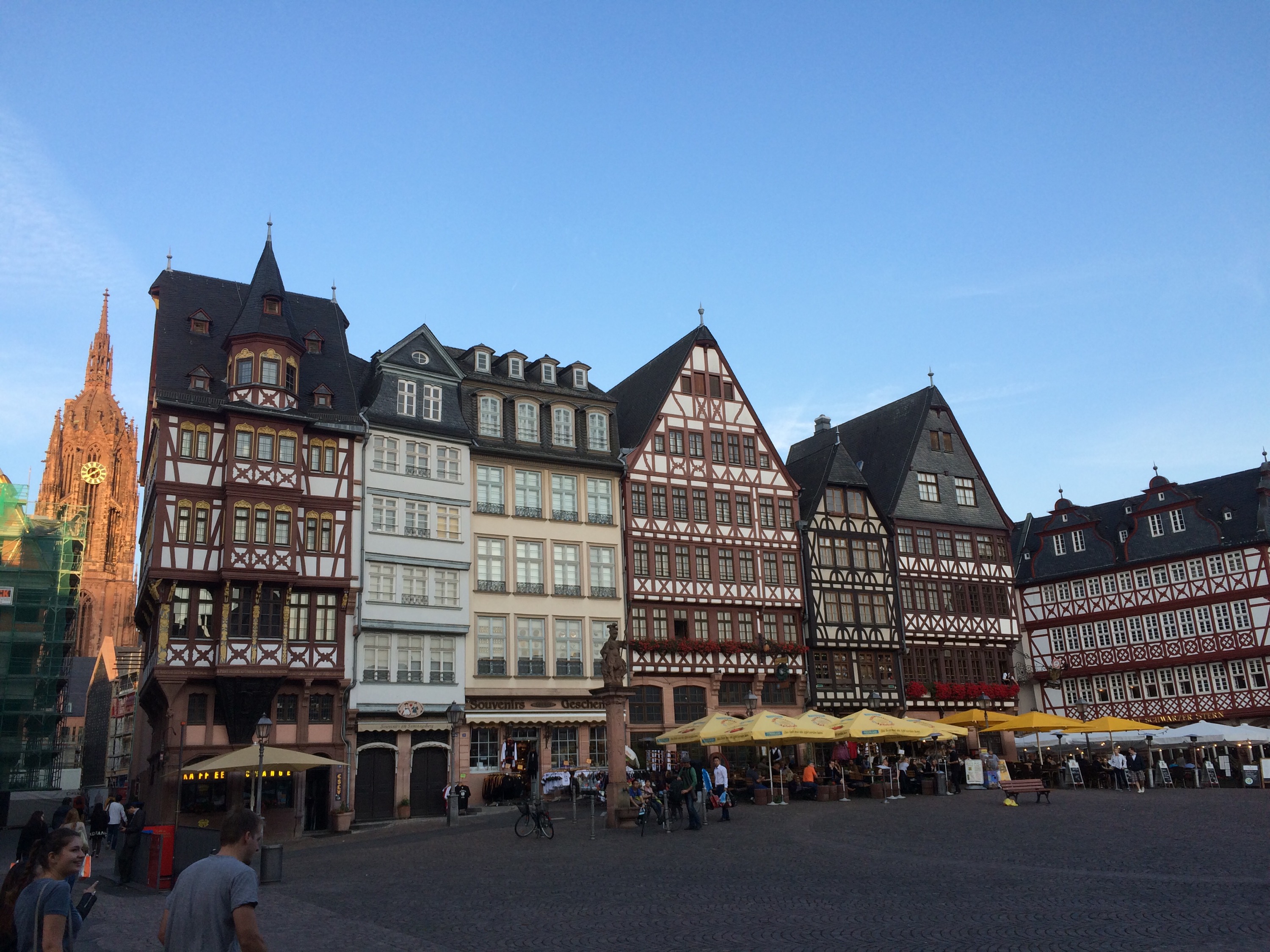
Photo Highlight: the two faces of Frankfurt


Frankfurts new and modern business district

 In Frankfurt you can just as easily find the traditional German village square, as the Manhattan-ish skyscraper  cityscape across the river.  

The historic city center square Romemberg


Photo Highlight: the Lonely Trails of Melrakkasletta

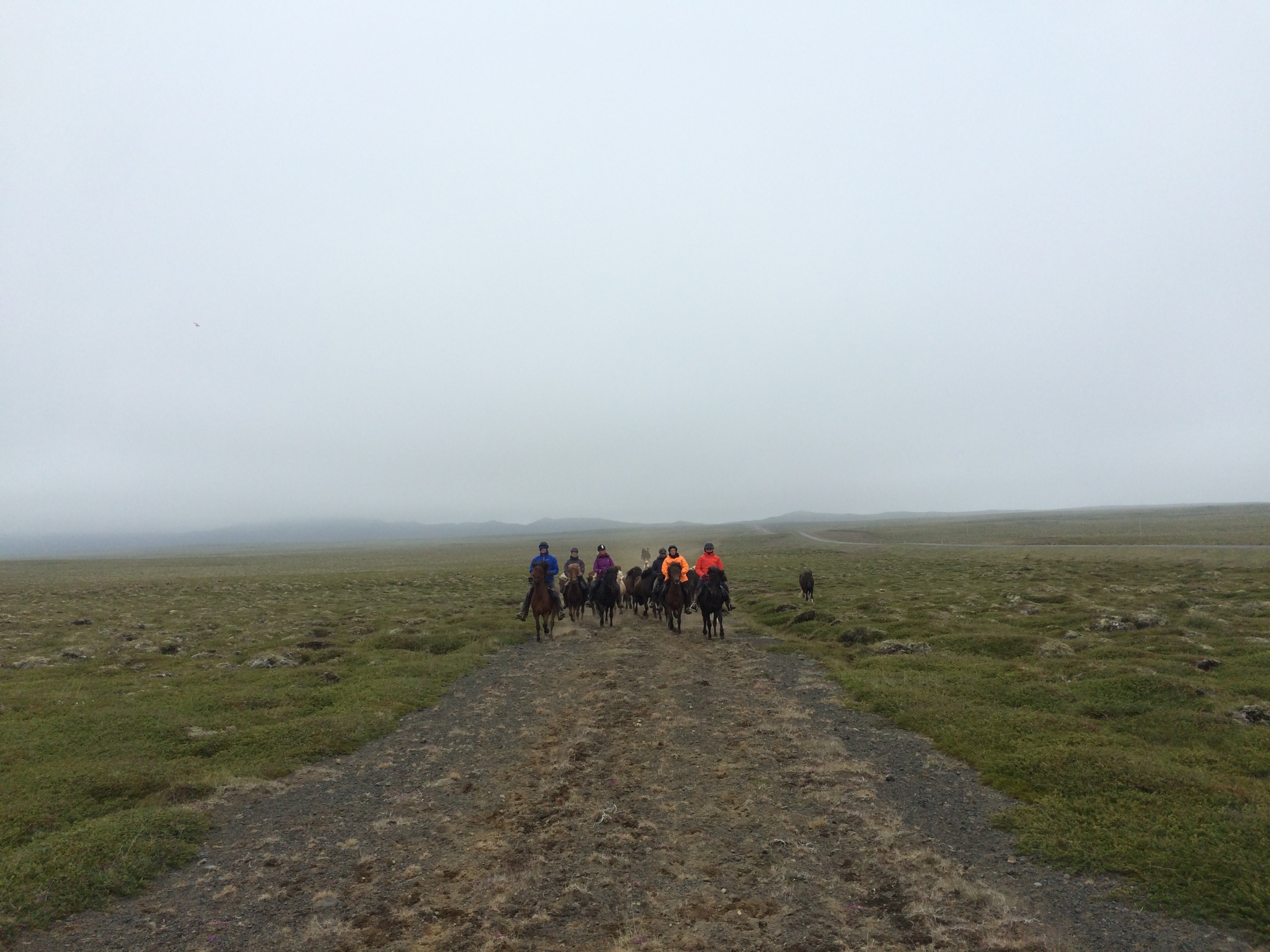
The north-eastern most part of Iceland is an isolated peninsula called Melrakkasletta. It doesn’t have mountains or fjords, but it has a lonely Heath full of moss and sheep and not much else. It seems as if more farms there are abandoned than inhabited, and riding there felt like we had risen into the clouds.  

the lonely trails of Melrakkasletta


If you’d like to ride here next year, check out Halldór’s tours with Ishestar