Permaculture in Baucau

I went on an impromptu roadtrip to nearby Baucau, the so-called second capital of Timor Leste. Its about a 2 hour drive, but takes 4 hours with the local bus (plus an hour or so, sitting, sweating and waiting for them to fill). My couchsurf host in Dili sent me straight into the arms of his Macau raised Portugese farmer friend, Fernando.
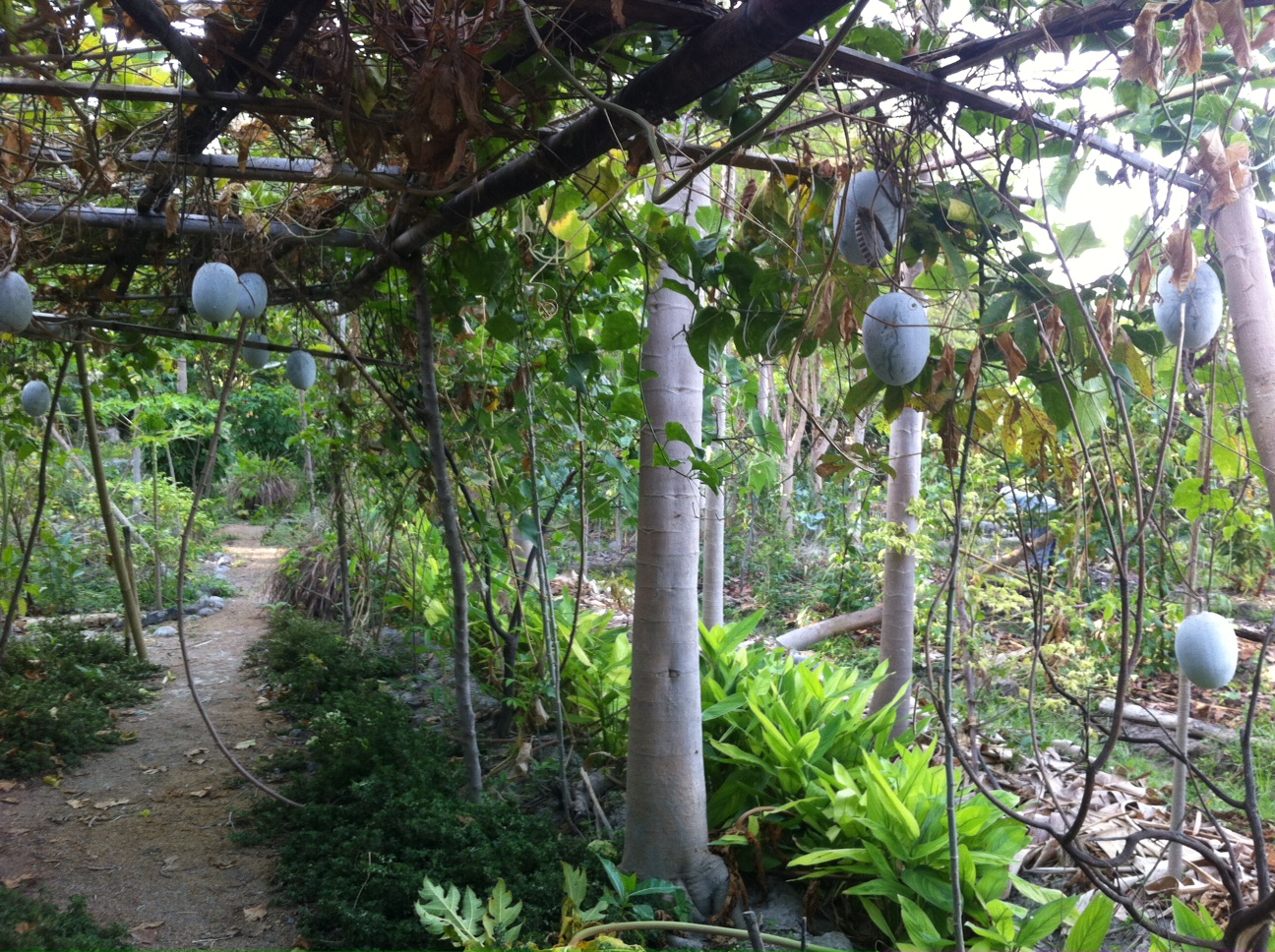
Fernando's garden

Fernando’s garden

Fernando moved to Baucau 3 years ago and rented a small plot of land surrounded by rice fields and local farmers to try and develop his permaculture project with Na-terra. He said the village people would all come and watch him farm, gawking at his strange techniques. Later he upgraded to a larger piece of land, and today he rents a 2,000m2 garden he’s grown and nurtured to the most bio-diverse plot of land in all of Timor! There are chickens, ducks, bunnies and over 100 species of trees and plants thriving in his little oasis, and all of it works together to form an ecosystem that’s totally self-sustainable and renewable, constantly supplying food to both animals and humans.
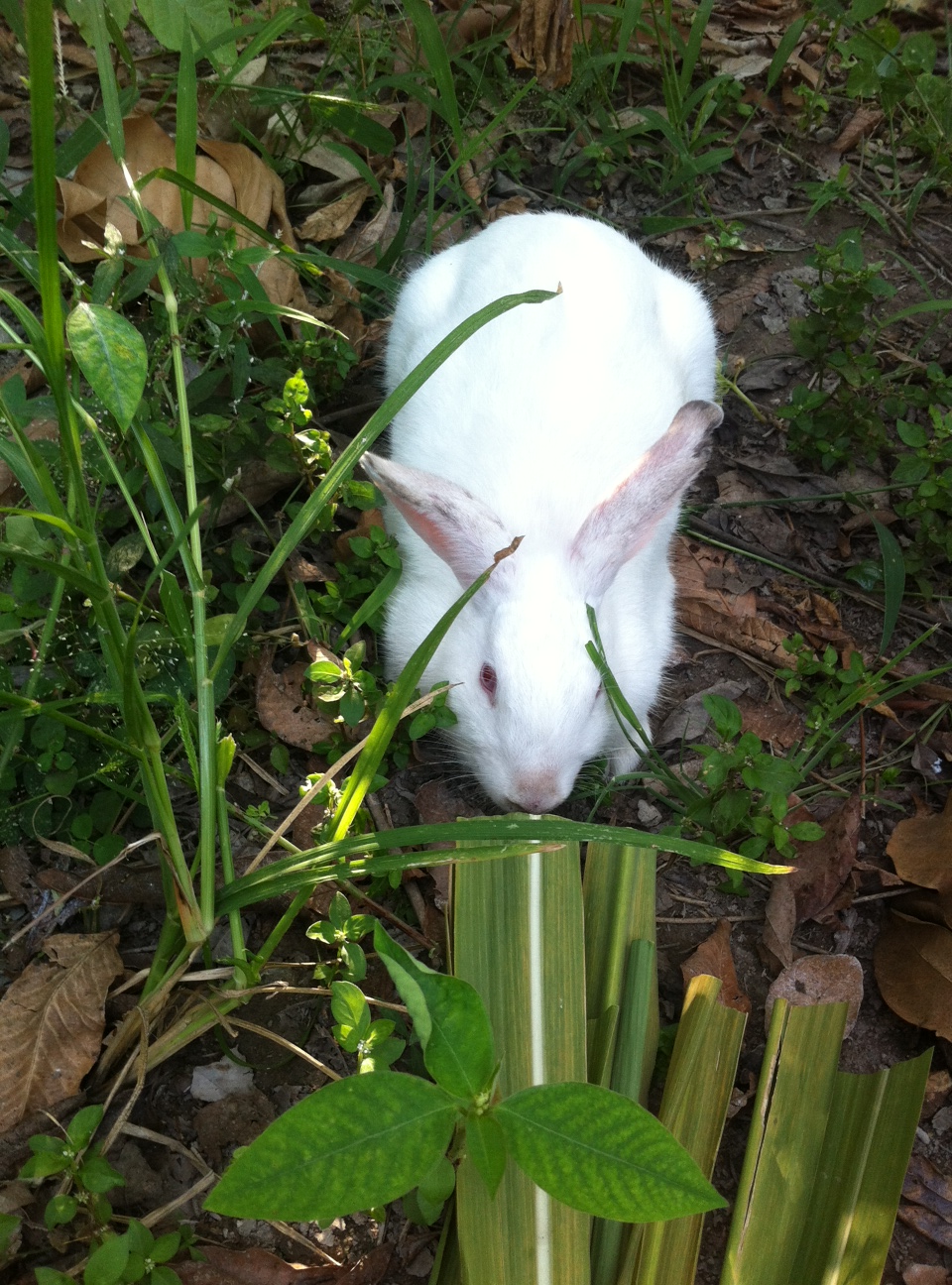
white bunny fertilizer machine

white bunny fertilizer machine

We arrived at his farm, surrounded my old big palm trees and a wooden fence. Before we entered, he prepared me by saying “make sure you’re aware of the space around you, the lay of the land and whats the highest point, where is there shade, where’s the water and how does it flow. I felt like I was entering a Jurassic park ride. Once we entered, the fence was completely living from the inside, with vines and grasses growing all the way to the ends and corners of the whole plot. No tree was older than 3 years, but still the canopy was meters above our heads.

We ducked under huge melons and stepped over potted seedlings, and through the cool bamboo trees. We watered the aloe vera and fed the fishes, watching little cat-fish whiskers poke out from the water’s surface We sniffed the lemongrass and the one (and only) Bilimbi plant in the garden (and probably all of Timor… he imported the seed himself from Chile). We harvested tomatoes and papayas to take home, and fed and pet the bunnies who produce all his fertilizer. Then he wriggled our fingers through their poop, mixed in with hay and a bazillion worms, to show me how fertile their fertilizer really was.

He thought me about the Moringa tree, which has 1000% percent more vitamins and good stuff in it than all other individual fruits combined – apparently it’s the obvious solution to solve malnutrition worldwide, but no one knows about it yet. There were vegetables, flowers, herbs and medicinal plants, and all the trees, plants, and permaculture knowledge is given freely to the local people. This way, the farm generates food security, nutrition, and even improves business since the markets now have more fruits and vegetables to trade.
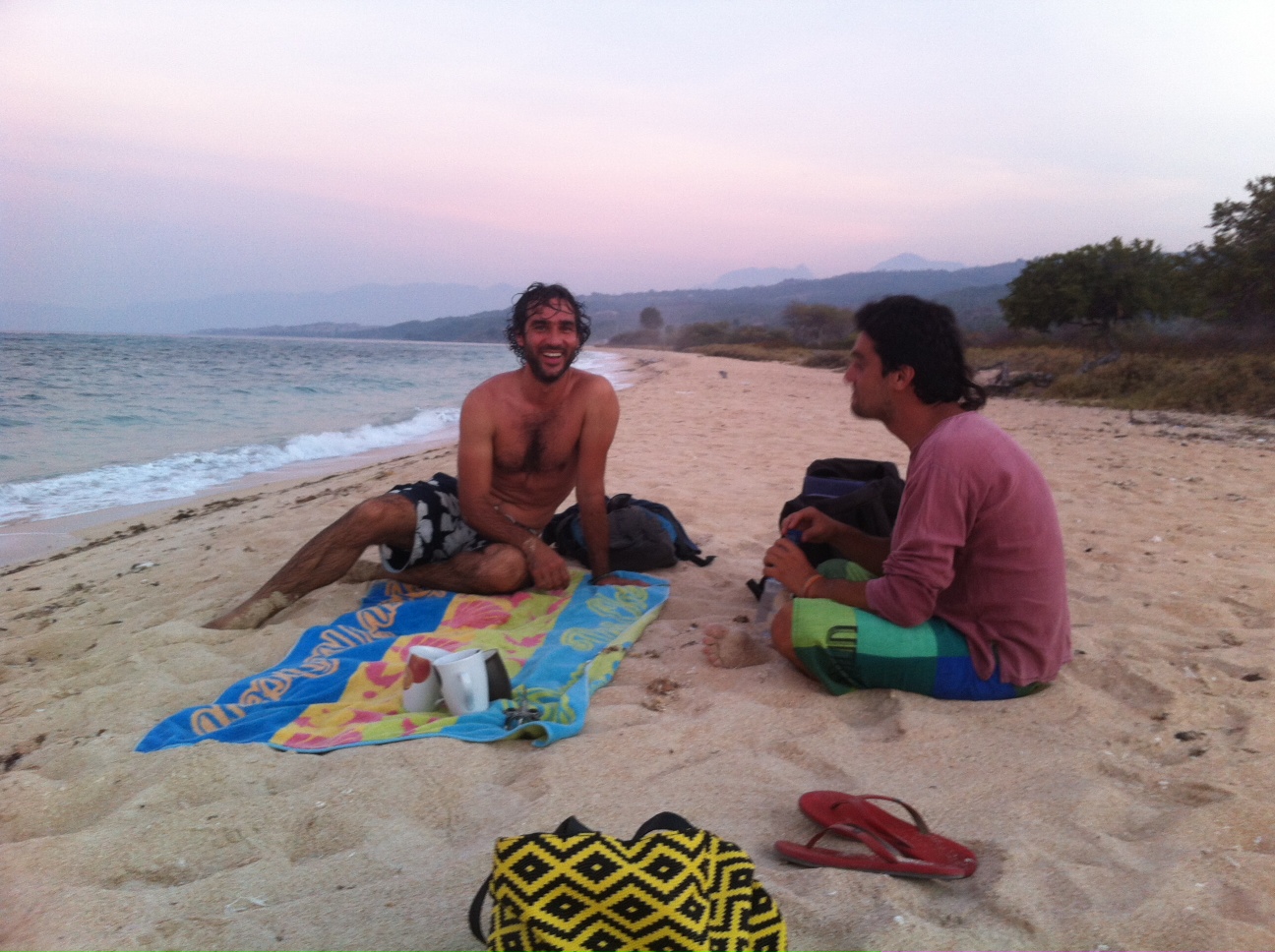
Fernando and his friend on the beach for sunse

Fernando and his friend on the beach for sunse

Fernando talked with such excitement and enthusiasm for every leaf and rock that the garden came creaming to life in front of me, and even the smelly duck pond had an important function in his little circle of life. After cuddling some more with his sugar-cane loving bunnies, we retreated to yet another oasis, Fernando’s cliff-perched house, and watched the sunset from the beach below. For dinner we had spear-fished octopus with all sorts of delights from the farm, and for breakfast we had a Moringa smoothie – a perfect recipe for detox and rejuvenation.

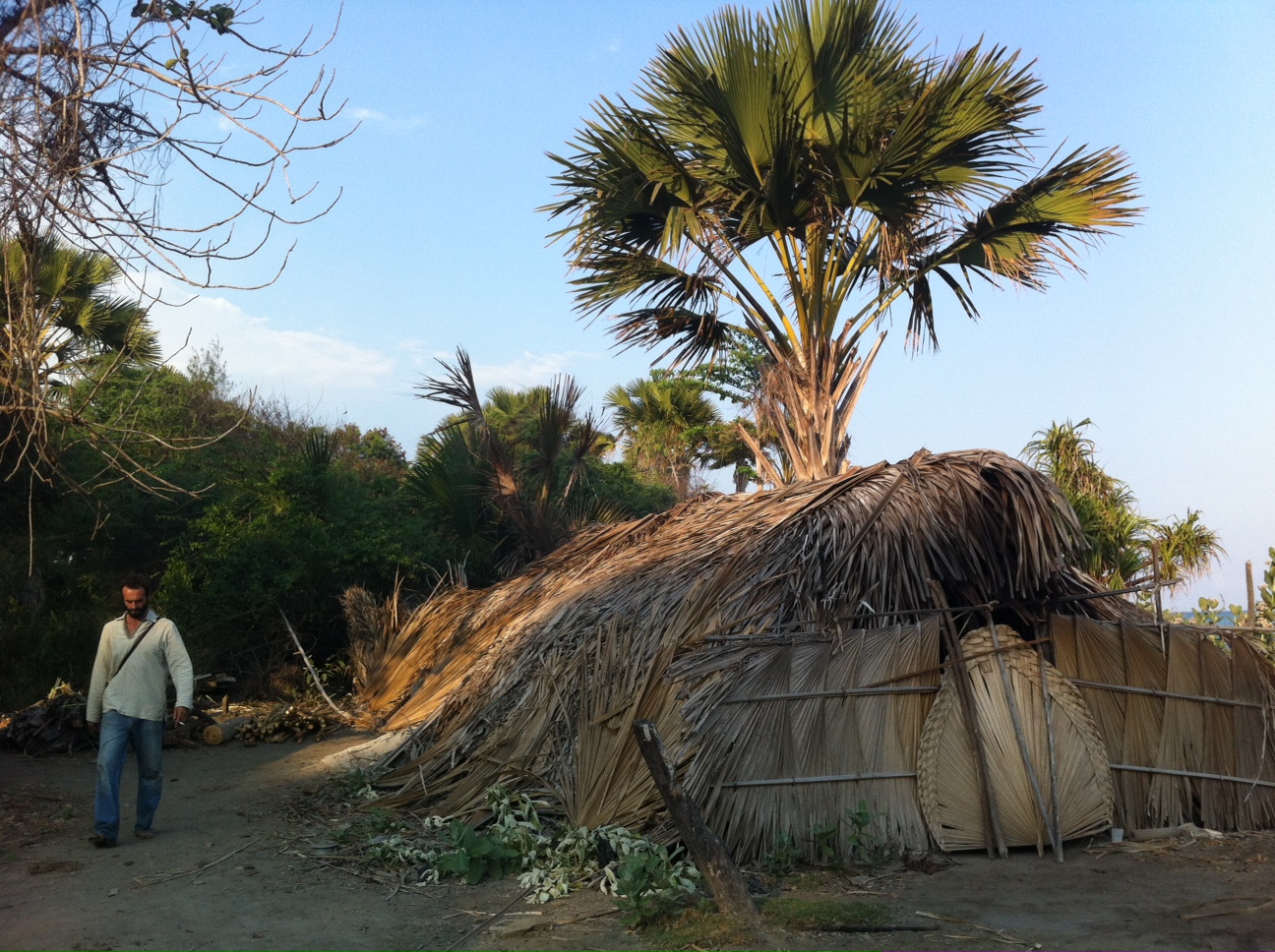
A Tourist in Timor Leste

East Timor is one of those places totally off the tourist radar, but big with ex-pats and foreign NGO’s. It just came out of a bloody 25 year occupation by the Indoniesian, and its one of the youngest countries in the world at only 12 years old. It was colonized since the 16th century, but as soon as they declared independence from Portugal in 1975, the Indonesians literally moved in right away and caused non-stop grief and oppression until 2000 when the international media and UN finally took notice. The haunting Resistance museum covers the black years, when tens of thousands of Timorese people were killed or starved to death, and hundreds of thousands fled the country as refugees. Today its difficult to see any of these hardships on people’s smiling faces, but maybe they’ve just chosen to forget and instead focus on the happy peaceful days.

a Timorese house and shade shelter made from a flower bush

a Timorese house and shade shelter made from a flower bush

Though it’s a long way from a prospering country, they have a rich country, in history, culture and natural resources. Australia’s (still) trying to dig their greedy fingers into their oil and gas reserves, Starbucks (and others) contribute to nearly a quarter of their export economy with coffee beans, and the coast of Timor is jeweled with some of the world’s most pristine coral reef. There are a handful of languages, but most people still speak Tetum, despite Indonesia’s attempt to enforce Bahasa, and the official language of education has been reinstated as Portugese.

boiling salt

boiling salt

I couchsurfed with a Portugese guy who’s job is to start a publishing house. I met many of his ex-pat friends who were mostly teachers for the ‘reference’ schools, and the kids always assumed I was one of them and called me “teacher!” Their smiling faces always impressed me, and many kids also spoke a few words in English. Our conversations would start with “Hello miss, how are you?” although sometimes they called me mister, or sometimes sister. Then the exchange of “what is your name?” and then a fit of giggles when they learned my name and shouted it out in chorus.

dry rice fields

dry rice fields

It was arid and dry, even the ride fields dusty and grey, so the water buffalo were replaced by cute piggies and piglets. There was no karaoke obsession, but similar only to the Philipines in Asia, Timor Leste is a predominantly Christian country, but their animalistic beliefs have held strong. One of the most striking was their treatment of cats and dogs. Some believe that only the souls of perfect beings can be laid to rest in the mountain tops, so often you’ll see cats with purposely mangled tails, just so we humans don’t have to compete for space with all those cats. Dogs are just large rats, not worth much except meat, not ever pets or even guard dogs.

scanning for saltwater crocodiles

scanning for saltwater crocodiles

Crocodiles are the most fascinating animal – the Timorese call them “abo,” which means Grandpa, since they believe they are very sacred animals carrying the souls of their grandfathers. The problem is that there are a lot of crocodiles, and huge salt water crocs, that regularly kill people, taking them in the water, from the shore, or even from their boats. But since they’re such wise, sacred animals, they only kill those who should deserve it, so either the deceased or his/her family has done something wrong. There was the story of one elderly woman who was killed, and a 17 year old boy, probably by the same croc, and the villagers were so furious that they declared the croc a wild crocodile, and killed him when he wouldn’t return the body of the boy. A shaman later came to the village to mediate between the people and the croc, and after some intense chanting, peace has been restored.

the barely-driveable roads

the barely-driveable roads

I realized that before coming, Timor was one of the more worrying countries I was going to show up to with no plan. Since it was difficult to find information, I arrived with a tabula rasa, and all that I found were pleasant surprises. People were much friendlier here than I remember anywhere else on my trip, and though the roads are tremendously bad (it took 9 hours to drive 190km), traveling around always felt safe. And as long as I stayed away from the sea, I didn’t have to worry about any peace conflicts, since I’m certainly no match to a wild croc and that was about the only dangerous thing I encountered in Timor Leste.

Sarawak, Borneo

Borneo is one of those far away places everyone’s heard of and atleast once dreamed of visiting. Since Australia’s a continent and Greenland is always depicted much larger on a map than it is, Borneo is technically the largest island in the world. Its split 3 ways, with 2 tiny pieces belonging to Brunei, 2 provinces of Malaysia surrounding that, and then the rest of it is Kalimantan, Indonesia.

traditional Sarawak longhouses

traditional Sarawak longhouses

I was in Sarawak, the larger and safer part of Malaysia, since Sabah is a place where tourists are still being kidnapped every once in a while. It’s still kind of a big and scary place, a wild and forested jungle where primates rule and cities are far and few between. I stayed in the largest city Kuching, a suburban sprawl of civilization, but the trees and monkeys waited only 20-30 km away in any direction.

orangutans

orangutans

Kuching means cat, and they run with that reputation to the max with some cheesy over-sized cat statues all over town, but apparently it was named after a fruit with the same name. There are tons of plants and animals endemic only to Borneo, including the Mata Kuching (apparently a bit like Dragon eye fruit), and the coffee-table sized flower Rafflesia. Then there’s the weird looking monkeys and orange-coloured chimpanzees.

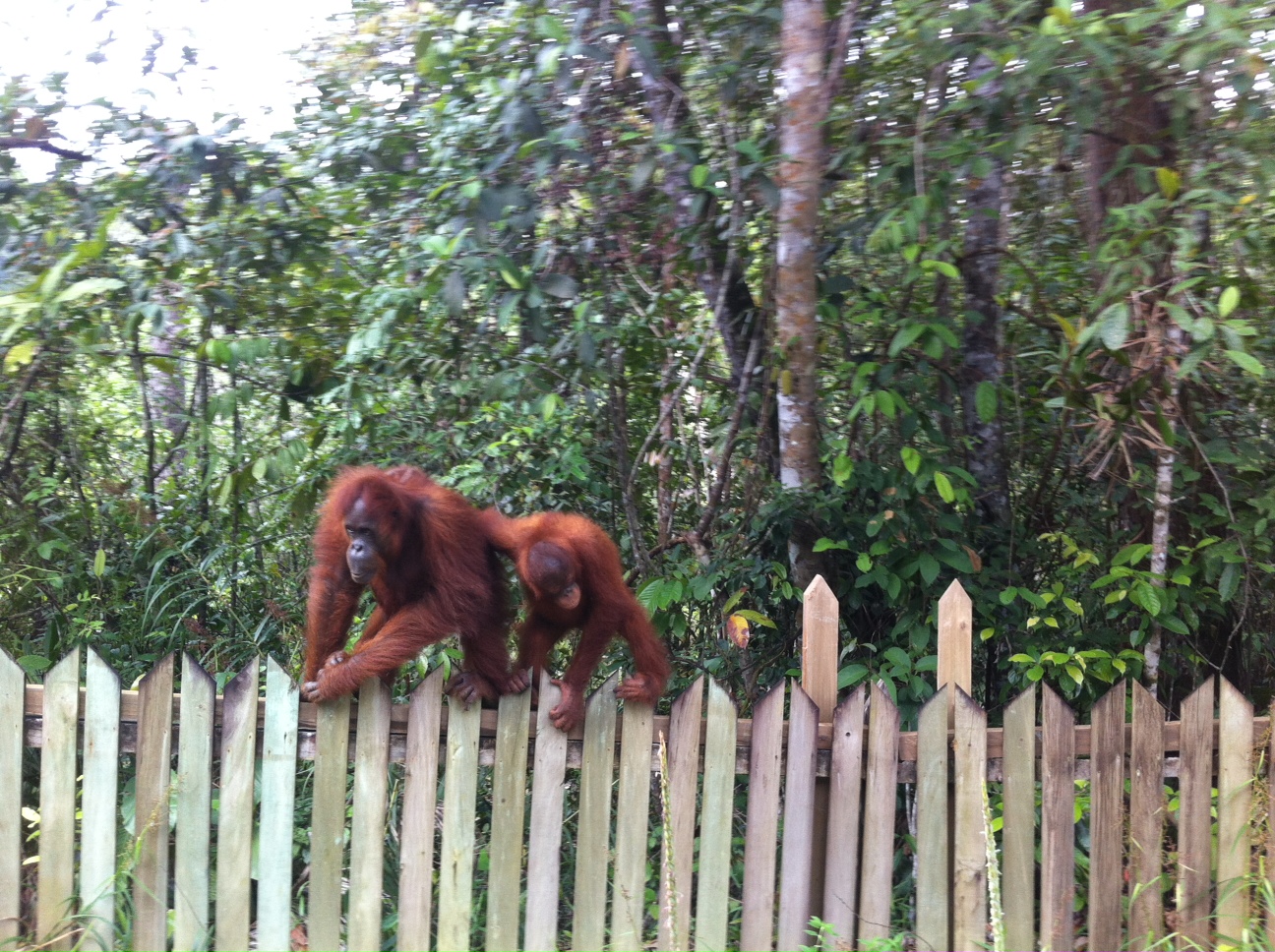
I visited the Semenggoh Nature reserve where they’re reintroducing the once-nearly-extinct Orangutans to the wild. We were lucky enough to see a 43 year old female and her 7 year old son come down for a free feeding, which the park rangers do both for tourism and to help them as they relearn to survive on their own.

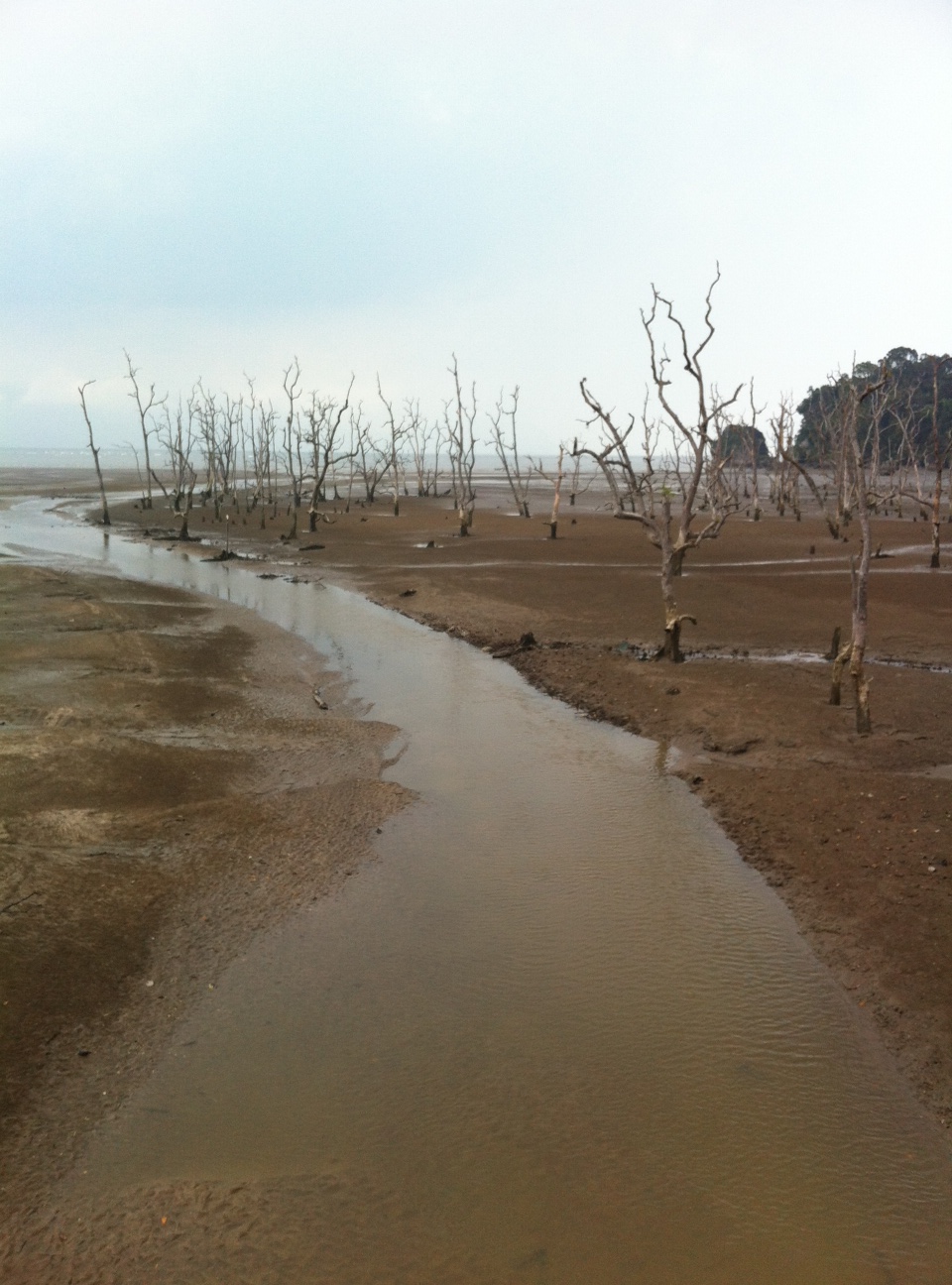
Bako National Park at low tide

Bako National Park at low tide

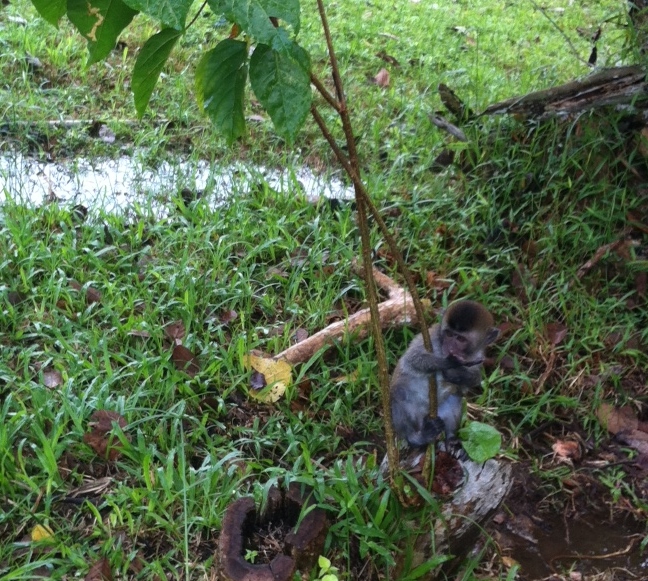
Then it was off to the famous Bako National park, home of the Proboscis monkey. They’re kind of big and orange too, but with a white butt and fluffy tail, and what looks like a swollen thumb for a nose. Its hard to explain but google images of them and youll understand. I didn’t get close enough to one to get a good photo, although I did see about 10 or 15 during my hikes around Bako. Then there were the mischievious little Macaques, and the shyer Silver leaf monkey far off in the tree tops.

baby macaque

baby macaque

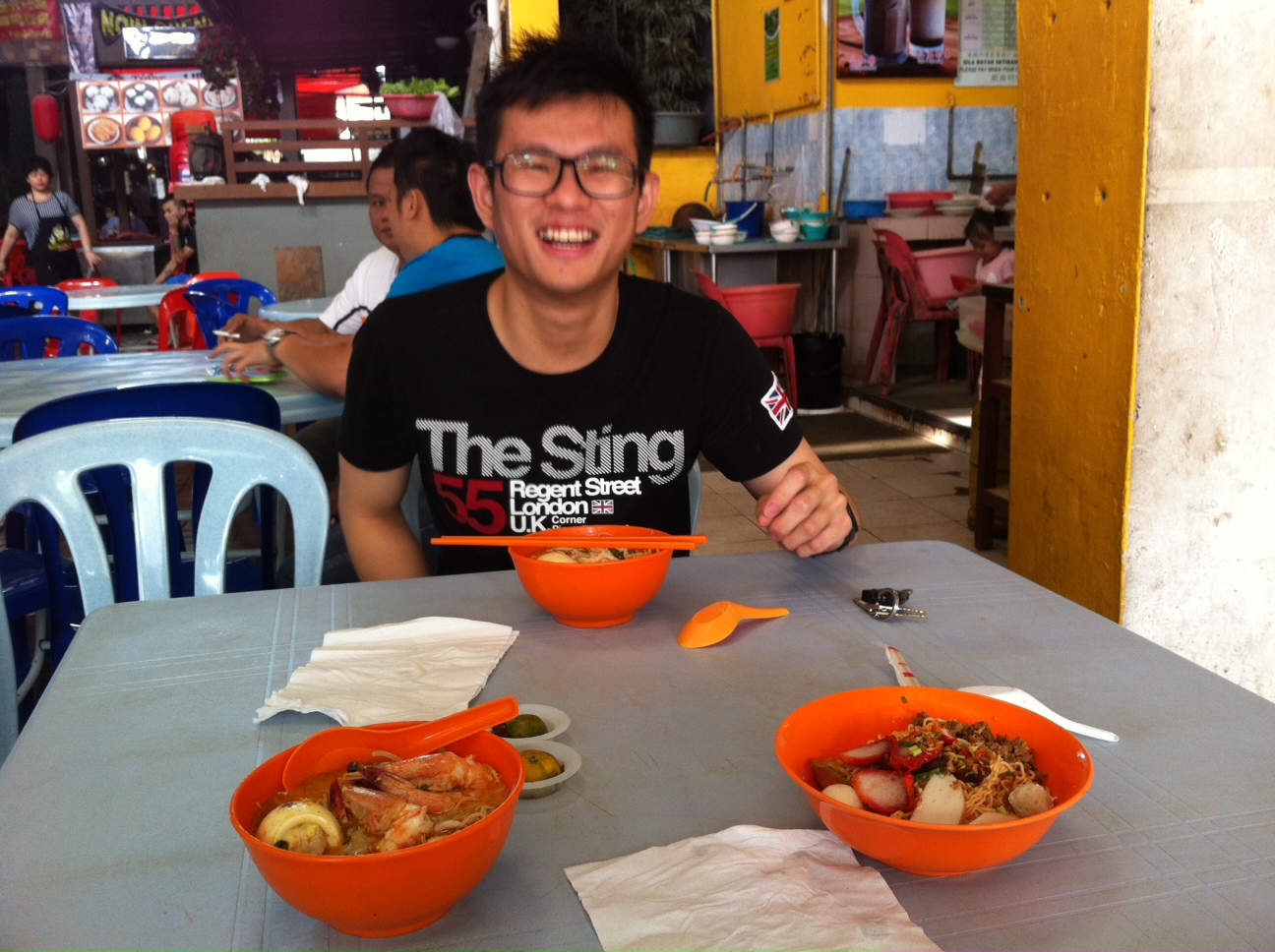
Besides all the monkeys and lush forests, the nearby coast Damai was also beautiful. Kuching itself silts on the river front with a peaceful promenade and lots of street vendors selling Lapis cake, a colourful layered cake of sugar and more sugar. The best food I ate was a traditional Malay soup for breakfast – laksa is a spicy noodle soup with prawns and coconuts and bean sprouts and lots of other goodness I cant put my finger on.

my couchsurf host and our Laksa breakfast

my couchsurf host and our Laksa breakfast

My couchsurf host was an MD in the ER and worked stupid hours, but every time we managed to meet up we feasted on various Chinese and Malay delicacies, rice wine and Singaporean beer. He also made time out of his schedule to pick me up and drop me off at the airport, since he said Kuching wasn’t a very pedestrian or traveler friendly city, but I think he was just happy to get out of the hospital and drive around carelessly without worrying about losing another life. I was certainly grateful but it also gave me some humbling perspective on how little I do to change people’s lives… maybe my travels will safe a life one day.


What about Brunei?

I had to come to Brunei to learn what the fuss was not about, since everyone suggested I just skip it or spend, at most, 1 day in transit there. It’s a tiny little country, only a few thousand square kilometers of land, most of it covered with dense, lush, virgin rainforest. Still it has a slightly larger population than Iceland, in a country only 1/20th the size, but the amount of money being pumped in and out of the country makes even Iceland look poor. Still living costs are low, even though social benefits, wages and the standard of living are all high, so people have a very laissez-faire attitude to work and money, especially since there’s no income tax and everyone gets free healthcare, education and a pension.

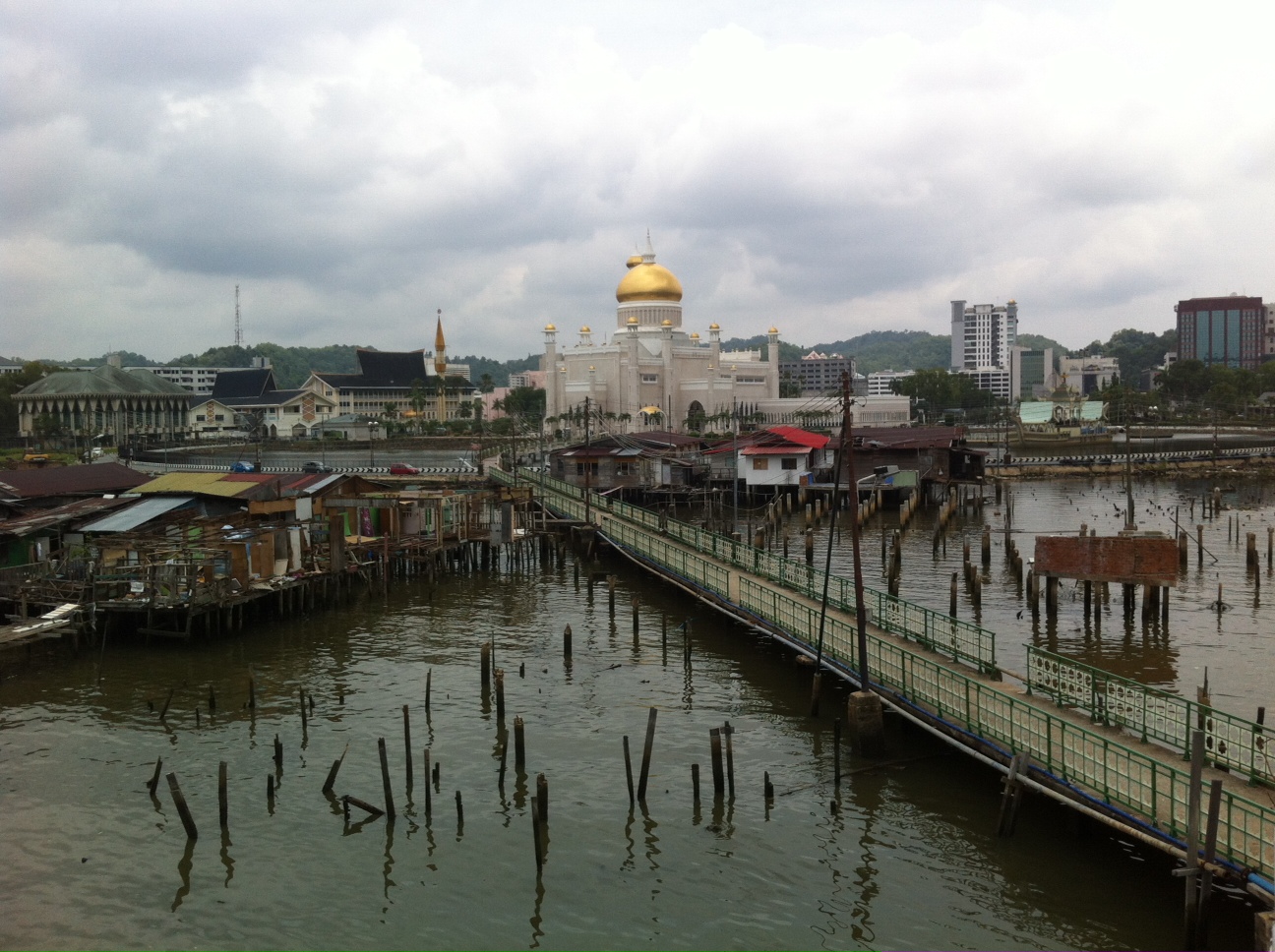
the stilt village slums infront of the golden mosque

the stilt village slums infront of the golden mosque

The country is lined with perfectly constructed highways, some serious roadwork for a place with no traffic. Gas only costs $0.50 a liter, which is like 1999 prices, in 2014 – how is that possible? The city center is a couple of low-built shopping blocks, and ghostly empty after nightfall when the market, stores and boats stop working. There are a couple of museums, all with free admission, showcasing the complex history and wealth behind the Sultanate of Brunei. It’s a little bit like Singapore, minus the parties and alcohol, since its illegal to buy or sell alcohol (and cigarettes).

It was a big change to arrive here from the Philippines, where tobacco and alcohol advertising nearly covered every restaurant and corner shop front. Its kind of a stuck-up city, clean and nice and safe and all, but the no-fun attitude really came through with the “Drug traffickers killed” signage randomly posted around town. I’m not sure what constitutes as ‘drugs,’ but I ended up at an ex-pat gathering full of cigs, spirits and white people and wondered whether I would be willing to die for that night. The biggest nightlife I experienced here was at a night market, a fusion of fried foods and fresh vegetables for sale under shanty stalls in the Pasar Gadong parking lot. I saw fruits and veggies there I’ve never seen before, or at least never thought you could eat, but didn’t try anything too crazy. Tourists and locals alike wandered around for hot eats and local treats, but I lucked out with my own Indian kitchen for the entirety of my visit.

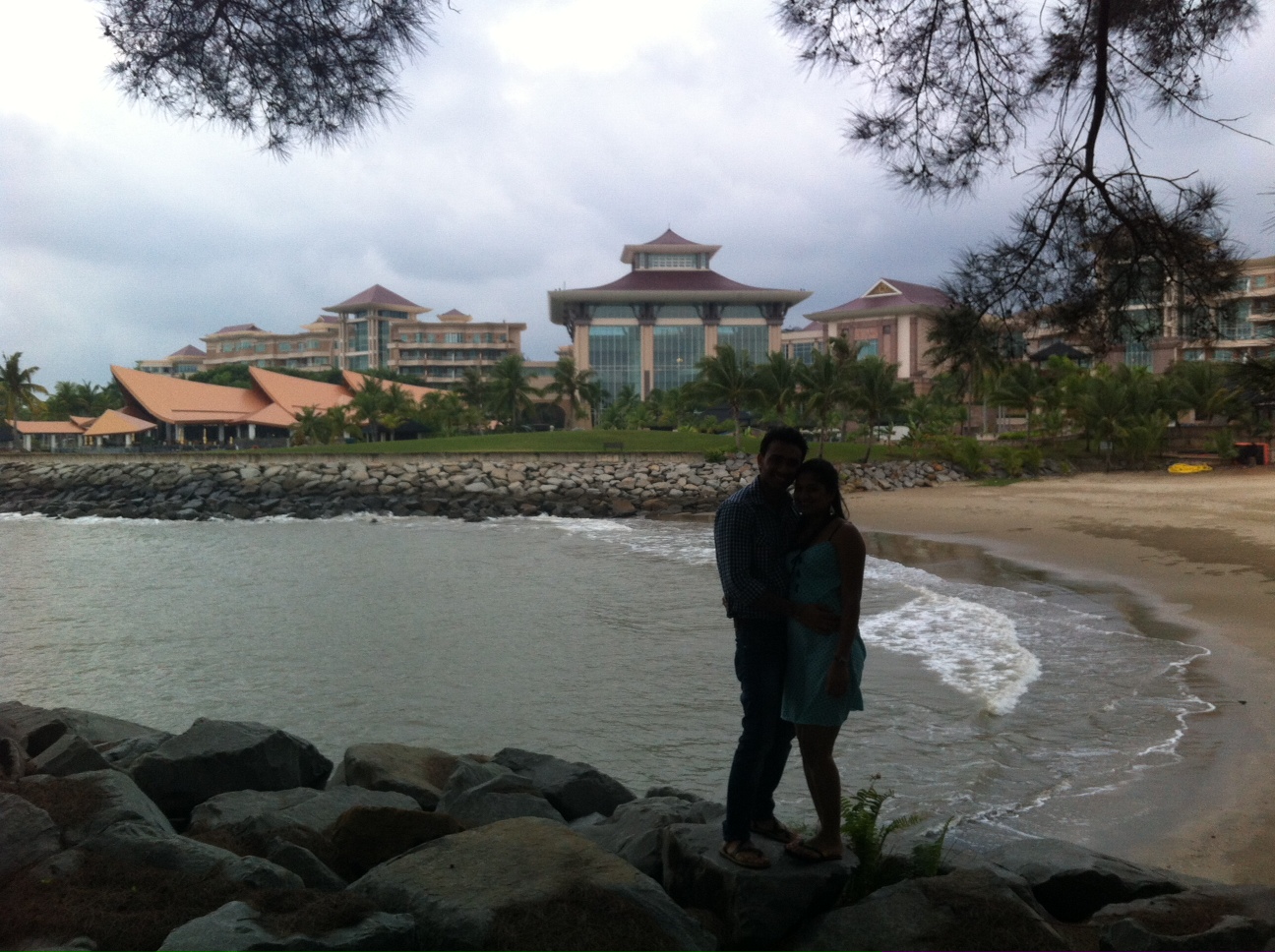
Mamta & Abhishek at the 6 star Empire hotel

Mamta & Abhishek at the Empire

I couchsurfed with newlyweds from Delhi, who started by feeding me a picnic of daal-roti and chana masala at the ferry port while we waited for our boat back to the city center. We had tried (and failed) to go to Temburong national park, since there was a lot of confusion on whether or not there were any boats available to take us there, and if there were boats, was there a driver, and if there was a driver, did he have a park permit… and on and on the problems went. But our friendship blossomed over the hardship and we made it back to their cozy apartment to cook up some more daal and rice for dinner.

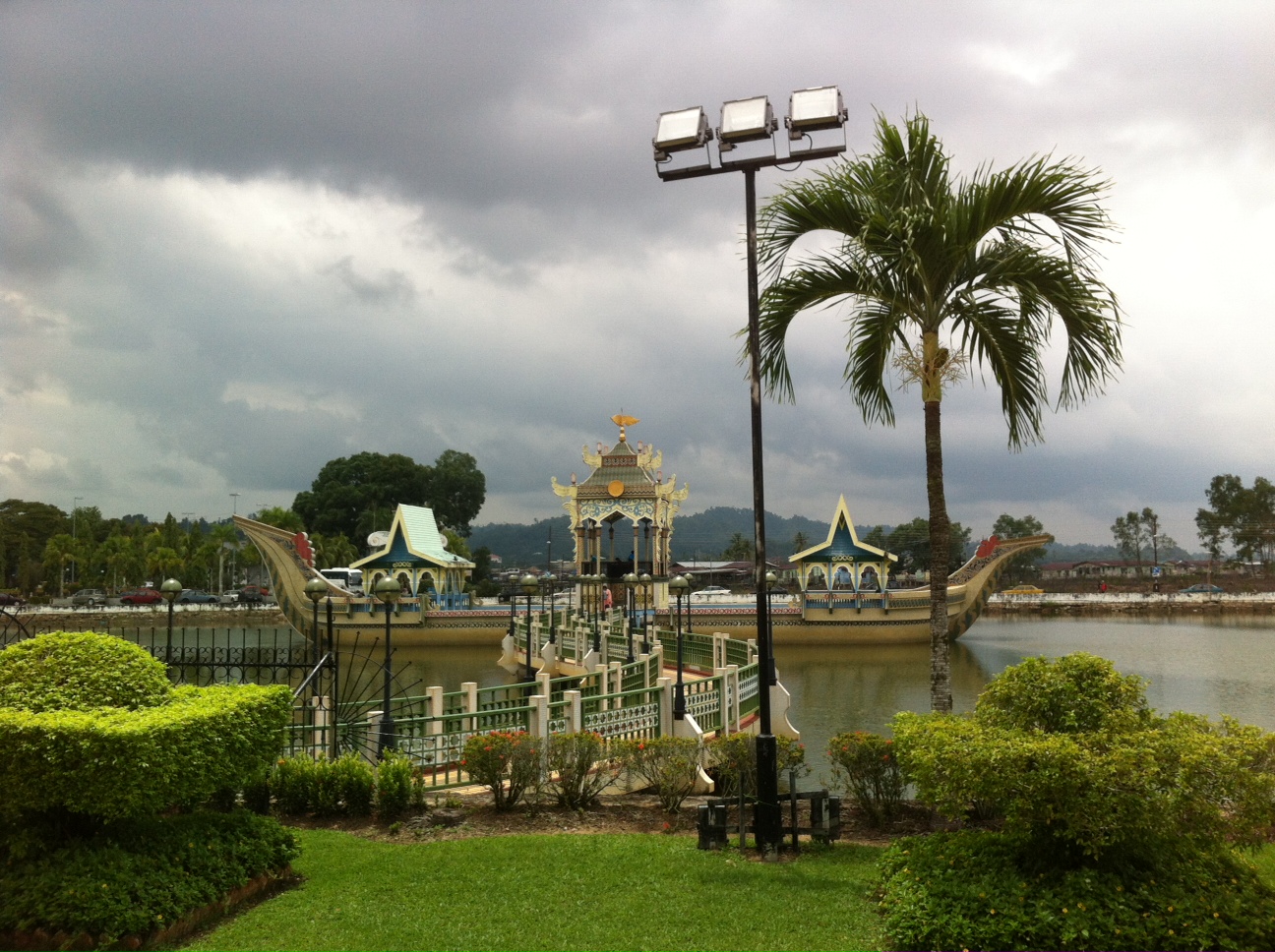
Sultan Omar Ali Saifuddin's ceremonial golden ship... cuz everyone needs one of those

Sultan Omar Ali Saifuddin’s ceremonial golden ship… cuz everyone needs one of those

The 6 star Empire Hotel was a tourist attraction in itself, and many of Brunei’s nicest neighbourhoods and most expensive buildings are really accessible to locals and tourists. The over-powering mosques were the same way, and every museum I saw offered free entrance. There was once a free amusement park that one of the royals gave another for his birthday, but operating costs were too high to let all of Brunei ride rollercoasters day in and day out so they decided to start charging admission, and the parks been in decline (and decay – lots of rides are broken) ever since.

Guimaras Island and other Filipino favourites

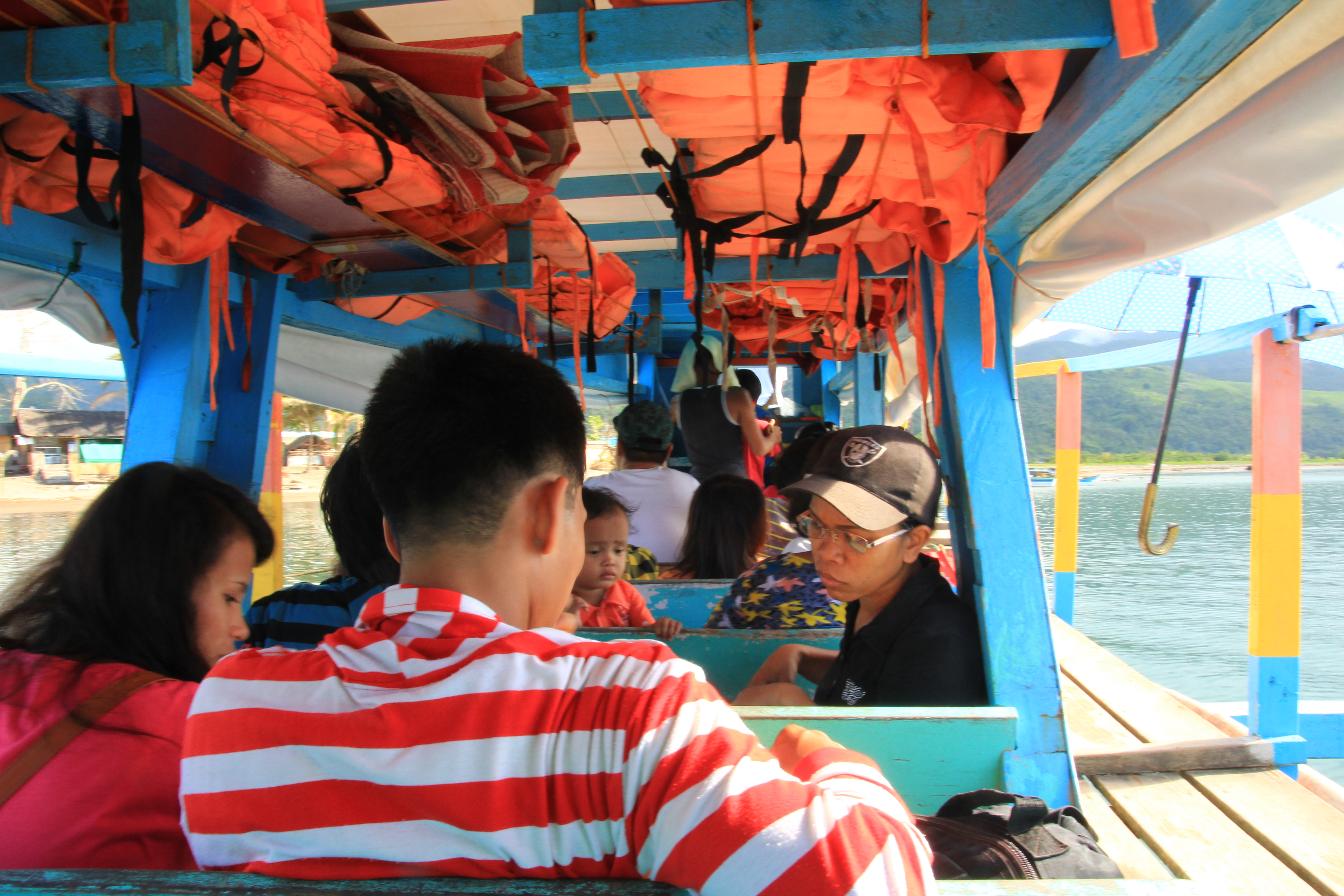
Traveling by bus has been a hit or miss experience. Some of them are airconditioned with reclining seats, while others are “jeepneys,” which is basically an old-school Jeep stretch limousine – the local form of short-haul public transport. Its got open air windows down the whole length of it, and when the 2o or so seats fill up, you can sit on the roof or stand on the tailgate hanging off the back. They say no 2 jeepneys are alike, since their all custom welded, adorned with religious trinkets, and all colours of the rainbow, so it would be hard to make any two alike even if you tried.

Long-haul bus seats are sold with different class descriptions like “Deluxe” and “Exclusive Junior,” and always advertised with or without CR (“comfort room”). I thought this was some type of extra leg room, but only figured out on my last day in the Philippines that it means WC… so the comfort room is a bus with a toilet, which would have been good to know the night we opted out of a CR bus on an overnight journey and I had to stop the bus in the middle of the highway in the middle of the night to pee in the pitch black bushes.

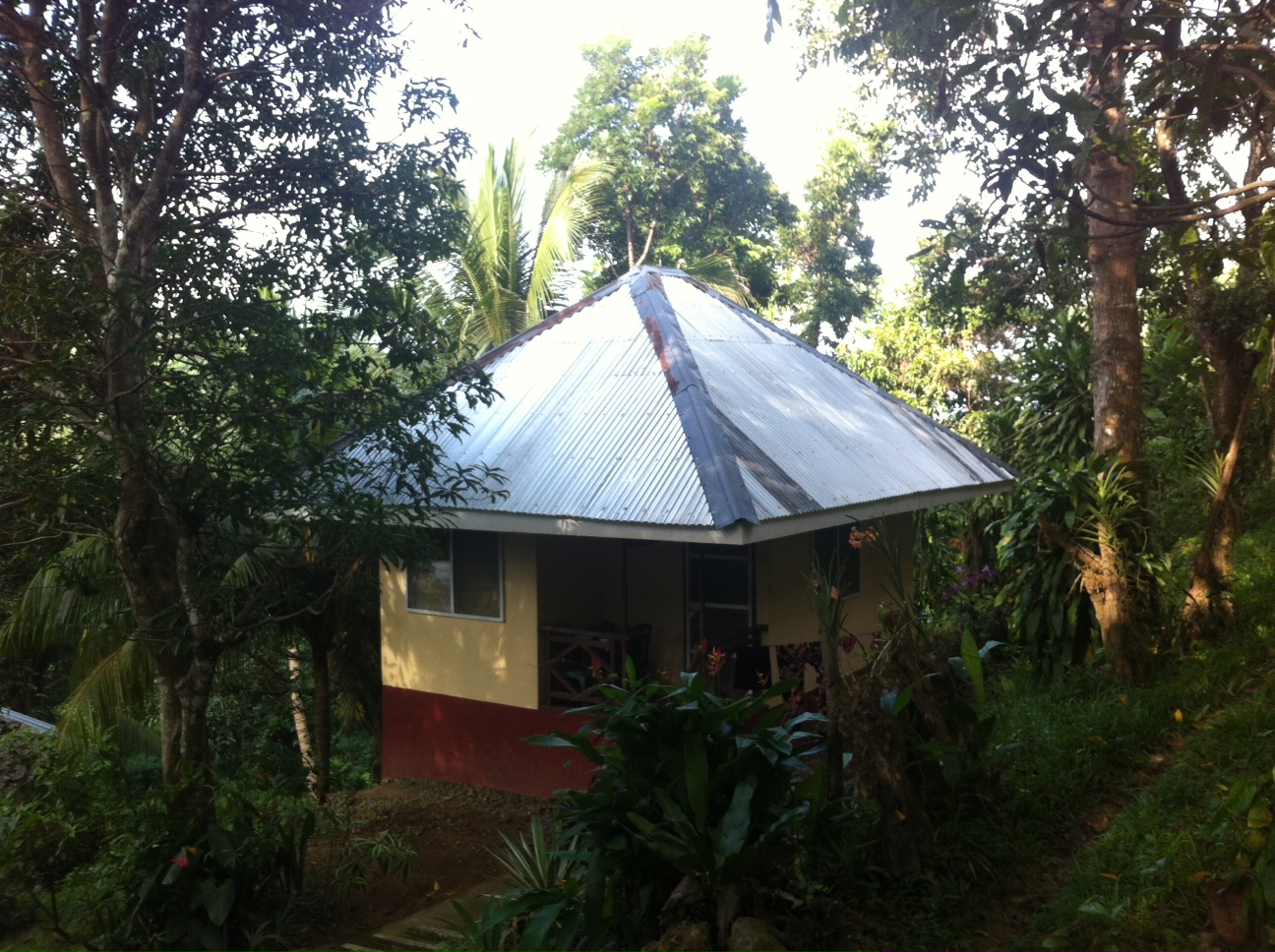
our "semi-native" bungalow at Valle Verde

our “semi-native” bungalow at Valle Verde

My favourite place in the Philippines so far was on Guimaras Island, an eco-oasis set in the middle of the green hills called Valle Verde Mountain Spring resort. You could see the ocean and the sunset from the restaurant patio, and there were only 5 rooms and one treehouse hidden in the forest canopy below. Some 300+ steps tied the resort together, with a pool and picnic bungalows in the center. The ‘mountain spring’ was just a little stream at the bottom of the valley, but sometimes they direct it into a little concrete pool where you can escape the killer mosquitos for an all-natural spring bath. I also loved our beach-side time in Guimaras, but mostly for the little villages we were nestled between, since the room didn’t even have a window but I did get 2 free cockroaches in my backpack.

I noticed that Filipino’s love basketball, with make-shift nets set up on temporary courts in the middle of streets or fields or wherever possible. They had a pickup game near where we stayed at Hoskyn port, but it was too embarrassing for me to even think of joining. The baskets are rolled on a platform with wheels, and the little platform stacked with heavy rocks to counterbalance anyone tall enough to dunk the ball (still haven’t seen that and I’m not sure its even possible with their average height).

kid crusaders on their way to the basketball court

kid crusaders on their way to the basketball court

I heard my first Christmas song on October 3rd, about 1 and a half months too soon, but Feliz Navidad (which we can appropriately thank the Spanish crusaders for) blared over the loudspeakers in a little supermarket while I experienced another first. On the shelf infront of me, in the “skin and health” aisle, where I had been looking for bug spray, stood a bunch of aloe vera and sunblock, and I learned that Nivea doesn’t sell bronzing cream in the Philippines, but “Whitening Spray,” which promises to leave your skin looking paler and lighter than before. That kind of fashion trend is also why outdoor workers keep covered from toe to head, even when its blazing hot, just to avoid the sun on their skin and risk being even darker than they already are.

I wondered what they thought of me, that stupid tourist lying near-naked in the sun on the beach to get a little tanner, when I could be so beautiful in their eyes if I just stayed my white Caucasian self… but instead of dwelling too long on it, I decided to beautify myself in a way they’d also approve. I bought a $2.50US pedicure at one of the countless, under-charging spas in Iloilo city, killing time before my flight back to Manila and taking advantage of the airconditioned mall while it poured outside in the humid heat.

Enchanting Siquijor

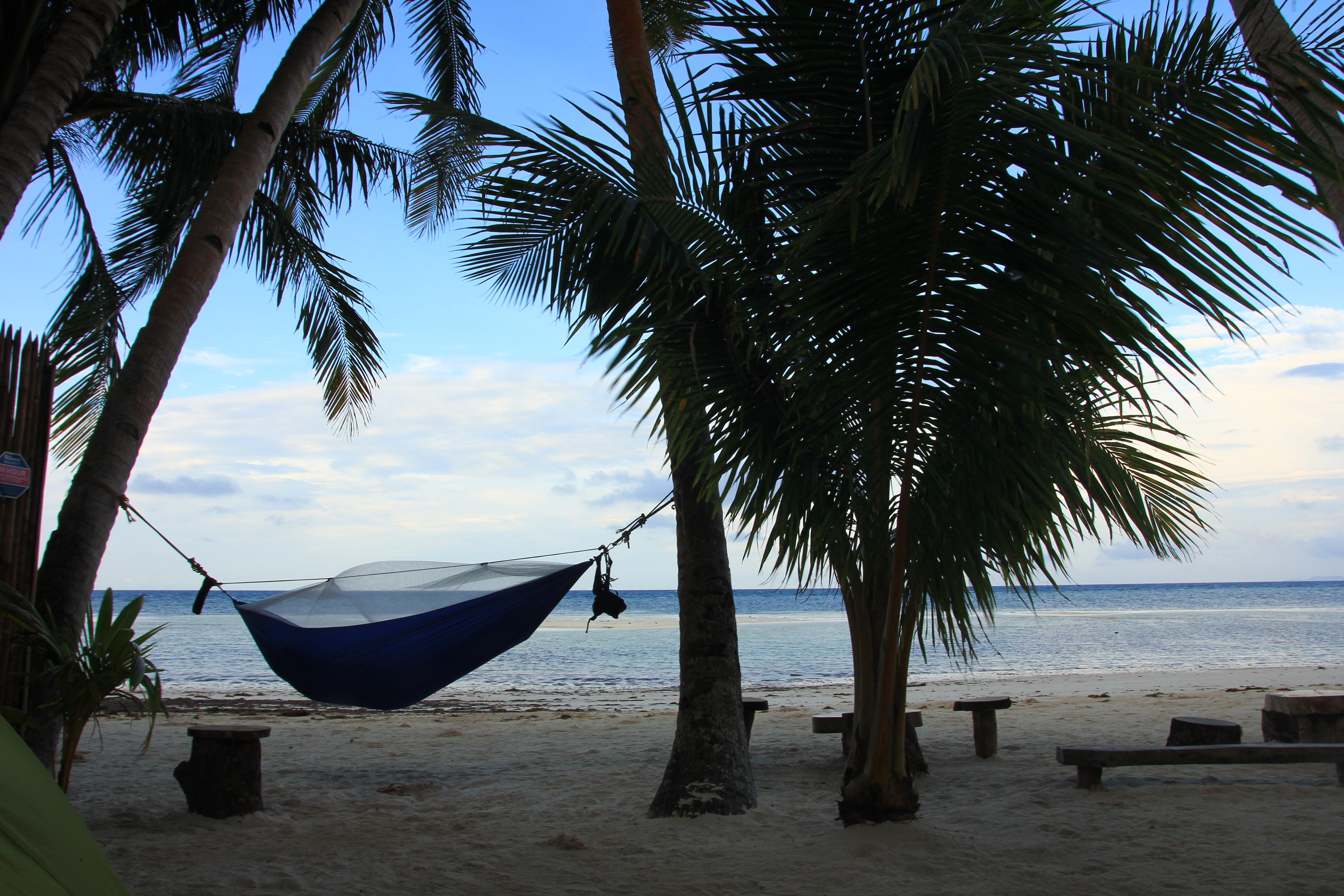
The next island destination was Siquijor, an island charmed by rumors of with-craft and a reputation for black magic. The mayor has apparently made every effort to stamp out this mysticism, since the domestic tourism market, driven by the upper-class Catholic Filipino population, doesn’t really appreciate it as much as the foreign tourists who come seeking any sign of it. Shamans that can cure tobacco addictions and cleanse a sinful past are hidden somewhere among the trees, but we couldn’t figure out how to find them. We decided to seek out the less-spooky beaches instead, and ended up at JJ’s backpackers, a lonely planet top-choice hotel that we accidentally stumbled upon because it had a campground. I hung my hammock between two coconut trees and slept like a baby for 2 nights suspended under the stars.

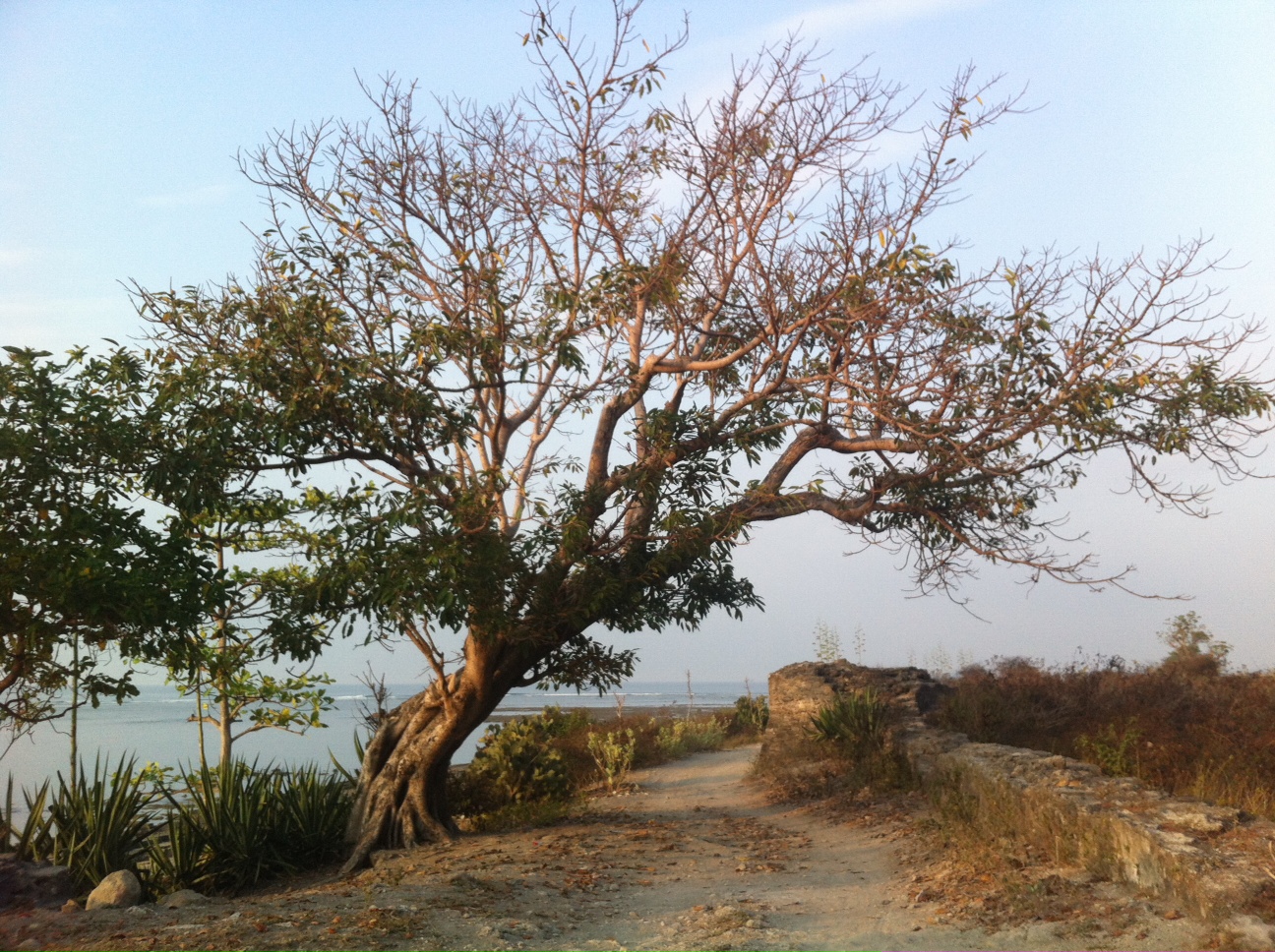
the mystical island of Siquijor

the mystical island of Siquijor

I almost got killed by a coconut on my morning jaunt along the beach, so since then I’ve become a lot more aware of the coconuts hanging above my hammock. Otherwise, there have been no safety issues, especially considering the fact that I’m probably bigger and stronger than most of the women and men here. The side streets and countryside villages are usually filled with an equal number of playful children, puppies and kittens, but few adults. The women are really friendly and smiley, and the men, jovial, and you can’t help but smile back when they’ve tucked their tshirt under their armpits or over their pot-bellies, exposing a hairless stomach the way most men do to keep cool. The only people you really encounter on the beach are harmless stray dogs and bottom-feeder fishermen taking advantage of low tide.

my bed at the campground

my bed at the campground

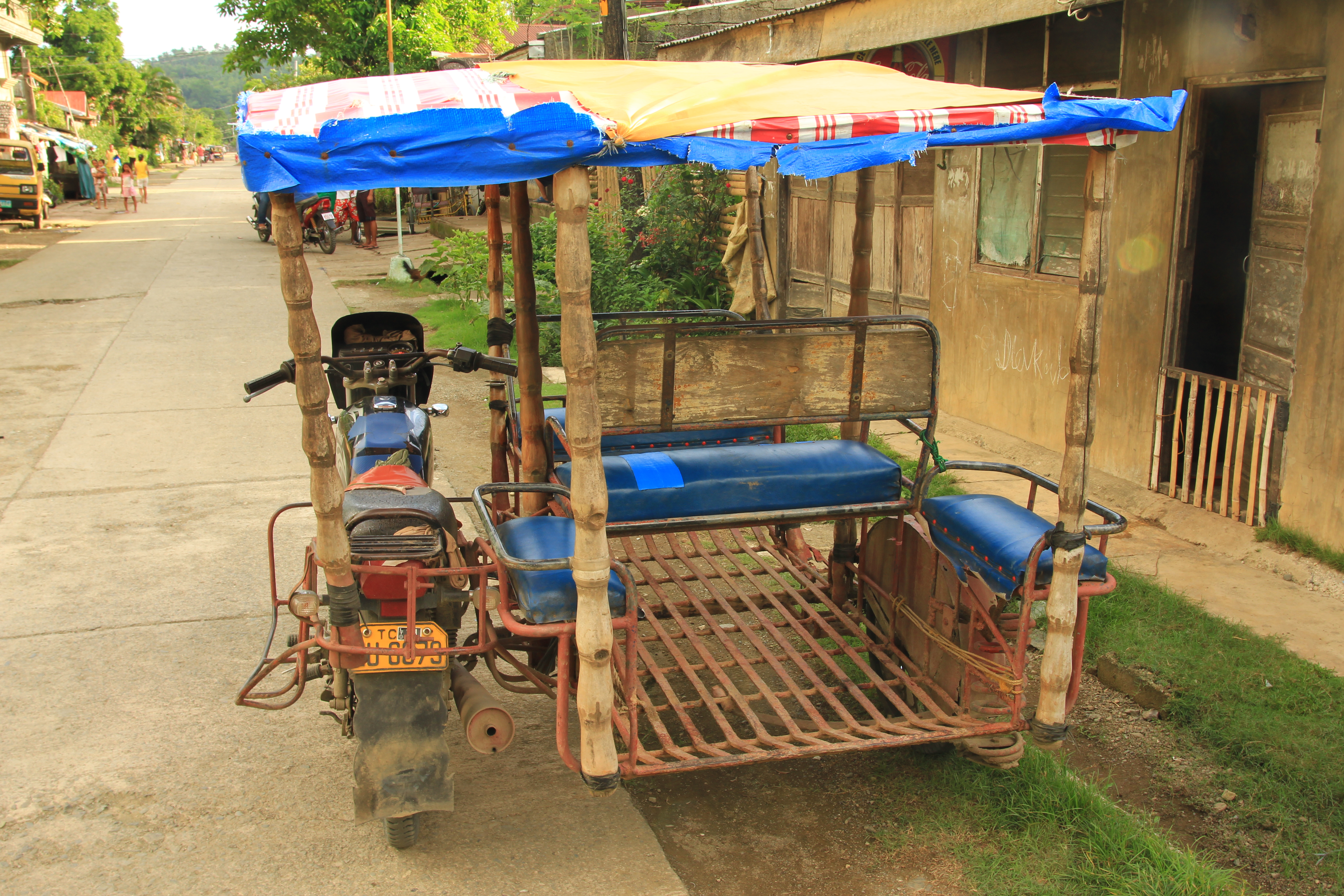
The locals don’t really approach us unless they’re a tri-cycle driver, and Im not sure if that’s disinterestedness or shyness. English is an official language here, but in practice, it exists mainly in print – from big billboards to traffic signs and advertising and menus, English is legible everywhere, but rarely spoken. That might be why the local tourism workers aren’t so aggressive, and barely bother to argue or bargain, but “ma’am,” “yes,” and “okay” are words commonly repeated, no matter what the question or if they’ve even understood you at all. People can usually understand the basics of your question, but not enough to answer correctly the first time, and sometimes they’ll answer in tagalog or their native tongue with a few Spanish numbers or English words interspersed. Conversations are hard to keep, but fun to have, and thank god for the signs and written English to fill in the gaps.

That being said, Filipino people often speak more than 2 local languages already, and literacy is nearly 100%. Schools are everywhere, even in the tiniest, remote settlements, and always look well built and meticulously maintained. Its nice when a school looks like an inviting place to learn, and all the uniformed school kids look so professional in their neatly pressed outfits.

Island hopping to the Visayas

Leaving Paniman was a bit less blissful than our arrival. Instead of taking a boat from the beach, we took the much longer, more tedious overland route back to Naga city, our travel hub for the day. To get a head start on our long day of travel, we had stayed in the land-locked village of Caramoan the night before, with the family of a toothless man whose irresistible smile didn’t allow us to look for other options. From there, we peeter-pattered down south, towards Cebu and the rest of the Visayan islands, but each painstaking kilometer went much slower than we thought, so we got stuck in the hotel-less port town of Pio Duran without a ferry onward til the next morning.

a tri-cycle, aka the Philippino taxi

a tri-cycle, aka the Philippino taxi

We made a friend on our way to Pio who invited us to stay with him, but he hadn’t been home in 5 years and didn’t have the key to his house. There was a padlock he didn’t know the code to, but some distant relative in the next town did. We waited for an hour as he tried to sort it out, only to learn there’d be no water or electricity when we got in. After amusing the neighbourhood children with our observing, foreigner eyes (they played really good basketball and danced lines of cuckaracha for us), we wandered back down to the port where a security guard pointed us in the direction of some covered, wooden benches to sleep on. The ferry left at 4:30 so we decided napping on a bench wouldn’t exactly be the same as sleeping on the street for a night… but basically we were homeless traveling bums for a minute.

one of the smaller ferry boats

one of the smaller ferry boats

The food we’d been eating had all been paired with rice, different assortments of meat and veggies with curry or adobo sauces. They always tasted good after a day of sweating and traveling, and the local San Miguel beer quenches your thirst even when it’s luke-warm. We had a couple, plus some locally made sugar-cane alcohol, to lull ourselves into sleepy mode. We boarded the ferry at 3, then curled up on some less-comfortable benches on deck to snooze a bit longer.

busride at sunrise

busride at sunrise

At daybreak we arrived in Masbate city, then needed to take a series of tricycles, vans and yet another ferry to reach Cebu. We pulled into the city at 10pm, after 2 exhausting days of travel, but by then the hotel across from the bus terminal was closed (or maybe its been shut down already but nobody knows). We wandered the surrounding streets, only to figure out we were smack-dab in the middle of Cebu-city’s sex-district. We chose the one out of three hotels we checked out based on the fact that it was the only one not available to rent per hour. I think it still had a “No Minors” sign, but I chose not to remember those minor details in lieu of an undisturbed night’s sleep.

Bienvenidos a Manila

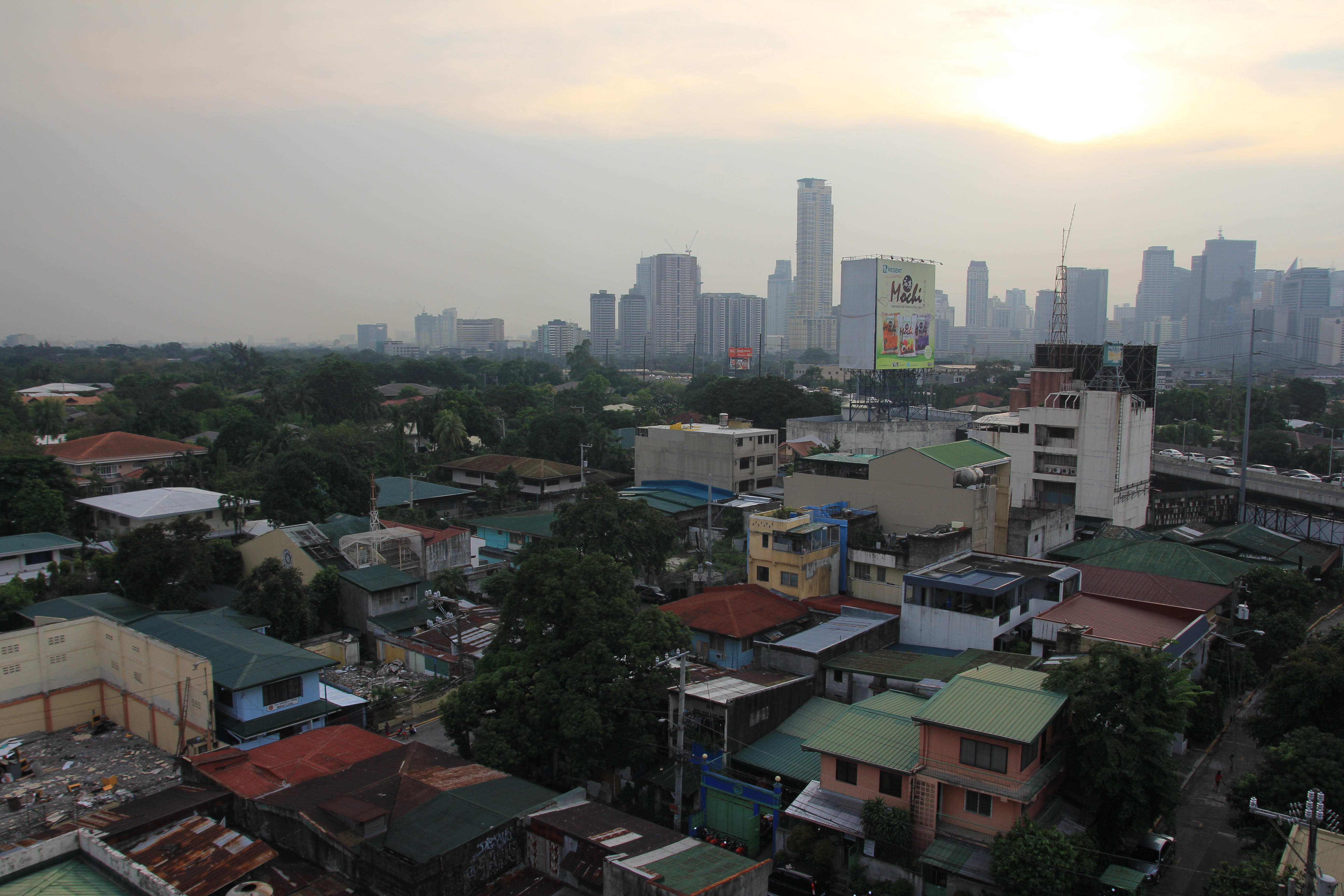
Manila at dusk

Manila at dusk

The Spanish were here until the turn of the 20th century, giving the Filipino people Catholicism and a lot of Spanish people and place names, and the Americans came in world war II giving them English and Hollywood pop-culture – two invaluable contributions they have connecting them to the western world. I don’t know why or how to put it in words, but I expected something else from Manila. I arrived to an Asian mega-city metropolis, full of the pollution and traffic that goes along with similar concrete-jungles. The city was crowded but organized, shiny but dirty, and both new and old, crumbling and developing. Nearly half the highrises in Makati, the shopping district I stayed in, were still topped with building cranes. I stayed at a roof-top hostel with views over Bonifacio Global city, a neighborhood that rivals even downtown Vancouver for cleanliness, safety and dining options.

The place gave me tastes of Tokyo and Bangkok, where first-world orderliness meets oriental cultural flare. It seemed wealthier and more westernized than other south-east Asian cities, but kept that same humid smoggy stickiness and cramped buildings-on-top-of-buildings/fit-them-everywhere-you-can urban planning. But Manila was noticeably liberal in its fashion and sexuality, with little gender-inequality or homophobicness.

There was a typhoon just days before I arrived, but none of its havoc was noticeable in this neighbourhood. Distant thunder and lightning threatened occasionally, but only a few showers camee over Makati. Other areas were still dealing with flooded streets and homes, but the rainy season is supposed to be coming to a slow stop right about now. After perching in my hostel for 2 days and 1 night recovering from a cold that Philippines customs thought was Ebola (note to self: never show flu symptoms when flying in and out of asia), I was ready to leave in search of cleaner air and brighter skies.

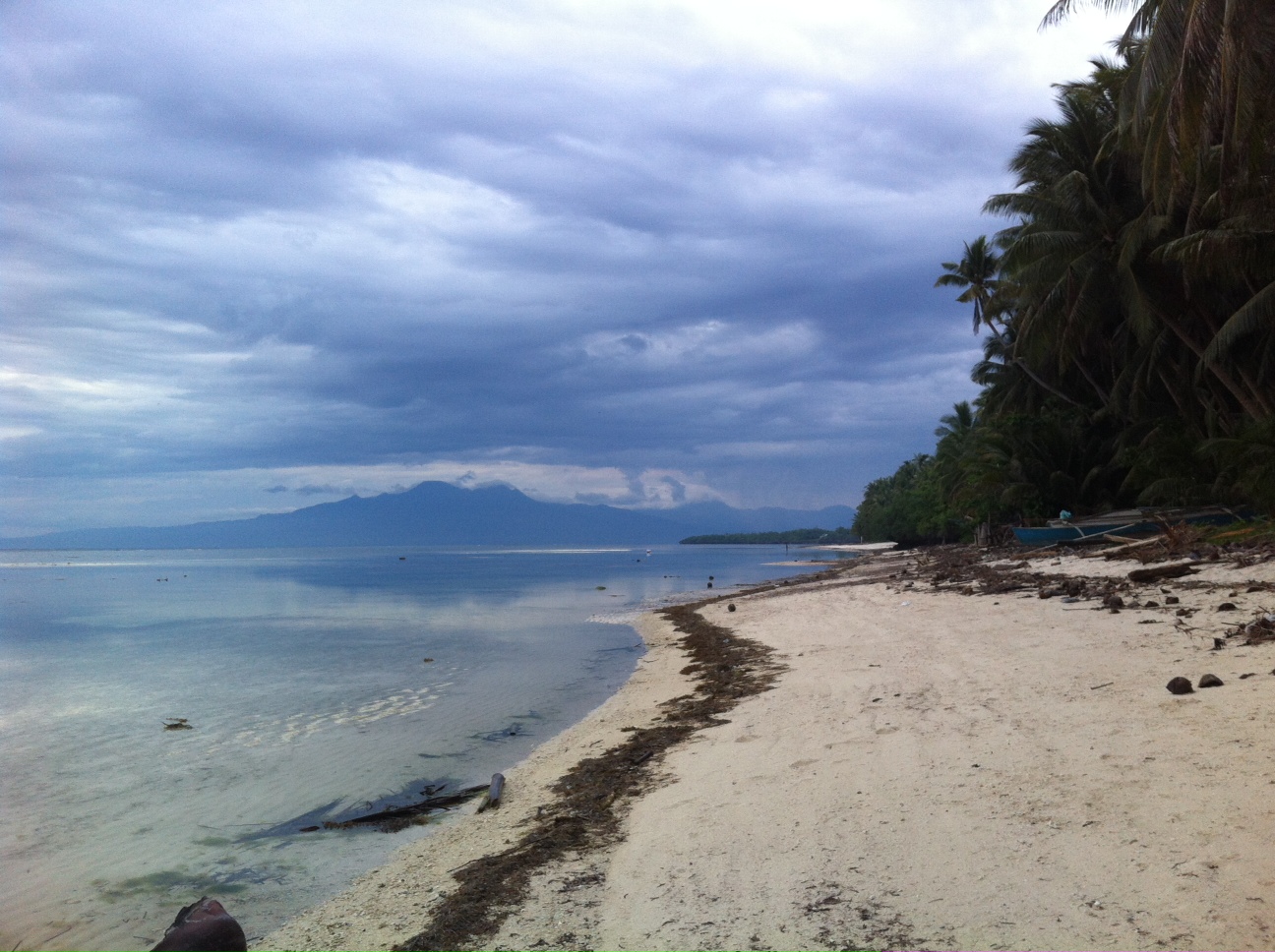
paradise in Paniman

paradise in Paniman

After traveling less than 10 km in more than one hour, through rush-hour traffic and a purple haze, we got on an overnight bus to Caramoan and finally reached a little slice of paradise nearby called Paniman. Paniman is a tiny fishing village on the mainland, speckled with shacks, shops and a handful of ‘resorts’ (which are also just slightly fancier shacks called bungalows with shops called ‘resto-bars’). From their beach, you can go island hopping between a series of pre-historic looking islands and pristinely white beaches, and waste your abundant wealth of time cracking open coconuts and snorkeling among the corals and sea-grass. They filmed one of the Survivor series here, and all I can say is no one would have to pay me a million dollars to get deserted on one of these islands; but, I also didn’t mind paying the mere $22 it cost to rent our own boat for 4 hours and splash around our own private beaches for each of those hours.

Two Weddings and a lot of planes

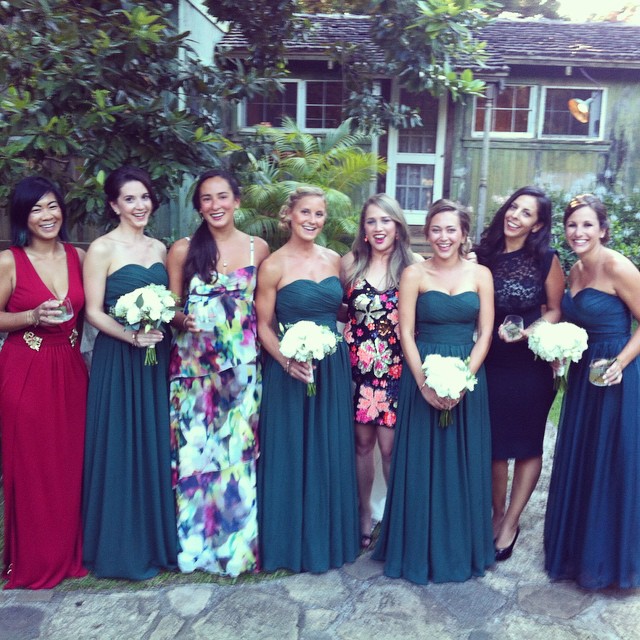
My first friend as a freshman in university was my next door neighbour Maya. Then I lived with her in they bay when I went to Berkeley for grad school. Now, 10 years later, I watched her get married to her longtime boyfriend Mike. Their wedding was in the hills of Lafayette, a beautiful wooded hillside with an open-air ceremony. The bridesmaids wore different shades of pink and Maya shone in her off-white gown. There were 6 groomsmen to her 4 bridesmaids, a friend of theirs was their photographer, another friend of hers officiated, and that friend’s husband DJ’d, so it was all a very friendly event. Other friends from UBC came too, and we danced the night away to some ridiculously bad rap and pop music from the early 2000’s.

the UBC reunion of Maya and her lady friends

the UBC reunion of Maya and her lady friends

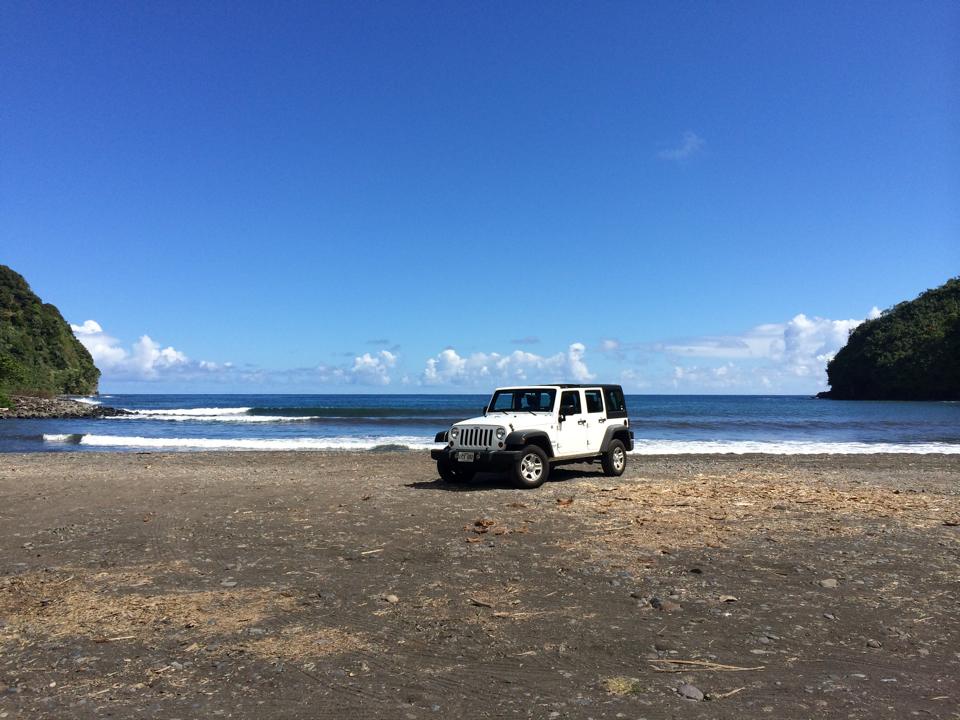
Its wierd how I can refer to different decades and Im only 27… amazing how time flies, and people are all growing up and settling down. This was one of 3 weddings I attended in 6 weeks, and I had to leave Maya’s wedding bright and early the next day to attend a wedding in Hawai’i. We were 35 friends and family, not only invited to a destination wedding on Maui at one of the most famous wedding venues in ‘Merica, but also to a week-long vacation with the bride at groom at our very own hotel. We stayed at Mama’s Fish house, apparently one of the top 3 restaurants in ‘Merica, and rented out all the cottages around it, with our own beach, BBQ’s, patios and hammocks to cook our own delicious food. I didn’t bite for the $50-$75 chance to try eating at Mama’s, but I did get my fill of sand and surf, and hiking and roadtripping around the island. The famous road to Hana was filled with waterfalls and freshwater pools, but the road from Hana was more exciting, with unkept gravel roads clinging to the side of sea cliffs and a desolate no-mans land of dried up praries and homeless horses.

our topless roadtrip car

our topless roadtrip car

I know the groom Kyle from Semester at Sea. We were next door neighbours and shared a paper-thin wall we used to talk to eachother through. We also conquered Korcula island in Croatia together as novice backpackers, but left with a few sea urchin needles in our feet. Another friend of a friend from Semester at Sea, Orion, lives on Maui, and he took me up to watch the sunrise from the top of Halekala crater. At more than 10,000feet/3,000m, its the tallest peak on Maui, and the crater sits above the clouds, so we watched the sun light up the whole sky before it broke through the cloud line and rose as it probably rises every day in heaven.

Halekala sunrise

Halekala sunrise

Kyle and Kali’s wedding was also a little slice of heaven. It was held at an old sugar mill called the Haiku Mill, and only our party of 35 got to call the place our own for a few hours. We were served on by probably half as many staff, engineering cocktails with succulent plants frozen in ice to cool us down. The ceremony was short and sweet, the cocktail hour was nearly 2 hours, and then dinner was just a slight delay to the dancing night we were all so looking forward to. Even though the dance floor was made of red bricks, we shook it hard, and sweat poured so heavily from every square inch of our bodies that we had a hard time gripping onto our fancy cocktail glasses and lost a few of those to the bricks.

the bridesmaids and co.

the bridesmaids and co.

Our last day together in paradise was spent trying to finish all the food and alcohol 35 people had over-bought for the week. I invited Orion and his girlfriend over to help us, and after probably a dozen beer, they were a little intoxicated. That wouldn’t normally have been a problem, except that they were running a 42km marathon the next day at 5 am, so I saw them off the finish line, hungover or drunk, Im not sure, then drove myself to the airport to hop on another jet plane.

City hopping in ‘Merica

I love being Canadian because they basically treat us as Americans when we fly into their horribly unorganized airports. I don’t need to fill out some I-94 form or ESTA waiver and I can stay up to 3 months without any hassle. I still get fingerprinted everytime, and  from time to time, asked for proof of departure, but I can always just say Im driving to Canada after and then I dont need to show any flight booking. And I learned never to have an e-ticket or electronic boarding pass, since you’re not allowed to use your phone in any customs hall, even if its to show your flight out of the US.

Me and Clio at Minnehaha Falls

Me and Clio at Minnehaha Falls

After some 10 weeks straight of horse back riding in the Icelandic highlands, summer finally met me in Minneapolis. Its a direct 6 hour flight from Iceland, over Greenland and northern Canada, that plops you right int he middle of a thousand lakes. There are lakes everywhere, which makes it a very green and bike friendly state, but like Iceland, the summers are short and most things are dead, frozen and/or snow covered for more than half the year. I’d been twice in the winter to visit my best friend Clio, and this was the first time I had seen the city in bloom, and it made a much better impression on my summer-seeking soul. Of course we rode bikes, and swam in lakes, and then we satisfied my culture side with some visits to the strange-looking Wesiman Art museum, the Walker Art Center Sculpture garden, and the fancy schmancy Nordic inspired  restaurant Bachelor Farm.

Sculpture garden selfie infront of the spoon

Sculpture garden selfie infront of the spoon

I had $900 in American Airlines vouchers to try to use up, so I hopped over to Seattle for a short visit. I can count the number of hours I was there on my fingers and toes, but it was still worth the visit to see my photographer friend Mike Reiter settled into his new home and peek into his working life at corporate giant Amazon. Apparently everyone takes their dog and bikes to work, so Seattle is also a hipster-lifestyle friendly place, but Oakland-native Mike Reiter is anything but hipster. But the Chocolate factory and whiskey distillery that he lives between makes up for it, since he gets to wake up every morning to the sweet smell of chocolatey whiskey. He was proud to show me Pike Place market in downtown Seattle, but I’m not sure I fully appreciated the highlights: men throwing fish and a long line up outside the first ever Starbucks.

boating on the Delta

boating on the Delta

My next destination was San Francisco and the east Bay, back to the hills I used to live in 5 years ago. It was crazy to come into this highway congested bay and see two road-kill deer on the side of the road, but just behind the hills are huge forests and parks with lots of open space for wildlife. There’s a severe draught going on, but in the valleys behind the bay theres a series of canals called the Delta where boaters take their little yachts for joy rides. My friend had a little speed boat we took out to soak up some sun, and water, and I finally got that sun-kissed bronze glow on my skin that my body’s been missing in Iceland.