Guimaras Island and other Filipino favourites

Traveling by bus has been a hit or miss experience. Some of them are airconditioned with reclining seats, while others are “jeepneys,” which is basically an old-school Jeep stretch limousine – the local form of short-haul public transport. Its got open air windows down the whole length of it, and when the 2o or so seats fill up, you can sit on the roof or stand on the tailgate hanging off the back. They say no 2 jeepneys are alike, since their all custom welded, adorned with religious trinkets, and all colours of the rainbow, so it would be hard to make any two alike even if you tried.

Long-haul bus seats are sold with different class descriptions like “Deluxe” and “Exclusive Junior,” and always advertised with or without CR (“comfort room”). I thought this was some type of extra leg room, but only figured out on my last day in the Philippines that it means WC… so the comfort room is a bus with a toilet, which would have been good to know the night we opted out of a CR bus on an overnight journey and I had to stop the bus in the middle of the highway in the middle of the night to pee in the pitch black bushes.
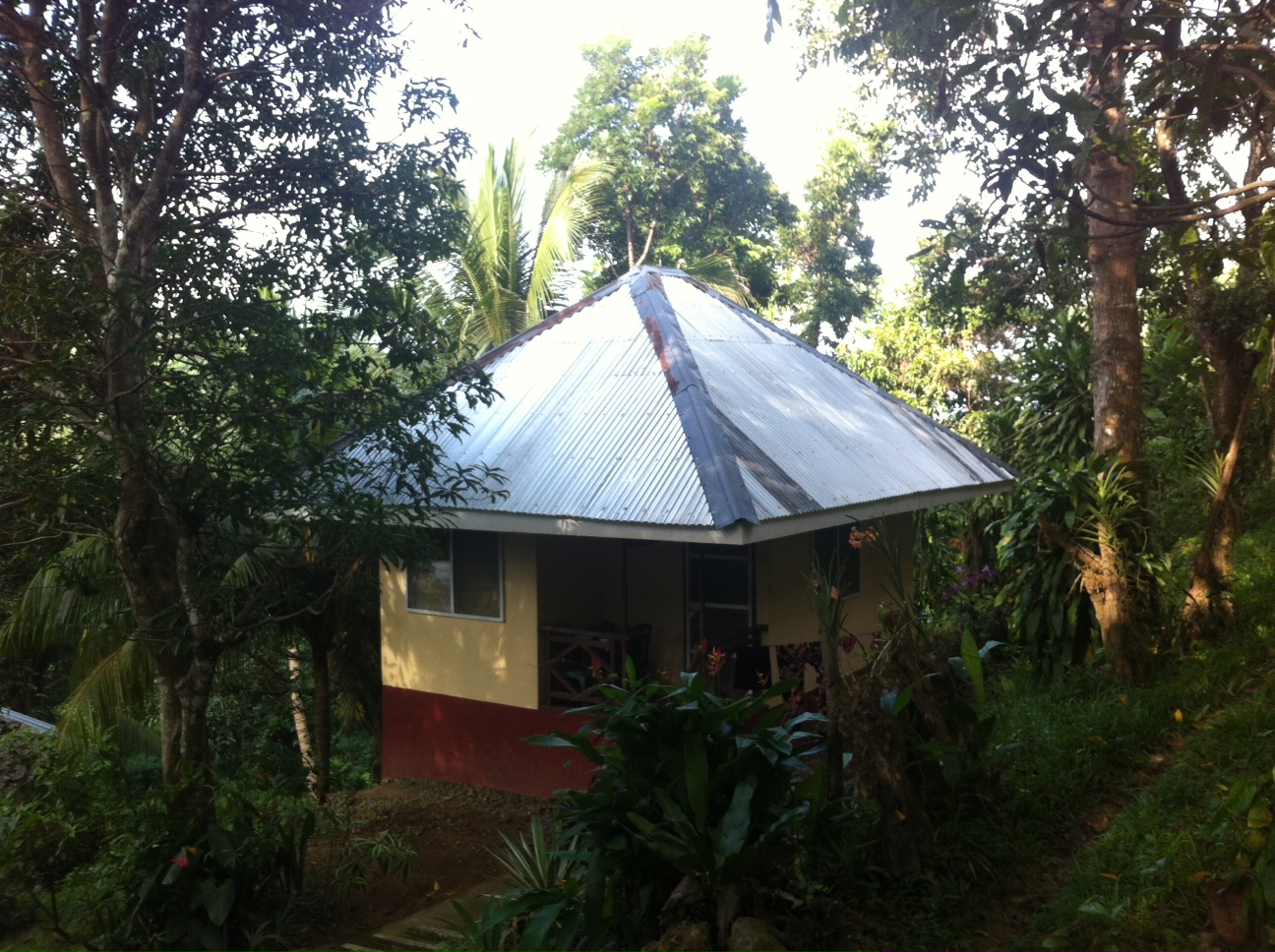
our "semi-native" bungalow at Valle Verde

our “semi-native” bungalow at Valle Verde

My favourite place in the Philippines so far was on Guimaras Island, an eco-oasis set in the middle of the green hills called Valle Verde Mountain Spring resort. You could see the ocean and the sunset from the restaurant patio, and there were only 5 rooms and one treehouse hidden in the forest canopy below. Some 300+ steps tied the resort together, with a pool and picnic bungalows in the center. The ‘mountain spring’ was just a little stream at the bottom of the valley, but sometimes they direct it into a little concrete pool where you can escape the killer mosquitos for an all-natural spring bath. I also loved our beach-side time in Guimaras, but mostly for the little villages we were nestled between, since the room didn’t even have a window but I did get 2 free cockroaches in my backpack.

I noticed that Filipino’s love basketball, with make-shift nets set up on temporary courts in the middle of streets or fields or wherever possible. They had a pickup game near where we stayed at Hoskyn port, but it was too embarrassing for me to even think of joining. The baskets are rolled on a platform with wheels, and the little platform stacked with heavy rocks to counterbalance anyone tall enough to dunk the ball (still haven’t seen that and I’m not sure its even possible with their average height).

kid crusaders on their way to the basketball court

kid crusaders on their way to the basketball court

I heard my first Christmas song on October 3rd, about 1 and a half months too soon, but Feliz Navidad (which we can appropriately thank the Spanish crusaders for) blared over the loudspeakers in a little supermarket while I experienced another first. On the shelf infront of me, in the “skin and health” aisle, where I had been looking for bug spray, stood a bunch of aloe vera and sunblock, and I learned that Nivea doesn’t sell bronzing cream in the Philippines, but “Whitening Spray,” which promises to leave your skin looking paler and lighter than before. That kind of fashion trend is also why outdoor workers keep covered from toe to head, even when its blazing hot, just to avoid the sun on their skin and risk being even darker than they already are.

I wondered what they thought of me, that stupid tourist lying near-naked in the sun on the beach to get a little tanner, when I could be so beautiful in their eyes if I just stayed my white Caucasian self… but instead of dwelling too long on it, I decided to beautify myself in a way they’d also approve. I bought a $2.50US pedicure at one of the countless, under-charging spas in Iloilo city, killing time before my flight back to Manila and taking advantage of the airconditioned mall while it poured outside in the humid heat.
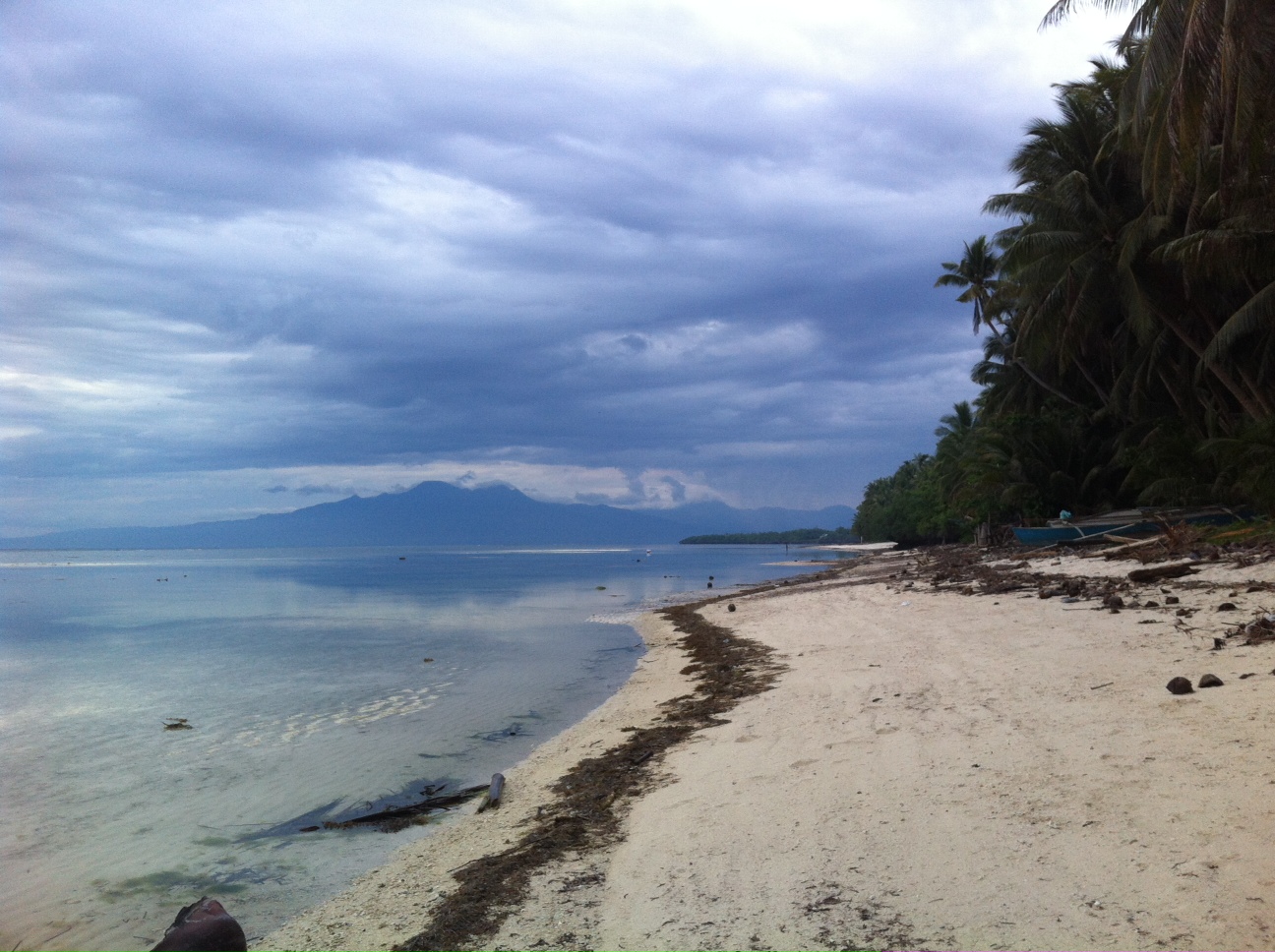
Enchanting Siquijor

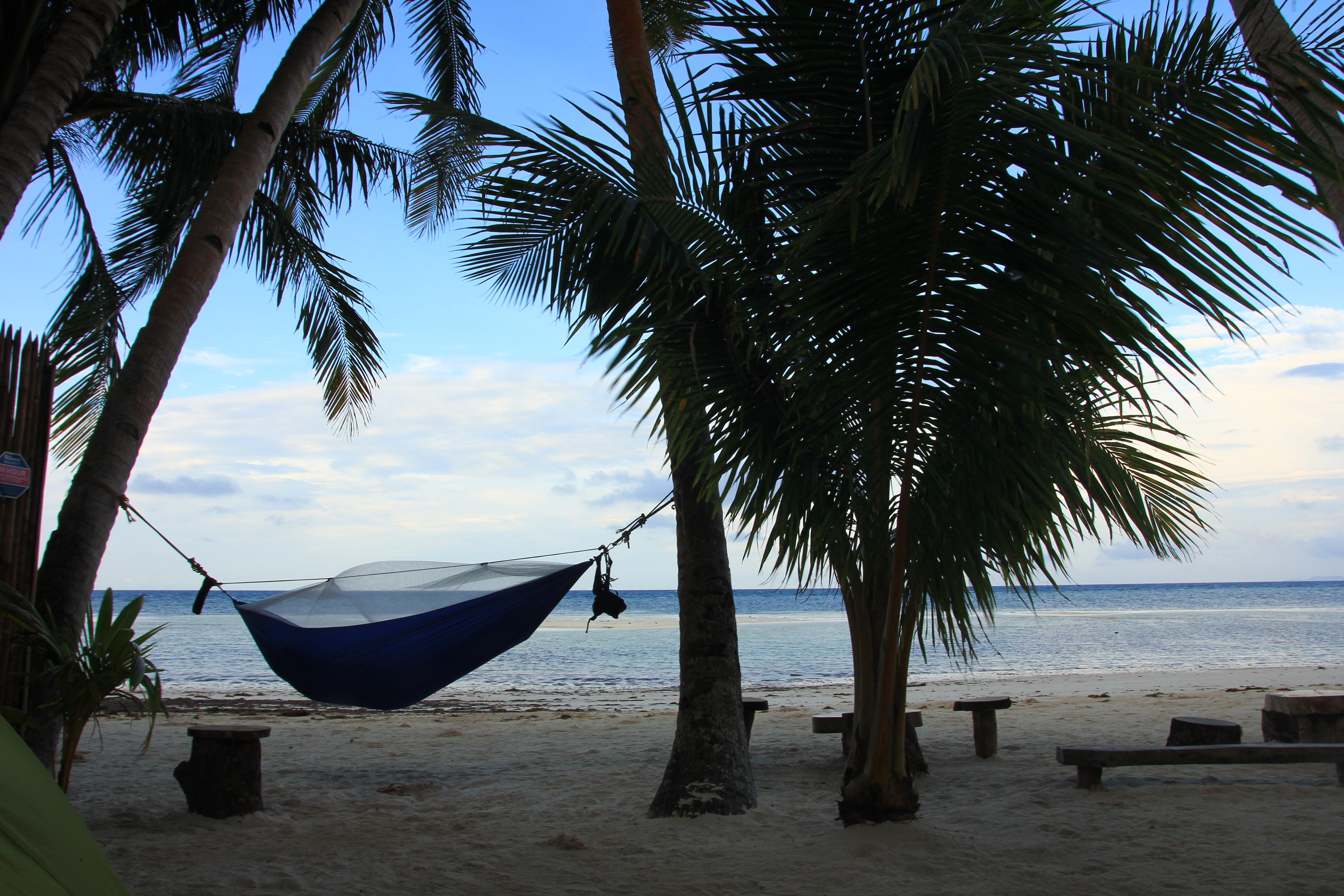
The next island destination was Siquijor, an island charmed by rumors of with-craft and a reputation for black magic. The mayor has apparently made every effort to stamp out this mysticism, since the domestic tourism market, driven by the upper-class Catholic Filipino population, doesn’t really appreciate it as much as the foreign tourists who come seeking any sign of it. Shamans that can cure tobacco addictions and cleanse a sinful past are hidden somewhere among the trees, but we couldn’t figure out how to find them. We decided to seek out the less-spooky beaches instead, and ended up at JJ’s backpackers, a lonely planet top-choice hotel that we accidentally stumbled upon because it had a campground. I hung my hammock between two coconut trees and slept like a baby for 2 nights suspended under the stars.

the mystical island of Siquijor

the mystical island of Siquijor

I almost got killed by a coconut on my morning jaunt along the beach, so since then I’ve become a lot more aware of the coconuts hanging above my hammock. Otherwise, there have been no safety issues, especially considering the fact that I’m probably bigger and stronger than most of the women and men here. The side streets and countryside villages are usually filled with an equal number of playful children, puppies and kittens, but few adults. The women are really friendly and smiley, and the men, jovial, and you can’t help but smile back when they’ve tucked their tshirt under their armpits or over their pot-bellies, exposing a hairless stomach the way most men do to keep cool. The only people you really encounter on the beach are harmless stray dogs and bottom-feeder fishermen taking advantage of low tide.

my bed at the campground

my bed at the campground

The locals don’t really approach us unless they’re a tri-cycle driver, and Im not sure if that’s disinterestedness or shyness. English is an official language here, but in practice, it exists mainly in print – from big billboards to traffic signs and advertising and menus, English is legible everywhere, but rarely spoken. That might be why the local tourism workers aren’t so aggressive, and barely bother to argue or bargain, but “ma’am,” “yes,” and “okay” are words commonly repeated, no matter what the question or if they’ve even understood you at all. People can usually understand the basics of your question, but not enough to answer correctly the first time, and sometimes they’ll answer in tagalog or their native tongue with a few Spanish numbers or English words interspersed. Conversations are hard to keep, but fun to have, and thank god for the signs and written English to fill in the gaps.

That being said, Filipino people often speak more than 2 local languages already, and literacy is nearly 100%. Schools are everywhere, even in the tiniest, remote settlements, and always look well built and meticulously maintained. Its nice when a school looks like an inviting place to learn, and all the uniformed school kids look so professional in their neatly pressed outfits.

Island hopping to the Visayas

Leaving Paniman was a bit less blissful than our arrival. Instead of taking a boat from the beach, we took the much longer, more tedious overland route back to Naga city, our travel hub for the day. To get a head start on our long day of travel, we had stayed in the land-locked village of Caramoan the night before, with the family of a toothless man whose irresistible smile didn’t allow us to look for other options. From there, we peeter-pattered down south, towards Cebu and the rest of the Visayan islands, but each painstaking kilometer went much slower than we thought, so we got stuck in the hotel-less port town of Pio Duran without a ferry onward til the next morning.

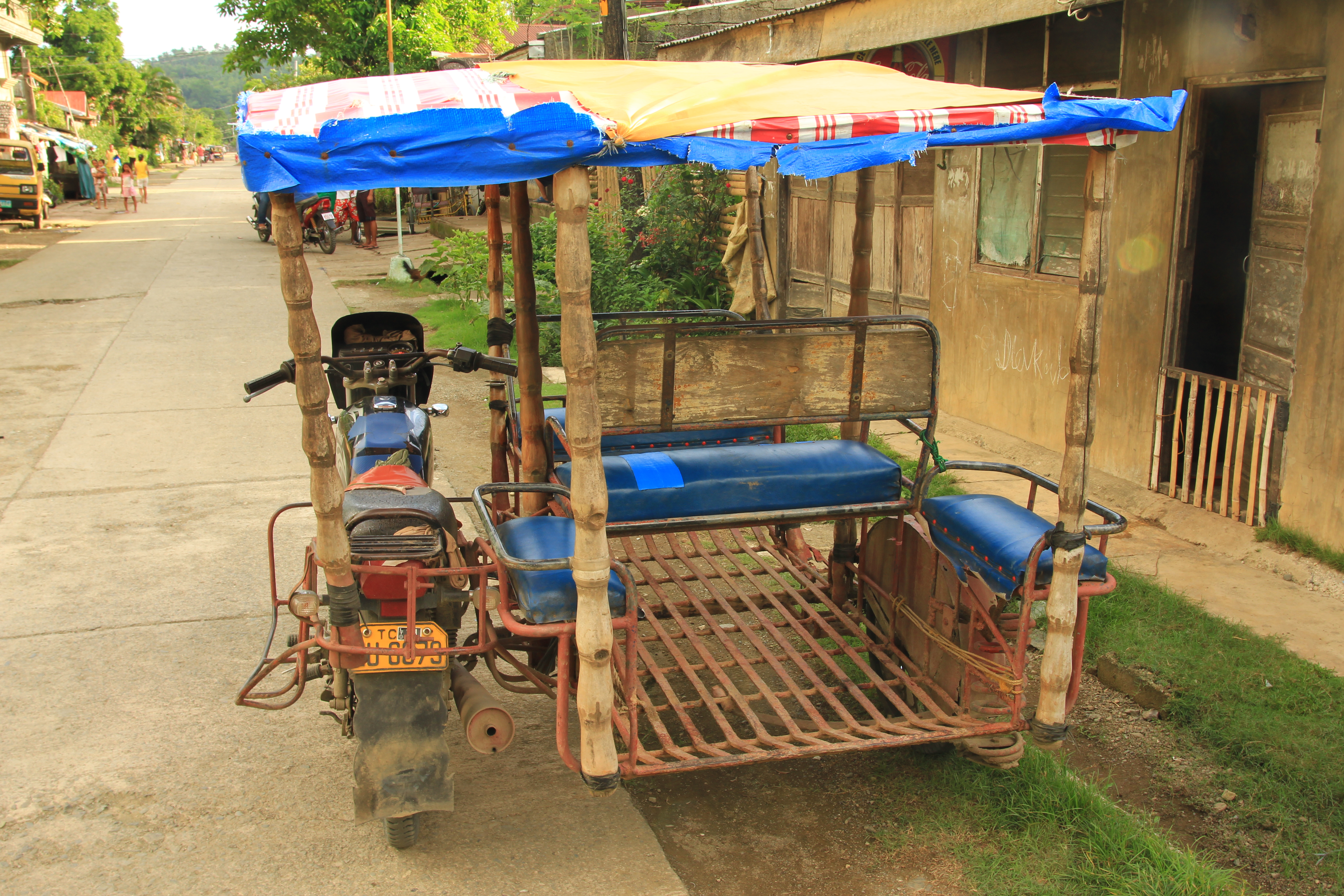
a tri-cycle, aka the Philippino taxi

a tri-cycle, aka the Philippino taxi

We made a friend on our way to Pio who invited us to stay with him, but he hadn’t been home in 5 years and didn’t have the key to his house. There was a padlock he didn’t know the code to, but some distant relative in the next town did. We waited for an hour as he tried to sort it out, only to learn there’d be no water or electricity when we got in. After amusing the neighbourhood children with our observing, foreigner eyes (they played really good basketball and danced lines of cuckaracha for us), we wandered back down to the port where a security guard pointed us in the direction of some covered, wooden benches to sleep on. The ferry left at 4:30 so we decided napping on a bench wouldn’t exactly be the same as sleeping on the street for a night… but basically we were homeless traveling bums for a minute.

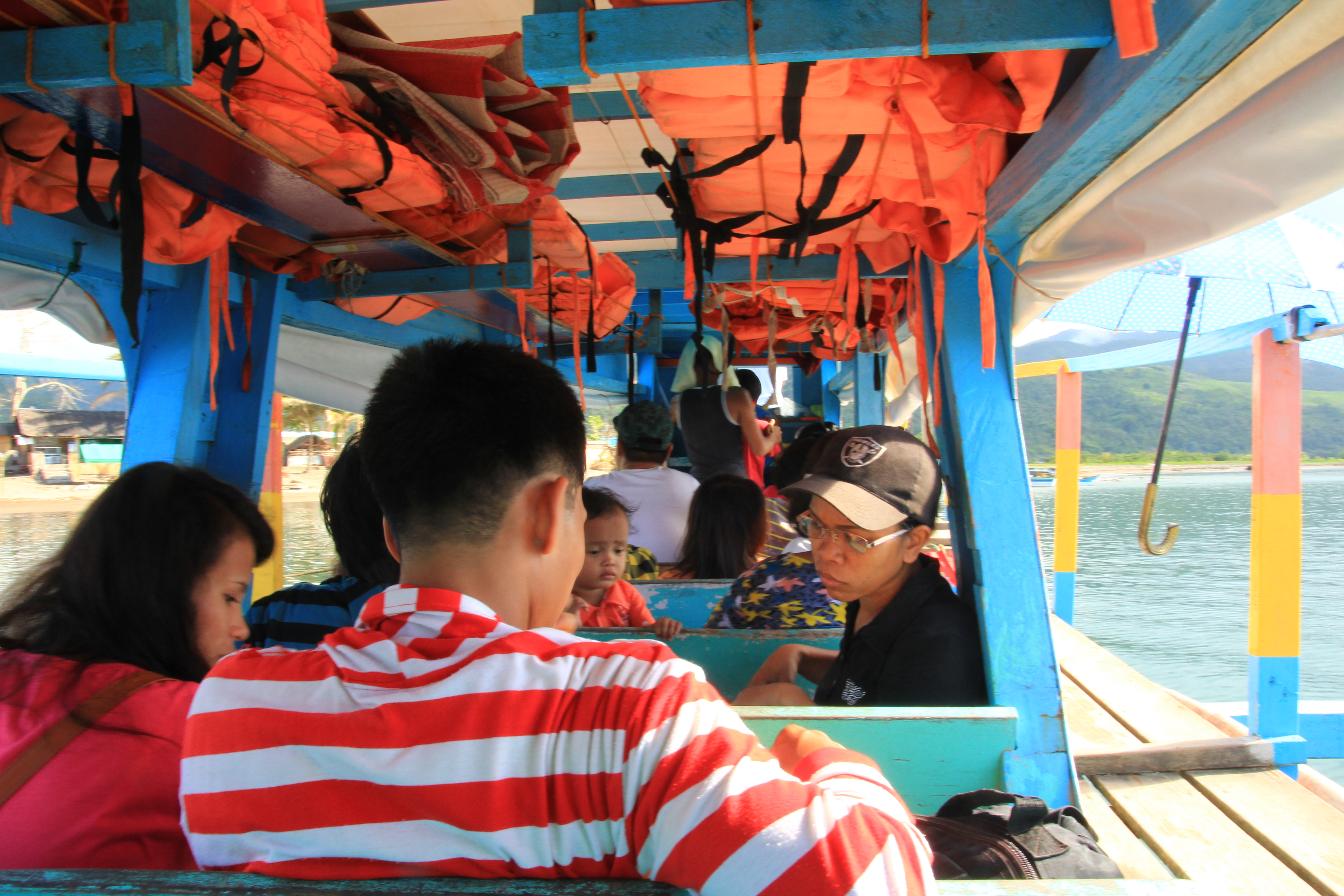
one of the smaller ferry boats

one of the smaller ferry boats

The food we’d been eating had all been paired with rice, different assortments of meat and veggies with curry or adobo sauces. They always tasted good after a day of sweating and traveling, and the local San Miguel beer quenches your thirst even when it’s luke-warm. We had a couple, plus some locally made sugar-cane alcohol, to lull ourselves into sleepy mode. We boarded the ferry at 3, then curled up on some less-comfortable benches on deck to snooze a bit longer.

busride at sunrise

busride at sunrise

At daybreak we arrived in Masbate city, then needed to take a series of tricycles, vans and yet another ferry to reach Cebu. We pulled into the city at 10pm, after 2 exhausting days of travel, but by then the hotel across from the bus terminal was closed (or maybe its been shut down already but nobody knows). We wandered the surrounding streets, only to figure out we were smack-dab in the middle of Cebu-city’s sex-district. We chose the one out of three hotels we checked out based on the fact that it was the only one not available to rent per hour. I think it still had a “No Minors” sign, but I chose not to remember those minor details in lieu of an undisturbed night’s sleep.

Bienvenidos a Manila

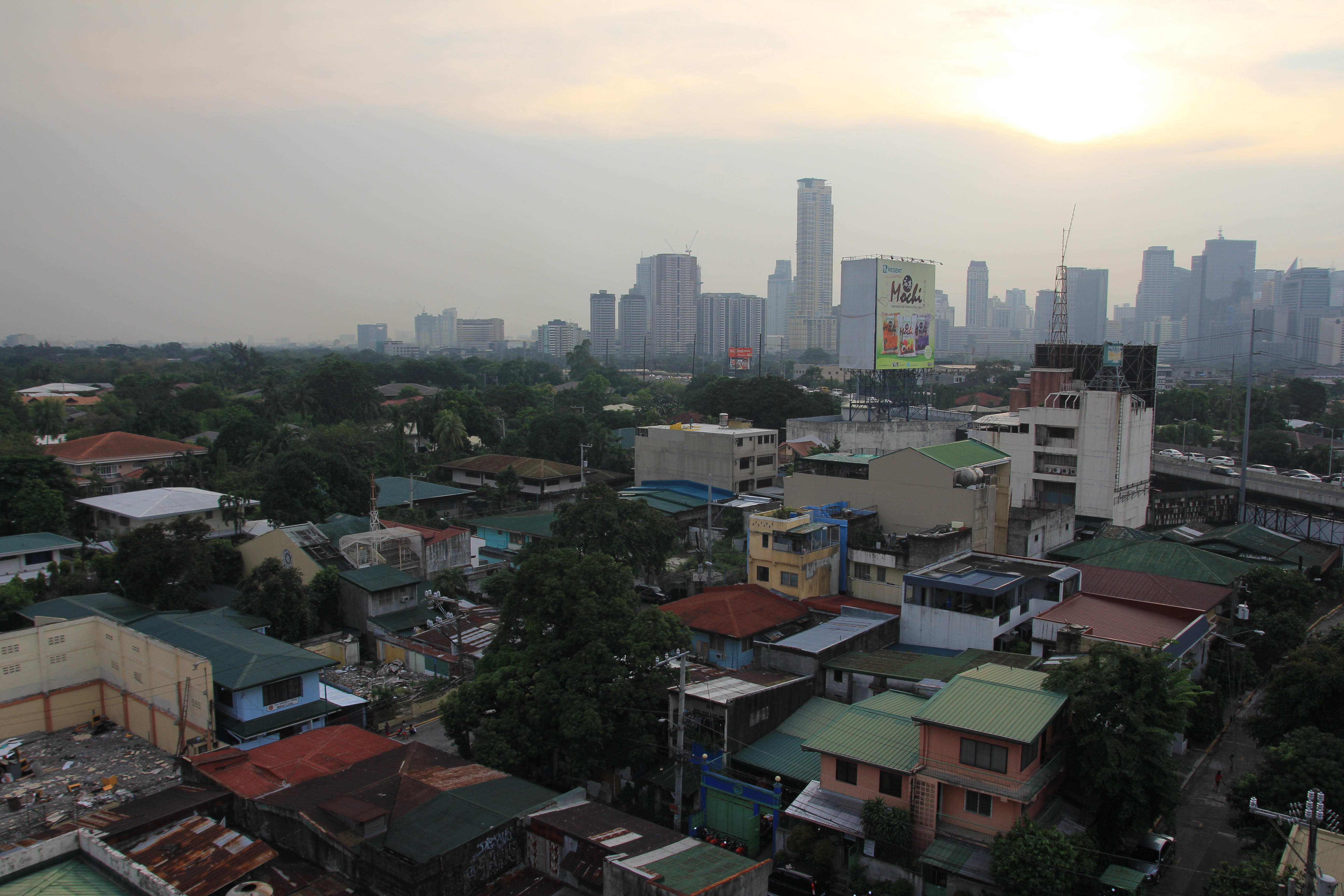
Manila at dusk

Manila at dusk

The Spanish were here until the turn of the 20th century, giving the Filipino people Catholicism and a lot of Spanish people and place names, and the Americans came in world war II giving them English and Hollywood pop-culture – two invaluable contributions they have connecting them to the western world. I don’t know why or how to put it in words, but I expected something else from Manila. I arrived to an Asian mega-city metropolis, full of the pollution and traffic that goes along with similar concrete-jungles. The city was crowded but organized, shiny but dirty, and both new and old, crumbling and developing. Nearly half the highrises in Makati, the shopping district I stayed in, were still topped with building cranes. I stayed at a roof-top hostel with views over Bonifacio Global city, a neighborhood that rivals even downtown Vancouver for cleanliness, safety and dining options.

The place gave me tastes of Tokyo and Bangkok, where first-world orderliness meets oriental cultural flare. It seemed wealthier and more westernized than other south-east Asian cities, but kept that same humid smoggy stickiness and cramped buildings-on-top-of-buildings/fit-them-everywhere-you-can urban planning. But Manila was noticeably liberal in its fashion and sexuality, with little gender-inequality or homophobicness.

There was a typhoon just days before I arrived, but none of its havoc was noticeable in this neighbourhood. Distant thunder and lightning threatened occasionally, but only a few showers camee over Makati. Other areas were still dealing with flooded streets and homes, but the rainy season is supposed to be coming to a slow stop right about now. After perching in my hostel for 2 days and 1 night recovering from a cold that Philippines customs thought was Ebola (note to self: never show flu symptoms when flying in and out of asia), I was ready to leave in search of cleaner air and brighter skies.

paradise in Paniman

paradise in Paniman

After traveling less than 10 km in more than one hour, through rush-hour traffic and a purple haze, we got on an overnight bus to Caramoan and finally reached a little slice of paradise nearby called Paniman. Paniman is a tiny fishing village on the mainland, speckled with shacks, shops and a handful of ‘resorts’ (which are also just slightly fancier shacks called bungalows with shops called ‘resto-bars’). From their beach, you can go island hopping between a series of pre-historic looking islands and pristinely white beaches, and waste your abundant wealth of time cracking open coconuts and snorkeling among the corals and sea-grass. They filmed one of the Survivor series here, and all I can say is no one would have to pay me a million dollars to get deserted on one of these islands; but, I also didn’t mind paying the mere $22 it cost to rent our own boat for 4 hours and splash around our own private beaches for each of those hours.

Two Weddings and a lot of planes

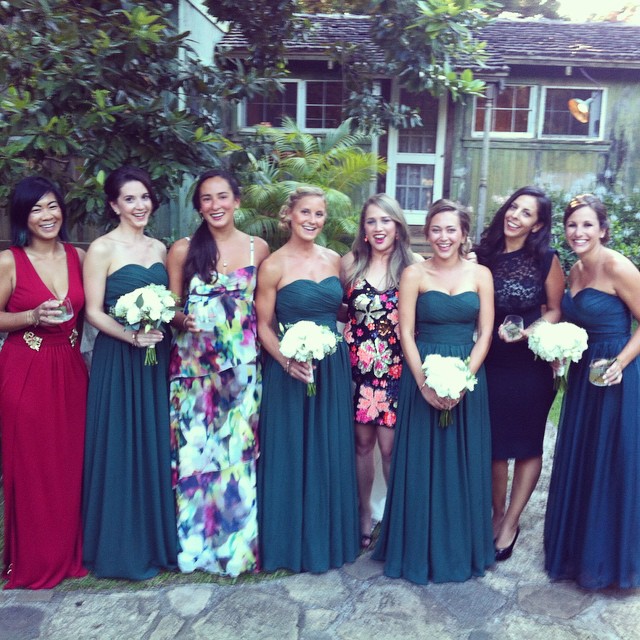
My first friend as a freshman in university was my next door neighbour Maya. Then I lived with her in they bay when I went to Berkeley for grad school. Now, 10 years later, I watched her get married to her longtime boyfriend Mike. Their wedding was in the hills of Lafayette, a beautiful wooded hillside with an open-air ceremony. The bridesmaids wore different shades of pink and Maya shone in her off-white gown. There were 6 groomsmen to her 4 bridesmaids, a friend of theirs was their photographer, another friend of hers officiated, and that friend’s husband DJ’d, so it was all a very friendly event. Other friends from UBC came too, and we danced the night away to some ridiculously bad rap and pop music from the early 2000’s.

the UBC reunion of Maya and her lady friends

the UBC reunion of Maya and her lady friends

Its wierd how I can refer to different decades and Im only 27… amazing how time flies, and people are all growing up and settling down. This was one of 3 weddings I attended in 6 weeks, and I had to leave Maya’s wedding bright and early the next day to attend a wedding in Hawai’i. We were 35 friends and family, not only invited to a destination wedding on Maui at one of the most famous wedding venues in ‘Merica, but also to a week-long vacation with the bride at groom at our very own hotel. We stayed at Mama’s Fish house, apparently one of the top 3 restaurants in ‘Merica, and rented out all the cottages around it, with our own beach, BBQ’s, patios and hammocks to cook our own delicious food. I didn’t bite for the $50-$75 chance to try eating at Mama’s, but I did get my fill of sand and surf, and hiking and roadtripping around the island. The famous road to Hana was filled with waterfalls and freshwater pools, but the road from Hana was more exciting, with unkept gravel roads clinging to the side of sea cliffs and a desolate no-mans land of dried up praries and homeless horses.

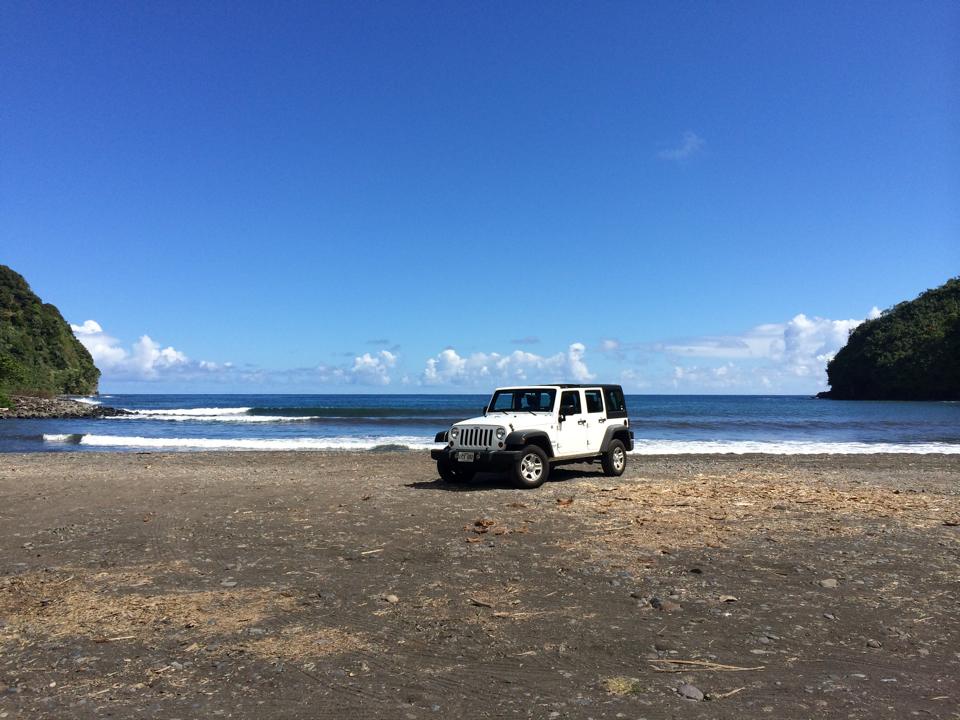
our topless roadtrip car

our topless roadtrip car

I know the groom Kyle from Semester at Sea. We were next door neighbours and shared a paper-thin wall we used to talk to eachother through. We also conquered Korcula island in Croatia together as novice backpackers, but left with a few sea urchin needles in our feet. Another friend of a friend from Semester at Sea, Orion, lives on Maui, and he took me up to watch the sunrise from the top of Halekala crater. At more than 10,000feet/3,000m, its the tallest peak on Maui, and the crater sits above the clouds, so we watched the sun light up the whole sky before it broke through the cloud line and rose as it probably rises every day in heaven.

Halekala sunrise

Halekala sunrise

Kyle and Kali’s wedding was also a little slice of heaven. It was held at an old sugar mill called the Haiku Mill, and only our party of 35 got to call the place our own for a few hours. We were served on by probably half as many staff, engineering cocktails with succulent plants frozen in ice to cool us down. The ceremony was short and sweet, the cocktail hour was nearly 2 hours, and then dinner was just a slight delay to the dancing night we were all so looking forward to. Even though the dance floor was made of red bricks, we shook it hard, and sweat poured so heavily from every square inch of our bodies that we had a hard time gripping onto our fancy cocktail glasses and lost a few of those to the bricks.

the bridesmaids and co.

the bridesmaids and co.

Our last day together in paradise was spent trying to finish all the food and alcohol 35 people had over-bought for the week. I invited Orion and his girlfriend over to help us, and after probably a dozen beer, they were a little intoxicated. That wouldn’t normally have been a problem, except that they were running a 42km marathon the next day at 5 am, so I saw them off the finish line, hungover or drunk, Im not sure, then drove myself to the airport to hop on another jet plane.

City hopping in ‘Merica

I love being Canadian because they basically treat us as Americans when we fly into their horribly unorganized airports. I don’t need to fill out some I-94 form or ESTA waiver and I can stay up to 3 months without any hassle. I still get fingerprinted everytime, and  from time to time, asked for proof of departure, but I can always just say Im driving to Canada after and then I dont need to show any flight booking. And I learned never to have an e-ticket or electronic boarding pass, since you’re not allowed to use your phone in any customs hall, even if its to show your flight out of the US.

Me and Clio at Minnehaha Falls

Me and Clio at Minnehaha Falls

After some 10 weeks straight of horse back riding in the Icelandic highlands, summer finally met me in Minneapolis. Its a direct 6 hour flight from Iceland, over Greenland and northern Canada, that plops you right int he middle of a thousand lakes. There are lakes everywhere, which makes it a very green and bike friendly state, but like Iceland, the summers are short and most things are dead, frozen and/or snow covered for more than half the year. I’d been twice in the winter to visit my best friend Clio, and this was the first time I had seen the city in bloom, and it made a much better impression on my summer-seeking soul. Of course we rode bikes, and swam in lakes, and then we satisfied my culture side with some visits to the strange-looking Wesiman Art museum, the Walker Art Center Sculpture garden, and the fancy schmancy Nordic inspired  restaurant Bachelor Farm.

Sculpture garden selfie infront of the spoon

Sculpture garden selfie infront of the spoon

I had $900 in American Airlines vouchers to try to use up, so I hopped over to Seattle for a short visit. I can count the number of hours I was there on my fingers and toes, but it was still worth the visit to see my photographer friend Mike Reiter settled into his new home and peek into his working life at corporate giant Amazon. Apparently everyone takes their dog and bikes to work, so Seattle is also a hipster-lifestyle friendly place, but Oakland-native Mike Reiter is anything but hipster. But the Chocolate factory and whiskey distillery that he lives between makes up for it, since he gets to wake up every morning to the sweet smell of chocolatey whiskey. He was proud to show me Pike Place market in downtown Seattle, but I’m not sure I fully appreciated the highlights: men throwing fish and a long line up outside the first ever Starbucks.

boating on the Delta

boating on the Delta

My next destination was San Francisco and the east Bay, back to the hills I used to live in 5 years ago. It was crazy to come into this highway congested bay and see two road-kill deer on the side of the road, but just behind the hills are huge forests and parks with lots of open space for wildlife. There’s a severe draught going on, but in the valleys behind the bay theres a series of canals called the Delta where boaters take their little yachts for joy rides. My friend had a little speed boat we took out to soak up some sun, and water, and I finally got that sun-kissed bronze glow on my skin that my body’s been missing in Iceland.

Being a Tourist in Beautiful British Columbia

Beautiful British Columbia

Beautiful British Columbia

I used to call Canada home, having lived in Vancouver and the Fraser Valley for nearly 12 years. I went to highschool in Chilliwack, a town that always smells like cowpoop and only really has 2 highschools. It was the 10 year reuinion of my 2004 Sardis Senior Secondary graduating class, and also a friends wedding, so I had two good reasons to go back home. My sisters and mom still live there, and I still have a room at moms house, and grandmas home-cooking is reason alone to make sure I visit the family. But, I also wanted to experience BC as a tourist for a change, combine a familiar place with the novelty of exploration, and so I ended up on a roadtrip around Vancouver Island.

A friend of a friend from Vancouver came to visit Iceland in May, so after helping him out with his westfjords roadtrip, he so kindly repaid me with the best Vancouver Island roadtrip I could have ever asked for. We started by taking the ferry from Horseshoe bay to Nanaimo, and then drove along the east-coast beaches and lake-side parks on our first day. It was sunny and 30 degrees C, and I was slightly jet-lagged and in weather-shock, but nothing that a good nights rest in a tent and a campfire-cooked meal couldnt fix.

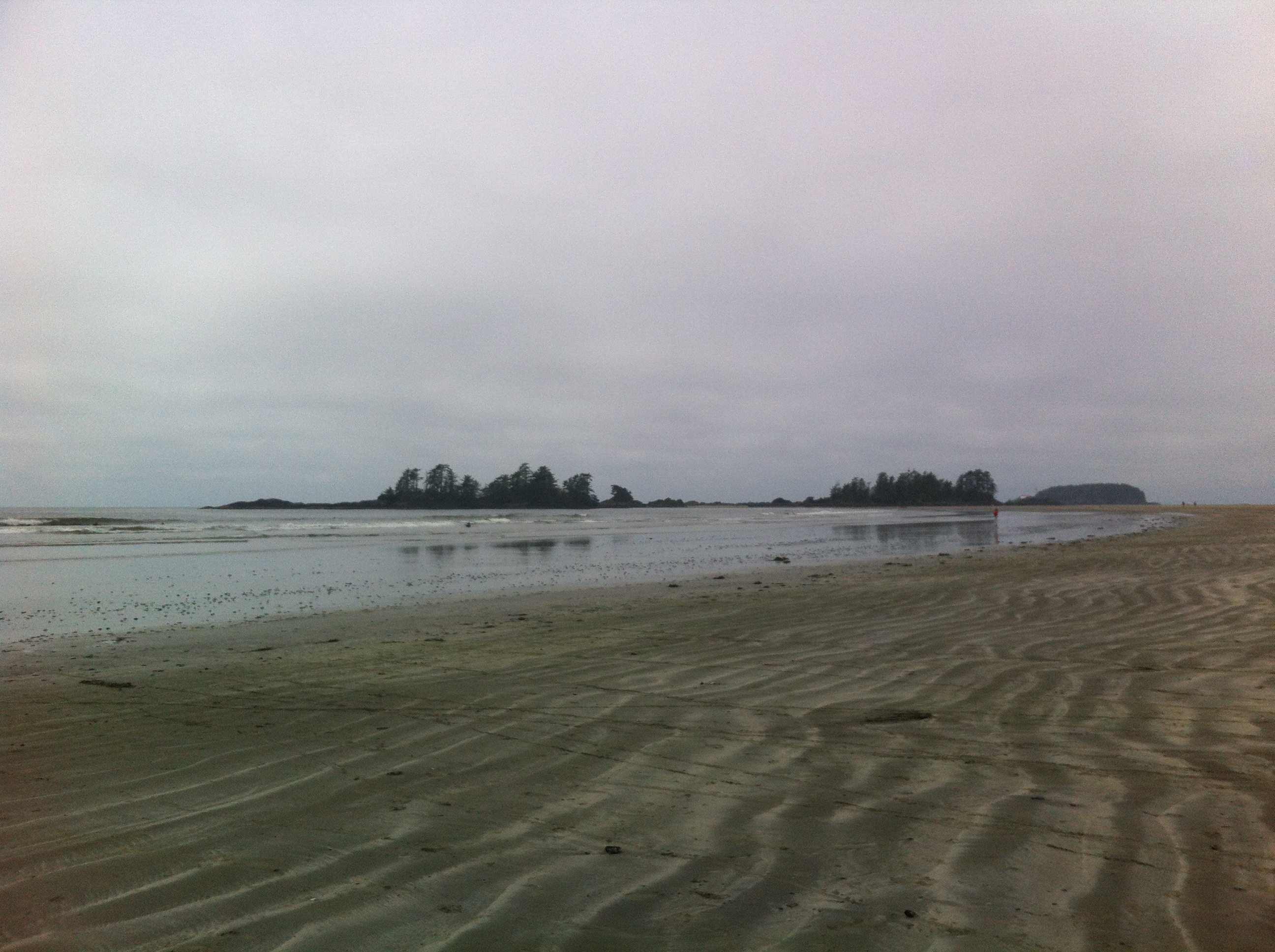
foggy Tofino

foggy Tofino

We stayed in Tofino and Ucluelet, hiking almost every trail between them in Pacific Rim National park. Sadly there wasn’t much surf those days, but we managed to see a whole pod of gray whales on our way to Hot Spring Cove. Theres a place, only reachable by boat or floatplane, where hot water pours out of the cliffside, into pools of water beside the sea. As the tide came in, the seawater mixed with the hot water to create little cold pools, but we could hop between them to find the perfect temperature.

Hot Springs Cove

Hot Springs Cove

On our way back to Nanaimo, we stopped in Port Alberni for a little wine-tasting. We spent the afternoon at Emerald Coast vineyard and the Chase and Warren estate winery, but got a lot more than just wine at Chase and Warren. We were hosted by the owner, who was maybe a little tipsy himself, and enjoyed home-made chocolates and sockeye salmon along with our free wine samples. We left with a case, as you do, and enjoyed a few bottles that night in Ladysmith, where we slept in a beautiful house on the water, complete with a (not-so-natural) hottub.

Reid and Erin

Reid and Erin

The other highlight of my trip was Reid and Erin’s wedding, a couple I’ve known since UBC days, and a perfect occasion to have an informal 2004 cohort UBC reunion. Friends came from all over north America and enjoyed the serene setting of North Arm farm, cradled between the massive mountain peaks in Pemberton, and witnessed the most beautiful outdoor wedding I’ve ever seen. After a night of dancing and romping around in some blueberry patches, I got on a plane back to Iceland, wishing I could have taken some of that summer sun with me on my next horse tour.

Lithuania loves Iceland, Basketball, and Dill

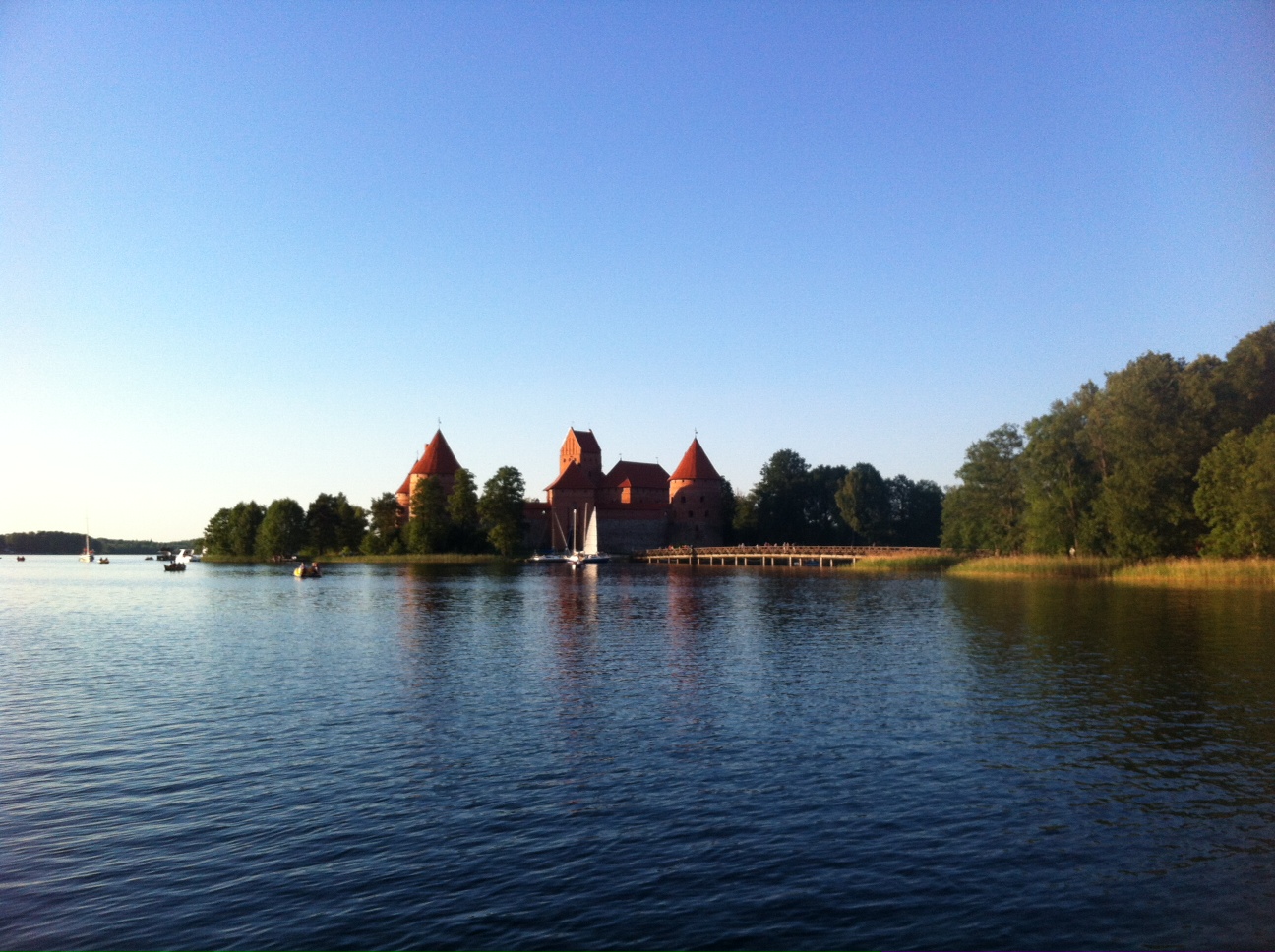
Trakai Castle

Trakai Castle

Iceland was the first country to recognize Lithuania´s independence from the former Soviet, and they´re still really happy about that even though everyone else also followed suit. There´s a street in the Old Town named Iceland street, and it has a plaque commemorating the event on February 11, 1991. It´s not a very long street, but its packed with bars and nightclubs, so the street turns into party central until the wee hours every morning.

I couchsurfed in Vilnius with a tiny Lithuanian artist, who especially loves Iceland, and we spent most of our time together talking about Icelandic music and drinking Lithuanian beer. I met some of her friends and then collectively we made more friends, and one of them was working at a Medieval festival in Trakai, the former Lithuanian capital and an important medieval town. We went horse back riding there, under some strange angel totem poles, and enjoyed the view over the water to Trakai castle while larpers fought with swords nearby.

riding some big horses

riding some big horses

It was really summery in Lithuania, my allergies as proof, so I wanted to go to the beach. There´s a coastal town 3 and a half hours away from Vilnius called Klaipeda, but I didn´t realize the Baltic weather would be similar to Reykjavik. It was grey, rainy and barely 12°C, and even the wind started blowing so locals disappeared into the warmth of their houses whiles I wandered around an empty town and a half-stocked market. The actual port was cozy, even in the bad weather, but I was there all alone and wasn´t sure I should hop on the next ferry or just turn around and go back inland.

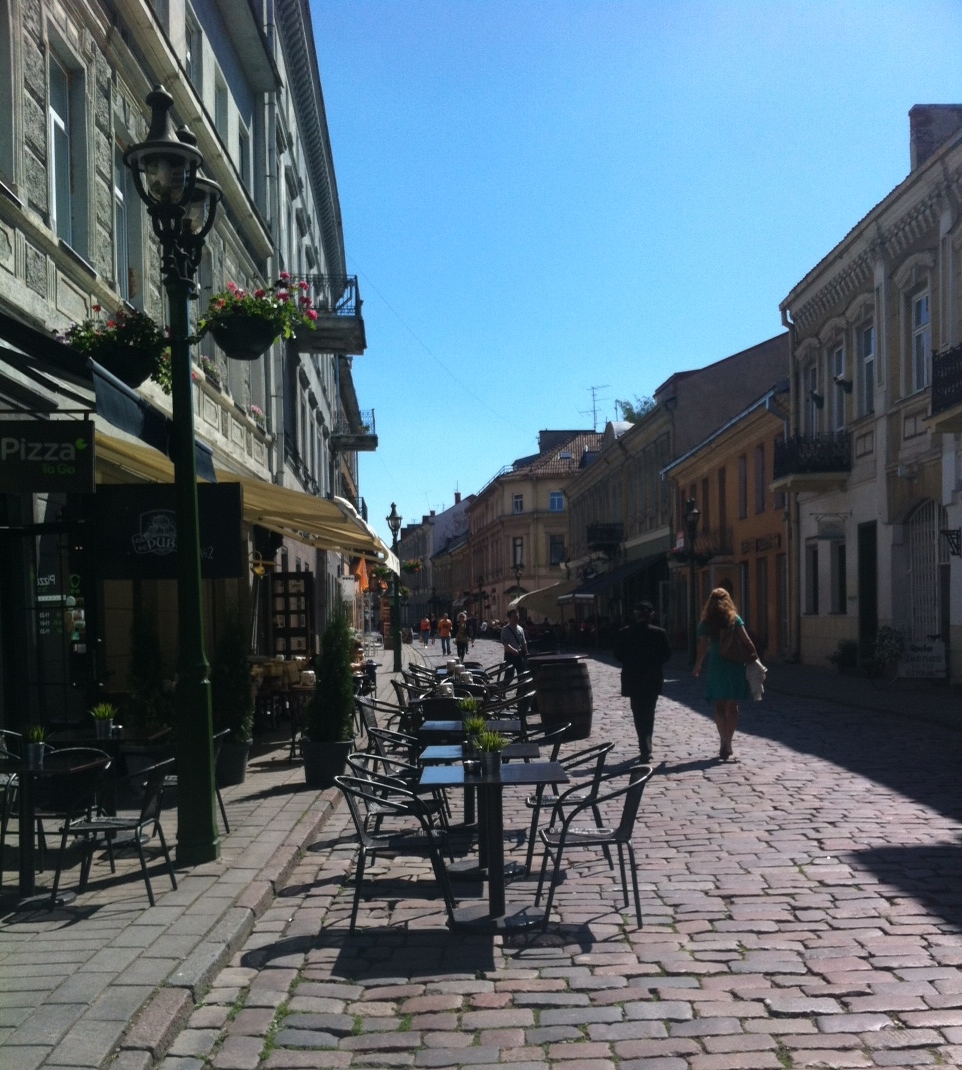
Kaunas

Kaunas

I decided to take the next bus to Kaunas, the second biggest city in Lithuania, 100km away from Vilnius. The weather improved and so did the number of people, and since it was a Friday night right after the local basketball team had won the National championship, it became a huge crowd, filling the streets and bars, and the skies with fireworks and green smoke. Lithuanians love basketball, more than Americans love NBA, and it must have something to do with the tall people. There aren´t that many, but the ones who are tall, are a lot taller. I also noticed that Lithuanians were all pretty good-looking people, and the grandmas are even cuter than Russian babushkas. I could barely take my eyes of them, which became a problem near the markets, since they all stand or squat on the side of the road holding a handful of either flowers or dill for sale. I don´t know how long it took them to sell one bunch, or how much money they got for it, but I guess it must be one form of retirement that´s working out.

one of the many newlyweds

one of the many newlyweds

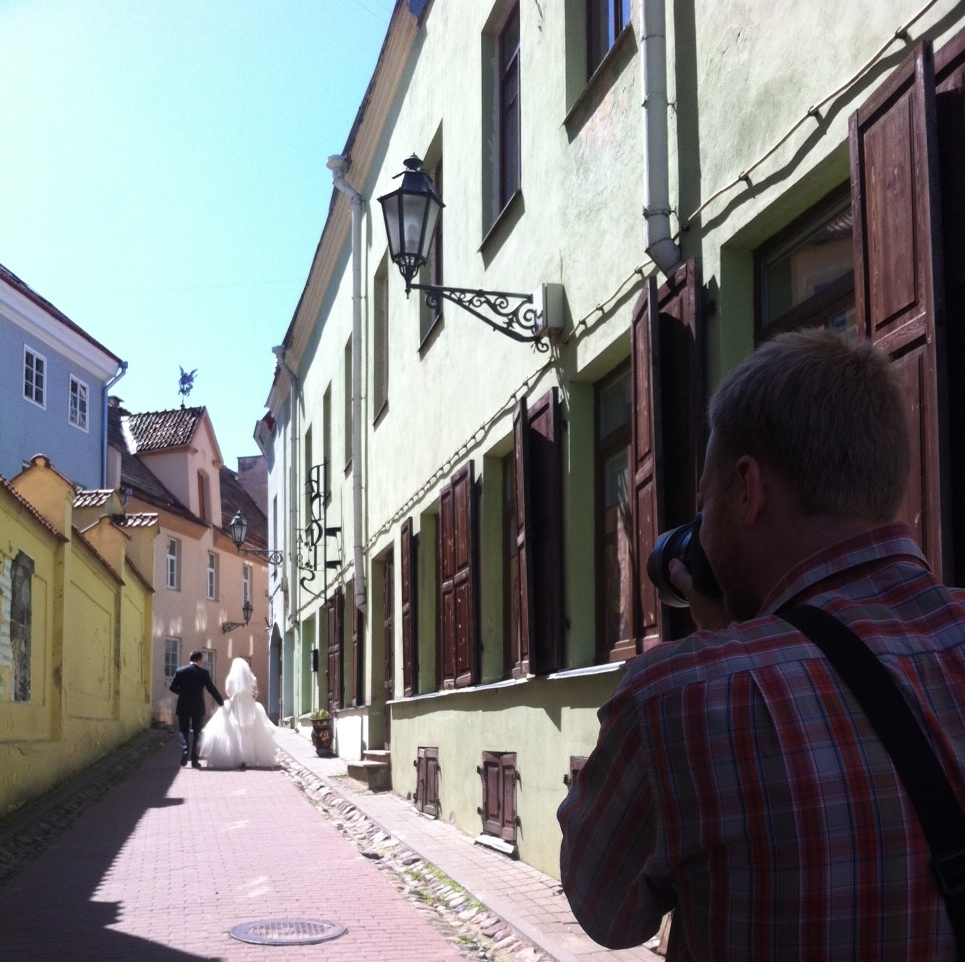
They also love dill in Lithuania, the smell of it pouring out of every traditional kitchen. Every single produce vendor sold dill, and even though I don´t usually eat it, I made an exception and eventually started to like the taste of it. Lithuanians also love to get married on the first summer Saturday, which was apparently June 7 this year. I saw atleast 20 brides in Vilnius, and every church I passed had rose petals scattered all over the entrance. The limousines and beautiful bridesmaids hid behind every corner, and I actually stopped one local to find out it there was a movie being filmed or if there really were this many weddings that day.

From Belgrade to Ljubljana

I wanted to go Bosnia after Belgrade, but the roads were closed. Floods and landslides all over Bosnia and Serbia had forced buses to cancel their routes, and there was no train to Sarajevo. I thought I was having a bad couple of days, but then food trucks and suppliers also couldn’t reach parts of both countries. Electricity outages and flooding made the disaster worse, and Serbia declared a state of emergency. I wanted to stay and help but didn’t know when or how I’d get to Bosnia, so I went to Zagreb instead.

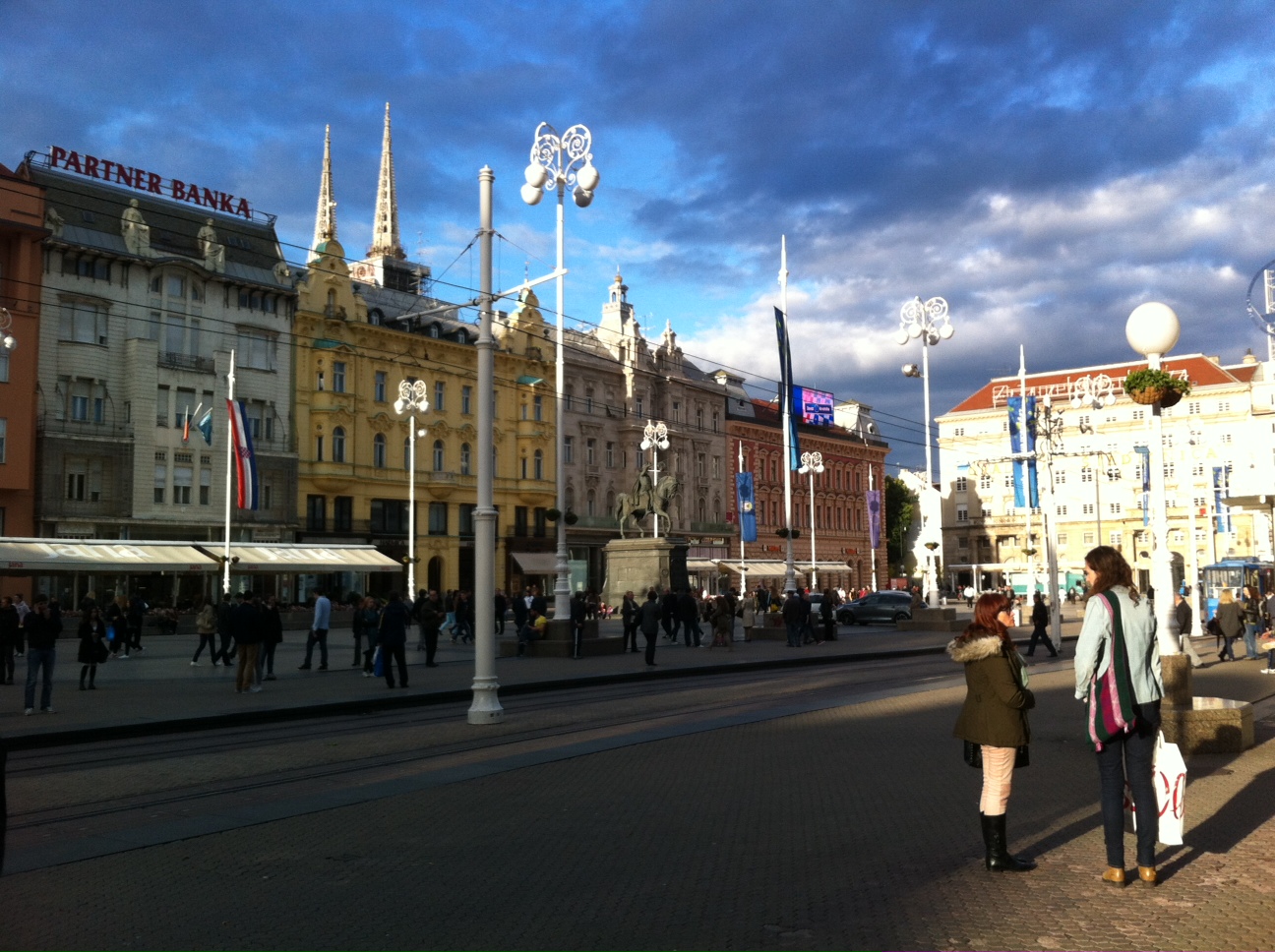
the lower town square of Zagreb

the lower town square of Zagreb

I’ve been to Croatia before, but only around the touristy coast. Zagreb is somewhere landlocked in the middle, halfway between Bosnia and Slovenia, but has been a major settlement for thousands of years with a typical hill-on-the-river kinda setup. Now its split into the medieval upper town, formerly known as Kaptol, and the lower town, filled with larger pedestrian streets and lots of shops. The most interesting attraction was definitely the Museum of Broken Relationships, which displays tokens of people´s break-ups and lost loved ones and the stories behind it. It was really sad, and many that entered left with tears. They consider it some sort of therapy, since everyone has gone through a broken relationship, but it was strange to see how personal things were – one donation was his mother´s suicide note.

I couchsurfed with a Croatian woman who speaks English, French, Russian and Croation (and the related Slavic languages nearby) fluently, plus a handful of 4 or 5 other languages. She was tiny in stature, but got a kick out of driving big trucks (like 18-wheeler big) and hanging out with big, tattooed motorcycle men. I got a kick out of them too; one was half my height and another had an all-white eye. I entered (and forfeited) a drinking competition with one of them, but hope to go back and ride on one of their choppers (or maybe even an 18-wheeler).

traditional Slovenian costume, in front of the pink church

traditional Slovenian costume, in front of the pink church

From Zagreb, I took a train to the capital of Slovenia, Ljubljana, which means “beloved” town. It was much smaller, but same set up: a small hill and a river winding around it. There was an old castle fort on the top, looking down over a few narrow streets of red-roofed buildings. There were two beautiful churches, one pastel yellow and the other one bright pink, and the opera house and all the buildings surrounding it were bright yellow. I took a free walking tour and learned mostly facts about poets and architects, since much of the city was built or influenced by the poet Preseren and the Slovenian architect Plecnik.

My couchsurf hosts

My couchsurf hosts

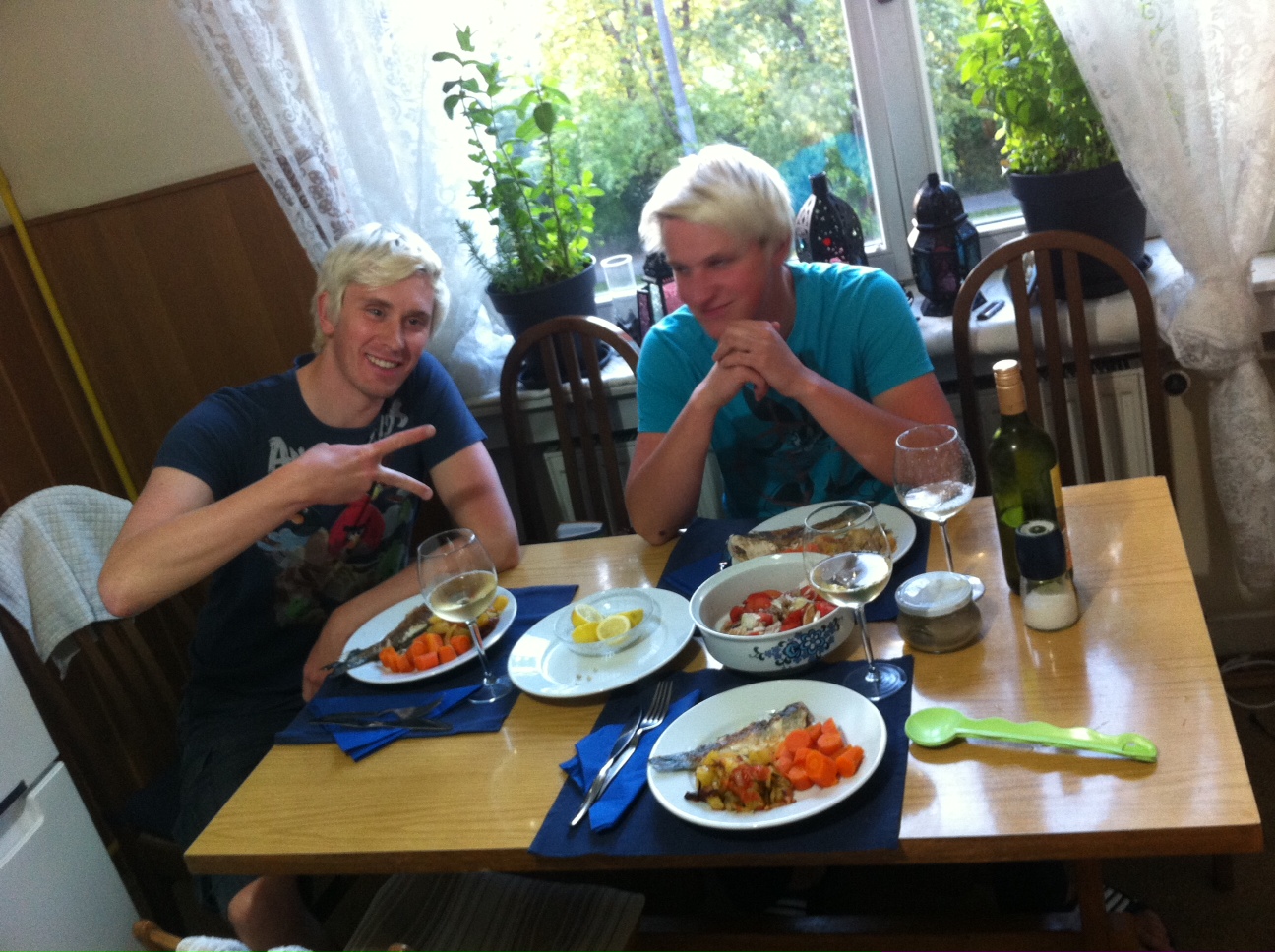
I couchsurfed in Ljubljana with a Slovenian guy and his stepson, who were nearly the same height and size with bleached blonde hair but 20 years apart. He was the second guy I met that weekend with only one functioning eye, and I wondered again what its like to ride a bike with no depth perception. He took me on a pedal bike tour on the rain which was a cosy way to first experience the empty town. He has this wonderful idea of expanding couchsurfing into something more than just sharing a roof and a couch, so he shares his kitchen for couchsurfing cooking events. I arrived just as an Indian couple was leaving, and the place still smelled like coriander and curry, I tried some of Marko´s Slovenian cabbage and potatoes, and I made a typical fish and potato dish before leaving. Check out the videos here.

Serbian Storms

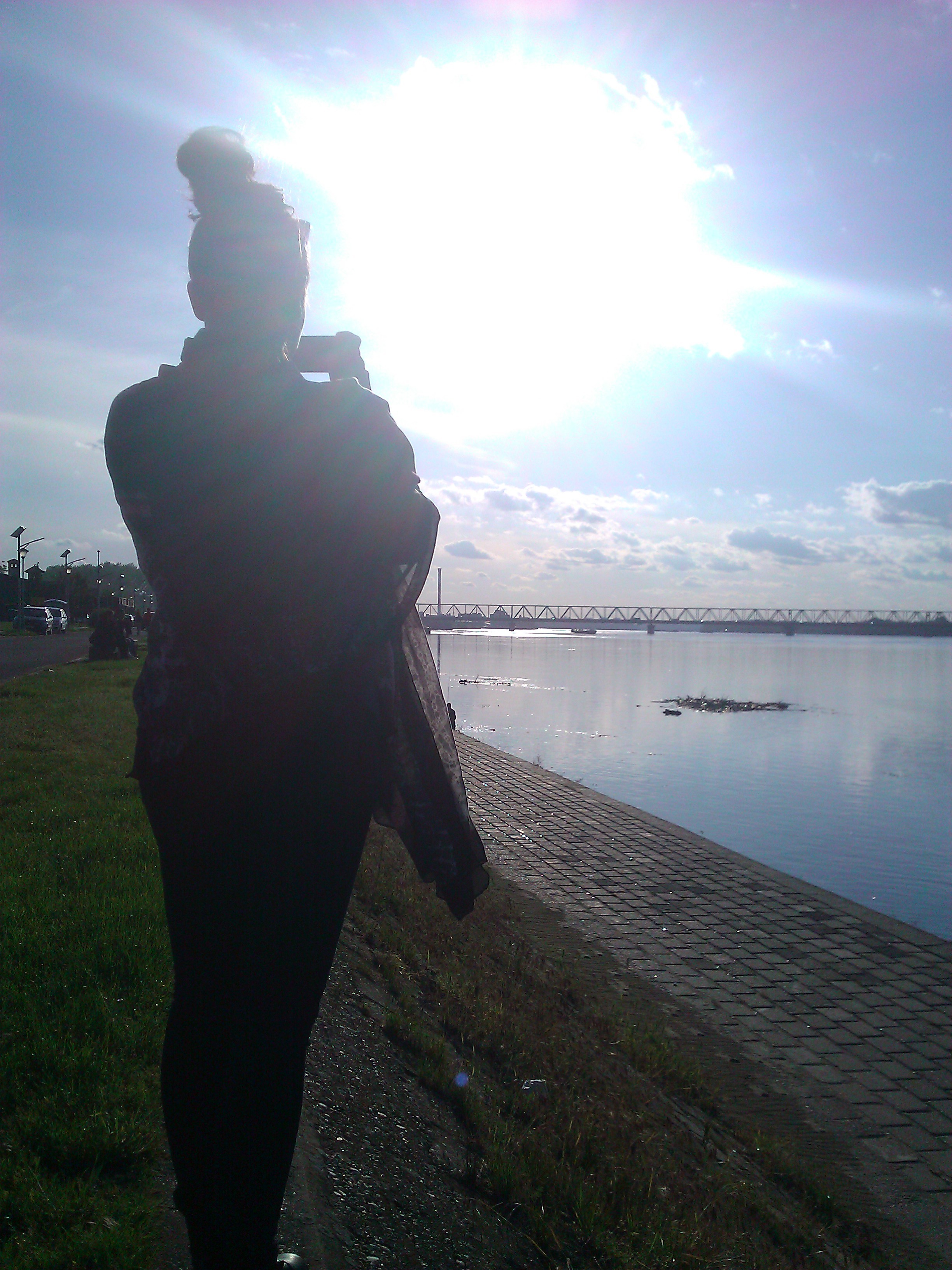
I spent 4 days in Serbia, and when I say Serbia, what I really mean is under an umbrella in Belgrade. It was raining when I arrived at 6:30 am,  and I hadn’t expected to arrive so early. I took an overnight train from Hungary, which left on time and arrived on time, despite the slow border crossing. My couchsurf host hadn’t expected me on time either, so i stood shivering under cover til he found me, took me home, and tucked me in, where I finally got some dry, warm, rest. I had left Hungary in a storm, but thought I had left the bad weather, and a small ray of sunshine even broke through that afternoon. We drank dark beers in the sun on the Danube river bank, and then retreated to teenage public drinking in a grassy park with a Canadian rockstar named Eric (who I also found on couchsurfing). But, since all good things must come to an end, it then rained constantly for nearly 3 days. And I don’t just mean some slight sprinkling, Vancouver-grey kinda rain – I mean torrential downpour, streets-turned-into-rivers kinda rain.

the only sun I saw in Serbia

the only sun I saw in Serbia

I spent an entire day couped up in my couchsurfers apartment, shivering only from the sound of the wind and rain outside. I tried to leave the house, but within 100 m of the bus stop, my umbrella had inverted, wind was blowing at me sideways, and I couldn’t see well enough past the rain being thrown at my face to avoid the buddles, so the socks inside my waterproof boots were also wet. I returned back home, defeated and soaked. I stayed huddled and cuddled inside, as the walls started station – the leaks through the roof had started to seep in and drip down the stairs. I had tickets to the opera, one of the most preformed operas in history but still I’d never seen it, so I had to make it. The Serbian Opera company was performing L’elisir d’amore, and the tiny National theatre seemed like the perfect place to see it. It was performed in Italian and dubbed in Cyrillic Serbian, so I didn’t understand much, but for less than 2 euros for a 2nd balcony seat, I had no complaints. It was a splendid, entertaining evening, and I even indulged in a seat for my couchsurf host, who could only sit in it for half of one act.

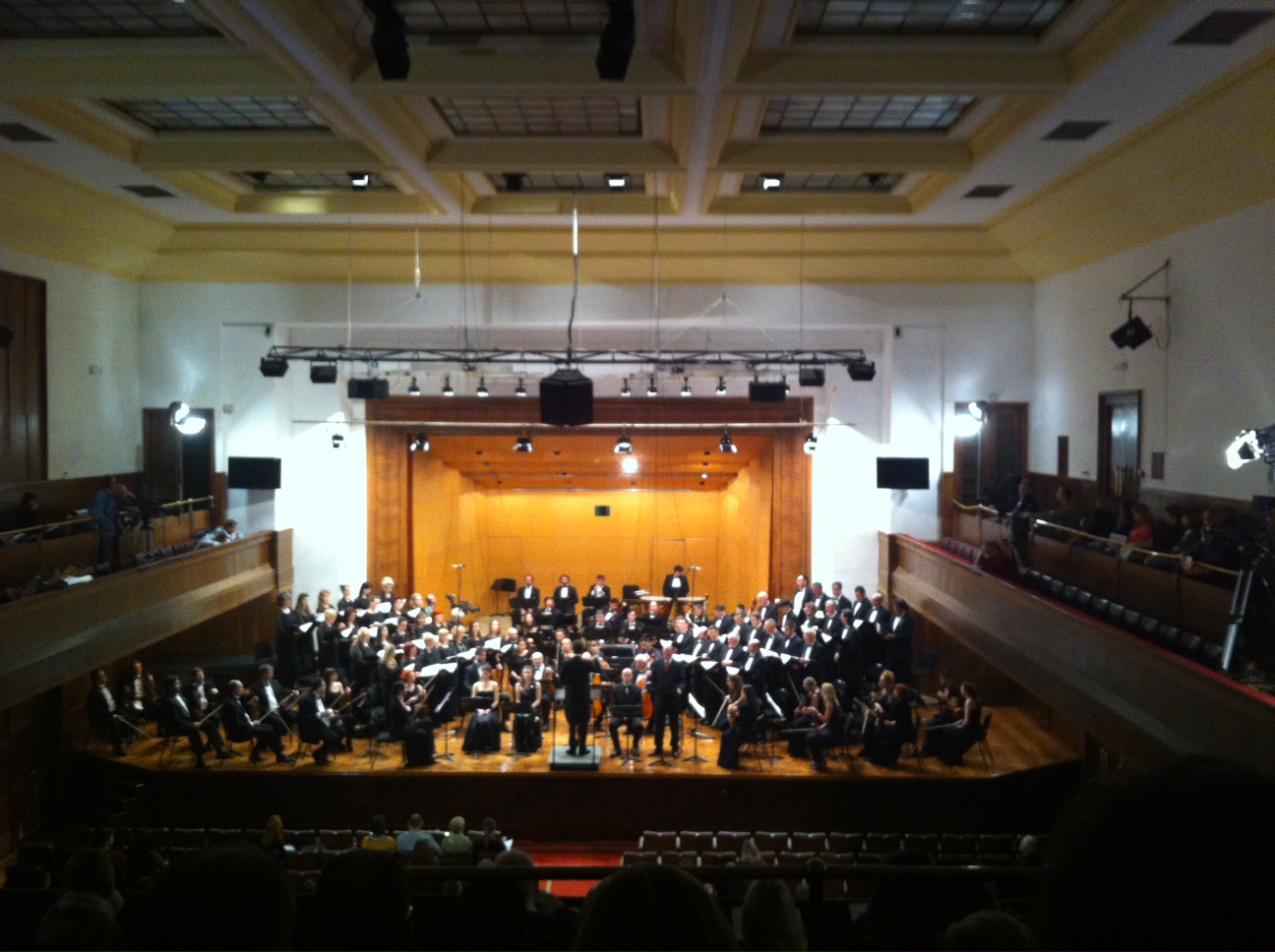
Serbian Philharmonic band

Serbian Philharmonic band

The next night we watched the Serbian Philharmonic preform Bach’s Mass in B minor. It was also staged at a small, intimate, theatre, but not as showy or comfortable. The seat rows weren’t spaced far enough apart for even me to sit straight, let alone your average guy, and they kept all the lights on in the hall. It may have been because the Serbian Radio and TV was broadcasting it, but then the symphony and choir made lots of little mistakes. People walked in and out of the performance without any door locks, and again the seats we paid 3 euros for were actually worth double that, since there was noone sitting in the front-n-center expensive seats. But wearing informal clothes or wet jeans were a perfect occasion to seek shelter from the storm, so it makes sense the kind of crowd that fills a room of  €3-6 seats. The guy who sold me the opera tickets smoked a cigarette while he did it, coat check was free at the opera and the symphony, and the drinks that you could buy cost only  €1 or  €2, so in many ways, the music and arts scene was 10 years behind the rest of Europe. But, in other ways, Belgrade was very forward compared to the rest of Europe. The conductor for the opera’s orchestra was female, and the crowd attending both shows was much younger than the average age of 60 (which it was in Paris). 

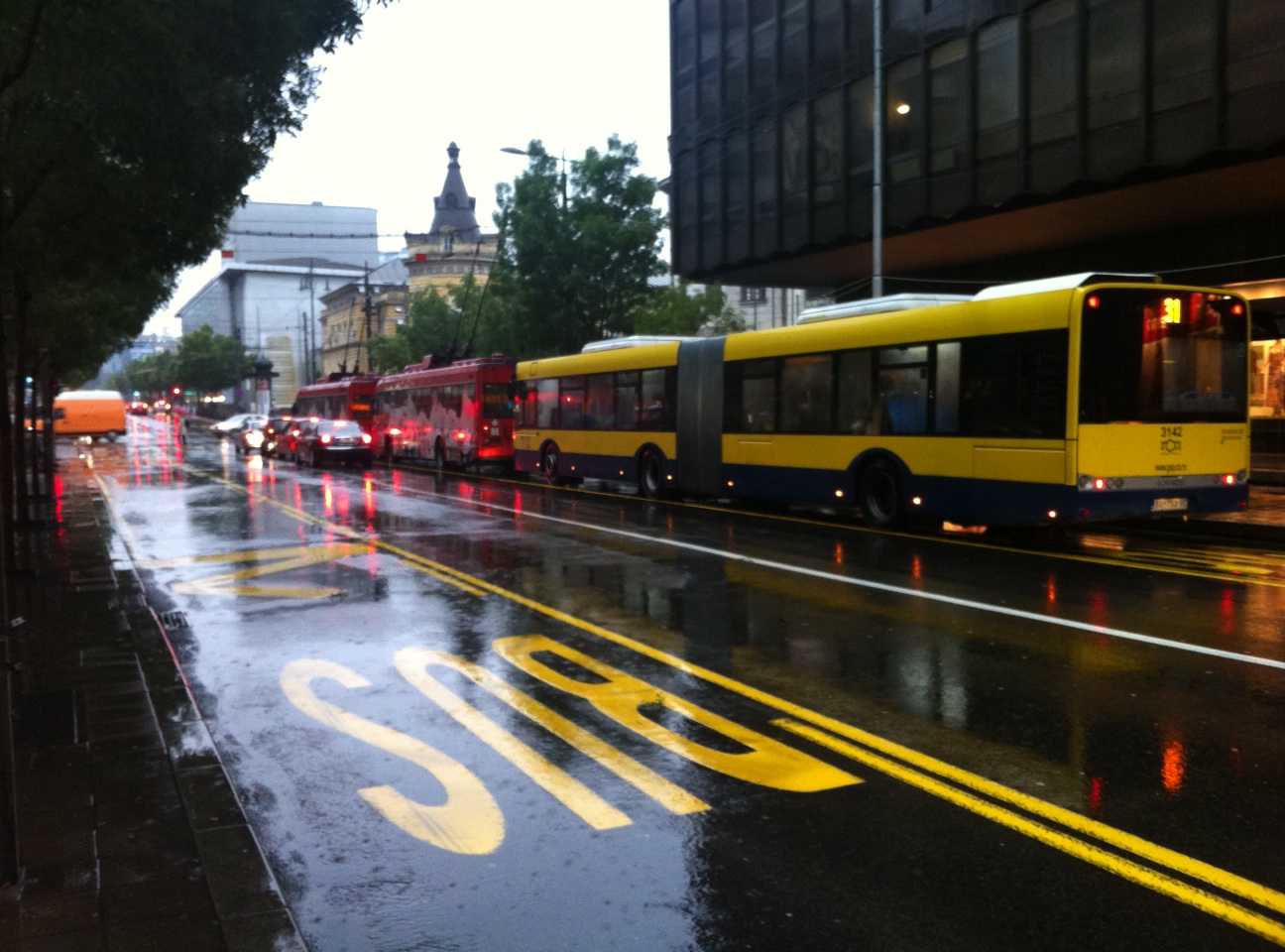
waiting for a bus in the rain

waiting for a bus in the rain


We took home one of the very tech-forward buses (which no-one likes to pay for in Belgrade) but they do have amazing, frequent, 24 hour service and a no-touch pay system with an electronic announcement system (very helpful if you don’t know where you’re going or coming from). The rain kept falling, and eventually the roads started to close, from flooding and landslides, so long-distance buses stopped running and I considered a new life in Belgrade… not knowing when I’d leave. Buses to Bosnia were cancelled for 2 days, but after 4 hours at the bus station, I got on one to Zagreb.